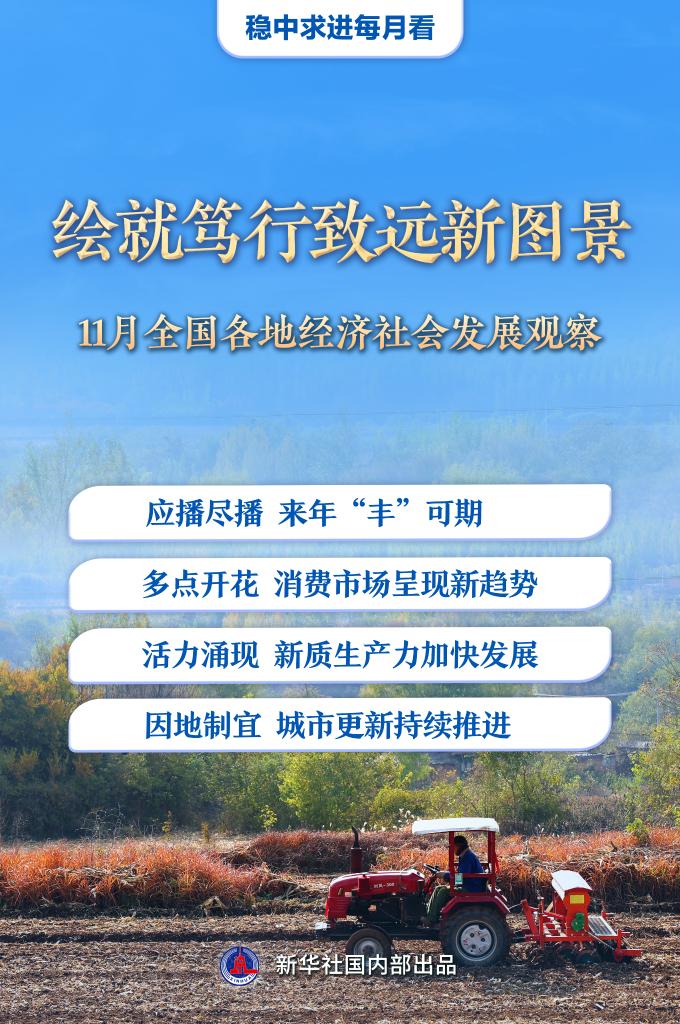
冬油菜

Search documents
农业农村部:加强“菜篮子”产品生产供给,高质量编制“十五五”农业农村规划
Xin Lang Cai Jing· 2026-02-26 13:33
Core Viewpoint - The Ministry of Agriculture and Rural Affairs emphasizes the importance of guiding local efforts in spring farming and ensuring agricultural production stability during the busy spring season [1] Group 1: Agricultural Focus - The meeting highlighted the need for precise guidance in advancing spring management and farming activities [1] - There is a focus on promoting the growth of winter wheat and winter oilseed rape to enhance their resilience [1] - Coordination efforts are required to ensure the supply and price stability of agricultural materials [1] Group 2: Production and Planning - The production and supply of "vegetable basket" products are prioritized to meet consumer demand [1] - High-quality preparation of the 14th Five-Year Plan for agriculture and rural development is emphasized [1] - The meeting calls for a steady advancement of key tasks in rural reform [1] Group 3: Safety and Production - Attention is drawn to the detailed execution of agricultural safety production measures [1]
农业农村部:协调推动农资保供稳价,加强“菜篮子”产品生产供给
Xin Lang Cai Jing· 2026-02-26 13:33
Core Viewpoint - The Ministry of Agriculture and Rural Affairs emphasizes the importance of guiding local efforts in spring farming and ensuring agricultural production stability during the busy spring season [1] Group 1: Agricultural Production - The meeting highlighted the need for precise guidance in promoting spring management and farming activities [1] - There is a focus on enhancing the growth of winter wheat and winter rapeseed to strengthen their resilience [1] - The ministry aims to coordinate the supply and price stability of agricultural materials [1] Group 2: Food Supply and Planning - The meeting stressed the importance of ensuring the production and supply of "vegetable basket" products [1] - High-quality preparation of the "14th Five-Year" agricultural and rural planning is a priority [1] - The ministry plans to steadily advance key tasks in rural reform [1] Group 3: Agricultural Safety - There is an emphasis on meticulously managing agricultural safety production across various sectors [1]
夯实中国式现代化的农业农村基础
Jing Ji Ri Bao· 2026-01-24 21:53
Core Viewpoint - The 2025 Central Rural Work Conference emphasizes the importance of agricultural modernization for China's overall modernization, urging accelerated construction of a strong agricultural nation and promoting comprehensive rural revitalization [1] Agricultural and Rural Economic Development - Agricultural production shows steady growth, with the value added in agriculture, forestry, animal husbandry, and fishery increasing by 4.1% in 2025, contributing 0.3 percentage points to economic growth [2] - Grain production reached a new high in 2025, with a total output of 14,297.5 billion jin, an increase of 167.5 billion jin or 1.2% from the previous year, maintaining over 1.3 trillion jin for 11 consecutive years [2] Income and Consumption - Rural residents' per capita disposable income reached 24,456 yuan in 2025, with a nominal growth of 5.8% and a real growth of 6.0%, indicating a faster growth rate than urban residents [3] - The income gap between urban and rural residents continues to narrow, with the ratio of per capita disposable income decreasing from 2.50 in 2021 to 2.31 in 2025 [3] Agricultural Product Prices and Trade - Agricultural product prices have generally declined, with the overall agricultural product production price index down by 3.7% year-on-year in 2025 [4] - The total import and export value of agricultural products was $311.57 billion in 2025, a decrease of 2.1% year-on-year, with exports increasing by 1.2% to $104.16 billion [5] Agricultural Technology and Innovation - The mechanization level of crop farming reached 76.7% in 2025, with agricultural technology contributing 64% to agricultural growth [6] - The number of agricultural drones exceeded 300,000, significantly aiding in reducing pesticide usage by approximately 30% [7] Rural Infrastructure and Public Services - Rural infrastructure has improved, with a 96% coverage rate for tap water in rural areas and significant investments in rural construction projects [10] - The number of rural mutual aid elderly care facilities exceeded 140,000, and 97% of village health clinics are included in the medical insurance reimbursement system [11] Future Outlook - Agricultural value-added is expected to grow at a rate of 6.32% in 2026, with urban and rural residents' disposable income projected to increase by 4.4% and 7.79%, respectively [13] - Agricultural product trade is anticipated to maintain a growth trend, with exports expected to rise by 2.29% [14]
中国借助科技创新赋能农业发展
Xin Hua She· 2026-01-20 13:52
Group 1 - The core viewpoint of the articles emphasizes the role of technological innovation in empowering agricultural development in China, particularly in Gansu Province, where smart greenhouse projects are thriving despite the winter season [2][3][4] - Gansu Province has rapidly developed facility agriculture, achieving "four seasons of freshness and year-round stable supply" through the implementation of smart agricultural technologies [3][4] - The establishment of 14 intensive smart seedling bases and 1,265 standardized greenhouses equipped with IoT devices has enabled precise control of water, light, and nutrients, enhancing the growth of fruits and vegetables [3][4] Group 2 - The "super factory" for roses in Linxia Hui Autonomous Prefecture showcases the integration of advanced technologies, producing over 72 million fresh-cut roses annually, with plans for significant exports by 2025 [3][4] - The shift from traditional agriculture to smart agriculture is highlighted by the use of digital and intelligent systems for real-time monitoring and management of crops and livestock across various regions in China [4][6] - Gansu Agricultural Group is leading the modernization of agriculture by adopting new technologies and establishing smart agriculture demonstration zones, significantly improving farming efficiency [4][6] Group 3 - The development of new cold-resistant oilseed rape varieties in Gansu is a practical example of enhancing agricultural productivity and combating desertification [6][7] - The implementation of 104 key technologies and 62 intelligent equipment breakthroughs during the 14th Five-Year Plan period reflects China's commitment to advancing smart agriculture [6][7] - The transition from "experience-based management" to "technology-driven farming" is effectively empowering agricultural industry development [7]

寒潮来袭,农业生产这些防护措施不能少
Yang Shi Xin Wen Ke Hu Duan· 2026-01-20 06:05
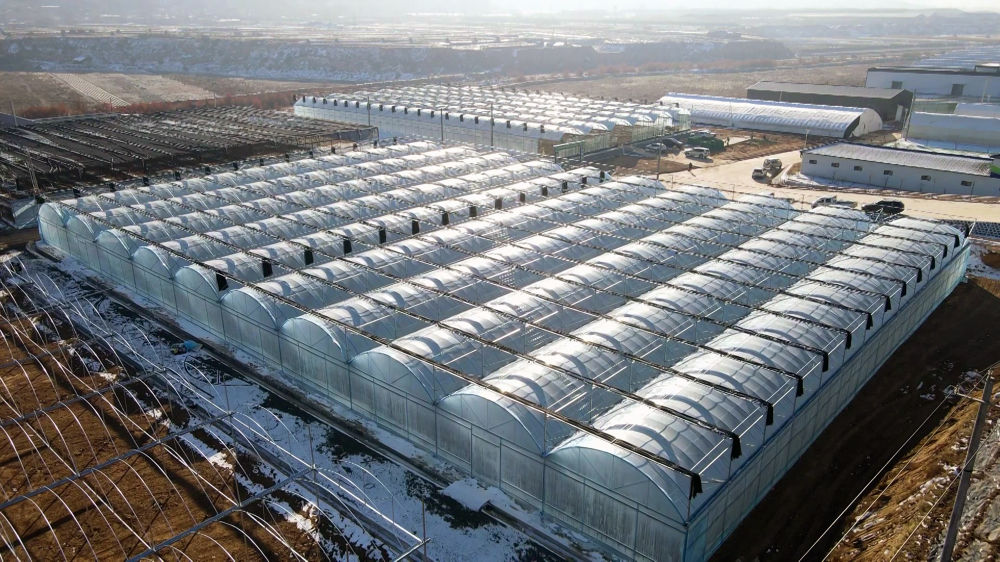
Group 1 - The current cold wave is primarily characterized by temperature drops and snowfall in northern regions, which benefits wheat by providing insulation and maintaining soil moisture for winter growth [2] - Snow cover acts as a protective layer for wheat, reducing soil temperature decline compared to air temperature, and helps protect root growth points from frost damage [2] - In years with frost damage, conditions often include both drought and low temperatures, leading to soil cracks that increase moisture evaporation and exacerbate cold temperatures [4] Group 2 - In southern regions, freezing rain is expected, which may affect winter rapeseed leaves; farmers are advised to implement proper management practices and drain excess water after rainfall [5] - Some farmers are already using drones to spray anti-frost agents as a preventive measure, suggesting a potential for technology adoption in frost protection [7] - For simple greenhouses, wet snow poses a risk of collapse and damage; farmers are recommended to reinforce structures and remove snow promptly [9]

加强管理、除雪保温 打好应对寒潮“组合拳”保障粮油作物平稳越冬
Yang Shi Wang· 2025-12-13 03:30
Group 1 - The current cold wave and snowfall are beneficial for winter wheat and winter oilseed crops, as they help replenish soil moisture and break up soil compaction [1] - Experts warn of potential frost damage due to low temperatures and insufficient soil moisture, particularly for late-sown crops in 2025 [3] - Recommendations include enhancing field management to ensure crops can withstand winter, particularly focusing on promoting weak seedlings to stronger ones [3] Group 2 - The cold wave has shifted vegetable production from northern to southern regions, with northern areas relying more on facility-based supply [5] - Adequate light and temperature are crucial for vegetable growth, and the cold wave may delay vegetable development due to lower temperatures and poor light conditions [5] - Experts suggest scientific management of temperature and humidity in greenhouses, including heating, lighting, and snow removal to ensure the safety and productivity of vegetable facilities [6]
我国冬小麦、冬油菜播种基本结束 田间管理正有序展开
Ren Min Wang· 2025-12-02 03:01
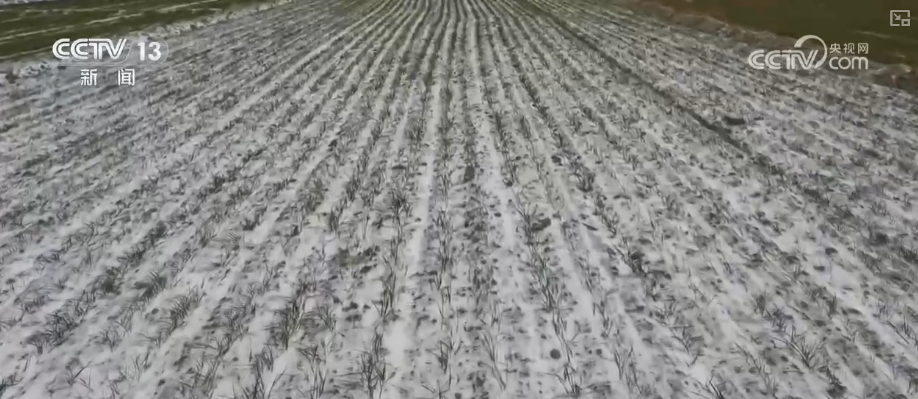
Core Insights - The Ministry of Agriculture and Rural Affairs reports that winter wheat and winter rapeseed sowing in China is nearly complete, with field management progressing smoothly [1][3] - The autumn and winter sowing season is crucial for next year's grain production, as summer grain accounts for about one-fifth of the total annual grain output, with over 90% being winter wheat [1] Group 1: Winter Wheat Sowing - The Huang-Huai-Hai region, which includes Henan, Shandong, Hebei, Jiangsu, and Anhui, accounts for over 70% of the national winter wheat area and nearly 80% of the production [1] - In Shandong, over 60 million acres of winter wheat have been sown, with 18,000 agricultural technicians deployed to assist farmers with post-sowing management [1] - In Hebei, the winter wheat sowing area remains stable at over 33 million acres, with efforts to irrigate and promote strong seedling growth [2] Group 2: Winter Rapeseed Management - In Hunan, over 22 million acres of winter rapeseed are showing growth comparable to previous years, with 85% classified as first and second-class seedlings [3] - The Ministry of Agriculture is actively promoting measures to ensure the quality of sowing and the safety of wintering crops, including the establishment of 12 technical guidance teams to support key provinces [3] - The "Promoting Strong Seedlings Agricultural Technology 100-Day Campaign" has been initiated to enhance seedling growth and ensure the implementation of critical agricultural measures [3]
我国粮食主产区秋冬种基本结束 田间管理正有序展开
Ren Min Ri Bao· 2025-12-01 22:05
Core Insights - The Ministry of Agriculture and Rural Affairs reports that the sowing of winter wheat and winter rapeseed in China has been largely completed, with field management progressing in an orderly manner [1] Group 1: Agricultural Production - The Huang-Huai-Hai region accounts for approximately 90% of the national wheat production [1] - Continuous overcast and rainy weather in the early period has delayed sowing and slowed progress, posing challenges for the safe overwintering of winter wheat [1] Group 2: Agricultural Management Strategies - Local authorities are seizing the autumn and early winter sowing window to enhance wet-resistant sowing, implement the "Four Supplements and One Promotion" strategy, and focus on pest and disease control [1] - Key tasks include ensuring sufficient and quality sowing of wheat and nurturing strong seedlings for safe overwintering [1]
“硬核科技”加速推动农业生产向智能化、规模化转型 乡村振兴产业韧性增强
Yang Shi Wang· 2025-12-01 03:46
Group 1 - The core viewpoint of the article highlights the ongoing management of winter wheat and winter rapeseed in China, with a focus on ensuring safe overwintering and the positive momentum in rural industrial revitalization since 2025 [1][4][6][21][23] Group 2 - The area of winter wheat in the Huang-Huai-Hai region accounts for approximately 80% of the national wheat area, with challenges posed by delayed sowing due to continuous rain in the autumn of 2025 [4] - The Ministry of Agriculture and Rural Affairs has organized 12 technical guidance teams to key provinces to provide support for winter rapeseed management, emphasizing multi-level guidance for seedling management [6] - In Guangxi Pingguo, daily vegetable harvests reach around 100 tons, ensuring stable market supply during winter, with a total planting area of 22,000 acres and an annual output of approximately 240,000 tons [9] - The Hubei Agricultural Expo showcases nearly 2,000 enterprises and research institutions, presenting over 10,000 types of specialty agricultural products, reflecting the growing consumer demand for unique food items [12][16] - The agricultural processing industry in China has shown steady progress, with the added value of above-scale agricultural and sideline food processing industries increasing by 6.3% year-on-year from January to October [21] - The Ministry of Agriculture and Rural Affairs emphasizes the importance of enhancing rural industries through actions such as strengthening leading enterprises, improving supply chains, and expanding rural functions [23]
稳中求进每月看|绘就笃行致远新图景——11月全国各地经济社会发展观察
Xin Hua She· 2025-12-01 01:16
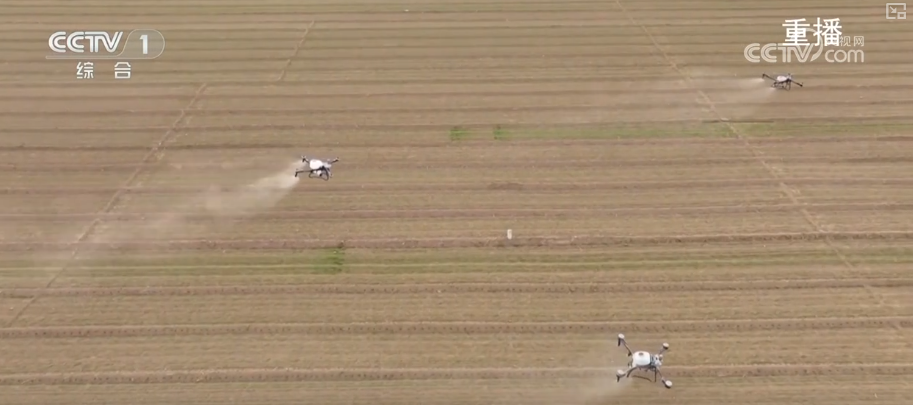
Group 1: Agricultural Production - The autumn and winter planting season is crucial for agricultural production, with efforts focused on improving sowing technology to ensure a bountiful summer grain harvest next year [5][8] - As of November 20, over 95% of winter wheat has been sown nationwide, with significant advancements in precision agriculture technology being utilized [8] - Various regions are implementing measures to enhance planting quality and efficiency, such as using high-performance seeders and promoting mechanized planting techniques [7][8] Group 2: Consumer Market Trends - The consumer market is exhibiting new trends characterized by personalization, quality, and scenario-based consumption, driven by technological empowerment [11][14] - Innovative consumption models, such as drone delivery and automated transport, are being developed to enhance consumer experiences [13][14] - The government is promoting the cultivation of new consumption scenarios and enhancing supply-demand matching through various initiatives [11][14] Group 3: New Productive Forces - New productive forces are emerging as a core engine for developing new advantages and seizing future opportunities, with a focus on integrating technological and industrial innovation [16][19] - The World Internet Conference showcased advancements in AI and flexible production technologies, highlighting the role of technology in transforming traditional industries [18][19] - Various regions are actively fostering the development of new productive forces, with initiatives aimed at enhancing the digital economy and manufacturing services [18][19] Group 4: Urban Renewal - Urban renewal is a systematic project aimed at enhancing the quality of urban life, with a focus on human-centered approaches and meticulous execution [21][25] - Significant progress has been made in renovating old urban areas, with over 240,000 old residential communities upgraded during the 14th Five-Year Plan period [24][25] - Local governments are implementing tailored urban renewal projects to optimize urban structures and upgrade functionalities [24][25]