
冻干咖啡粉

Search documents
冻干食品行业深度:内需释放新动能,供应链创新驱动未来
NORTHEAST SECURITIES· 2026-01-29 08:25
Investment Rating - The report rates the industry as "Buy" based on the growth potential and market dynamics observed in the freeze-dried food sector [3]. Core Insights - The freeze-dried food industry in China is entering a high-growth phase, with the market size expected to grow from 0.848 billion RMB in 2014 to 3.8 billion RMB by 2024, reflecting a compound annual growth rate (CAGR) of 16.1% [2][26]. - The global freeze-dried food market is projected to reach USD 30.43 billion by 2024 and USD 56.27 billion by 2034, indicating a robust growth trajectory driven by health-conscious consumer trends and the rise of outdoor activities [2][12]. - China's freeze-dried food consumption is significantly lower than that of developed countries, indicating substantial growth potential as domestic demand is expected to be a key driver for the industry [2][27]. Summary by Sections 1. Industry Development and Market Dynamics - The freeze-dried food market has evolved through three stages: initial exploration, export-driven growth, and recent domestic demand-driven expansion [21][23]. - The technology behind freeze-drying preserves over 95% of nutrients, making it a preferred choice for health-conscious consumers [15][18]. - The industry is characterized by low penetration rates in China compared to developed markets, suggesting a significant opportunity for growth as consumer awareness and demand increase [27][32]. 2. Global Market Trends - The global freeze-dried food market is expanding, with Asia as a major supplier and Europe and North America as key consumers [2][12]. - Freeze-dried fruits hold the largest market share, followed by meat, seafood, and vegetables, indicating diverse product opportunities [2][12]. 3. Competitive Landscape - The competitive landscape is shifting from a focus on single product categories to multi-scenario applications, with companies diversifying their offerings to include ready-to-eat meals and snacks [38][44]. - Major players in the industry include both international brands like Nestlé and domestic leaders such as Three Squirrels and Good Products, reflecting a fragmented market structure [46]. 4. Policy and Regulatory Environment - The industry is supported by a robust policy framework aimed at ensuring food safety and promoting technological advancements, which are crucial for high-quality development [49][50]. - Recent regulations encourage the use of freeze-drying technology in high-end food products, particularly for infant nutrition, highlighting the government's support for this sector [49].
一杯咖啡里的消费新图景
Sou Hu Cai Jing· 2026-01-15 01:16
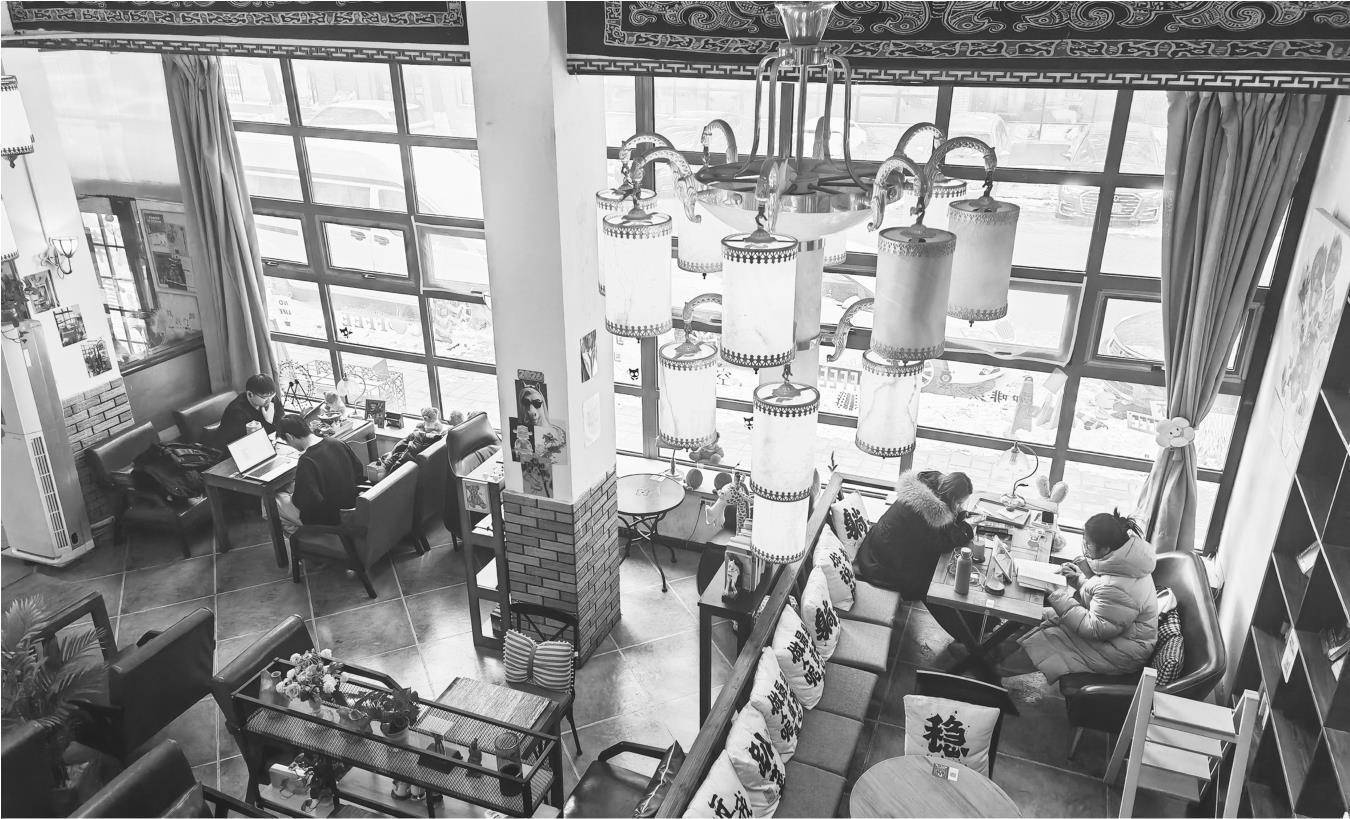
Core Insights - The coffee market in Liaoning, particularly in Shenyang and Dalian, is experiencing significant growth, with over 2800 and 2600 coffee shops respectively, and a projected 76.28% increase in coffee delivery orders by 2025 [3][4][11] Market Dynamics - The rise in coffee consumption is attributed to a younger demographic, with consumers aged 18 to 30 in Dalian consuming over 20,000 cups daily [5] - The affordability of coffee has improved, with prices dropping from 30-40 yuan to as low as 9.9 yuan, driven by increased competition and the expansion of delivery services [4][11] Innovative Business Models - Coffee shops are diversifying their offerings by integrating with other sectors, such as bookstores, art galleries, and pet cafes, to enhance customer experience [6][7][8] - Unique concepts like the "cat café" in Anshan and the "coffee + art" model in Shenyang are attracting diverse customer bases [7][8] Cultural Integration - Local coffee shops are embedding cultural and historical elements into their designs, enhancing their appeal and creating a distinctive identity for the regions [8][9] - The "Eight Classics Coffee Alley" in Shenyang, featuring historical architecture, attracts over 2 million visitors annually, with a sales revenue exceeding 200 million yuan [8] Industry Growth Projections - The national coffee industry is expected to reach a scale of 369.3 billion yuan by 2025, with an average per capita coffee consumption nearing 30 cups [11] - Educational initiatives and events, such as coffee tasting sessions, are on the rise, with a 20% annual increase in student enrollment at coffee academies [11][12] Supply Chain Development - Liaoning has developed various segments of the coffee supply chain, including roasting facilities and self-service coffee machines, contributing to a more robust industry ecosystem [12]

从卖咖啡到卖“解决方案”
Jing Ji Ri Bao· 2025-08-02 00:36
Core Insights - The company has successfully transitioned from coffee OEM to establishing its own brand within three years, leveraging technological innovation and a full industry chain layout to overcome regional limitations [1][2] Group 1: Technological Innovation - The core of the company's coffee product success lies in technological breakthroughs, particularly the self-developed vacuum freeze-drying technology at -40 degrees Celsius, which preserves 90% of the coffee bean flavor and allows for 3-second cold water solubility [1] - The flexible production line can handle 10 types of coffee beans simultaneously, catering to diverse customer needs [1] Group 2: Market Positioning and Strategy - The company has established a direct sourcing supply chain with Ethiopia, capitalizing on the Belt and Road Initiative, and currently produces over 80% of China's freeze-dried coffee powder sourced from Ethiopian beans [2] - The annual production capacity of freeze-dried coffee powder has reached 1,000 tons, with an annual output value exceeding 500 million yuan [2] - The company has implemented a dual-track strategy of online and offline sales, launching its own brand on e-commerce platforms in 2022, achieving a repurchase rate of over 40% during the "Double 11" shopping festival [2] Group 3: Service-Oriented Transformation - The company is shifting from providing single freeze-dried powder to offering customized "coffee solutions," including specific packaging and roasting levels tailored to clients in the restaurant and new tea beverage sectors [3] - Future plans include transforming OEM business into "technology output," integrating high-quality African raw materials with manufacturing technology from Henan, and establishing a model of "African raw materials - Henan manufacturing - global sales" [3]
汇川实业突破发展瓶颈—— 从卖咖啡到卖“解决方案”
Jing Ji Ri Bao· 2025-08-01 21:59
Core Insights - The company has successfully transitioned from coffee OEM to establishing its own brand within three years, leveraging technological innovation and a full industry chain layout to overcome regional limitations [1][2] - The founder highlighted the competitive advantage of combining Chinese manufacturing with East African raw materials, emphasizing the high cost-performance ratio of their products [1][2] - The company has developed a comprehensive "coffee solution" approach, moving beyond just providing freeze-dried coffee powder to offering customized solutions for clients, enhancing its service offerings [3] Company Overview - Established in 2019, the company focuses on sourcing Ethiopian coffee beans and has built a direct procurement supply chain in collaboration with local producers [2] - The company produces over 1,000 tons of freeze-dried coffee powder annually, with more than 80% of domestic Ethiopian freeze-dried coffee powder being produced by them [2] - The annual revenue from OEM services exceeds 500 million yuan, indicating strong market presence and operational scale [2] Product and Market Strategy - The company has implemented a dual-track strategy, launching its own brand on e-commerce platforms in 2022, which has quickly gained market traction due to high cost-performance and diverse flavors [2] - The company emphasizes a "value war" over a "price war," focusing on comprehensive cost control to enhance product competitiveness [2] - During the "Double 11" shopping festival, the repurchase rate for their freeze-dried coffee powder exceeded 40%, showcasing strong customer loyalty [2] Future Direction - The company aims to transform its OEM business into a "technology output" model, integrating high-quality African raw materials with manufacturing capabilities in Henan [3] - The vision includes not only selling coffee but also providing comprehensive "coffee solutions" to clients, enhancing the overall service proposition [3]
小山村“咖”位大
Jing Ji Ri Bao· 2025-07-07 01:20
Core Viewpoint - The article highlights the transformation of Xinzhai Village in Yunnan Province into a hub for high-quality coffee production, leveraging its unique geographical advantages and a focus on boutique coffee to drive rural revitalization and economic growth [1][2][8]. Group 1: Coffee Production and Quality Improvement - Xinzhai Village has a coffee cultivation history of over 70 years, with more than 10,000 acres dedicated to coffee farming [1][2]. - The village faced challenges over a decade ago with low coffee bean prices, prompting a shift towards a boutique coffee strategy to enhance quality and profitability [2][3]. - The village has achieved a 98% coverage of high-quality coffee varieties, focusing on meticulous cultivation practices and improved processing methods [3][4]. Group 2: Industry Chain Extension and Diversification - Xinzhai Village has developed a complete coffee industry chain, including processing plants, cafes, and tourism facilities, to increase value-added products [4][6]. - The village has introduced over 10 coffee products, including roasted beans and freeze-dried coffee, to cater to diverse consumer preferences [6][8]. - E-commerce and live-streaming sales have been utilized to promote Xinzhai coffee, achieving an online transaction volume exceeding 12 million yuan in 2024 [6]. Group 3: Tourism and Cultural Integration - The village has become a destination for coffee enthusiasts, attracting over 200,000 visitors annually, contributing to an increase in local income [7][8]. - Xinzhai Village promotes a "from seed to cup" experience, integrating coffee cultivation with tourism, allowing visitors to engage in coffee picking and processing [7][8]. - The village aims to enhance its tourism offerings by developing boutique accommodations and dining experiences, further enriching the visitor experience [8].