力鸿一号飞行器

Search documents
促共生、聚长钱,广东集结创新主体共探科创产融“深水区”
Nan Fang Du Shi Bao· 2026-02-24 12:02
Group 1 - The core theme of the conference is how to promote the integration of technology, industry, and finance to overcome structural pain points in the transformation of scientific and technological achievements into industrial applications [1] - The collaboration between the Chinese Academy of Sciences and Guangdong Province aims to seamlessly connect national strategic scientific strengths with Guangdong's large-scale market and efficient transformation capabilities [2] - The need for a shift from "supply-demand matching" to "symbiotic integration" in technology transfer is emphasized, highlighting the importance of long-term strategic relationships over short-term transactional ones [2][3] Group 2 - The Guangdong AI and Robotics Industry Alliance highlights the province's strategic advantages in the AI and robotics sector, including leading industrial support capabilities and a rapid supply chain response [4] - The focus for 2026 is on building an ecosystem that emphasizes service and ecological depth rather than mere scale expansion, with six major system projects outlined [5] - A call for the establishment of a patient capital ecosystem is made, advocating for a matrix of funds to support early-stage, hard technology projects with a long-term investment approach [5] Group 3 - The commercial aerospace sector is experiencing significant growth, with a company reporting 11 successful launches and over 84 satellites deployed in 2025, showcasing the vitality of technological innovation [7] - The need for precise financial support is highlighted, with suggestions for establishing key R&D projects in commercial aerospace to address funding and innovation resource challenges [7][8] - Recommendations include policies to encourage the opening of application scenarios for commercial aerospace companies to accelerate technology iteration and business model maturity [8]
“太空游”启航 首航票价300万元
Shen Zhen Shang Bao· 2026-02-05 17:57
Core Insights - Beijing ChuanYueZhe Manned Space Technology Co., Ltd. (referred to as "ChuanYueZhe") held a global press conference for space tourism, showcasing its commercial manned spacecraft "ChuanYueZhe No. 1" and announcing the first batch of 11 space tourists, including notable figures [1] - The company plans to achieve commercial suborbital manned flights by 2028, with ticket prices set at 3 million yuan each, and has already pre-sold nearly 20 tickets [1] - Other domestic commercial space companies, such as Ziwei Technology and China Aerospace Science and Technology Corporation, are also targeting 2028 as a key milestone for suborbital travel [1] Suborbital Tourism Market - The global space tourism market has developed three distinct product forms: suborbital tourism, orbital tourism, and deep space tourism, each differing in technical barriers, experience, and pricing [2] - Suborbital tourism is the most commercially viable form, allowing tourists to experience a few minutes of weightlessness and view the Earth from the edge of space, with a flight duration of only several minutes [2] - Internationally, companies like Virgin Galactic and Blue Origin are leading in suborbital tourism, with ticket prices ranging from approximately $450,000 to over $1.5 million [2] Domestic Competition - Domestic companies like ChuanYueZhe and Ziwei Technology are focusing on suborbital tourism, aiming for manned flights by 2028 [3] - The orbital tourism segment, requiring advanced technology to achieve first cosmic velocity, is currently dominated by SpaceX, with ticket prices reaching $55 million [3] - Deep space tourism remains in the planning stages, with no commercial operations yet, but companies like SpaceX are developing technologies for future missions [3] Industry Dynamics - Chinese commercial space enterprises are engaged in a comprehensive competition across technology, capital, and supply chains, with 2028 as a pivotal year [4] - Different technical paths are emerging, with companies like China Aerospace Science and Technology Corporation focusing on integrated rocket and spacecraft systems, while ChuanYueZhe emphasizes optimizing the spacecraft experience [4] - The commercialization process is advancing through various strategies, including ticket pre-sales and cost reduction through technology reuse [4] Infrastructure Development - The establishment of commercial space launch facilities and recovery bases is crucial for the industry's growth, with Hainan's commercial space launch site already operational [5] - ChuanYueZhe is developing a manned environment testing base to simulate space conditions, complementing national efforts to create a space tourism operational system [5] Market Accessibility - Space tourism remains a high-end consumer product, with significant physiological and economic barriers for the average person [6] - The physical requirements for suborbital flights are less stringent than for professional astronauts, but training is still necessary [7] - The breakthrough in pricing will depend on technological advancements and economies of scale, with current ticket prices being prohibitive for most [7]
“太空市场”新年升温 民营企业抢抓机遇
Zhong Guo Xin Wen Wang· 2026-01-29 07:13
Group 1 - The Chinese commercial aerospace sector is experiencing significant growth, marked by successful launches and IPO preparations, indicating a strong start to the year [1][3] - Companies like Beijing Xinghe Power Aerospace Technology Co., Ltd. have completed multiple rocket launches and are actively seeking partnerships, showcasing the increasing interest from suppliers and investors [3][4] - The Tianjin Aisida Aerospace Technology Co., Ltd. is witnessing rapid growth in commercial aerospace orders, driven by a collaborative ecosystem in the Beijing-Tianjin-Hebei region [4] Group 2 - Safety concerns regarding space debris are becoming critical as the commercial aerospace industry expands, prompting companies like Suzhou Sanyuan Aerospace Technology Co., Ltd. to develop solutions for tracking and managing space debris [5] - Companies are focusing on enhancing their technological capabilities to meet future demands, with innovations in thermal management for space applications being a priority for Beijing Renshu Technology Co., Ltd. [5] - The satellite internet market is rapidly evolving, with companies like Galaxy Aerospace (Beijing) Network Technology Co., Ltd. pushing for the deployment of satellite communication technologies to meet growing consumer needs [6][5]

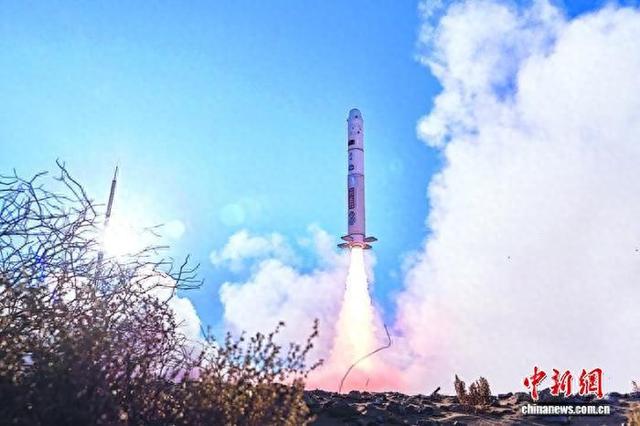
太空旅游离大众还有多远?中企开启“太空船票”预售
Ke Ji Ri Bao· 2026-01-26 01:17
Core Viewpoint - The commercial space tourism industry is evolving from concept to reality, with companies like Beijing Chuan Yue Zhe and others planning to offer manned space flights by 2028, as evidenced by the recent global launch event for the "Chuan Yue Zhe No. 1" spacecraft [1] Group 1: Forms of Space Tourism - Current international space tourism activities are categorized into three forms: suborbital, orbital, and deep space tourism [2] - Suborbital tourism allows passengers to experience a brief weightlessness at altitudes around 100 kilometers, with companies like Virgin Galactic and Blue Origin leading in this area [2] - Orbital tourism involves longer stays in low Earth orbit, with SpaceX conducting missions that include commercial spacewalks [2][3] Group 2: Technical Challenges for Space Tourism - Several domestic commercial space companies are targeting the space tourism sector, with Chuan Yue Zhe having completed key design and testing phases for its reusable suborbital spacecraft [4] - The company plans to conduct critical technology validations by 2026 and aims for manned flights in 2028 [4] - Other companies like Ziwei Technology and Zhongke Aerospace are also making progress in suborbital flight tests and technology validations [4] Group 3: Requirements for Ordinary People to Enter Space - Ordinary individuals do not need to be "superhuman" but must meet certain health criteria, including no severe underlying conditions and the ability to withstand 3 to 4 Gs of force [7] - The primary physiological challenges include the physical overload during launch and re-entry, as well as potential motion sickness in weightlessness [7] - The cost of space tourism remains a significant barrier, with prices for tickets currently exceeding millions, but there is potential for price reductions in the future as the industry matures [8]

科技日报:太空旅游离大众还有多远?
Ke Ji Ri Bao· 2026-01-26 00:42
Core Viewpoint - The commercial space tourism industry is evolving from concept to reality, with companies like Beijing Chuan Yue Zhe and others planning to offer manned space flights by 2028, as evidenced by the recent global launch event for the "Chuan Yue Zhe No. 1" spacecraft [1] Group 1: Forms of Space Tourism - Current international space tourism activities are categorized into three forms: suborbital, orbital, and deep space tourism [2] - Suborbital tourism allows passengers to experience a brief weightlessness at altitudes around 100 kilometers, with companies like Virgin Galactic and Blue Origin leading in this area [2] - Orbital tourism involves flights at altitudes of 200 to 400 kilometers, where passengers can experience long-term weightlessness, exemplified by SpaceX's recent activities [2][3] Group 2: Technical Challenges for Space Tourism - Several domestic commercial space companies are targeting the space tourism sector, with Chuan Yue Zhe having completed the overall scheme verification for its reusable suborbital spacecraft [4] - Key technical challenges include ensuring safety redundancy, high reliability subsystems, and repeatable verification processes, with a focus on critical technologies such as escape systems and life support [5] - The timeline for achieving manned flights by 2028 is contingent on overcoming these technical hurdles and meeting national aerospace standards [5][6] Group 3: Requirements for Ordinary People to Enter Space - Ordinary individuals do not need to possess extraordinary physical capabilities to participate in suborbital flights, but must meet certain health criteria, including the ability to withstand 3 to 4 Gs of force [7] - The primary physiological challenges include managing the physical overload during launch and re-entry, as well as potential motion sickness in weightlessness [7] - Serious underlying health conditions are absolute disqualifiers, while mild chronic conditions may require medical evaluation [7] Group 4: Cost Factors in Space Tourism - Currently, space tourism is primarily accessible to the wealthy, with ticket prices for orbital tourism exceeding $50 million and suborbital flights costing hundreds of thousands [8] - The ticket price for the "Chuan Yue Zhe No. 1" is set at 3 million yuan, indicating the high cost associated with this emerging industry [8] - The expectation is that prices will decrease over the next 20 years as the industry matures and scales, potentially making space tourism a niche but attainable luxury [8]
中科宇航IPO辅导完成 “商业火箭第一股”竞争愈发激烈
Jing Ji Guan Cha Bao· 2026-01-25 05:29
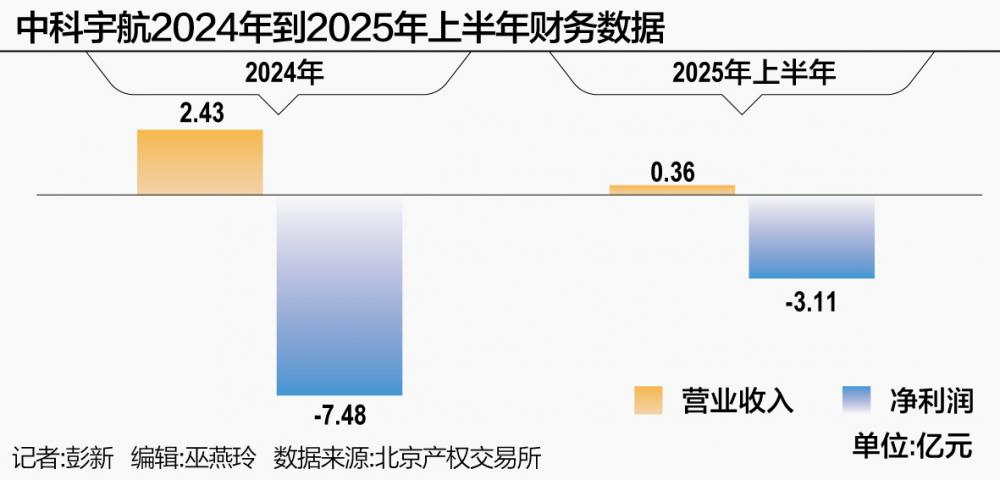
Core Viewpoint - The recent progress of China Aerospace Technology Co., Ltd. in its IPO process marks a significant step towards entering the capital market, with the completion of its counseling work as per the regulatory requirements [1] Company Overview - China Aerospace was established in December 2018 and is the first mixed-ownership rocket enterprise in China, focusing on large and medium-sized rocket development, customized space launches, suborbital scientific experiments, and space tourism [1] - The company’s core product is the self-developed "Lijian" series of launch vehicles [1] IPO Counseling Progress - The counseling process began on August 8, 2025, and was completed in approximately five months, comparable to the speed of previous IPO counseling by Blue Arrow Aerospace [1] - The company addressed the "dual cross" issue related to its collaboration with the Chinese Academy of Sciences, ensuring compliance with regulations during the counseling process [1] Shareholding Structure - Beijing Pengyi Junlian Space Technology Center holds 27.7476% of the shares, making it the controlling shareholder, with founder Yang Yiqiang as the actual controller [2] - Yang Yiqiang has extensive experience in the aerospace sector, having held significant positions in major national projects [2] Achievements in Commercial Space - The "Lijian-1" rocket successfully completed its first flight in July 2022 and has since conducted 11 flights, placing 84 satellites into orbit with a total payload mass exceeding 11 tons [3] - The rocket has entered a phase of regular launches, becoming a preferred choice for small and medium satellite launches in China [3] Future Developments - The "Lihong-1" vehicle successfully completed a suborbital flight test, marking a first in domestic commercial aerospace for a parachute recovery test at an altitude of 120 kilometers [3] - Future plans include upgrading the Lihong-1 payload module to support in-orbit manufacturing and scientific experiments [4] Financial Performance - In 2024, the company reported revenues of 243 million yuan and a net loss of 748 million yuan; in the first half of 2025, revenues were 36.2413 million yuan with a net loss of 311 million yuan [5] - The company is valued at 11 billion yuan, ranking 807th on the 2025 global unicorn list [5] Industry Context - The number of commercial aerospace companies in China has exceeded 600, covering the entire industry chain and fostering new business models such as space manufacturing and tourism [5] - The recent regulatory changes by the China Securities Regulatory Commission support the listing of unprofitable companies in the sci-tech innovation board, with commercial aerospace being a highlighted sector [5] - The competitive landscape for IPOs in the commercial aerospace sector is intensifying, with several leading companies updating their IPO counseling progress [5]
商业航天发展进入快车道 为经济增长注入新动能
Zhong Guo Xin Wen Wang· 2026-01-24 02:12
Core Insights - China's commercial aerospace sector is experiencing rapid advancements, supported by government policies, talent availability, and market potential [1][3] - The government has integrated commercial aerospace into its strategic plans, emphasizing its importance in national development and security [3][6] Government Support - The Chinese government has included commercial aerospace in its work reports for 2024 and 2025, with the "14th Five-Year Plan" highlighting the goal of building a "strong aerospace nation" [3] - Policies have been released to promote high-quality and safe development in commercial aerospace, including the establishment of a dedicated Commercial Aerospace Department within the National Space Administration [3][6] - Local governments are also implementing supportive policies tailored to their industrial bases, enhancing the ecosystem for commercial aerospace [3] Industry Growth Metrics - By 2025, China is projected to conduct 50 commercial launches, accounting for 54% of the total annual space launches, and will place 311 commercial satellites into orbit, representing 84% of the total satellites launched that year [4] - The industry is expected to see a financing total of 18.6 billion yuan in 2025, marking a 32% year-on-year increase [6] Strategic Importance - The rise of commercial aerospace is viewed as a means to enhance China's capabilities in space resource utilization and to secure national interests [6][9] - The application for over 200,000 satellite frequency resources from the International Telecommunication Union (ITU) underscores the strategic push for future competitiveness [6] Economic Impact - Commercial aerospace is seen as a new engine for economic development, with potential to drive advancements in high-end manufacturing, new materials, and information technology [7][8] - The sector is expected to foster regional economic transformation and create specialized industrial clusters, injecting new momentum into local economies [8] Technological Integration - Commercial aerospace technologies are increasingly being integrated into everyday life, providing services such as satellite internet and remote sensing data that benefit various sectors including agriculture and transportation [9] Challenges Ahead - Despite rapid growth, the commercial aerospace sector faces challenges such as limited application scenarios and difficulties in cost control, which need to be addressed for high-quality development [10]

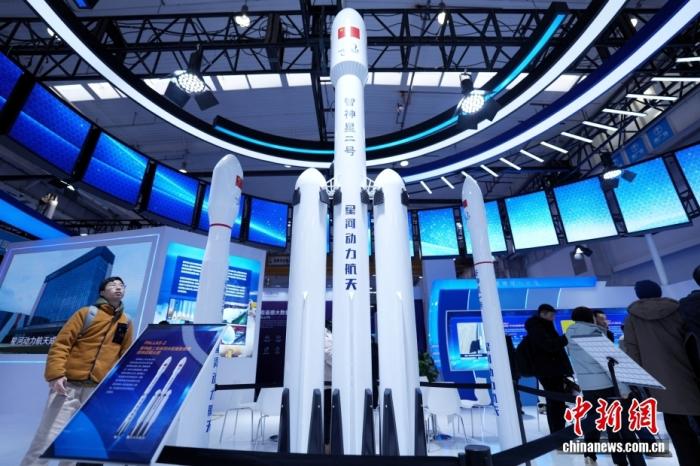
“硬核”科技新突破彰显中国力量
Xin Lang Cai Jing· 2026-01-23 05:30
Group 1 - The core achievements in technology, such as the installation of the world's first 20 MW offshore wind turbine and the successful high-altitude flight of a domestic drone, signify China's transition from technology follower to a leader in certain areas [1][3] - The autonomous control of core technologies is crucial for maintaining competitiveness on the international stage, addressing previous dependencies in high-end materials and components [1][3] - China's innovation model has evolved from isolated breakthroughs to a more integrated approach that combines core technologies, supporting industries, and application scenarios, enhancing China's influence in global technology competition [1][3] Group 2 - Technological innovations are aimed at benefiting the general public, with the offshore wind turbine expected to reduce carbon emissions by 64,000 tons annually, contributing to clean energy and carbon neutrality goals [2] - The establishment of high-altitude drone logistics routes facilitates rapid delivery of medical supplies and fresh products to remote areas, thereby reducing urban-rural development gaps [2] - New technologies that convert industrial waste gases into ethanol and protein feed not only address pollution issues but also create new pathways for food supply, exemplifying the practical benefits of technological advancements [2] Group 3 - The optimization of China's innovation ecosystem is essential for fostering continuous momentum in technological advancements, requiring collaboration among various stakeholders [3] - Policies are directing innovation resources towards key areas, with deep integration of industry, academia, and research accelerating the transformation of knowledge into practical applications [3] - Strengthened intellectual property protection encourages innovators to invest in research and development, contributing to a robust and multi-layered innovation ecosystem [3]

政策引导资本赋能商业航天迈向新阶段
Zhong Guo Zheng Quan Bao· 2026-01-22 20:56
Core Viewpoint - The Chinese commercial space industry is entering a new phase focused on large-scale launches and commercial closure, with significant breakthroughs expected in rocket capacity over the next 3 to 5 years [1] Group 1: Industry Developments - By 2025, China's commercial space sector is projected to complete 50 launches, accounting for 54% of total space launches, with 25 of those being commercial rocket launches and 311 commercial satellites entering orbit, representing 84% of all satellites [1] - The rapid acceleration of capitalization in commercial space enterprises is evident, with Blue Arrow Aerospace's IPO application accepted by the end of 2025 and Zhongke Aerospace completing its listing guidance in January 2026 [1][2] - The launch of the Long March 12 rocket on January 19, 2026, marks a significant step in commercial rocket testing, with major models expected to undergo critical tests or first flights in 2026 [1] Group 2: Technological Advancements - Star River Dynamics plans to conduct recovery tests for its reusable rocket "Zhishen-1" in 2026, while other companies like Eastern Space and Tianbing Technology are also targeting 2026 for key flight tests [2] - The shift from customized to industrialized satellite manufacturing is highlighted by Galaxy Aerospace, which has reduced satellite production cycles by 80% and aims for an annual output of 100 satellites weighing 1000 kg each [3] - The successful suborbital flight test of Zhongke Aerospace's "Lihong-1" on January 12, 2026, demonstrates the potential for microgravity research applications in fields like biomedicine [3] Group 3: Market Dynamics - The increasing frequency of rocket launches and reusable rocket tests is expected to alleviate the "many satellites, few rockets" bottleneck in the industry [2] - The Shanghai Stock Exchange's guidelines for commercial rocket companies have clarified the path for IPOs, directly influencing the progress of leading enterprises [2] - The industry is anticipated to undergo a reshuffle in the coming years, with a greater emphasis on the performance and delivery capabilities of rocket companies [4] Group 4: Future Outlook - Significant advancements in reusable rocket technology and launch efficiency are expected by 2026, with ongoing improvements in commercial launch facilities and processes [4] - The industry is calling for more refined regulatory frameworks to address the challenges posed by large-scale and high-frequency operations [4] - Capital plays a crucial role in the high-risk, high-investment commercial space sector, with early-stage funding being essential for industry development [5]
估值超百亿 中科宇航IPO辅导验收
Xin Lang Cai Jing· 2026-01-19 23:21
Core Viewpoint - Zhongke Aerospace Technology Co., Ltd. has made significant progress towards its IPO, transitioning to "acceptance of guidance" status as of January 17, indicating it is one of the fastest commercial aerospace companies to pursue an IPO after Blue Arrow Aerospace [1] Company Overview - Established in December 2018, Zhongke Aerospace is a high-tech commercial aerospace company incubated by the Chinese Academy of Sciences, and it is the first mixed-ownership rocket enterprise in China, focusing on medium to large rocket development, customized space launches, suborbital scientific experiments, and space tourism [3] - The company is primarily controlled by Beijing Pengyi Junlian Space Technology Center, which holds 27.7476% of its shares, with Yang Yiqiang as the actual controller [3] - Yang Yiqiang, aged 58, has a notable background in China's space industry, having held various leadership roles in significant projects, including the Long March 11 rocket [3] Investment and Valuation - Zhongke Aerospace has attracted investments from well-known institutions such as Guangzhou Chantuo, CITIC Securities, and Yuexiu Industrial Fund [4] - The company is valued at approximately 11 billion yuan (around 1.1 billion USD) according to the Hurun Research Institute's 2025 Global Unicorn List, ranking 807th [5] - A share transfer listing indicated a valuation of about 11.1 billion yuan based on a 0.7928% stake being sold for 88 million yuan [5] Market Position and Achievements - Zhongke Aerospace's "Liqi 1" rocket successfully completed its maiden flight in July 2022, providing commercial launch services and has since launched 84 satellites into orbit, with a total payload mass exceeding 11 tons, making it the leading company in terms of cumulative payload for a single rocket model among Chinese private/commercial rocket companies [6] - The company has also successfully launched for international clients, including Egypt, Oman, and the UAE [6] Product Development - The company is advancing the development of multiple products, including the Liqi 2, Liqi 2 Heavy, and the Lihong series of reusable vehicles to meet diverse transportation needs [7] - The Lihong 1 vehicle recently completed a suborbital flight test, reaching an altitude of approximately 120 kilometers, marking a significant breakthrough in reusable technology [7] Financial Performance - Despite its rapid growth, Zhongke Aerospace's single rocket launch revenue has not yet covered its costs due to low launch frequency and underutilization of payload capacity, leading to high unit costs [8][9] - In 2024, the company reported revenues of 243 million yuan with a net loss of 748 million yuan, and for the first half of 2025, revenues were 36 million yuan with a net loss of 311 million yuan [9] Industry Context - The commercial aerospace sector in China is experiencing rapid growth, with expectations for significant IPO progress in 2026, supported by new regulations from the China Securities Regulatory Commission [10] - Five domestic companies focused on launch vehicles, including Zhongke Aerospace, have initiated IPO processes, with Blue Arrow Aerospace already in the acceptance stage for its IPO [10] - The cost competitiveness of Chinese commercial aerospace has improved, although there remains a significant gap compared to international leaders like SpaceX [10]