圆周旅迹

Search documents
你会用AI规划旅游线路吗?
Xin Lang Cai Jing· 2026-02-07 12:33
Core Insights - The article discusses the increasing reliance on AI for travel planning, particularly as the Spring Festival approaches, highlighting user interactions and preferences for AI-generated itineraries [3][4][10]. Group 1: AI in Travel Planning - AI has become an essential tool for travel planning, with significant user engagement noted on platforms like Fliggy, especially regarding Spring Festival travel [3][4]. - A family from Fuzhou tested five different AI travel planning tools against traditional travel agency offerings, revealing insights into the effectiveness and user experience of AI in itinerary creation [4][12]. - The family found that while AI-generated itineraries were comparable to those from travel agencies, the AI provided unique insights and suggestions that enhanced their travel experience [12][18]. Group 2: User Preferences and Experiences - Different family members had varying preferences for AI tools, with younger users valuing aesthetic and experiential recommendations, while older members prioritized clarity and ease of use [5][7][10]. - The AI tools evaluated included options like Xiaohongshu's Diandian, Byte's Doubao, and Tongcheng's Chengxin AI, each catering to different user needs and preferences [5][10][12]. - The family noted that AI could effectively summarize complex travel information, making it easier for users to understand and plan their trips [10][12]. Group 3: Cost Efficiency and Practicality - AI tools like Doubao and Fliggy's Q&A provided budget-friendly travel options, with Doubao offering multiple pricing strategies based on comfort and cost [25][26]. - However, the family encountered limitations with AI recommendations, such as overlooking the need for multiple hotel rooms for a family of five, indicating a gap in understanding practical family travel needs [26][30]. - The article emphasizes that while AI can assist in cost-saving and planning, users must remain vigilant and discerning about the recommendations provided [29][30]. Group 4: Future Expectations and Improvements - Users expressed a desire for AI to evolve further, providing more personalized and reliable travel experiences, especially for specific demographics like families and seniors [34][37]. - The article highlights the potential for AI to enhance travel planning by integrating user feedback and improving its understanding of nuanced travel needs [37][38]. - Overall, the family concluded that while AI tools were helpful in reducing planning time and offering new ideas, the final itinerary still required human input to ensure satisfaction [31][32].

从“小众”到“爆款”,开发者为什么选择鸿蒙?答案其实很简单
Sou Hu Cai Jing· 2025-12-25 11:38
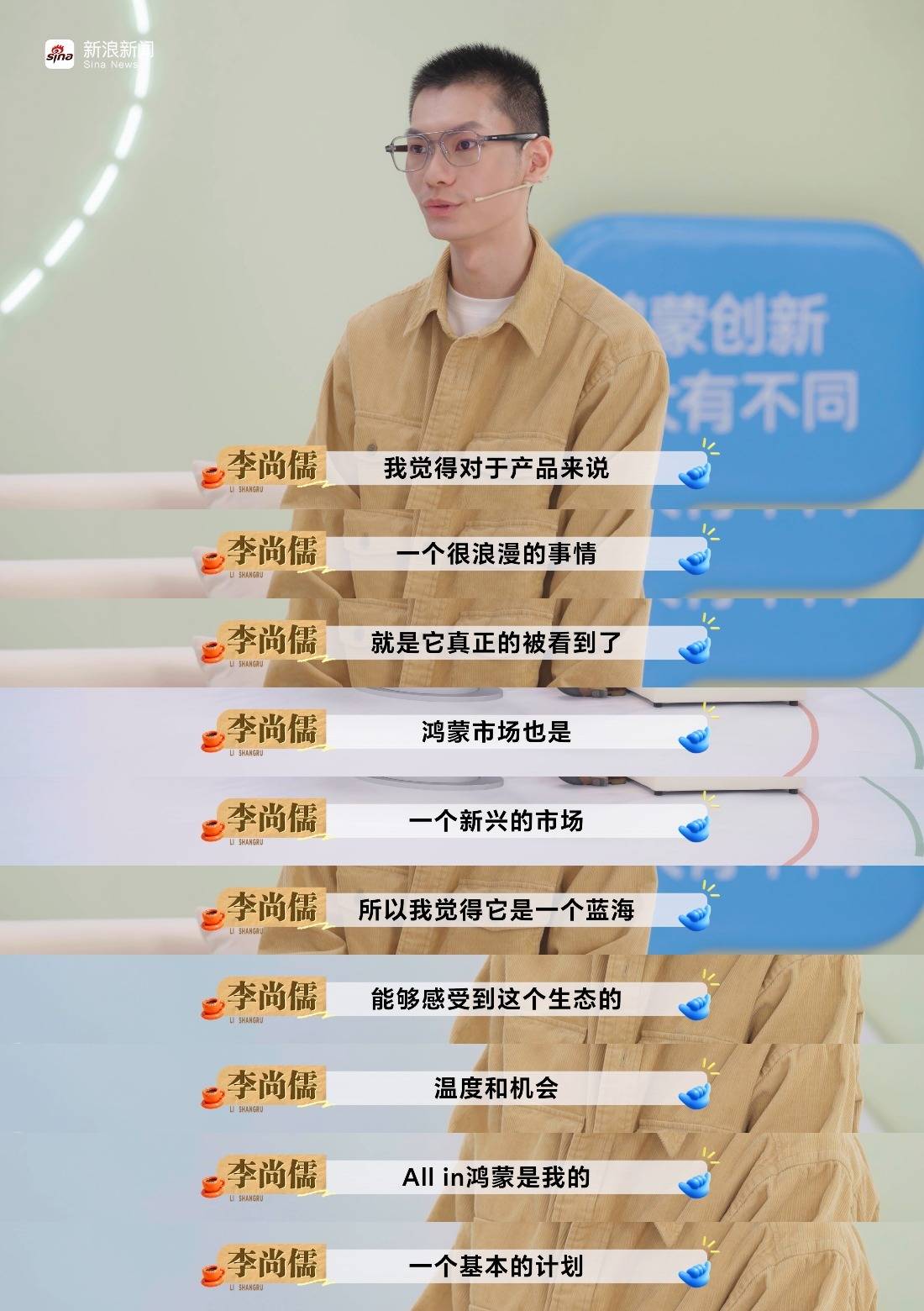
Core Insights - The article highlights the evolving perception of developers, showcasing how the HarmonyOS ecosystem is providing new opportunities and experiences for them [1][10]. Group 1: Developer Experiences - Developer Li Shangru created the "Daily Coffee" app, which became a hit due to its thoughtful design and was promoted within the HarmonyOS ecosystem, leading to a stable monthly income of 60,000 to 70,000 yuan [3]. - Developer Ling Qi's "Round Trip Journal" app simplifies travel planning by allowing users to easily share and collaborate on travel itineraries, enhancing user experience and reducing developer workload [5]. - The "Small Universe" team joined the HarmonyOS ecosystem, focusing on real user needs and collaborating closely with Huawei to overcome development challenges [7]. Group 2: Ecosystem Growth - Canva's China General Manager, Wang Kexin, stated that joining the HarmonyOS ecosystem is a strategic goal driven by user demand for seamless use across devices, highlighting the ecosystem's visibility and relevance [8]. - The HarmonyOS ecosystem is characterized by its openness and inclusivity, allowing independent developers to realize their dreams with just a computer, resulting in 10 million registered developers and over 350,000 applications and services [10]. - The HarmonyOS aims to connect developers and users, fostering a collaborative environment where every idea is valued, potentially leading to transformative applications that enhance daily life [12].
鲁豫对话鸿蒙开发者:把兴趣写进系统里的年轻人
3 6 Ke· 2025-12-25 10:41
Core Insights - The article emphasizes the growing ecosystem of the Harmony operating system, highlighting its appeal to young creators and developers who are finding new opportunities within this platform [2][22] - The narrative showcases personal stories of developers who have successfully leveraged Harmony to create unique applications, reflecting a sense of community and support within the ecosystem [3][12][20] Group 1: Developer Engagement - Young developers are increasingly drawn to the Harmony ecosystem, creating personalized applications that cater to niche interests and overlooked use cases [2][22] - The "碰一碰" feature allows users to share content easily, enhancing user engagement and collaboration among friends [8][19] - The rapid growth of new users for applications like 小宇宙 demonstrates the positive feedback loop created by the Harmony platform, reinforcing developers' commitment to long-term investment in the ecosystem [5][6] Group 2: Strategic Partnerships - Global applications, such as Canva, view Harmony as a strategic platform due to its rapid growth and potential for market integration in China [9][11] - The collaboration between Canva and Harmony highlights the efficiency of the development process, with technical issues being resolved quickly, allowing for a swift launch [11] Group 3: Unique Developer Experiences - Developers like 李尚儒 have transitioned from different fields to find success in the Harmony ecosystem, illustrating the platform's accessibility and growth potential [12][14] - The article describes how small applications can thrive within Harmony, benefiting from the platform's infrastructure and support, which reduces development costs and time [17][19] Group 4: Community and Ecosystem Growth - The Harmony ecosystem has surpassed 10 million registered developers and 32 million devices, indicating a robust and expanding community [22] - The sense of being valued and supported within the Harmony ecosystem fosters a collaborative environment where developers are motivated to create and innovate [20][22]

鲁豫对话鸿蒙开发者:把兴趣写进系统里的年轻人
后浪研究所· 2025-12-25 10:02
Core Viewpoint - The article emphasizes the emergence of a personalized digital lifestyle and the opportunities it creates for developers within the HarmonyOS ecosystem, highlighting the importance of individual needs and creativity in driving innovation [3][4][6]. Group 1: Developer Engagement and Ecosystem Growth - HarmonyOS is becoming a popular platform for young developers, facilitating various creative endeavors such as podcasting, visual expression, and life documentation [4]. - The rapid growth of user engagement is evident, with new user numbers doubling shortly after the launch of applications like "小宇宙" on HarmonyOS, indicating a strong market response [10]. - The "碰一碰" feature allows users to share content easily, enhancing user interaction and engagement within the ecosystem [13][14]. Group 2: Strategic Partnerships and Global Expansion - Global applications like Canva are recognizing HarmonyOS as a strategic platform due to its rapid growth and potential in the Chinese market, which can facilitate their integration and expansion [15][17]. - The collaboration between Canva and HarmonyOS showcases the platform's ability to support innovative features and rapid deployment, with successful integration completed in just three months [17]. Group 3: Individual Developer Success Stories - Developers like 李尚儒 have found success on HarmonyOS, transitioning from traditional careers to creating niche applications, leading to significant income growth [18][23]. - The "圆周旅迹" team experienced a substantial increase in user engagement after being featured on the HarmonyOS AppGallery, demonstrating the platform's support for small, innovative applications [26][29]. Group 4: Community and User-Centric Approach - HarmonyOS has surpassed 10 million registered developers and 32 million devices, fostering a collaborative environment where individual needs are prioritized [35]. - The ecosystem is characterized by a sense of mutual trust and collaboration among developers, focusing on quality and user satisfaction rather than just performance metrics [32][33].

《向鸿蒙生活比个6》:鸿蒙生态的生命力,在于点亮每一颗“星”
Guan Cha Zhe Wang· 2025-12-24 06:26
Core Insights - The collaboration with HarmonyOS is characterized by a sense of partnership and mutual support among developers, highlighting the ecosystem's commitment to valuing every idea and individual contribution [1] - Developers are increasingly choosing HarmonyOS due to user demand, with specific examples illustrating how user feedback drives product development [3][4] - The ecosystem fosters a sense of equality and support, enabling developers to launch applications rapidly and efficiently [6] Developer Experiences - Developers express that the HarmonyOS ecosystem is a "blue ocean" for innovation, allowing even niche applications to thrive and generate significant revenue [8] - The user experience is enhanced through innovative features that simplify interactions, such as seamless sharing and multi-device integration [11][13] - The support from HarmonyOS includes technical assistance and recognition of innovative ideas, creating an environment where developers can flourish [14] Ecosystem Growth - The growth of the HarmonyOS ecosystem is driven by listening to user needs, with over 32 million devices now running HarmonyOS 5 and HarmonyOS 6, showcasing the collaborative nature of the ecosystem [15]

无人在意的黄金周角落,穷游网「诈尸」了
36氪· 2025-10-10 23:57
Core Viewpoint - The article discusses the return of Qiongyou.com and its travel planning app, Qiongyou Itinerary Assistant, highlighting the challenges it faces in a modern travel landscape dominated by social media and user-generated content platforms like Xiaohongshu [4][12][16]. Group 1: Qiongyou.com's Return - In September, Qiongyou.com announced the return of its travel app, which garnered attention from long-time users who reminisced about the detailed travel guides of the past [4][6]. - The app's interface is simple and focuses on generating travel itineraries based on user input, but it lacks modern features and relevant content for today's travelers [8][10]. - The nostalgia for Qiongyou.com reflects a longing for the travel philosophy it once represented, even as the current market is saturated with new travel planning apps [15][28]. Group 2: Market Competition - Qiongyou.com faces competition not only from content platforms like Xiaohongshu but also from local lifestyle platforms that provide detailed location information and user reviews [16][17]. - The article notes that the travel planning landscape has evolved, with new apps offering more personalized and interactive features that cater to younger users [21][26]. - Despite its historical significance, Qiongyou.com is seen as outdated, with its content and features not aligning with the current preferences of travelers who seek unique experiences [14][33]. Group 3: User-Generated Content and Travel Philosophy - The decline of user-generated content (UGC) on Qiongyou.com since 2020 has contributed to its challenges, as the platform struggles to engage active travelers [12][14]. - The article emphasizes that while Qiongyou.com provided valuable travel information in the past, the current generation of travel apps leverages AI to create personalized itineraries, making the traditional model less relevant [26][28]. - The essence of travel has shifted from detailed planning to spontaneous exploration, raising questions about the value of comprehensive travel guides in today's context [30][35].

无人在意的黄金周角落,穷游网“诈尸”了
虎嗅APP· 2025-10-09 13:50
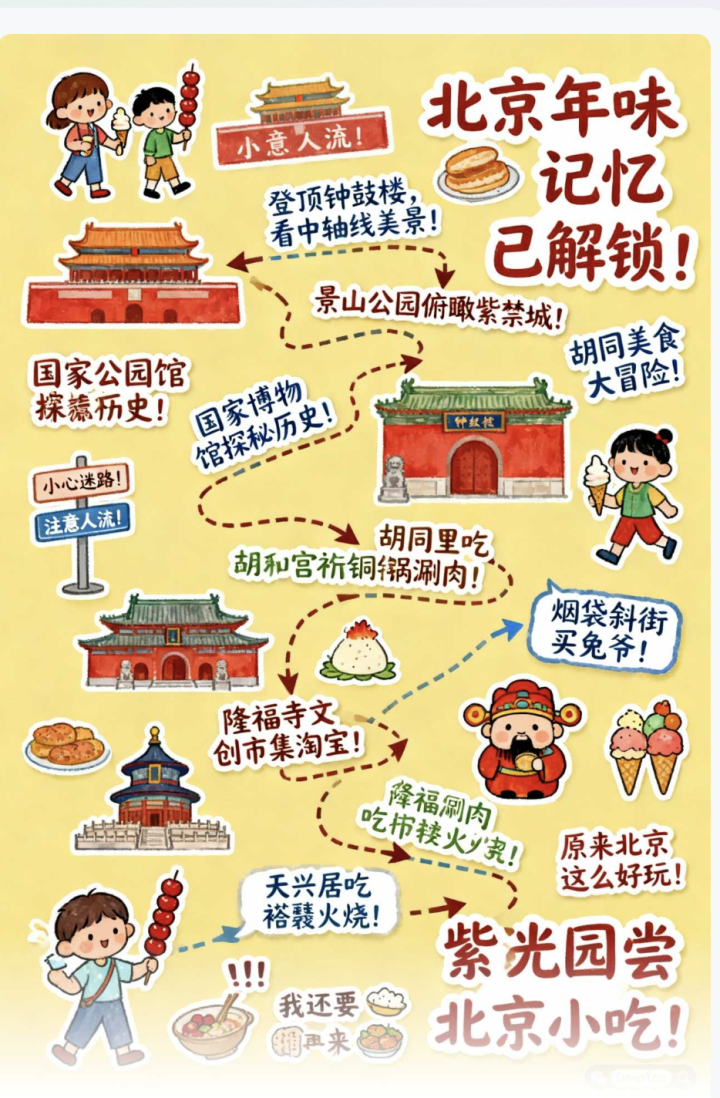
Core Viewpoint - The article discusses the revival of Qiongyou.com, a travel planning platform, and its relevance in the current travel landscape dominated by social media and short-form content platforms like Xiaohongshu. It highlights the nostalgia associated with traditional travel guides while questioning their practicality in today's fast-paced travel environment [4][16]. Group 1: Qiongyou.com's Revival - In September, Qiongyou.com announced the return of its travel app "Qiongyou Itinerary Assistant," which garnered attention from long-time users who reminisced about detailed travel guides from years past [4][6]. - The app's functionality is limited to generating travel itineraries based on user inputs, but it lacks modern features and relevant content for today's travelers, reflecting outdated travel trends [7][11]. Group 2: Comparison with Current Trends - The app's itinerary suggestions are described as overly simplistic and outdated, failing to include popular attractions that have emerged in recent years, indicating a disconnect with current travel preferences [9][11]. - Qiongyou.com faces competition not only from other travel platforms but also from local lifestyle apps that provide user-generated content and real-time reviews, making it difficult for traditional platforms to remain relevant [16][19]. Group 3: User Engagement and Content Creation - The decline in user-generated content (UGC) on Qiongyou.com since 2020 has significantly impacted its platform, as the lack of active travelers has led to a stagnation of fresh content [11][12]. - In contrast, modern travel apps like "Yuan Zhou Lvxing" leverage AI to create personalized itineraries, catering to the preferences of younger travelers and integrating social media content for a more dynamic user experience [17][19]. Group 4: Nostalgia vs. Modern Needs - Despite the nostalgia for traditional travel planning methods, the article suggests that the current generation of travelers may not require detailed itineraries, as they can easily access information online [21][26]. - The shift towards experiential travel, where the journey is more about exploration and personal connection rather than following a strict itinerary, reflects a broader change in travel philosophy [21][24].

无人在意的黄金周角落,穷游网“诈尸”了
Hu Xiu· 2025-10-09 00:12
Core Insights - The article discusses the return of Qiongyou.com’s travel app "Qiongyou Itinerary Assistant," which has sparked nostalgia among long-time users, highlighting the platform's historical significance in travel planning [1][7][12] - The app's outdated features and lack of modern travel trends raise questions about its relevance in today's travel landscape dominated by social media and user-generated content [3][9][13] Summary by Sections Qiongyou.com’s Revival - In September, Qiongyou.com announced the return of its travel app, attracting attention from veteran users who fondly remember its past contributions to travel planning [1][7] - The app's simplistic design and limited functionality reflect a bygone era of travel planning, lacking contemporary features that appeal to younger travelers [3][4] User Engagement and Market Position - The app's engagement on platforms like Xiaohongshu is minimal, indicating a disconnect with current travel trends that favor quick, visually-driven content [3][9] - Qiongyou.com faces stiff competition not only from content platforms like Xiaohongshu but also from local lifestyle apps that provide detailed location information and user reviews [13][20] Comparison with Modern Travel Apps - Modern travel planning apps, such as "Yuan Zhou Lvxing," offer features that cater to younger users, including integration with social media and collaborative itinerary planning [15][20] - The article emphasizes that while Qiongyou.com once thrived on user-generated content, the decline in active contributions since 2020 has left it struggling to remain relevant [7][9] Nostalgia vs. Practicality - Despite the nostalgia associated with Qiongyou.com, the article suggests that the demand for detailed travel guides has diminished in an era where information is readily available online [22][23] - The shift in travel philosophy emphasizes unique experiences over pre-planned itineraries, challenging the app's traditional model of travel planning [20][24] Conclusion on Industry Trends - The article concludes that while Qiongyou.com represents a nostalgic aspect of travel planning, the industry has evolved, and the need for comprehensive travel guides has changed significantly [27][22] - The rise of social media and user-generated content has transformed how travelers seek information, making traditional platforms like Qiongyou.com less relevant in the current market [26][27]

爆火的AI旅行,翻车了
创业邦· 2025-05-16 03:12
Core Viewpoint - The article discusses the challenges and limitations of AI travel planning tools, highlighting user experiences and the evolving landscape of AI in the travel industry [3][4][6]. Group 1: User Experiences with AI Travel Products - Users often find that AI-generated travel plans do not align with real-world conditions, leading to incomplete itineraries [3][4]. - Many users combine multiple AI tools for travel planning rather than relying on a single product, indicating a preference for a hybrid approach [7][8]. - Users express skepticism about the reliability of AI-generated travel quotes and often seek advice from human travel planners [8][15]. Group 2: Types of AI Travel Products - AI travel products can be categorized into four main types: chatbot products, traditional OTA-integrated tools, general AI products, and travel-specific applications [6]. - Popular chatbot tools include ChatGPT and DeepSeek, while traditional OTAs like Booking and Expedia have integrated AI features into their platforms [6]. - Travel-specific products such as Wanderboat and Mindtrip are gaining traction, reflecting a growing interest in AI-driven travel solutions [6][16]. Group 3: Market Dynamics and Challenges - The AI travel market is experiencing rapid consolidation, with larger companies acquiring smaller startups, indicating a competitive landscape [17][20]. - Despite the influx of new entrants, many startups face significant challenges, including financial sustainability and product reliability [17][20]. - Traditional OTA giants remain cautious about fully embracing AI, suggesting a divergence in perspectives between startups and established players [21][22]. Group 4: Entrepreneurial Landscape - The article highlights a diverse group of entrepreneurs in the AI travel space, many of whom have backgrounds in major tech companies [23][24]. - These entrepreneurs are motivated by the potential for innovation in addressing pain points within the travel industry [16][24]. - The article notes a tension between prioritizing product development versus community engagement, which could impact the long-term success of AI travel startups [26].