大众POLO

Search documents
有辆30指数2026年首月大涨近20%,折射春节前二手车需求强劲
Zhong Guo Qi Che Bao Wang· 2026-02-06 05:51
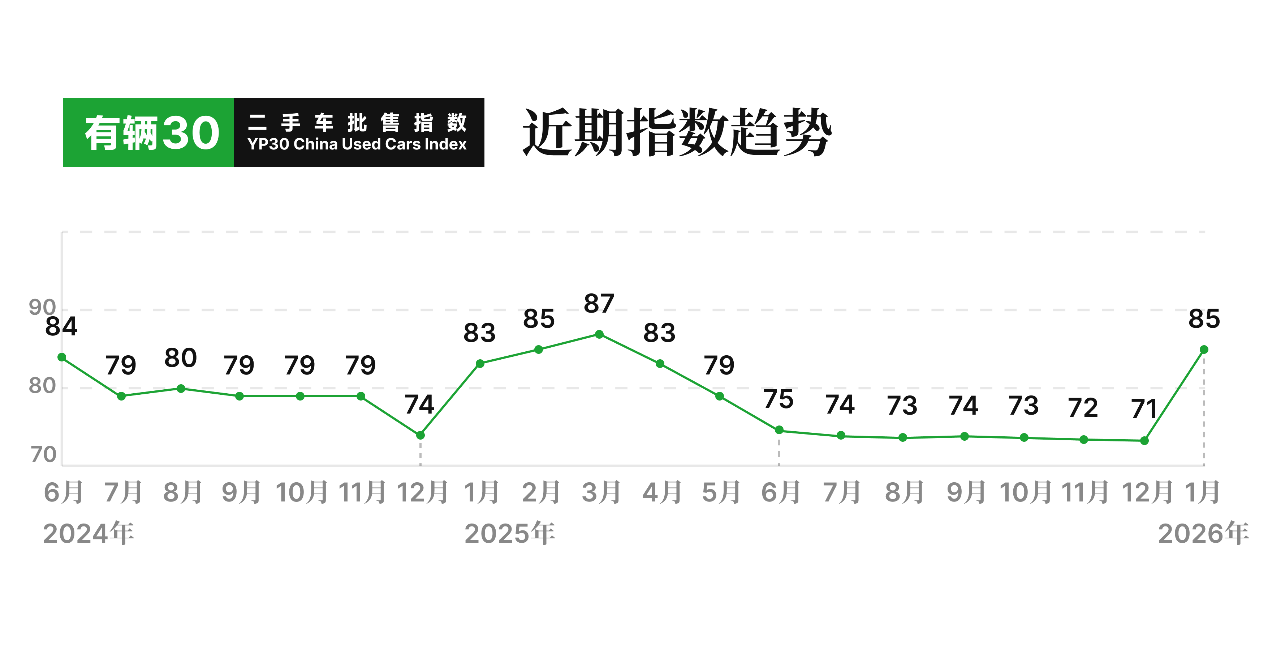
Core Insights - The "Youliang 30 Used Car Wholesale Index" recorded a significant increase of 19.7% month-on-month in January 2026, reaching 85 points, driven by strong demand in the automotive consumption market before the Spring Festival, marking the largest monthly increase since its inception [1] - The index now includes a complete list of 30 benchmark models, enhancing its transparency and market reference value, providing a clearer and more credible quantitative framework for observing the dynamics of the Chinese used car market [1][2] Index Composition - The 30 benchmark models represent high liquidity and typical market indicators across various segments, covering brands from China, the US, Germany, and Japan, aimed at reflecting the overall trends in the Chinese used car market [2] - Notable models include Chinese brands like Great Wall Haval H6 and BYD Song, German brands like Volkswagen Golf and BMW 3 Series, Japanese brands like Honda CR-V and Toyota RAV4, and American brands like Tesla Model Y and Buick GL8 [2] Market Trends - The index data for January 2026 reveals a profound structural adjustment beneath the overall market prosperity, with mid-to-large vehicles experiencing a price increase of 27.1% year-on-year, significantly higher than the average market increase of 11.1% for compact cars [4] - Chinese brands led the market with a year-on-year price increase of 36.9%, reflecting advancements in technology, product strength, and market recognition, while German brands maintained a robust 34.6% increase [7] - In contrast, Korean and French brands faced declines of 9.0% and 13.8% respectively, indicating challenges in market share and brand influence [7] Vehicle Type Dynamics - The market has seen a notable shift in demand, with MPV prices soaring by 35.7%, becoming the fastest-growing category, while traditional SUV prices saw a modest increase of 3.2% and sedans increased by 18.6% [10] Circulation and Transactions - The liquidity of used car sources in China continues to rise, with total used car transactions in 2026 surpassing 20 million units, reaching 20.108 million, a year-on-year increase of 2.52%, and an increasing proportion of interprovincial transactions [13] - The "Youliang 30 Index" provides innovative analysis on interprovincial circulation, with Sichuan province entering the top 5 in interprovincial procurement in January 2026 [13] Index Value and Macro Significance - The "Youliang 30 Index" serves as a quantifiable and traceable "data dashboard" for industry governance and market fluctuation assessment, helping relevant departments gauge the true structure of the current consumption market and consumer confidence levels [22] - The index's monthly data series creates a dynamic price map, allowing for scientific measurement and analysis of the impact of policies like "trade-in" on the circulation segment [22] - The transparency and standardization of the "Youliang 30 Index" respond to national requirements for market data element commercialization and the establishment of a high-standard market system, facilitating the transition of the used car industry from a traditional "experience-driven" model to a "data-driven" modernized development phase [22]

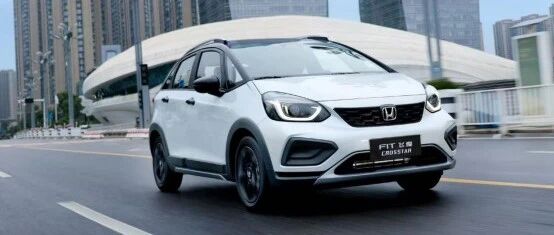
谁在中国市场“杀死”这款本田神车
首席商业评论· 2025-11-24 04:10
Core Viewpoint - The article discusses the decline of Honda Fit (飞度) in the Chinese automotive market, highlighting its once-popular status and current struggles against the rise of electric vehicles and changing consumer preferences [5][12]. Group 1: Market Performance - In October, Honda Fit ranked third in the fuel small car market, but the sales figures were disappointing, with only 3 units sold that month [5][7]. - The sales of Honda Fit have been declining for over a year, with only 695 units sold in October of the previous year, which is just 1/74 of the sales of BYD Seagull [7]. - The brand is reportedly in a phase of inventory clearance and awaiting the launch of a new model, with no confirmed release date [7][13]. Group 2: Historical Context - Honda Fit was once a market leader in China, known for its fuel efficiency, spaciousness, and affordability, with sales exceeding 100,000 units annually from 2015 to 2019 [9]. - The car's three-year resale value remains high at 63.95%, significantly above competitors, particularly in cities like Guangzhou and Shenzhen where it approaches 70% [9]. Group 3: Cultural Significance - Honda Fit represented a cultural phenomenon in the automotive world, known for its practicality and adaptability for modifications, appealing to a generation of car enthusiasts [10]. - The car's design allowed for extensive customization, fostering a robust aftermarket industry that supported various modifications [10]. Group 4: Competitive Landscape - The rise of electric vehicles has diminished Honda Fit's competitive edge, as electric models offer superior cost efficiency and advanced technology features that Fit lacks [12]. - The starting price of Honda Fit at 86,800 yuan does not provide a competitive advantage, especially when compared to newer models with better technology [12][13]. Group 5: Future Outlook - Despite attempts to revitalize the brand with a new design, market feedback suggests that the changes may not be sufficient to regain consumer interest [13]. - The article concludes that Honda Fit may have fulfilled its historical role in the market and is at risk of becoming obsolete in the face of evolving consumer demands and the dominance of domestic electric vehicles [12][13].

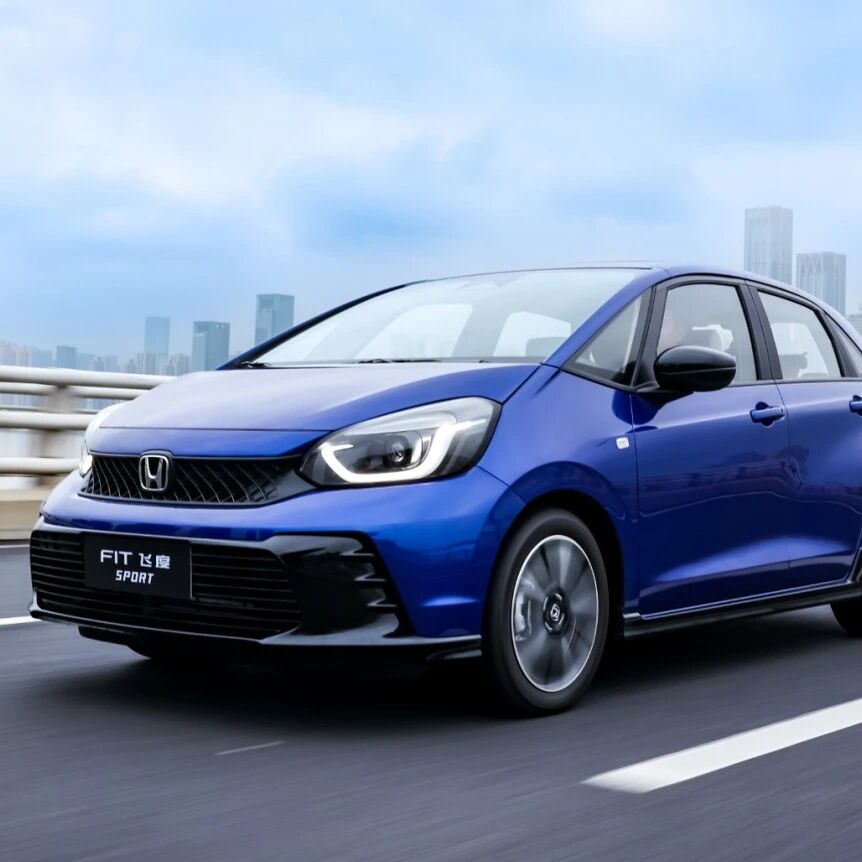
谁在中国市场“杀死”这款本田神车
创业邦· 2025-11-22 10:09
Core Viewpoint - The Honda Fit, once a popular model in the Chinese market, has seen a dramatic decline in sales, with October sales dropping to just 3 units, highlighting the collapse of the fuel small car market and the shift towards electric vehicles [5][7][14]. Sales Performance - In October, Honda Fit ranked third in the fuel small car market, but the top three models had sales figures below double digits, indicating a significant downturn [5]. - The sales of Honda Fit have been declining for over a year, with only 695 units sold in October last year, and sales further plummeting to double digits and then single digits in the latter half of this year [7][14]. - The forecast for 2024 suggests that Honda Fit's annual sales may drop to 14,000 units, a significant decrease from previous years [14]. Market Position and Consumer Sentiment - The Honda Fit was once celebrated for its fuel efficiency, spaciousness, and practicality, appealing to young consumers with a price point around 100,000 yuan and fuel consumption as low as 5L per 100km [8]. - The model's high resale value, with a three-year depreciation rate of 63.95%, has made it a "hard currency" in the used car market [8][9]. - However, the current generation of consumers is less interested in the Honda Fit, which has lost its appeal and market presence [5][14]. Competitive Landscape - The rise of electric vehicles has diminished the competitive edge of the Honda Fit, as electric models offer superior cost efficiency and advanced technology features [13][14]. - Competing models like Geely's Xingyuan and BYD's Seagull are equipped with advanced smart driving systems, while the Honda Fit lacks technological innovations and modern interior design [14]. - The Honda Fit's starting price of 86,800 yuan does not provide a competitive advantage, especially as it lacks standout features compared to its rivals [14]. Future Outlook - Honda is attempting to revitalize the Fit with a new model featuring significant design changes, but market feedback suggests that this may not be sufficient to regain consumer interest [15]. - The increasing dominance of domestic electric vehicles poses a significant challenge for the Honda Fit, which may soon be regarded as a relic of the past [15].

谁在中国市场“杀死”这款本田神车
凤凰网财经· 2025-11-21 03:09
Core Viewpoint - The Honda Fit, once a popular model in the Chinese market, has seen a significant decline in sales, with October figures showing only 3 units sold, reflecting a broader collapse in the fuel small car market [1][2][9]. Group 1: Sales Performance - The Honda Fit's sales have been declining for over a year, with only 695 units sold in October 2022, which is just 1/74 of the sales of BYD Seagull [2]. - In the second half of this year, sales have dropped to double digits and are now approaching single digits [2]. - The Fit's sales in 2023 are projected to be over 50,000 units, but a drastic drop to 14,000 units is expected in the following year [9]. Group 2: Market Position and Competition - The Honda Fit was once a market leader due to its fuel efficiency, spaciousness, and affordability, appealing particularly to young consumers [3][4]. - The model's three-year resale value remains high at 63.95%, significantly above competitors, especially in cities like Guangzhou and Shenzhen where it approaches 70% [4]. - However, the rise of electric vehicles has diminished the Fit's competitive edge, as electric models offer superior cost efficiency and advanced technology features [9][10]. Group 3: Cultural Impact and Modifications - The Honda Fit has historically represented a culture of practicality and customization, with a robust aftermarket for modifications due to its versatile design [7]. - It has been a gateway for many enthusiasts into car culture, emphasizing the joy of driving and personalizing vehicles [7]. Group 4: Future Outlook - The company is attempting to revitalize the Fit with a new model featuring significant design changes, but market feedback suggests that this may not be sufficient to regain consumer interest [10]. - The competitive landscape is increasingly dominated by domestic electric vehicles, which poses a significant challenge for the Fit's revival [10].