彪马

Search documents
安踏集团全球零售总部,竣工倒计时,再启新程蓄势待发!
Sou Hu Cai Jing· 2026-02-15 20:12
Core Insights - Anta has emerged as the third-largest sports brand globally, following Nike and Adidas, marking a significant shift in the industry landscape [1] Group 1: Company Overview - Anta, originating from Jinjiang, Fujian, has expanded its portfolio to include brands like FILA, Descente, and Arc'teryx, dominating both retail spaces and outdoor equipment markets [3] - The company has invested heavily in a new global retail headquarters in Shanghai, strategically located near the National Exhibition and Convention Center [3][9] Group 2: Headquarters Design and Functionality - The headquarters features a unique design by NBBJ, embodying Anta's brand spirit of "never stop" with a core concept of "healthy work, ten thousand steps connected" [5] - The main building is designed in the shape of a "track," with a circular walking path on each floor, promoting an active work environment [5][7] - The complex includes multiple buildings serving different functions: a flagship store, office spaces for global retail teams, and a boutique hotel for business partners [7][9] Group 3: Strategic Growth and Acquisitions - Anta's growth strategy has involved significant acquisitions, including the purchase of FILA's China operations in 2009 and the €46.6 billion acquisition of Amer Sports in 2019 [14][16] - Recently, Anta announced a €1.5 billion acquisition of a 29.06% stake in Puma, becoming its largest single shareholder, further expanding its brand portfolio [16] - The company's revenue reached 70.826 billion yuan in 2024, with the overall scale surpassing 100 billion yuan for the first time, making it the third sports goods group to achieve this milestone [16] Group 4: Market Expansion and Brand Positioning - Anta is rapidly expanding its global store network, particularly in Southeast Asia, with plans to open over 1,000 stores in the next three years [16] - The company's overseas business revenue saw a year-on-year increase of over 150% in the first half of 2025, reflecting its aggressive market penetration strategy [16] - Anta has risen to the fourth position in the global brand value rankings, showcasing its growing influence in the sportswear industry [16]


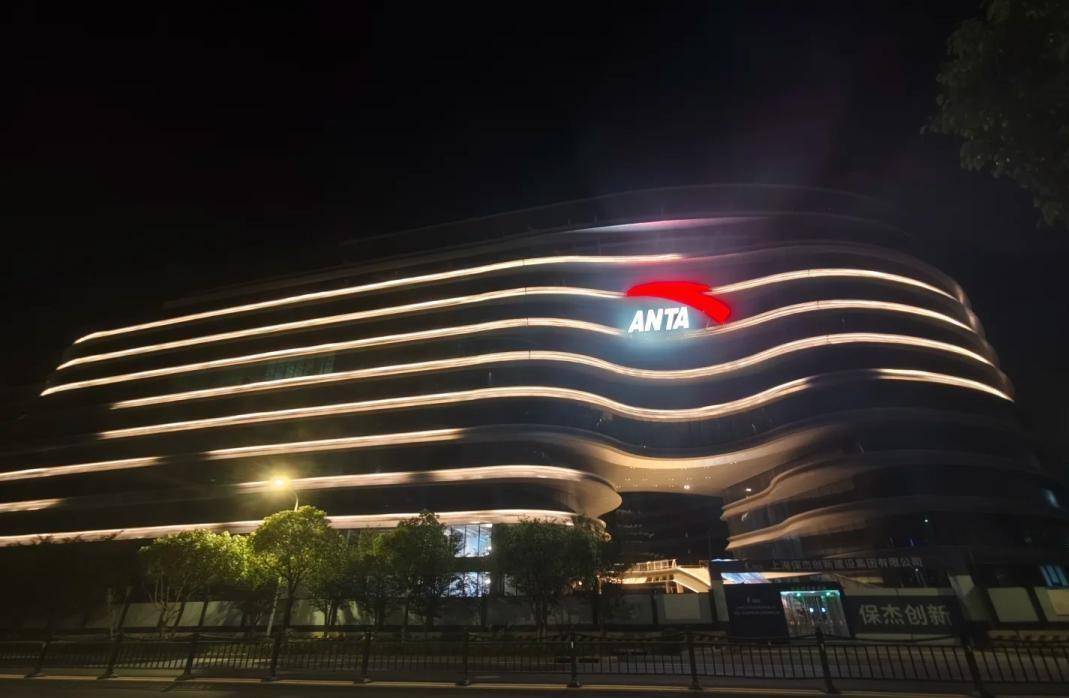
安踏集团收购彪马29.06%股权
Xin Lang Cai Jing· 2026-01-27 23:07
Group 1 - Anta Group has reached an agreement with Groupe Artémis to acquire 29.06% of Puma SE for a cash consideration of €1.5 billion, marking a significant step in its global strategy [1] - The transaction is expected to be completed by the end of 2026, with funding sourced entirely from Anta Group's cash reserves [1] - Anta Group's Chairman, Ding Shizhong, emphasized that becoming the largest shareholder of Puma is a milestone in the company's "single focus, multi-brand, globalization" development strategy [1] Group 2 - Anta Group has been expanding its global footprint by incorporating brands such as Fila, Arc'teryx, Salomon, and The North Face, creating a multi-brand matrix covering professional sports, fashion sports, and outdoor sports [1] - The latest data indicates that Anta Group's total revenue is projected to exceed 70 billion yuan by 2025, with Fila achieving mid-single-digit growth [1] - Other brands in the matrix, such as DESCENTE and KOLON SPORT, have shown remarkable performance, with retail sales growth of 45% to 50% last year [1]
买遍全球!安踏斥资15亿欧元收购彪马29.06%股权
Shen Zhen Shang Bao· 2026-01-27 10:21
Group 1 - Anta Sports announced plans to acquire a 29.06% stake in Puma SE for €1.506 billion (approximately ¥12.278 billion), involving 43.01 million shares at €35 per share, making Anta the largest shareholder of Puma after the transaction [1][3] - The acquisition is part of Anta's strategy to enhance its global market position and brand recognition, aiming to strengthen its international competitiveness [3] - The deal is expected to be completed by the end of 2026, pending regulatory approvals and fulfillment of closing conditions, with funding sourced entirely from Anta's internal cash reserves [3] Group 2 - Puma generates approximately 80% of its revenue from high-consumption markets in Europe, the Americas, and the Middle East, making this acquisition a strategic move for Anta to penetrate the global high-end market and expand international channels [8] - Anta has built a brand matrix through continuous acquisitions, owning brands like FILA and Descente, and has established itself as a leading domestic sports brand, surpassing Li Ning [8] - Despite rapid expansion through acquisitions, Anta faces challenges in brand integration and management culture conflicts, with a focus on marketing to drive new brand growth, raising concerns about long-term brand value and sustainable operations [8][9] Group 3 - Analysts believe that acquiring Puma's stake will help Anta gain access to established international markets and brand influence, particularly in the European and American sports fashion sectors [9] - The core management challenge for Anta will be to coordinate its numerous brands, avoid internal competition, and integrate global supply chains and marketing resources [9] - The effectiveness of Anta's "buy global" strategy in transforming into sustainable global competitiveness remains to be seen, especially in the context of increasing competition in the global sports goods market and diverse consumer preferences [9]
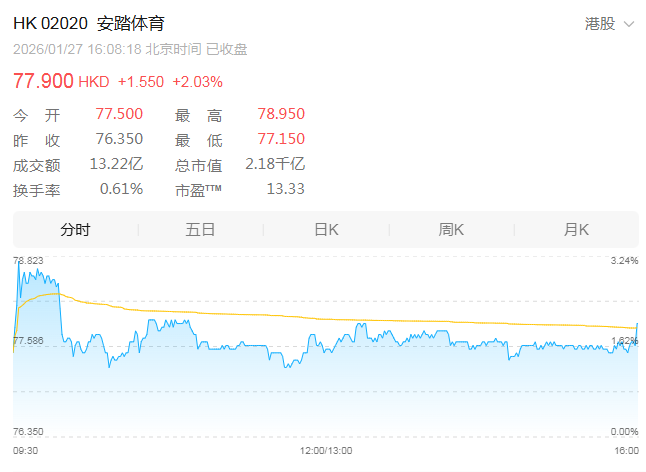
安踏15亿欧元战略收购彪马29.06%股权,生态出海定义全球化新范式
Zhi Tong Cai Jing· 2026-01-27 07:16
Core Viewpoint - Anta Sports Products Limited has announced a strategic agreement to acquire a 29.06% stake in Puma SE for €1.5 billion, becoming its largest shareholder, marking a significant step in the globalization of Chinese sports brands [1][2]. Group 1: Strategic Investment and Globalization - The acquisition aligns with Anta's core strategy of "single focus, multi-brand, globalization," enhancing resource collaboration and value creation between Anta and Puma [2][10]. - This partnership is seen as a milestone for the globalization of the Chinese sports industry, transitioning from "brand going global" to "ecosystem going global" [2][10]. Group 2: Historical Context and Growth Strategy - Anta's globalization strategy consists of three phases: establishing international brands in China, managing global brands, and promoting Chinese brands internationally [3][4]. - The acquisition of the FILA brand in 2009 marked the beginning of Anta's multi-brand strategy, which has since proven successful, with FILA generating over ¥26.63 billion in revenue by 2024 [3][4]. Group 3: Operational Synergies and Market Expansion - The partnership with Puma will allow Anta to leverage Puma's established channels in mature markets while providing Puma with Anta's local operational expertise and digital capabilities [2][8]. - Anta's strategy includes a "three-year thousand stores plan" in Southeast Asia and the opening of flagship stores in North America, indicating aggressive market expansion [4][7]. Group 4: Core Competencies and Management Philosophy - Anta's success is underpinned by three core capabilities: multi-brand collaborative management, multi-brand retail operation, and global resource integration [8][9]. - The company employs a "consensus over control" strategy in managing acquisitions, respecting the existing management structures of acquired brands while injecting efficiency and strategic planning [10][11]. Group 5: Impact on Global Industry Landscape - The acquisition is expected to disrupt the existing duopoly of Nike and Adidas in the global sports market, potentially leading to a "three-legged" competitive landscape [11][12]. - Anta's approach to globalization emphasizes the importance of cultural respect and mutual empowerment, setting a new paradigm for Chinese enterprises in the global market [10][12].
加速全球化并购,安踏集团15亿欧元收购彪马29.06%股权
Di Yi Cai Jing· 2026-01-27 02:33
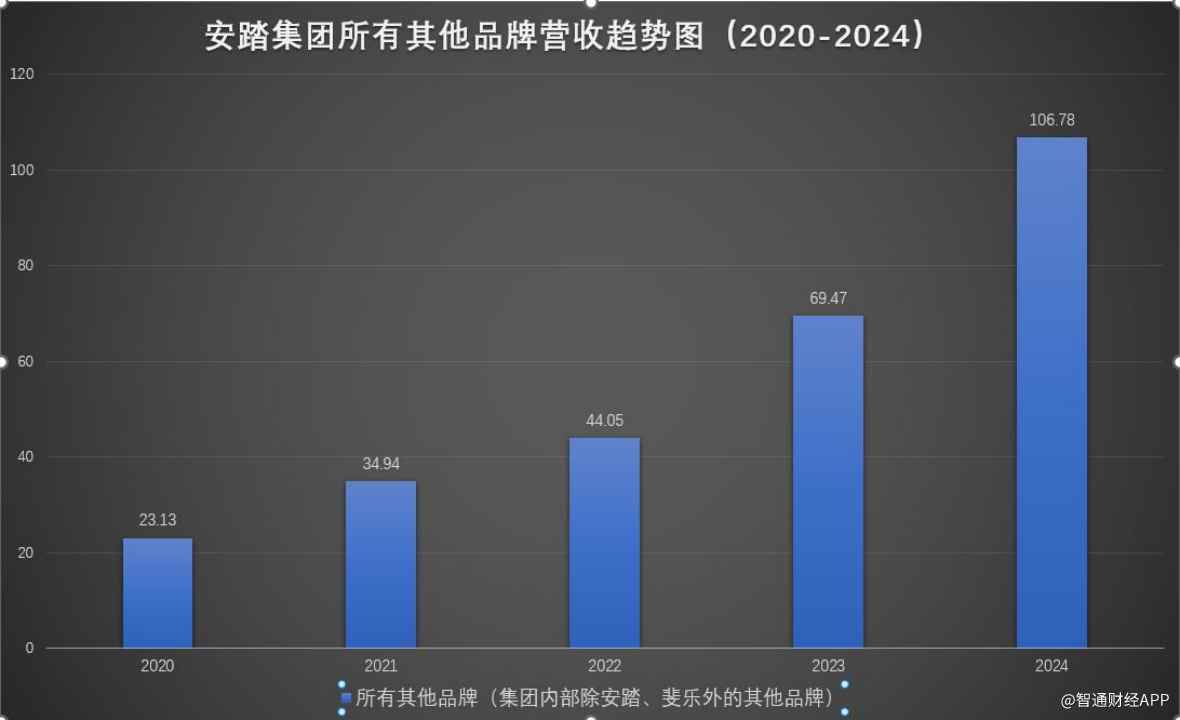
Core Viewpoint - Anta Sports Products Limited has finalized a significant acquisition by agreeing to purchase 29.06% of Puma SE from Groupe Artémis for €1.5 billion (approximately ¥12.39 billion), marking a strategic step in its globalization efforts [2] Group 1: Acquisition Details - The acquisition is expected to enhance Anta's influence, visibility, and competitiveness in the global sports goods market [2] - The transaction is anticipated to be completed by the end of 2026, pending regulatory approvals and customary closing conditions [2] - The funding for the acquisition will come entirely from Anta's internal cash reserves [2] Group 2: Strategic Importance - Anta's Chairman, Ding Shizhong, emphasized that becoming the largest shareholder of Puma is a milestone in the company's "single focus, multi-brand, globalization" strategy [2] - The acquisition is expected to facilitate mutual learning and experience sharing between Anta and Puma, thereby enhancing brand potential and contributing to the global sports industry, including the Chinese market [2] Group 3: Historical Context and Future Plans - Anta has a history of acquisitions, including the purchase of FILA in 2009, DESCENTE in 2016, and Amer Sports in 2019, which have all contributed to its multi-brand strategy [3] - The combined global revenue of Anta, Amer Sports, and Puma is projected to approach that of Adidas [3] - Anta's previous acquisitions have faced challenges, such as the initial financial struggles of FILA, which required five years to become profitable [4]
业绩下滑,宝胜国际等运动品牌代理商如何自救
Di Yi Cai Jing· 2025-08-04 10:31
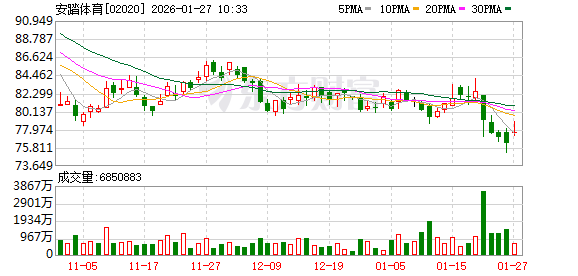
Core Viewpoint - Traditional sports brand distributors are facing significant challenges due to the dual pressures of direct retail and e-commerce, leading to declining sales and profitability [1][2][3] Group 1: Company Performance - Baosheng International (03813.HK) reported a projected revenue of approximately RMB 91.59 billion for the six months ending June 30, 2025, a decrease of about 8.3% year-on-year, with a profit attributable to shareholders of approximately RMB 1.88 billion, down 44.1% [1] - For the fiscal year 2024, Baosheng International's revenue was approximately RMB 184.54 billion, a decline of 8% year-on-year, while profit attributable to shareholders increased by 0.2% to RMB 4.91 billion [1] - Tmall (06110.HK) announced a total revenue decline of 6.64% to RMB 270.13 billion for the fiscal year 2024/25, with net profit dropping by 41.89% to RMB 12.86 billion [2] Group 2: Market Challenges - Both Baosheng International and Tmall are experiencing store closures, attributed to their reliance on traditional distribution channels, which are becoming less viable in a rapidly changing market [2] - The shift in strategy from some international brands towards direct retail and factory outlet stores has further squeezed the margins and customer base of traditional distributors [2] Group 3: Strategic Adjustments - Baosheng International has begun to seek transformation by partnering with new brands, such as Dynafit and XEXYMIX, to diversify its offerings and enter new market segments like yoga apparel and outdoor sports [3] - Tmall is also pursuing diversification by introducing partnerships with niche brands like norda and Mitchell & Ness, as well as outdoor brands like Norrøna [3] - Despite these efforts, the new brands lack the recognition and market scale of established names like Nike and Adidas, posing a challenge for growth [3] Group 4: Market Dynamics - The commercial real estate sector is witnessing a surge in international sports brands opening new stores in China, indicating a competitive landscape where new brands are eager to establish a presence in high-end commercial projects [4]