征程家族芯片

Search documents
城区辅助驾驶下探至十万级,规模化拐点将至
Guan Cha Zhe Wang· 2025-12-11 13:29
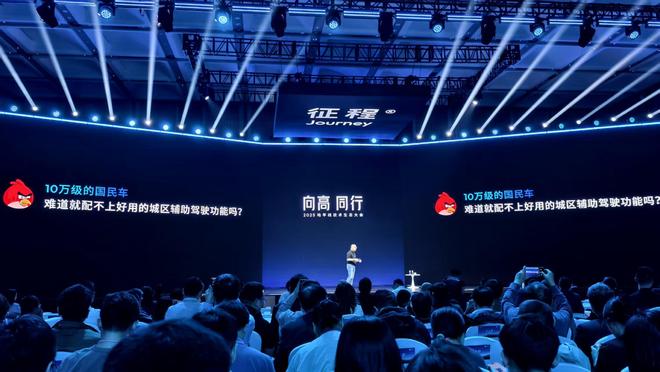
Core Insights - Horizon's unique advantage lies in its "ecosystem" that spans both hardware and software, aiming to make advanced driver assistance systems (ADAS) accessible to a broader market [1][12][20] - The company plans to introduce a city driving assistance solution priced for vehicles in the 100,000 RMB range, targeting mass-market adoption [2][5] Group 1: Market Positioning - Currently, only three models in the 100,000 to 150,000 RMB range support city driving assistance, with two of them utilizing Horizon's HSD solution [2] - Horizon's strategy is to transition high-level ADAS from a technology breakthrough to widespread availability, positioning it as the "automatic transmission of the new era" [2][5] Group 2: Technological Development - Horizon's HSD 600 solution, based on the J6P chip with 560 TOPS, is already in mass production for models priced between 130,000 and 150,000 RMB [7] - The upcoming HSD 300 solution, utilizing two J6M chips with 128 TOPS each, aims to further reduce costs while maintaining city driving assistance capabilities [7][8] Group 3: Industry Dynamics - The automotive market may undergo significant changes if Horizon's HSD systems become prevalent in vehicles priced below 200,000 RMB, as this could democratize access to advanced driving technologies [9] - The transition from highway to city NOA (Navigation on Autopilot) presents challenges for many automakers, requiring substantial investments in data centers and model training [10] Group 4: Collaboration and Ecosystem - Horizon is shifting from a hardware-centric model to a more collaborative approach, offering its HSD Together model to partners, which includes sharing AI technology and model services [12][13] - The company has already partnered with various firms, including a joint venture with Volkswagen, to enhance its ecosystem and expand its market reach [14] Group 5: Broader Applications - Horizon is also expanding into the robotics sector, becoming a major computing platform for consumer robots, which complements its automotive initiatives [16][20] - The company's dual focus on automotive and robotics ecosystems positions it as a foundational capability provider rather than just a chip supplier [20][22]

星途汽车借地平线技术反攻,高阶智驾战火烧至15万级市场
Jing Ji Guan Cha Wang· 2025-12-01 13:58
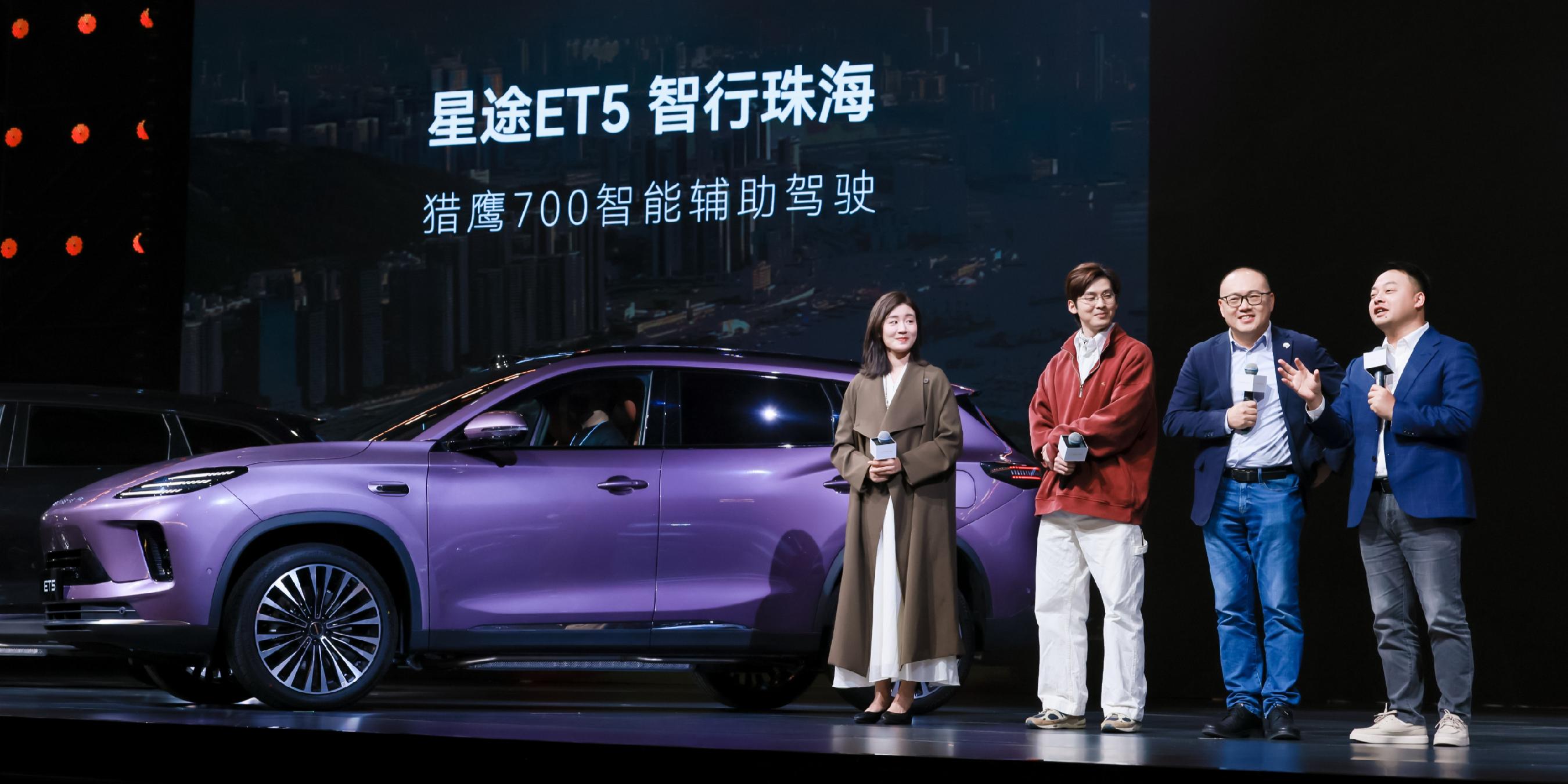
Core Insights - The launch of the Xpeng ET5 marks a significant strategic move for the company, aiming to enhance its market presence in the competitive domestic automotive sector [2][3] - The ET5 is positioned in the 150,000 to 160,000 yuan price range, with promotional subsidies bringing the effective price down to between 134,900 and 149,900 yuan, making it an attractive option in the mid-sized SUV market [2][5] Product Features - The Xpeng ET5 introduces advanced driver assistance technology, including the Falcon 700 system and Horizon HSD and Journey 6P chips, claiming to offer a true end-to-end architecture for intelligent driving [3] - The vehicle features a high-quality cabin, impressive energy efficiency, and robust safety measures, aiming to create a well-rounded product without significant weaknesses [3][4] Market Response - Initial market feedback appears positive, with 5,000 units locked in within three hours of the launch, equivalent to approximately half a month's sales for the company [5] - The 150,000 yuan market segment is highly competitive, with other brands like Chery's Fengyun and Jietu also targeting this price range, raising concerns about potential internal competition [5]
毫末智行突曝停工,智驾自研走不通,“地大华魔”四巨头要赢麻?
3 6 Ke· 2025-11-24 23:30
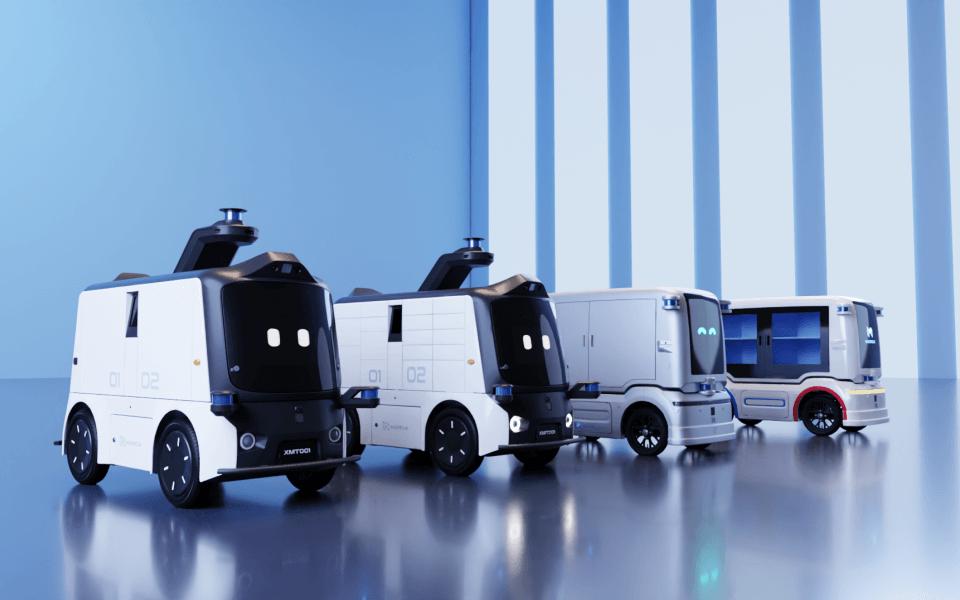
Core Insights - The news highlights the operational halt of the autonomous driving company, Haomo Zhixing, effective November 24, with no clear explanation from the leadership, indicating severe internal issues and a lack of communication [1] - Haomo Zhixing's struggles have been attributed to both internal challenges and external pressures, particularly the rapid evolution of technology in the autonomous driving sector [3][5] - The company, which was once seen as a promising player in the industry, has faced significant setbacks, including high-profile executive departures and a failure to keep pace with technological advancements [7][10] Internal Challenges - Haomo Zhixing's technology foundation was based on outdated models, which became a liability as the industry shifted towards new paradigms driven by large models and data-centric approaches [5][8] - The company struggled to adapt to the new technological landscape, facing obstacles in data acquisition, computational power, talent retention, and organizational agility [5][8] - A significant portion of Haomo's orders came from its parent company, Great Wall Motors, and a reduction in these orders led to a critical loss of data necessary for algorithm development [7][10] External Pressures - The competitive landscape has evolved, with rivals like Momenta, Huawei, and Horizon Robotics establishing strong positions through early investments in data ecosystems and technological innovations [5][14] - Great Wall Motors has shifted its strategy, moving away from self-reliance in autonomous driving technology and opting to collaborate with established third-party suppliers [8][11] - The market is rapidly changing, with expectations that by the end of 2025, advanced driver-assistance systems will become standard in vehicles, putting pressure on companies like Haomo to adapt quickly or risk obsolescence [13][19] Industry Trends - The autonomous driving sector is consolidating around a few key players, referred to as "地大华魔" (Horizon, DJI, Huawei, and Momenta), who have demonstrated the ability to deliver scalable and effective solutions [14][19] - Traditional automakers are increasingly recognizing the limitations of in-house development and are turning to partnerships with specialized technology firms to remain competitive [19][20] - The urgency for automakers to establish reliable partnerships and integrate advanced technologies is underscored by the impending market shifts expected by 2026, where failure to adapt could lead to exclusion from the mainstream market [19][20]
国产车芯,不惧“安世之乱”
3 6 Ke· 2025-11-17 10:33
Group 1: Company Updates - Ansem Semiconductor welcomes the U.S. authorities' decision to suspend the "penetration rule" for one year, which could have impacted its operations as a subsidiary of Wingtech Technology [1] - Ansem has had to suspend direct wafer supply to its factories in China since October 29, while operations in Europe and other regions continue normally [1] - Honda is adjusting its strategy to manage existing parts amid ongoing semiconductor supply chain issues affecting the automotive industry [1][2] Group 2: Automotive Industry Insights - The automotive industry has faced multiple production disruptions due to natural disasters and supply chain issues, highlighting the importance of supply chain stability [2] - China's automotive production and sales are projected to reach 31.28 million and 31.43 million units in 2024, with a year-on-year growth of 3.7% and 4.5% respectively [3] - The penetration rate of new energy vehicles in China is expected to exceed 40%, providing significant market demand for automotive chip manufacturers [3] Group 3: Semiconductor Market Developments - Domestic automotive chip production is accelerating, with a high import ratio still present in the automotive chip market [4] - Horizon Robotics announced that its chip family has surpassed 10 million units in production, indicating a strong growth trajectory in the SoC segment [5] - Black Sesame Technologies has successfully integrated its A1000 chip into multiple vehicle models, with plans for further production in 2025 [5][6] Group 4: MCU and Power Device Trends - The automotive MCU market is expected to exceed 100 billion by 2029, with domestic MCU production rapidly increasing [7] - Chip manufacturers like Chipone Technology and GigaDevice have reported significant milestones in MCU and SoC product lines, indicating robust growth in the automotive electronics sector [7] - Power devices are becoming increasingly critical in hybrid and electric vehicles, with domestic manufacturers like Silan Microelectronics gaining market share [11][12] Group 5: Industry Challenges and Future Outlook - The automotive semiconductor industry faces challenges in high-end product capacity, while domestic brands are covering mid-to-low-end products [8] - The Chinese automotive semiconductor market is expected to grow, but collaboration among automakers, Tier 1 suppliers, and chip manufacturers is essential for a complete development model [14] - The future of the semiconductor supply chain will require a shift from linear models to collaborative networks among various stakeholders [14][15]


地平线机器人近期连获大行增持评级,已经成为全球智驾行业不可忽视的力量
Cai Fu Zai Xian· 2025-10-20 07:36
Core Insights - The domestic intelligent driving industry is gaining significant attention due to recent dual listings and supportive policies, with Horizon Robotics (9660.HK) being a key player [1] Group 1: Company Developments - Horizon Robotics has successfully delivered Bosch's mid-level intelligent driving system based on its Journey 6E/M chip, achieving mass production for multiple car models from various manufacturers [2] - The Journey family of chips has surpassed 10 million units shipped and has secured partnerships with over 20 automotive brands, with an expected output of several million units by 2025 [2] - Horizon's newly launched Horizon SuperDrive (HSD) system has been recognized as "China's version of FSD," with over 10 models already designated for production [3] Group 2: Strategic Partnerships - Horizon Robotics signed a strategic cooperation agreement with Hello to develop low-cost, high-safety intelligent driving technology for Robotaxi operations, marking a significant step in enhancing its technology capabilities across L2 to L4 scenarios [2][3] Group 3: Market Position and Future Outlook - Horizon Robotics is increasingly recognized as a "technology infrastructure platform builder," with major investment banks acknowledging its potential benefits from the acceleration of autonomous driving adoption [4] - Recent reports indicate that the global L2+ intelligent driving market is expected to grow at a compound annual growth rate of 8% over the next decade, with Horizon and Huawei projected to capture 50% of the Chinese market share [5]

地平线在“2025凤凰之星上市公司评选”中获“最佳IPO公司”奖
Zheng Quan Ri Bao Wang· 2025-09-24 13:16
Core Insights - Horizon Robotics-W won the "Best IPO Company" award at the "2025 Phoenix Star Listed Company Selection," highlighting its strong performance post-IPO and effective market capitalization management [1] - The company successfully listed on the Hong Kong Stock Exchange in October 2024, marking the largest tech IPO in the Hong Kong market in three years, with its market value increasing by over 200% within a year [1] - The award reflects the market's recognition of Horizon's business model and its transition from "scale realization" to "full-scenario expansion" in the intelligent driving industry [1][2] Company Performance - Horizon's self-research strategy integrating hardware and software has led to significant breakthroughs, with over 10 million units shipped from the Journey family and successful mass production of the HSD urban auxiliary driving system [2] - The company holds a 32.4% market share in China's autonomous driving computing solutions market, maintaining its position as the leader [2] - Horizon has empowered seven major domestic brands, with over 25 models "going global," and established production partnerships with several foreign and joint venture brands [2] Industry Outlook - UBS predicts that by the mid-2030s, China's Robotaxi market will reach $183 billion, with over 4 million Robotaxis expected to operate nationwide [3] - Horizon is positioned as a key player in the transition from "product shipment" to "platform output," influencing the platform development of the intelligent driving industry [3] - The recognition as "Best IPO Company" signifies confidence in Horizon's current capabilities and future growth potential in the capital market [3]
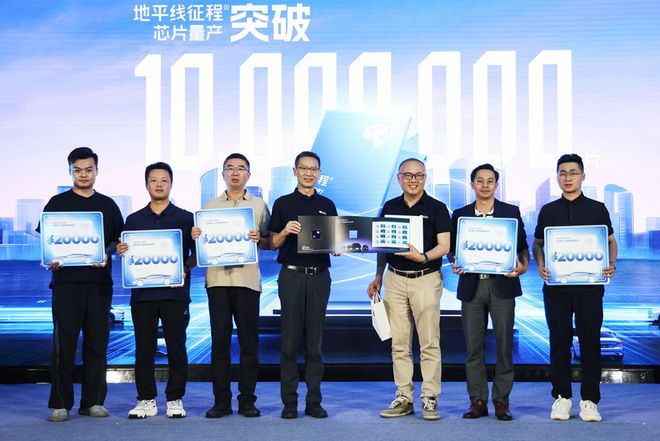
地平线征程芯片量产出货突破1000万套
Guan Cha Zhe Wang· 2025-09-02 03:48
Group 1 - Horizon has launched the "Horizon Journey 10 Million Production Witness Ceremony" at the Chengdu International Auto Show, aiming to achieve over 10 million units of the Journey family chips by August 2025 [1] - The company has established partnerships with over 40 global automotive manufacturers, including China's top ten car companies, enabling over 400 vehicle models and serving more than 6 million users [3] - The Journey 6 series, set to begin mass production in 2025, is developed on the new BPU Nash architecture, covering a computing power range of 10-560 TOPS, catering to L2 to full-scene urban driving assistance needs [3] Group 2 - The high-performance flagship Journey 6P has a computing power of 560 TOPS, and the HSD urban driving assistance system is based on a one-stage end-to-end architecture with reinforcement learning capabilities [4] - The HSD system has already secured partnerships with over 10 vehicle models from various manufacturers, with the first collaboration model, the Starway ET5, set to be mass-produced in November 2025 [4] - The achievement of over 10 million units in production marks a new phase for China's intelligent driving industry, transitioning from the initial stage to large-scale commercialization and ecosystem collaboration [5]