成人玩具

Search documents
“眼神给出去”:天价“性商课”丢了什么底线?
Xin Lang Cai Jing· 2026-01-24 17:24
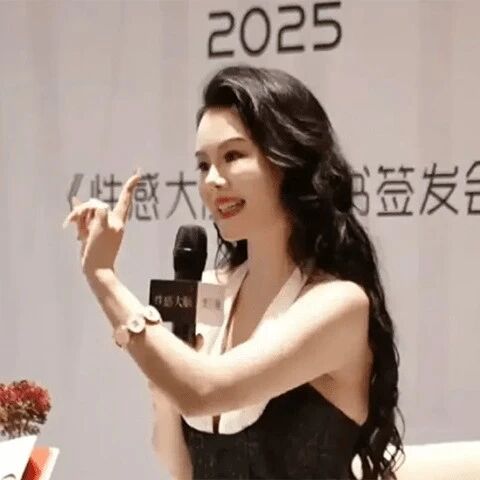
Core Viewpoint - The rise of controversial "sexual commerce education" courses, led by influencer Zhou Yuan, has sparked widespread debate and regulatory scrutiny in China, highlighting the blurred lines between emotional education and soft pornography [2][7]. Group 1: Course Offerings and Revenue - Zhou Yuan, known as "China's sexual commerce educator," has offered various courses priced from 9.9 yuan for introductory classes to 88,000 yuan for advanced training, claiming total revenue exceeding 24 million yuan [3]. - The courses are marketed to women and include topics like "using eye contact to attract" and "stimulating male protective instincts," raising concerns about the objectification of women [3][5]. Group 2: Business Operations and Product Sales - Zhou Yuan operates at least eight companies, five of which are active, covering areas such as education consulting and adult products, with a focus on selling lingerie and sexual wellness items under the guise of "sexual commerce education" [5]. - The business model extends to "female entrepreneurship" courses, offering high-priced programs that promise financial benefits and operational strategies [5]. Group 3: Regulatory Challenges and Industry Concerns - The emergence of similar high-priced courses on social media, often linked to unqualified medical promotions, has created a gray market that poses safety risks [7]. - Regulatory bodies, including the Central Cyberspace Administration and the National Health Commission, have issued guidelines to curb the spread of soft pornography disguised as educational content, but challenges remain in defining the boundaries of emotional education and soft pornography [7][8]. - Legal experts emphasize the need for a coordinated enforcement mechanism among various regulatory agencies to address the complex nature of these violations effectively [8].


「眼神给出去」背后,「性商教母」周媛的发家史和生意经
36氪· 2026-01-24 09:09
Core Viewpoint - The article discusses the rise and fall of the "Black and White Flip" sexual intelligence education platform, founded by Zhou Yuan, which has attracted significant attention and controversy due to its focus on women's emotional and physical anxieties, leading to high-priced courses and products [5][7][21]. Group 1: Business Model and Offerings - The "Black and White Flip" sexual intelligence academy claims to be the first female sexual intelligence education platform in China, offering courses that cover topics such as female charm, intimacy skills, trauma healing, and gender psychology [11][12]. - The academy has three main branches: Charm Academy, Emotional Academy, and Healing Academy, with courses priced from 9.9 yuan to 88,000 yuan, targeting various aspects of women's lives [12][13]. - Zhou Yuan's business model capitalizes on women's anxieties regarding body image and relationships, using social media to amplify these concerns and drive sales of high-priced courses and related products [16][18]. Group 2: Financial Performance and Reach - The official store of the "Black and White Flip" academy has generated over 24 million yuan in revenue from paid courses, with tens of thousands of participants [9][15]. - The academy has conducted over 500 offline courses since 2020, connecting with more than 10,000 women [15]. - The most expensive course, priced at 88,000 yuan, offers lifetime access to various workshops and includes a profit-sharing model for participants [14]. Group 3: Controversies and Challenges - Zhou Yuan's social media accounts have been banned, and the official mini-program for selling courses and products is no longer accessible, raising questions about the sustainability of the business [9][22]. - The business's reliance on sensitive content and its operation at the edge of platform regulations have led to concerns about its long-term viability [21][22]. - The article prompts reflection on whether the pursuit of self-improvement through such paid courses genuinely contributes to women's growth or merely creates a designed consumption trap [23].
“消费平权”时代来临:中小品牌如何利用“情绪价值”对抗巨头?
Sou Hu Cai Jing· 2025-12-15 10:09
Core Insights - The article discusses the shift in consumer decision-making from price and brand premium to emotional value, highlighting the emergence of a "consumption equality" era where small brands can compete with large brands through emotional connections rather than scale or marketing budgets [2][12] Group 1: Emotional Value as a Competitive Advantage - The inefficiencies of emotional expression in large brands stem from standardized processes that suppress emotional warmth, the need for a consistent global image that limits deep emotional communication, and lengthy decision-making chains that hinder quick responses to emerging emotional needs [3] - Small brands possess emotional advantages such as having founders as the brand's soul, allowing for authentic stories and values to be infused into products, and the ability to quickly capture and respond to social emotional changes [3][4] - Community building is a natural trait for small brands, enabling them to create high-engagement user communities where consumers become co-creators [3] Group 2: Four Core Emotional Value Tracks - Track 1: Healing Emotional Value - Brands like Guansha provide a "shelter" for weary souls, addressing modern issues like information overload and social pressure through product design that incorporates emotional experiences [4] - Track 2: Identity Expression Emotional Value - Brands such as Bosie allow consumers to express their identity through purchases, emphasizing clear values and community involvement in brand building [5] - Track 3: Rebellious Emotional Value - Brands like Three Dots Half challenge traditional norms, appealing to consumers' desires to break conventions and express individuality [6] - Track 4: Belonging Emotional Value - Brands like Jike create communities that foster deep connections in a fragmented world, shifting from product sales to community building [7] Group 3: Building an Emotional Value System - Step 1: Identify emotional positioning by exploring unmet emotional needs of target users and recognizing emotional "cold zones" in existing products [8] - Step 2: Infuse emotional design into products, enhancing naming, unboxing experiences, and user interactions to create emotional touchpoints [9] - Step 3: Translate content into emotional expressions rather than just selling points, focusing on user emotions and experiences [10] - Step 4: Operate emotional communities by fostering interactions, sharing user stories, and involving users in brand decisions [10] - Step 5: Create emotional closure in experiences post-purchase, ensuring meaningful interactions at key moments [10] Group 4: Common Pitfalls in Emotional Value Creation - Pitfall 1: False empathy through superficial marketing that lacks genuine insights into user emotions [10] - Pitfall 2: Emotional overload that can lead to user fatigue by overwhelming them with constant emotional stimuli [10] - Pitfall 3: Value dissonance where brands fail to align their messaging with their actions, undermining trust [10] Group 5: Key Metrics for Evaluating Emotional Value - Emotional Share Rate (ESR) measures the percentage of users who actively share their experiences, with a healthy benchmark above 25% [10] - Story Recount Rate (SSR) assesses how often users repeat brand stories, indicating the effectiveness of emotional memory [10] - Emotional Premium Acceptance (EPA) evaluates the willingness of users to pay a premium compared to similar products, tracked through A/B testing [10]

在京东美团血战千亿情趣焦虑市场:你的每一次深夜冲动,都在喂养百分之500的暴利。
新消费智库· 2025-07-04 12:13
Core Viewpoint - The adult products market in China is experiencing significant growth and transformation, driven by changing consumer attitudes, the rise of e-commerce, and the entry of delivery platforms into the market [2][12][40]. Group 1: Market Growth and Consumer Trends - The adult products market in China has grown from 49.39 billion yuan in 2016 to 171.35 billion yuan in 2023, with a compound annual growth rate of 19.6% [14]. - By 2025, the market is expected to exceed 200 billion yuan, indicating a robust growth trajectory [14]. - Female consumers dominate the market, accounting for 68.7% of total consumers, with a notable increase in acceptance and purchasing frequency among women aged 25-35 [11][12]. Group 2: E-commerce and Delivery Platforms - E-commerce platforms account for over 70% of sales in the adult products market, with major players like Tmall and JD.com facilitating consumer access while ensuring privacy [14]. - Delivery platforms such as Meituan and Ele.me have entered the market, offering quick delivery options for adult products, enhancing consumer convenience [19][21]. - Meituan has launched its own brand LOVE LAB, achieving significant sales volumes and profitability in pilot locations [21]. Group 3: Changing Consumer Attitudes - A survey indicates that 53.9% of respondents identify as "open enjoyers," reflecting a shift towards more open attitudes regarding adult products [10]. - The rise of "self-satisfaction" consumption among women is evident, with 78.3% purchasing adult products to enhance personal experience [31]. - The market is witnessing a trend towards high-end and intelligent products, with significant growth in premium segments [35]. Group 4: Industry Dynamics and Challenges - The adult products industry is characterized by high profit margins, often exceeding 200%, with some products achieving margins of 500%-1000% [17]. - The rapid growth of registered companies in the sector, from 137,400 in 2021 to over 420,400 in 2024, indicates a burgeoning entrepreneurial interest [16]. - Challenges include potential quality and safety issues with products sold through delivery platforms, as well as price competition that may squeeze profit margins [36][38].