斯弗妍

Search documents
四环医药(460.HK):仿制药触底中,轩竹生物成功分拆,创新药进入收获期,惠升生物布局糖尿病全管线也迎来成果兑现,医美肉毒素和新品大品种带动高速增长
First Shanghai Securities· 2026-02-07 00:30
Investment Rating - The report recommends a focus on the company, indicating that it is undervalued with a reasonable valuation range of over HKD 25 billion [21]. Core Insights - The company has transitioned from traditional generic drugs to a dual-driven strategy focusing on "aesthetic medicine and innovative drugs," leading to a significant revenue increase in the aesthetic segment [21]. - The aesthetic medicine segment saw a revenue increase of 81% year-on-year in the first half of 2025, contributing significantly to the company's overall revenue growth [4][11]. - The innovative drug segment is expected to enter a revenue realization phase with the commercialization of new drugs, enhancing the company's financial outlook [12][16]. Summary by Sections Aesthetic Medicine - In H1 2025, aesthetic medicine revenue increased by 81% to HKD 5.9 billion, with a gross margin improvement of 8 percentage points to 73% [4][11]. - The core product, Letybo (botulinum toxin), has a market penetration of less than 2% in China, indicating substantial growth potential compared to higher penetration rates in the US and South Korea [5]. - The company has three major products approved in 2025, including facial fillers and water light needles, which are expected to drive significant sales growth [9][10]. Innovative Drugs - The innovative drug segment reported a 30% revenue increase to HKD 0.17 billion in H1 2025, with a focus on gastrointestinal and oncology treatments [12]. - The company has successfully commercialized its first innovative PPI drug, which is expected to maintain its price in the national basic medical insurance directory [12][14]. - The company holds a 49.13% stake in Xuan Zhu Bio, which has a market capitalization of HKD 34.5 billion, further enhancing its financial position [12]. Biopharmaceuticals - The biopharmaceutical segment, focusing on diabetes, has a comprehensive pipeline with over 20 products, and revenue is expected to see explosive growth in the next 2-3 years [17][18]. - The company reported a 40-fold increase in revenue to HKD 0.39 billion in H1 2025, with a focus on insulin and innovative diabetes treatments [17][18]. Generic Drugs - Generic drug revenue decreased by 16% to HKD 5.0 billion in H1 2025, accounting for 44% of total revenue, but the impact is expected to lessen as aesthetic and innovative drug segments grow [19]. - Key products include Clinao (a unique injection) and a mucosal solution for children, which are positioned to capture niche markets [19]. Profit Forecast - The company is expected to turn profitable in 2025, with significant revenue growth driven by aesthetic and innovative drugs, alongside reduced R&D expenses [20]. - The company has maintained a high dividend payout ratio of 89% in H1 2025, reflecting strong cash flow management [20].
上万元的“童颜针”现在只卖900多元 背后原因揭秘
Zhong Guo Neng Yuan Wang· 2025-12-16 23:37
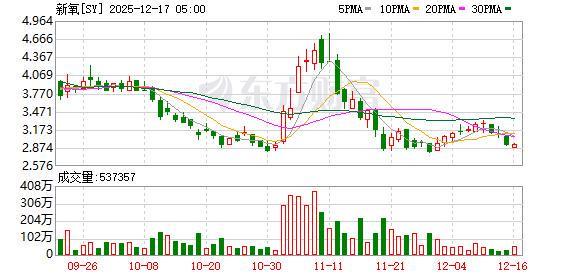
Core Viewpoint - The low-price strategy of the medical beauty company New Oxygen has intensified conflicts with upstream suppliers, leading to resistance from multiple vendors and a significant drop in its stock price [2][3]. Group 1: Supplier Conflicts - On December 11, the collagen filler manufacturer Faiman Biotech announced it had stopped supplying products to New Oxygen since October 1, claiming that continued sales would imply products were obtained from non-compliant channels or were counterfeit [2]. - Another manufacturer, Puliyan, listed over 40 New Oxygen clinics as "non-official cooperative medical institutions," while Saint Boma stated that New Oxygen's sales of its product "Aivilan" were through non-compliant channels [2][3]. - In response to supplier pushback, New Oxygen's clinic issued a statement accusing suppliers of maintaining a high-price system that undermines the pricing autonomy of medical institutions [2]. Group 2: Pricing Strategy - New Oxygen's pricing strategy has led to significant price reductions, with its own brand "Miracle Youth 3.0" priced at 999 yuan for the basic version and 2999 yuan for the upgraded version, while similar products from major brands are priced above 10,000 yuan [3][4]. - The company has been able to sell products at prices significantly lower than the original manufacturers by eliminating middlemen and utilizing lower-cost contract manufacturing [4]. - A recent promotion on New Oxygen's platform offered a product originally priced at 1999 yuan for as low as 949 yuan, resulting in over 22,000 units sold by December 15 [4]. Group 3: Market Dynamics - The medical beauty industry is experiencing a competitive landscape where New Oxygen's low-price model is seen as a survival strategy amid fierce competition [5]. - The products sold by New Oxygen are classified as approved Class III medical devices, but concerns remain regarding the quality control and long-term safety of newer domestic brands compared to established international ones [5]. - The ongoing conflict between New Oxygen and its suppliers is expected to have limited deep-seated impacts on the manufacturers, serving primarily to delineate boundaries publicly [5].


上万元的“童颜针”现在只卖900多元,背后原因是→
第一财经· 2025-12-16 11:42
Core Viewpoint - The article discusses the recent conflicts between medical beauty company New Oxygen and its upstream suppliers due to New Oxygen's low pricing strategy, which has led to a significant drop in its stock price and supplier resistance [3][6]. Summary by Sections Supplier Conflicts - New Oxygen's low pricing strategy has intensified conflicts with suppliers, leading to several suppliers, including Faiman Bio, ceasing to supply products to New Oxygen since October 1 [3][4]. - Suppliers claim that New Oxygen's pricing disrupts the market's pricing system, resulting in a "supply cut" from multiple manufacturers [5][6]. Pricing Strategy - New Oxygen offers its own brand of "童颜针" (youthful needle) products at significantly lower prices compared to the market, with prices as low as 999 yuan for the basic version and 2999 yuan for the upgraded version [5]. - The article highlights that while major brands price their products above 10,000 yuan, New Oxygen's pricing strategy allows it to sell similar products for much lower prices, attracting a large customer base [5][6]. Business Model - New Oxygen's business model is characterized by using low prices as a customer acquisition strategy, collaborating with upstream manufacturers to eliminate middlemen and reduce costs [6][7]. - The company reportedly utilizes lower-cost OEM production methods, allowing it to maintain high profit margins despite lower retail prices [6][7]. Market Impact - The ongoing conflict between New Oxygen and its suppliers is expected to have limited long-term effects on the overall market, with the public disputes serving to clarify positions among the involved parties [8].
上万元“童颜针”为何能卖到千元以内?新氧低价模式激化医美商战
Di Yi Cai Jing· 2025-12-16 11:19
Core Viewpoint - The low-price strategy of the medical beauty company New Oxygen has intensified conflicts with upstream suppliers, leading to resistance from multiple vendors and a significant drop in its stock price [1][3]. Group 1: Pricing Strategy and Market Impact - New Oxygen's model involves attracting customers through low prices by collaborating with upstream manufacturers of "童颜针" (youthful needle) and eliminating intermediaries to significantly reduce product costs and achieve higher profits [1][4]. - The company's pricing for "童颜针" products is substantially lower than the market average, with some products priced at 4999 yuan and 5999 yuan, compared to official prices exceeding 10,000 yuan [3][4]. - New Oxygen's aggressive pricing strategy has disrupted the market's pricing system, prompting suppliers to cut off supplies [4]. Group 2: Supplier Relations and Compliance Issues - Suppliers, including斐缦生物 and 普丽妍, have publicly declared New Oxygen as a non-compliant partner, halting supplies and labeling its sales as potentially involving counterfeit products [1][3]. - Despite supplier claims, New Oxygen continues to sell certain products, asserting that they are traceable through official channels [3]. - The compliance of New Oxygen's products is under scrutiny, as newer domestic brands may lack the long-term safety data compared to established international brands [5]. Group 3: Business Model and Industry Context - New Oxygen's business model is seen as a survival strategy in a competitive medical beauty market, leveraging excess production capacity from smaller brands to offer low-priced products [5]. - The industry comparison to smartphone branding illustrates how lower-priced products can still maintain profitability despite significant price differences from premium brands [4][5]. - The ongoing conflict with suppliers is expected to have limited deep impacts on the overall market, serving primarily to clarify positions among the involved parties [5].
轻医美重塑行业发展生态
Zheng Quan Ri Bao Wang· 2025-11-28 07:41
Group 1 - China has become the second-largest medical beauty market globally, with a current penetration rate of only 4.5%, indicating significant growth potential compared to other developed countries [1] - The "light medical beauty" segment is reshaping the industry ecosystem due to its core advantages of low risk, short recovery time, and high frequency [1] Group 2 - The upstream consumables and equipment sector has high barriers to entry, with a focus on the development and manufacturing of injectables, energy-based devices, and biomaterials, which are core high-margin segments of the industry [2] - From early 2024 to July 2025, 43 Class III injectable products, 2 types of botulinum toxin, and 22 types of phototherapy devices have been approved in China, indicating a significant acceleration in product approvals [2] - The market for recombinant collagen is expected to exceed 40 billion yuan in 2024 and reach 58.57 billion yuan in 2025, while the market for "童颜针" (youthful needle) is projected to grow from 500 million yuan in 2021 to 4.2 billion yuan in 2025, a 740% increase [2] Group 3 - Companies like 四环医药 (Sihuan Pharmaceutical) are rapidly rising due to their technological advantages, having developed products like "童颜针" and "少女针," which have received Class III medical device registration [3] - 四环医药 has become the only domestic company to hold compliant registrations for both "童颜针" and "少女针," and has secured exclusive agency rights for a collagen-based product in mainland China [3] Group 4 - The current market is dominated by a few companies that can consistently obtain Class III medical device certifications, creating a concentrated oligopoly [4] - In 2025, 80% of newly approved products are expected to come from companies with Class III device qualifications, leading to a market environment where small institutions are rapidly exiting [4] - The emergence of new materials like agarose and hydroxyapatite marks a shift towards ingredient diversification, while the rise of regenerative materials signifies a transition from "filling" to "tissue regeneration" [4] Group 5 - The trend is accelerating the concentration of resources towards leading companies with R&D systems, clinical teams, and compliance capabilities, indicating an irreversible trend towards specialization and compliance in the industry [5]
普丽妍“拉黑”新氧 新氧反告“造谣”:谁在破坏医美规则?
2 1 Shi Ji Jing Ji Bao Dao· 2025-11-28 06:22
Core Viewpoint - The medical beauty industry is experiencing a tug-of-war between upstream manufacturers and terminal institutions regarding product authorization and pricing, highlighting the need for regulatory compliance and market order [1][2]. Group 1: Industry Dynamics - The conflict centers around product authorization and compliance channels, reflecting a struggle for pricing power between upstream manufacturers and terminal medical beauty institutions [2]. - The medical beauty market in China is expanding, with unauthorized sales of related products becoming increasingly common, indicating a shift from "wild growth" to "regulated development" in the industry [2]. Group 2: Pricing Strategies - The market for "童颜针" (youthful beauty injections) has seen rapid growth, with its market size exceeding 30 billion yuan last year and projected to reach 100 billion yuan in five years [4]. - New Oxygen's introduction of low-priced "童颜针" projects has disrupted the pricing structure of upstream manufacturers, with prices significantly lower than official guidance [5]. - New Oxygen's pricing strategy aims to make medical beauty services more affordable, addressing the issue of consumers turning to unregulated "black medical beauty" services due to high prices [6]. Group 3: Compliance and Regulation - Concerns have been raised regarding New Oxygen's compliance, as it has been accused of using products without proper authorization, which could jeopardize consumer safety [7][8]. - Legal experts emphasize that medical institutions must procure medical devices from authorized sources to ensure traceability and compliance with regulations [8]. - The ongoing issues of counterfeit products and unauthorized sales highlight the urgent need for effective governance in the medical beauty industry [10][11]. Group 4: Consumer Protection - Consumers are advised to verify product authenticity through official channels and request proper documentation from medical institutions to safeguard their rights [12]. - The responsibility for ensuring compliance should not solely rest on consumers; a collaborative effort among manufacturers, institutions, and regulatory bodies is essential for sustainable development in the medical beauty sector [13].
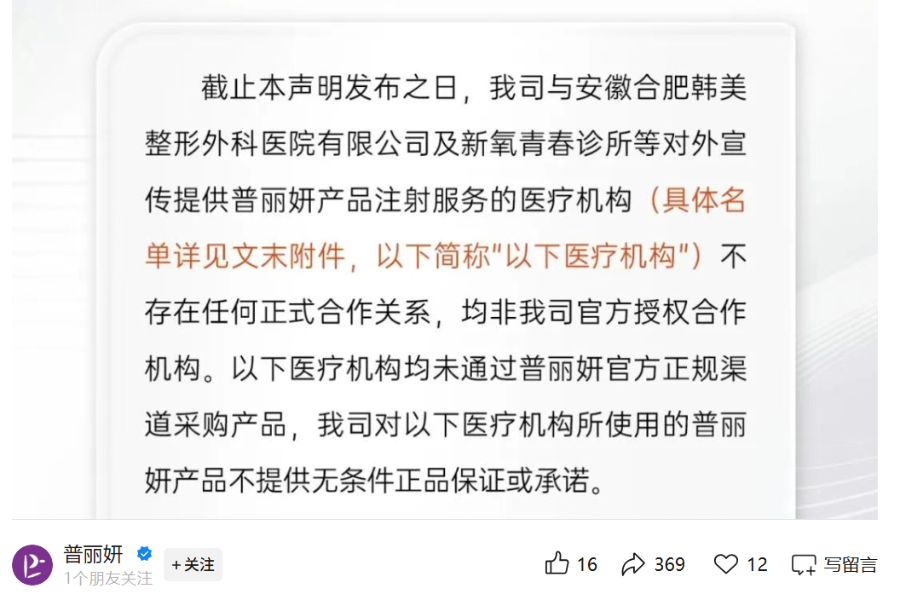
万元童颜针价格被打至4999元,医美巨头遭上游厂商拉黑
21世纪经济报道· 2025-11-28 06:18
Core Viewpoint - The ongoing conflict between upstream manufacturers and downstream medical beauty institutions highlights the challenges in product authorization and market pricing within the medical aesthetics industry, indicating a shift from "wild growth" to "regulated development" in China’s medical beauty market [4][5]. Group 1: Industry Dynamics - The medical beauty industry is experiencing a tug-of-war over product pricing and authorization, with companies like Purity and New Oxygen at the forefront of this conflict [4][5]. - New Oxygen's low pricing strategies for products like "Miracle Youth 3.0" have disrupted traditional pricing structures, leading to tensions with upstream manufacturers [8][9]. - The market for youth-enhancing products, such as the "童颜针" (youth needle), has seen rapid growth, with estimates suggesting it will reach a scale of 100 billion in five years, up from over 30 billion last year [7]. Group 2: Compliance and Regulation - There are significant compliance concerns regarding the sourcing of medical products, with allegations that New Oxygen has used products without proper authorization, raising questions about product safety and traceability [11][12]. - Legal experts emphasize the importance of purchasing medical devices from authorized sources to ensure compliance with regulations, highlighting the potential penalties for non-compliance [12]. - The medical beauty industry faces challenges with counterfeit products and unauthorized sales, necessitating stronger regulatory measures and consumer awareness [15][16]. Group 3: Consumer Safety and Market Integrity - The prevalence of unauthorized medical beauty institutions and counterfeit products poses a significant risk to consumer safety, with only 35% of products in circulation being genuine [9][15]. - Industry leaders argue that lowering prices for legitimate medical beauty services is essential to combat the prevalence of "black medical beauty" practices, which thrive on high prices in the legitimate market [9][10]. - There is a call for a collaborative approach among manufacturers, medical institutions, and regulatory bodies to ensure consumer rights and product quality are prioritized in the evolving medical beauty landscape [17].

2999元,“平价童颜针”来了
财联社· 2025-10-03 03:43
Core Viewpoint - The introduction of "Miracle Youth 3.0 - Plastic Beauty" by the domestic medical beauty service platform New Oxygen, priced at 2999 yuan, is considered the lowest price in history, breaking the previous market average of over 10,000 yuan, indicating a significant shift in the market dynamics of youth-enhancing injections [1][2]. Market Competition Landscape - The market for youth-enhancing injections, categorized as "medical beauty regenerative injectables," is experiencing intense competition with nine products currently approved in China, consisting of three imported and six domestic brands [3]. - The global market for medical beauty regenerative injectables is projected to reach approximately 11.52 billion yuan by 2027, with a compound annual growth rate (CAGR) of about 31.2% from 2025 to 2027 [2]. Pricing Strategies and Market Dynamics - The current market is characterized by a "mixed battle" phase, with various brands adopting different pricing strategies, including low-dose products to capture market share [6][8]. - The price of existing products typically starts at over 10,000 yuan, with some products like Jiangsu Wuzhong's Aisufei priced at 18,800 yuan before discounts [3]. Future Market Trends - The entry of New Oxygen and the increase in the number of certified manufacturers and qualified doctors are expected to lead to a price reduction in the youth-enhancing injection market, marking a transition towards market maturity [7]. - The Chinese market is anticipated to become a price lowland compared to neighboring countries, where prices are significantly lower [7]. Sales Performance and Market Size - Despite the competitive landscape, companies like Changchun Shengboma and Aimeike have reported substantial sales figures, with Aimeike's revenue from gel injection products reaching 6.38 billion yuan in 2022, and projected to grow to 1.2 billion yuan in 2024 [10]. - The overall market size for youth-enhancing injections is estimated to be in the millions of units, with a rapid increase in market participants from one or two to potentially twenty in the future [11]. Selection Criteria for Products - The selection of products in the market is increasingly based on consumer reputation, price-performance ratio, and the manufacturer's overall strength, as the number of approved products continues to rise [12]. - Brands must focus on building a strong consumer base and professional barriers to survive in the competitive market, emphasizing the importance of doctor expertise in the application of youth-enhancing injections [13]. Emerging Products and Competition - Several new products are in the pipeline for approval, including those from Hangzhou Gai Biological and Huadong Pharmaceutical, which will further intensify competition in the market [14].


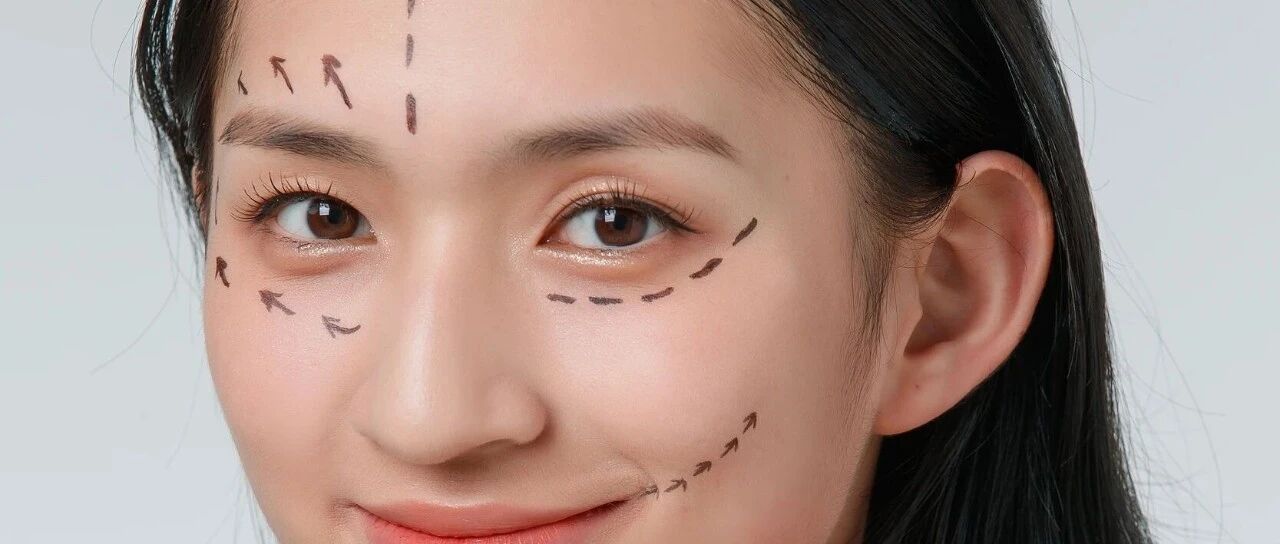
单支不到3000元 新氧再甩童颜针低价牌
Bei Jing Shang Bao· 2025-09-24 16:37
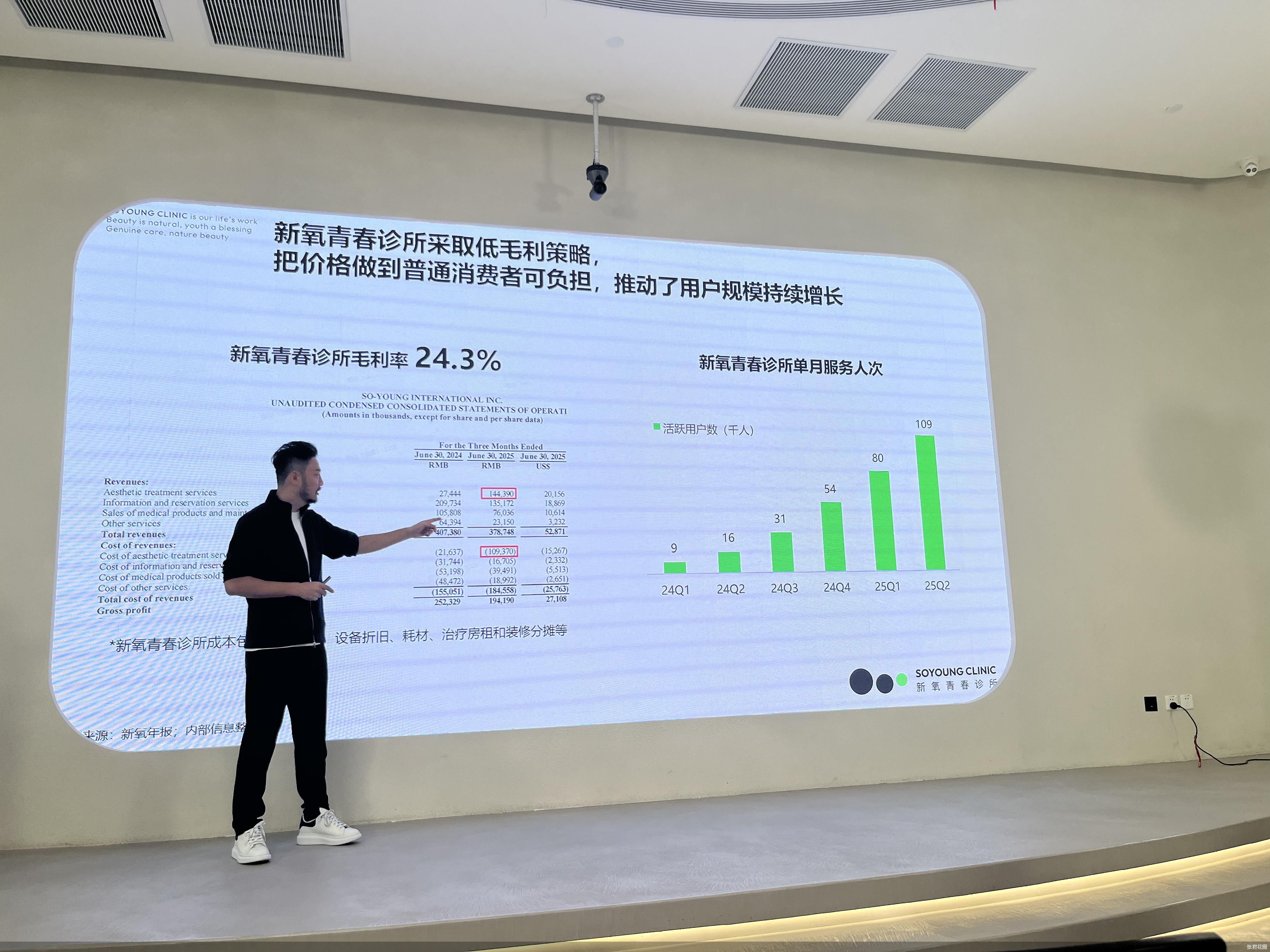
Core Viewpoint - The launch of New Oxygen's Miracle Youth Needle 3.0 at a price of 2999 yuan marks a significant price drop in the market, challenging the existing high-priced products which are generally above 10,000 yuan [1][3][4]. Pricing Strategy - New Oxygen's pricing strategy is based on gaining pricing power through collaboration with upstream manufacturers, allowing them to set a price significantly lower than competitors [1][5]. - The previous versions of the product were priced at 4999 yuan and 5999 yuan, indicating a trend of decreasing prices in the market [3][8]. Market Context - The current market for youth needles includes products from various companies, with prices typically exceeding 10,000 yuan, such as 12,800 yuan for Aivilan and 13,800 yuan for Lijinran [3][4]. - The trend of decreasing prices is expected to continue, driven by product effectiveness and user value [4]. Company Performance - New Oxygen's clinics have achieved single-month profitability, although overall profitability is still pending due to the costs associated with their middle office operations [8][9]. - The company has opened 37 clinics as of September 2023, with plans to exceed 50 by the end of the year and aims for a long-term goal of "100 cities and 1,000 stores" [9]. Financial Growth - In Q1 2023, New Oxygen's light medical beauty chain business revenue grew by 551.4%, accounting for 33.3% of total revenue, while Q2 revenue from beauty treatment services reached 144 million yuan, up 426.1% year-on-year [9].
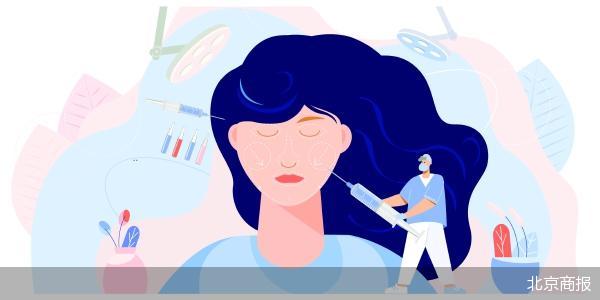
新氧童颜针跌破3000元,“青春诊所”距离盈利还要多久
Bei Jing Shang Bao· 2025-09-24 13:17
Core Viewpoint - The launch of the new "Miracle Tongyan 3.0" by Xinyang at a price of 2999 yuan marks a significant price drop in the market for Tongyan injections, which typically exceed 10,000 yuan, establishing a new low price point in the industry [1][4]. Pricing Strategy - Xinyang's pricing strategy is based on obtaining pricing authority from upstream manufacturers, allowing them to offer competitive prices [6][7]. - The previous versions of Tongyan injections were priced at 4999 yuan and 5999 yuan, indicating a trend of progressively lowering prices [4][9]. Market Context - The current market for Tongyan injections includes several high-priced products, with manufacturers like Saint Boma and Kanjie Pharmaceuticals pricing their products between 12,800 yuan and 14,800 yuan [4][9]. - The trend of decreasing prices for Tongyan injections is expected to continue, driven by market demand and product effectiveness [5]. Company Performance - Xinyang's clinics have achieved monthly profitability at the store level, although overall profitability is still pending due to the costs associated with middle and back-end operations [9]. - The company plans to expand its clinic network significantly, aiming for over 50 locations by the end of 2025, with a long-term goal of establishing a presence in 100 cities [9]. Financial Growth - Xinyang reported a substantial increase in revenue from its light medical beauty chain business, with a year-on-year growth of 551.4% in Q1 2025, reaching 98.8 million yuan [10]. - In Q2 2025, revenue from beauty treatment services also saw a significant increase of 426.1%, totaling 144.4 million yuan [10].