新中式旗袍

Search documents
“春节战袍”穿什么? 新中式旗袍、明星春晚彩排穿搭京东一键get
Zhong Guo Zhi Liang Xin Wen Wang· 2026-02-06 14:08
Group 1 - The article highlights the trend of festive fashion during the Spring Festival, with a focus on the popularity of traditional and modern Chinese attire among celebrities and the general public [1][2] - JD.com is actively promoting its New Year shopping festival, offering discounts of over 50% on a wide range of fashion items, including women's and men's clothing, beauty products, and accessories [1] - The Spring Festival Gala hosts are showcasing stylish outfits that blend traditional Chinese elements with modern fashion, such as new-style qipaos featuring blue and white porcelain designs and embroidery [1] Group 2 - The article mentions specific fashion items available on JD.com, including a wool-cashmere coat from Loewe and a lightweight down jacket from Qianren Gang, emphasizing their stylish and functional designs [2] - It notes the appeal of celebrity outfits, such as a black long down jacket from Anta and a red ski down jacket from Tambor, which cater to both casual and outdoor needs [2] - JD.com is positioned as a go-to platform for consumers looking to replicate the festive looks of stars and hosts, encouraging users to explore the New Year fashion offerings [2]

古老丝绸牵手现代潮流(看中国好物七十二变)
Ren Min Ri Bao· 2026-01-28 00:56
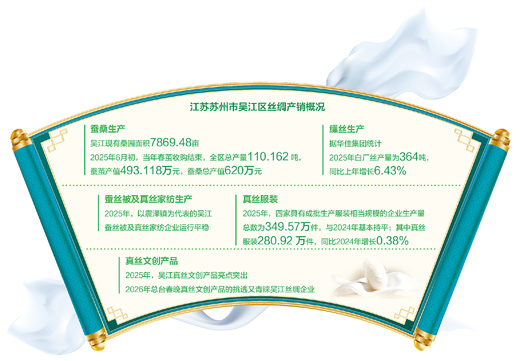
Core Insights - The article highlights the transformation of the silk industry in Suzhou, showcasing how traditional silk products are being modernized to appeal to younger consumers and integrate into daily life [1][2][4]. Group 1: Fashion Trends - The introduction of the "Chengnan Old Stories" series of qipaos has gained popularity, particularly for its winter adaptation, which combines traditional aesthetics with practical warmth [2]. - The designer, Shi Yi, has successfully tapped into market demand by creating winter qipaos that maintain elegance while incorporating a thin down lining for warmth, suitable for temperatures as low as -5 degrees Celsius [2]. Group 2: Technological Innovations - The silk industry is experiencing a technological renaissance, with companies like Huajia Silk implementing smart production techniques that enhance efficiency and product quality [6][7]. - Innovations such as a nano-level protective structure have been developed to make silk easier to clean and maintain, addressing long-standing industry challenges [6][7]. Group 3: Cultural Integration - The silk brand "Longquan Xili" emphasizes the cultural significance of silk, integrating it into lifestyle products and promoting it through storytelling and international outreach [9][10]. - The "Shanshui Sangtian" ecological park exemplifies the fusion of silk culture with sustainable practices, offering visitors immersive experiences that highlight the connection between silk production and nature [10][12]. Group 4: Market Expansion - The silk industry is expanding its market reach, with products being well-received internationally, including silk accessories and clothing that blend traditional craftsmanship with modern design [5][9]. - Companies are increasingly focusing on creating a diverse range of silk products, from fashion to home decor, thereby broadening the application of silk in everyday life [5][10].

鲁迅美术学院染织服装艺术设计学院加快推进特色纺织服装产业集群发展
Jing Ji Ri Bao· 2025-10-13 08:17
Core Viewpoint - The mission of higher education institutions in the new era is to inherit and promote excellent traditional Chinese culture, integrating its rich artistic heritage and exquisite craftsmanship into modern teaching systems and design research [1] Group 1: Cultural Inheritance and Innovation - The academy aims to inherit and innovate the Shengjing Qipao culture by systematically exploring historical patterns, traditional techniques, and regional aesthetics, thereby strengthening cultural confidence in the new era [1][2] - A professional team is organized to conduct surveys and collect data from Manchu communities and traditional artisans, documenting intricate traditional skills like Panjin embroidery and their socio-cultural contexts [2] - A digital archive system is established to convert pattern and color data into visual models for design application and academic sharing, preserving cultural heritage while providing elements for innovative design [2] Group 2: Educational Integration and Practical Skills - The academy incorporates "Shengjing Qipao" into specialized courses such as "Traditional Qipao Structure and Craft" and "Research and Application of Manchu Patterns," directly linking to innovative projects like "New Chinese Qipao" [3] - Activities like "Intangible Cultural Heritage into Campus" invite representatives of non-material cultural heritage to conduct workshops, fostering respect for traditional crafts among students [3] - The academy hosts themed exhibitions and fashion shows to showcase the results of cultural inheritance and innovation to the public [3] Group 3: Industry Empowerment and Development - The ultimate goal of cultural inheritance is development, with the academy actively driving local industry growth through design innovation and brand incubation [4] - The "Lu Yi" design brand is created to integrate talented faculty, students, and alumni, focusing on high-end customization and cultural products, establishing itself as a model within the industry cluster [4] - Collaborative platforms are built with local governments and enterprises to create a comprehensive innovation platform that supports research, design, and training [4] Group 4: Think Tank Support and Talent Development - The academy conducts research on strategies for accelerating the development of specialized textile and apparel industry clusters, providing decision-making support for government and enterprises [5] - Research outcomes serve both macro-level government decisions and actionable strategic guidelines for businesses, enhancing the effectiveness of industry-education integration [5] - The academy offers "order-based" training programs to cultivate talents who understand design, market dynamics, and local culture, aligning with industry cluster development needs [5] Group 5: Cultural Empowerment and Industry Feedback - The relationship between cultural inheritance and development is a mutually reinforcing cycle, with the academy's cultural IP leading to diverse product lines and continuous optimization of design strategies based on market feedback [6] - A portion of industry profits is allocated to support digital preservation projects for Shengjing Qipao, engaging young designers in the transmission of traditional skills [6] - This cycle promotes the active utilization of cultural resources, making the industry a new vehicle for cultural dissemination while enriching the cultural connotation of the industry cluster [6] Group 6: Addressing Industry Challenges - The academy's integration of "Shengjing Qipao culture" provides local enterprises with unique brand stories and design differentiation, facilitating a transformation from "processing and manufacturing" to "brand creation" [7] - Collaborative platforms established with enterprises address innovation bottlenecks while cultivating talents with both cultural literacy and technical skills, creating a sustainable cycle of "industry supporting culture, culture driving industry" [7] - The strategic positioning of the academy illustrates the social responsibility of art institutions in the new era, fostering a creative and culturally prosperous ecosystem [7]
秋糖会点亮南京婚庆消费新图景——
Nan Jing Ri Bao· 2025-09-28 02:20
Core Insights - The traditional wedding season, referred to as "Golden September and Silver October," is experiencing a surge in consumer activity, particularly in the wedding-related sectors such as jewelry, attire, and banquet bookings, driven by the upcoming 113th National Sugar and Wine Fair [1] Group 1: Market Trends - The third Autumn Wedding Expo in Nanjing has created a vibrant atmosphere, attracting young couples who are increasingly focused on quality, brand, and personalized products rather than just quantity [2] - The rise of traditional wedding styles, particularly among younger generations, is evident, with a notable increase in the popularity of Chinese-style weddings featuring traditional attire [3] Group 2: Consumer Behavior - Young consumers, particularly those born in the 1990s and 2000s, are driving demand for customized jewelry and unique wedding attire, reflecting a shift towards more personalized and high-quality offerings [2][3] - The integration of cultural elements and interactive experiences in promotional activities is aimed at enhancing consumer engagement and driving sales [4] Group 3: Service Innovations - The wedding banquet sector is innovating its service models, with hotels like Jinling Hotel offering themed events and customized products to create memorable experiences for couples [5] - Retailers are responding to consumer needs by providing discounts and group purchase options, enhancing the overall value proposition for wedding-related purchases [5]
黄金周“嫁”期将至,“甜蜜经济”持续升温
Nan Jing Ri Bao· 2025-09-27 23:36
Group 1 - The "sweet economy" is experiencing a surge in Nanjing as the traditional wedding peak season approaches, with various promotional activities boosting consumer interest in wedding-related products and services [1][2] - The third Autumn Wedding Expo has attracted significant attention, showcasing a variety of products such as customized jewelry and unique wedding attire, reflecting the preferences of younger consumers who prioritize quality and personalization [2][3] - Traditional wedding styles, particularly Chinese-themed weddings, are gaining popularity among young couples, leading to an increase in demand for traditional wedding attire and accessories [3][4] Group 2 - The Taiping South Road, known for its jewelry shops, is revitalizing its appeal through events like the "潮动金陵" jewelry festival, which features discounts and promotions from well-known brands [4] - The Gold Association of Jiangsu is promoting cultural consumption by integrating traditional craftsmanship with modern consumer experiences, aiming to resonate with contemporary fashion trends [4][6] - The Jinling Hotel is innovating its service offerings by creating unique wedding experiences, including customized wine labels, to enhance emotional connections with clients [5][6] Group 3 - The wedding consumption trend is driving innovation in service models, with businesses focusing on emotional marketing and cultural depth to attract consumers [6] - Retailers are offering discounts and promotions on wedding-related products, appealing to parents who are assisting their children with wedding preparations, thus enhancing the overall shopping experience [6] - The integration of the national sugar and wine fair with the wedding industry is stimulating sales across the wedding supply chain and fostering innovative consumption patterns [6]

“毕业照”兴起“国风热”
Ren Min Ri Bao Hai Wai Ban· 2025-07-02 01:00
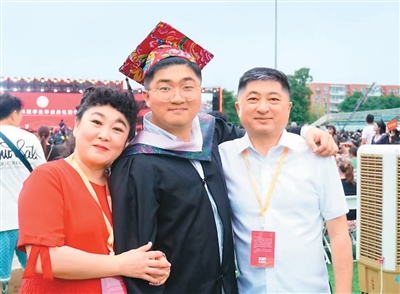
Group 1 - The article highlights the trend of personalized graduation attire among Chinese university students, showcasing a shift from traditional academic robes to incorporating cultural elements into their outfits [1][5][6] - Data from e-commerce platforms indicates a significant increase in searches for traditional garments like cloud shoulders and horse-face skirts, with some items seeing over 100% growth compared to previous years [1] - Photography services have adapted to this trend by offering customized packages that include various styles of graduation photos, catering to the diverse preferences of graduates [1][2] Group 2 - The evolution of graduation attire in China has transitioned from simple, uniform clothing to a more diverse expression of personal style, influenced by cultural heritage [5][6] - Experts suggest that the integration of traditional elements into graduation attire reflects a creative transformation of cultural identity and a pursuit of individuality among contemporary youth [6][7] - The balance between maintaining the solemnity of graduation ceremonies and allowing for personal expression in attire is becoming a focal point for future graduation season consumption trends [7]
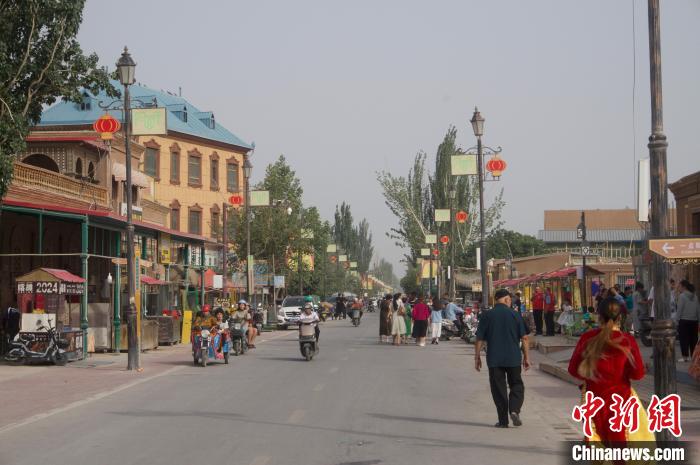
(走进中国乡村)新疆西部有条“无花果风情街”
Zhong Guo Xin Wen Wang· 2025-07-01 13:02
Core Insights - The article highlights the development of the "Fig Cultural Street" in the village of Azikhan, located in the western region of Xinjiang, which is known as the "Hometown of Figs" in China [1][2] Group 1: Economic Development - Azikhan village has 1,108 acres of fig trees, with some trees over 450 years old, indicating a long-standing agricultural tradition [1] - The village aims for a sales revenue of nearly 15 million yuan (approximately 2.1 million USD) from fig sales in 2024, with an additional 2.4 million yuan (approximately 340,000 USD) from related processing industries [5] - The introduction of liquid nitrogen technology has extended the shelf life of figs, allowing them to be sold to a wider market [5] Group 2: Tourism and Local Business - The "Fig Cultural Street" features various local businesses, including a barbecue shop and a clothing store, which have adapted their offerings to include figs, enhancing the local tourism experience [2] - The cultural tourism site does not charge an entrance fee, aiming to attract more visitors and increase the income of local residents through market-driven operations [5] - The area has been upgraded to a national 4A-level scenic spot, indicating its significance in the tourism sector [5] Group 3: Community and Employment - The development of the fig industry in Azikhan is expected to create over 15,000 jobs in the surrounding area through the establishment of a 50,000-acre integrated agricultural and tourism park [7] - Local farmers are encouraged to engage in direct sales through QR codes displayed at their homes, promoting a more personalized shopping experience for tourists [2]