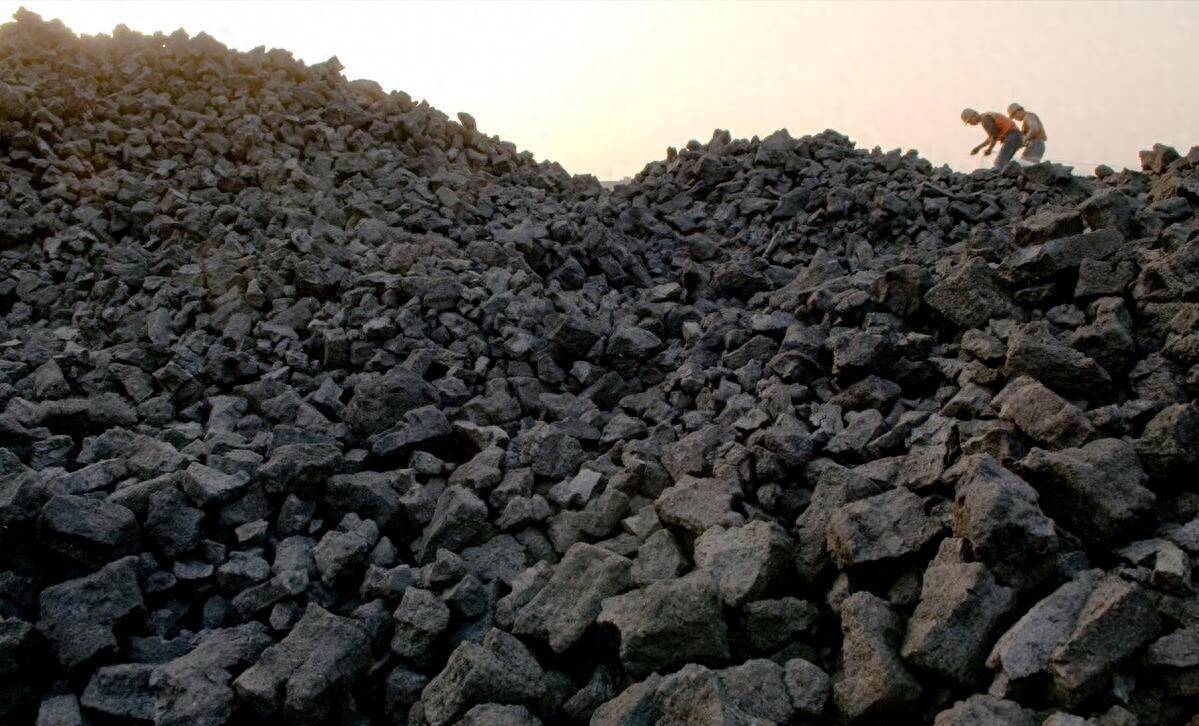
无人机发动机

Search documents
美国财政部打击伊朗跨国导弹与无人机采购网络,涉及中国
制裁名单· 2025-11-14 01:21
Core Viewpoint - The U.S. Treasury Department's Office of Foreign Assets Control (OFAC) has imposed sanctions on 32 individuals and entities across eight countries linked to Iran, targeting a multinational procurement network that supports Iran's ballistic missile and drone production, aiming to curb Iran's nuclear threats and asymmetric weapon development capabilities [1][2]. Group 1: Background and Strategic Objectives - Iran has long utilized the global financial system for money laundering to procure components for its nuclear and conventional weapons programs and to support terrorism [2] - The sanctions represent OFAC's second round of non-proliferation actions against Iran, with the primary goal of blocking Iran's access to missile propellant materials, critical drone equipment, and production funding [2]. Group 2: Core Sanction Areas 1. Missile Propellant Material Procurement Network - A multinational network centered around "MVM Partners" has been procuring key components for ballistic missile propellants from China since 2023, including sodium chlorate, ammonium perchlorate, and sebacic acid [3] - Sodium chlorate is used to produce ammonium perchlorate, which is regulated under missile technology control regimes, while sebacic acid is used for producing resins and plasticizers needed for missiles [3][4]. 2. Drone Key Equipment Procurement Network - OFAC has sanctioned KIPAS, a company closely associated with the Iranian Revolutionary Guard Corps-Quds Force (IRGC-QF), along with its subsidiaries and affiliates [5][6] - Key individuals involved in procurement coordination between India and China, as well as those managing chemical business operations within Iran, have been listed in the sanctions [5][6]. 3. Drone Engine Production Support Network and Proliferation Financing - OFAC targeted procurement networks supporting the Iranian company Oje Parvas Mado Nafar, which produces engines for Shahed-131/136 drones [7] - The sanctions also include updates to the SDN list for the Iranian state-owned aircraft manufacturer HESA, which produces Ababil series drones, and individuals involved in procurement of aviation materials [7][8].


特朗普威胁关税加到35%,拿不出6000亿美元的欧盟,转头制裁中国
Sou Hu Cai Jing· 2025-08-10 17:21
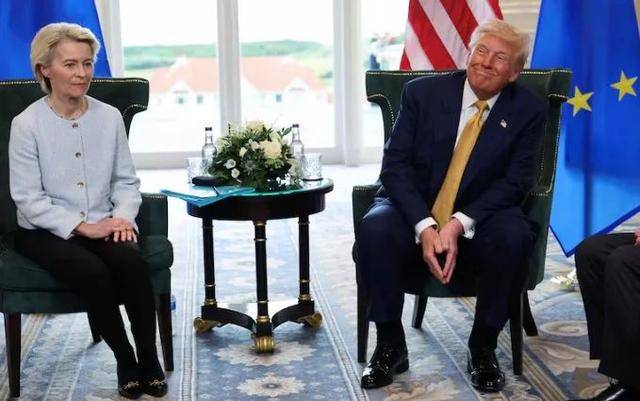
Group 1 - Trump threatens to impose a 35% punitive tariff on EU goods if the EU does not fulfill its $600 billion investment commitment, an increase from the previously threatened 30% [1][3] - The dispute originates from a trade agreement where Trump claims he reduced tariffs from 30% to 15% based on the EU's promise to invest $600 billion, which is criticized as vague and lacking concrete commitments [3][5] - The EU's requirement to purchase $750 billion in energy products from the US by 2028 is deemed unrealistic, as current imports are only $61.9 billion, necessitating an annual purchase of $250 billion, which would constitute 85% of the EU's energy spending [3][5] Group 2 - The EU quickly clarified that the $600 billion investment is dependent on voluntary private sector commitments, lacking guarantees or obligations, effectively rendering it an empty promise [5][7] - Similar situations arise with Japan and South Korea, where their commitments are largely based on loans or minimal direct investments, undermining Trump's claims of trade victories [5][7] - The EU has shifted its focus to China, threatening sanctions based on unsubstantiated claims of Chinese support for Russia, which raises questions about the timing and credibility of these accusations [7][9] Group 3 - The EU's actions may be a strategy to divert attention from domestic trade agreement disputes, align with US pressure on China, and gauge Trump's response to Russia, but this could further damage EU-China relations [9][12] - The current situation highlights the severe challenges facing the global trade order, with Trump's "America First" policy threatening to disrupt established economic ties [12] - Future US-EU trade disputes are likely to escalate, with the potential for the 35% tariff threat to be enacted, raising questions about the EU's response if it fails to meet the $600 billion demand [12]
ST云动: 关于签署《战略合作协议》的自愿性信息披露公告
Zheng Quan Zhi Xing· 2025-07-15 09:16
Group 1 - The core point of the news is the signing of a strategic cooperation agreement between Kunming Yunnei Power Co., Ltd., Fujian Delong Aviation Technology Co., Ltd., and Fujian Huamin Lianxin Private Fund Management Co., Ltd. to collaborate in the fields of drone research and development, production, supply chain assurance, and industrial investment, aiming to promote the development of the low-altitude economy industry [1][7] - The cooperation agreement does not involve specific transaction amounts or matters, and it does not require approval from the company's board of directors or shareholders' meeting [1][6] - The agreement is not classified as a related party transaction or a major asset restructuring as defined by relevant regulations [1][6] Group 2 - Fujian Delong Aviation Technology Co., Ltd. was established in 2012 with a registered capital of 51.9375 million RMB, focusing on engineering and technology research, aerospace equipment manufacturing, and investment across various industries [2][4] - Fujian Huamin Lianxin Private Fund Management Co., Ltd. was established in 2017 with a registered capital of 12.5 million RMB, specializing in private equity investment, investment management, and asset management [4][5] - The cooperation will enhance collaboration in drone engine product development and production, with both parties prioritizing each other as partners and suppliers [6][7] Group 3 - The strategic cooperation aims to leverage the strengths of each party to expand the application scenarios of the company's engine products and boost sales [7] - The agreement may lead to the establishment of a low-altitude economy industry fund to invest in the drone industry chain and innovative applications in the low-altitude economy [6][7] - The successful implementation of the agreement is expected to enhance the company's core competitiveness and sustainable development capabilities, aligning with its long-term development strategy [7]

国际镍价暴跌40%的当口,中国出手抄底10万吨高纯度镍!
Sou Hu Cai Jing· 2025-07-14 23:47
Group 1 - The core viewpoint highlights China's strategic move to purchase 100,000 tons of high-purity nickel amidst a 40% drop in international nickel prices, aiming to bolster its military industrial capacity for the next three years [1][4] - The collaboration between China and Russia is seen as a counteraction against Western technology blockades, with China leveraging strategic reserves and alliances to break through these barriers [1][2] - China's military industrial sector has significantly advanced, with the development of indigenous technologies such as the WS-15 engine for the J-20B fighter jet, showcasing a departure from reliance on Russian technology [2][6] Group 2 - The acquisition of nickel is part of a broader strategy to secure essential resources, as 67% of global nickel mines are located in Indonesia, and potential supply disruptions could arise from geopolitical tensions [4][6] - The integration of civilian and military production capabilities allows for rapid adaptation of manufacturing lines, enabling companies to switch from consumer goods to military hardware efficiently [7] - China's military production capacity has surpassed that of the U.S., with an annual output of 240 fighter jets, indicating a significant shift in the global military manufacturing landscape [7]