
星闪数字车钥匙

Search documents
告别连接“将就”时代:星闪如何成为 AIoT 的“神经中枢”与万物互联的“硬总线”
Xin Lang Cai Jing· 2025-12-31 02:58
Core Insights - The year 2025 is marked as a watershed moment for the global wireless communication industry, with the launch of the Chinese-origin NearLink technology, which signifies a critical leap in industrial development [1][57]. Industry Overview - NearLink technology has transitioned from steady growth to explosive scale by 2025, with over 100 million terminal products expected to be equipped with this technology, indicating a shift from concept validation to large-scale commercialization [3][59]. - The International NearLink Alliance has grown to over 1,200 members, covering the entire industry chain from chip design to terminal applications, establishing a collaborative ecosystem [5][61]. Technological Advancements - NearLink technology integrates the advantages of traditional wireless technologies like Bluetooth and Wi-Fi, achieving six key capabilities: low latency, high bandwidth, strong anti-interference, precise positioning, integrated sensing, and high concurrency [10][66]. - The introduction of Polar codes enhances anti-interference capabilities by 7dB, significantly improving signal reception sensitivity and capacity [12][68]. - NearLink expands physical layer bandwidth to 4MHz and achieves a transmission rate of 12Mbps, which is six times faster than traditional Bluetooth [13][69]. Application Scenarios - In consumer electronics, NearLink is revolutionizing user experiences with high-speed interactions and lossless audio transmission, with over 50 products already utilizing this technology [19][75]. - In smart home applications, NearLink enables devices to transition from passive control to proactive sensing, enhancing user interaction and energy efficiency [36][92]. - In the automotive sector, NearLink is becoming a standard for digital car keys, improving accuracy and security in vehicle access [42][100]. Ecosystem Development - The strategic partnership between NearLink and the open-source HarmonyOS is fostering a synergistic ecosystem, enhancing device interconnectivity and user experience [47][103]. - The combined efforts of over 1,200 industry partners are driving the rapid adoption of NearLink technology, aiming to create a foundation for a trillion-dollar market in the AIoT era [5][61]. Future Outlook - NearLink aims to establish a robust ecosystem that supports 1 billion to 10 billion connections, marking a significant shift in the wireless communication landscape [54][110]. - The technology's evolution reflects China's transition from a follower to a leader in short-range wireless communication, paving the way for a new era of interconnected devices [55][111].

星闪的2025:终端破亿,国标发布,一场无线短距通信的产业级跃迁
36氪· 2025-12-26 09:55
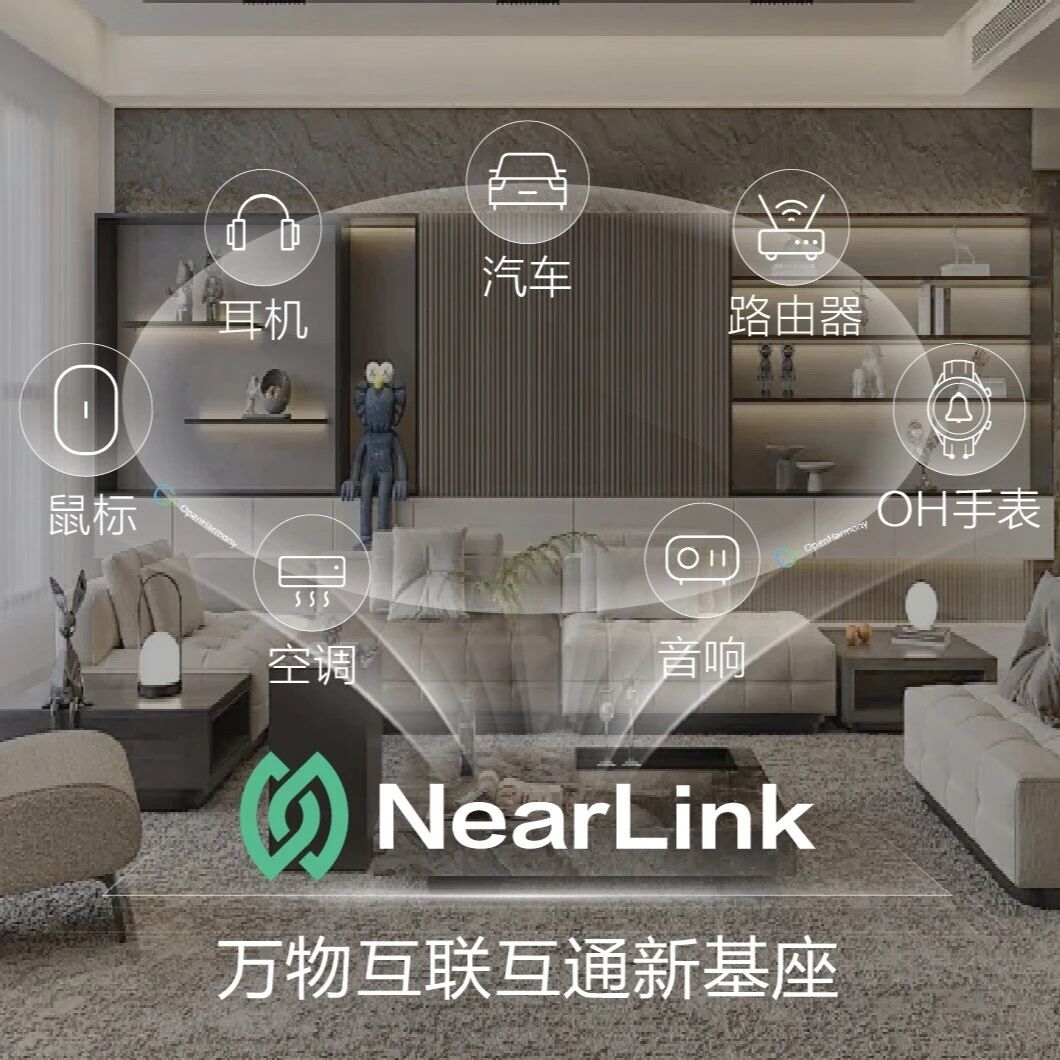
Core Viewpoint - The article emphasizes that transformative technologies, like the new wireless short-range communication technology "Star Flash," often become essential infrastructure that is taken for granted rather than being constantly highlighted as groundbreaking innovations [1][3]. Group 1: Technology Evolution - The development of Star Flash follows a clear industrial evolution path, marked by the establishment of the International Star Flash Alliance in September 2020, its commercial launch in 2023, and the release of the Star Flash 2.0 standard in March 2025 [5]. - Star Flash's approach is characterized by a "slow start, heavy standards, and later explosion" strategy, allowing it to bridge gaps between devices and systems in the AI-driven digital transformation wave [5][12]. Group 2: Standardization and Industry Consensus - The competition in wireless short-range communication is fundamentally a competition at the standards level, focusing on how devices can collaborate under a unified set of rules [7][9]. - The release of the Star Flash 2.0 standard signifies a critical industrial leap, integrating key capabilities into a standardized framework that can be reused across various scenarios [16][17]. Group 3: Ecosystem Development - As of 2025, Star Flash has crossed the critical threshold of 100 million devices, indicating its transition from a validated technology solution to a widely adopted connectivity foundation across multiple sectors [21][22]. - The Star Flash ecosystem has attracted over 1,200 partners since the establishment of the International Star Flash Alliance, forming a complete collaborative network that includes chips, modules, terminals, and applications [19]. Group 4: Application Scenarios - In smart home scenarios, Star Flash enhances the integration of appliances, enabling precise control and interaction, as demonstrated by products like the Haier air conditioner that utilizes Star Flash's capabilities for improved user experience [23]. - In the consumer electronics sector, Star Flash 2.0 provides a stable wireless audio experience, allowing high bitrate and low-latency audio transmission, as seen in products like Huawei's FreeBuds Pro 5 [25]. - In the automotive industry, Star Flash is reshaping core interaction scenarios, with over 50 vehicle models adopting the Star Flash digital key technology, showcasing its broad applicability [29]. Group 5: Future Prospects - The combination of Star Flash and open-source HarmonyOS is seen as a critical step towards building a new generation of interconnected systems, enhancing both connectivity and system-level collaboration [35][37]. - The integration of Star Flash with HarmonyOS allows for seamless interaction across diverse devices, paving the way for a more interconnected and intelligent ecosystem [38].
CEIC 2025消费电子创新大会开幕
Zheng Quan Ri Bao Wang· 2025-11-07 02:13
Core Insights - The 2025 Consumer Electronics Innovation Conference (CEIC 2025) commenced on November 6, 2023, focusing on "New Electronics, New Experiences, New Consumption" with participation from nearly 300 tech companies across 20 countries and regions, attracting over 18,000 attendees on the first day [1] - The conference featured discussions on cutting-edge topics such as ultra-high-definition video, artificial intelligence, and wireless communication, with over 1,000 representatives from global industries, academia, and international organizations [1] - The event showcased significant innovations, including Huawei's launch of the Starry Flash headphones and the global debut of HarmonyOS 6 products across various device categories [2][3] Industry Developments - The conference highlighted the seamless collaboration capabilities of Huawei's HarmonyOS ecosystem, allowing for smooth transitions between devices such as smartphones, tablets, and cars [2] - Notable innovations included the world's first airworthy passenger drone by EHang, humanoid robots, and holographic VR devices, which generated considerable interest among attendees [2] - The smart automotive sector was represented by XPeng Motors, which demonstrated advanced driving assistance features powered by high-performance chips, alongside digital health products showcasing new trends in health monitoring [3] Policy and Support - Shenzhen's industrial advantages were emphasized, with the city establishing a 5 billion yuan AI terminal fund and a 1 billion yuan network and communication fund to support the consumer electronics industry [3] - The CEIC 2025 serves as a platform for promoting industry upgrades and fostering global cooperation, marking a historic shift for China's consumer electronics industry from technology following to innovation leadership [3]
数字车钥匙的星闪时代来临,谁在引爆这场人车交互革命?
3 6 Ke· 2025-11-05 16:09
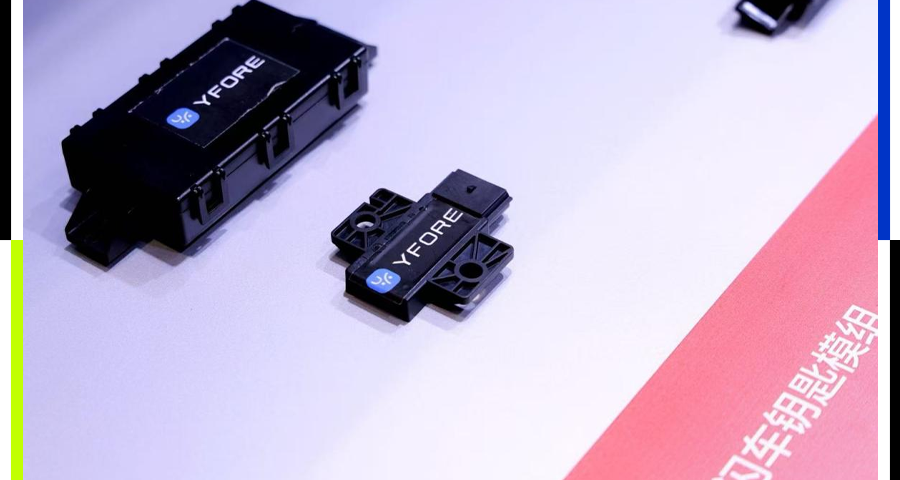
Core Insights - The introduction of the "Star Flash" digital car key marks a significant turning point in the digital key industry, transitioning from traditional Bluetooth to more advanced technologies like NFC and UWB, which have faced various user experience challenges [3][4][5] - The Star Flash digital key is becoming a standard feature in smart vehicles by 2025, with major automotive brands highlighting it as a key innovation in their new models [3][10] - The technology enhances user experience by providing high precision, low latency, and improved security, addressing the shortcomings of existing digital key solutions [6][9][11] Industry Trends - The digital key market in China saw a delivery volume of 7.885 million units from January to August 2025, reflecting a year-on-year growth of 31.62%, with over 76% of new models featuring digital keys [5] - The Star Flash technology has been adopted by over 50 vehicle models within six months of its launch, indicating a rapid industry-wide acceptance and integration [10][11] - The establishment of a unified standard for the Star Flash digital key, supported by over 1,200 partners, is facilitating the development of a robust ecosystem that includes vehicle manufacturers, terminal device makers, and chip suppliers [12][13] Technological Advancements - Star Flash technology significantly improves the accuracy of digital keys, achieving a positioning precision of within 0.6 meters and reducing user experience issues like delayed unlocking [7][9] - The security of the Star Flash digital key is enhanced through advanced mechanisms that prevent potential hacking risks associated with traditional Bluetooth keys [9][11] - The technology is positioned as a foundational element for the smart vehicle ecosystem, enabling seamless communication between vehicles, terminals, and cloud services [12][16] Market Dynamics - The competitive landscape is shifting as multiple automotive manufacturers are racing to integrate Star Flash technology into their vehicles, marking a new era of smart automotive experiences [11][17] - The collaborative efforts among various stakeholders in the industry are creating a comprehensive framework for the deployment and standardization of digital key technologies [12][16] - The Star Flash digital key is not just a technological upgrade but a catalyst for a broader transformation in the automotive industry, redefining user interactions and connectivity [17]
数字车钥匙的星闪时代来临,谁在引爆这场人车交互革命?
36氪· 2025-11-05 13:35
Core Insights - The article emphasizes the emergence of the "Star Flash Digital Key" as a pivotal technology in the smart automotive industry, expected to become a standard feature by 2025 [1][2][20] - The transition from traditional mechanical keys to digital keys is highlighted, with a focus on the user experience and the need for improved communication technologies [6][20] Group 1: Technology and User Experience - The Star Flash Digital Key addresses common issues faced by users with existing Bluetooth, NFC, and UWB technologies, such as signal delays and security concerns [1][6][9] - The technology offers enhanced precision, with positioning accuracy within 0.6 meters, significantly improving user experience by eliminating common frustrations like "penalty standing" [7][9] - Security is a major focus, with Star Flash utilizing Time of Flight (TOF) technology to ensure accurate distance measurement, thus preventing potential hacking risks associated with traditional Bluetooth keys [9][10] Group 2: Market Adoption and Industry Impact - Since its introduction in March 2025, over 50 vehicle models have adopted the Star Flash Digital Key, indicating rapid market acceptance and integration [11][12] - The technology is not just a communication tool but is becoming a critical entry point for smart mobility ecosystems, representing a shift in how vehicles connect with users and other devices [6][13][20] - The collaboration among over 1,200 partners to establish standards and ecosystems around Star Flash is indicative of a robust industry-wide effort to enhance smart automotive experiences [13][21] Group 3: Future Outlook - The article suggests that the Star Flash Digital Key will redefine the interaction between users and vehicles, marking the beginning of a new era in smart mobility [20][21] - The establishment of a unified standard and ecosystem around Star Flash is expected to facilitate large-scale commercialization and further innovation in the smart automotive sector [15][18]
技术创新驱动 智能网联迈向新阶段
Zhong Guo Qi Che Bao Wang· 2025-10-20 01:51
Group 1 - The 2025 World Intelligent Connected Vehicle Conference was held in Beijing, marking a critical period for the large-scale development of intelligent connected vehicles in China [1] - China is leading in policy support and infrastructure development, achieving breakthroughs in key areas such as autonomous driving technology and vehicle-road collaboration [1] - The penetration of urban auxiliary driving features has expanded from high-end vehicles to models priced below 150,000 yuan, with 2025 expected to be a pivotal year for the popularization of intelligent driving in China [1] Group 2 - Xiaopeng Motors highlighted four core development trends in the intelligent connected vehicle sector: electrification, intelligence, globalization, and diversification [2] - Great Wall Motors emphasized its advantages in market penetration, technological breakthroughs, and user recognition, focusing on the evolution of electronic architecture to create intelligent driving and space [2] - Horizon's executive projected that L4 capabilities could be achieved in the next three to five years, with full support for L4 by 2030, indicating a significant leap in intelligent driving development [2] Group 3 - The exhibition showcased the latest technologies and products in the intelligent connected vehicle sector, with various companies presenting their advancements [3] - The "Star Flash Short-Distance Communication Technology Digital Key Blue Paper" was released, detailing the collaboration of 25 member units in developing standards and testing for digital car keys [3] - Several vehicle models from manufacturers like Seres, JAC, BAIC, Chery, Dongfeng, and BYD are set to support or are already equipped with the Star Flash digital car key technology [3]
星闪应用前景广阔上市公司争相布局
Xin Hua Wang· 2025-08-12 05:48
Core Viewpoint - Huawei's new wireless communication technology, NearLink (Star Flash), is gaining significant market attention due to its innovative features and potential applications in various industries, including consumer electronics and smart homes [1][2]. Group 1: Technology Overview - NearLink is a new wireless communication standard that combines the advantages of Bluetooth and WiFi, offering lower latency, reduced power consumption, and higher connection capacity [2][3]. - Compared to traditional wireless technologies, NearLink reduces power consumption by 60%, increases data transmission speed by six times, lowers transmission latency to 1/30 of previous standards, and supports up to 4096 device connections [2][3]. Group 2: Industry Impact and Adoption - The Star Flash Alliance, which has over 300 member companies, is pushing for the industrialization of NearLink technology, with several companies already making significant advancements in product development [1][5]. - Companies like Jiulian Technology and Chuangyao Technology are actively developing products that incorporate NearLink technology, with applications in smart home devices and high-performance wireless terminals [5][6]. Group 3: Future Prospects - 2023 is identified as the commercial launch year for NearLink, with expectations for a significant increase in device deployment in 2024 [5]. - The technology is anticipated to become a mainstream wireless communication standard, particularly in areas such as smart home devices, high-fidelity audio, and automotive applications [6][7].
