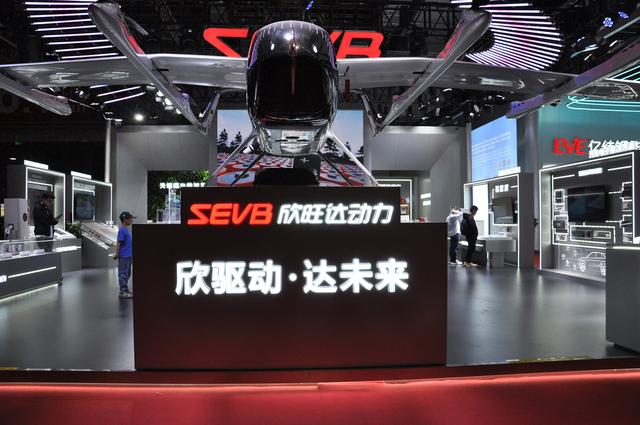
消费电池

Search documents
珠海冠宇:存储涨价抑制消费电池需求-20260331
HTSC· 2026-03-31 13:30
Investment Rating - The report has downgraded the investment rating of the company to "Accumulate" [5][6]. Core Views - The company's revenue for 2025 reached 14.41 billion RMB, a year-on-year increase of 24.86%, while the net profit attributable to shareholders was 0.472 billion RMB, up 9.60% year-on-year. However, the net profit fell short of expectations due to rising storage prices, increased raw material costs, and foreign exchange losses [1][5]. - The company maintains a strong position in the laptop battery sector and is accelerating the introduction of mobile phone batteries to major clients like Apple. Adjustments in accounting depreciation policies have released profits, but the impact of rising storage prices on consumer battery demand and increased costs have led to a revision in revenue growth expectations [5][6]. Summary by Sections Financial Performance - In Q4 2025, the company reported revenue of 4.089 billion RMB, a year-on-year increase of 35.2% but a quarter-on-quarter decrease of 3.2%. The net profit attributable to shareholders was 0.085 billion RMB, down 47.8% year-on-year and 68.6% quarter-on-quarter [2]. - The company shipped approximately 100 million consumer battery cells in Q4, with a net profit per cell of about 1.3-1.4 RMB. The decline in profitability was attributed to reduced demand due to storage price increases and rising raw material costs [2]. Business Segments - In the consumer battery segment, the company achieved revenue of 6.341 billion RMB in laptop products, remaining stable year-on-year, with a sales volume increase of 2.5%. In mobile phone products, revenue reached 4.493 billion RMB, up 38.2% year-on-year, with a sales volume increase of 42.0% [11]. - The company's dynamic storage business, particularly in automotive and drone applications, saw significant growth, with revenue from the Zhejiang subsidiary reaching 2.265 billion RMB, a year-on-year increase of 130.7%. The company has secured contracts with major automotive manufacturers and maintained deep cooperation with clients like DJI in the drone sector [4][11]. Profitability and Forecasts - The report anticipates a downward revision of the company's net profit forecasts for 2026 and 2027 to 0.820 billion RMB and 1.069 billion RMB, respectively, reflecting a reduction of 50% and 51% from previous estimates [5][14]. - The expected average PE ratio for comparable companies in 2026 is 18 times, while the company is assigned a PE of 24 times for the same year, with a target price set at 17.28 RMB, down from 35.04 RMB [5][14].

珠海冠宇(688772):存储涨价抑制消费电池需求
HTSC· 2026-03-31 11:31
Investment Rating - The report downgrades the investment rating of Zhuhai Guanyu to "Accumulate" due to the impact of rising storage prices on consumer battery demand and increased costs from raw materials [5][6]. Core Views - The company reported a revenue of 14.41 billion RMB for 2025, a year-on-year increase of 24.86%, with a net profit attributable to shareholders of 0.472 billion RMB, up 9.60% year-on-year. However, the net profit fell short of expectations due to rising storage prices, raw material costs, and foreign exchange losses [1][5]. - The consumer battery segment is facing challenges due to increased storage prices, which are suppressing demand, while the automotive and drone battery segments are showing strong growth [4][5]. Summary by Sections Financial Performance - In Q4 2025, the company achieved a revenue of 4.089 billion RMB, with a year-on-year increase of 35.2% but a quarter-on-quarter decrease of 3.2%. The net profit attributable to shareholders was 0.085 billion RMB, down 47.8% year-on-year and 68.6% quarter-on-quarter [2]. - The company shipped approximately 100 million consumer battery cells in Q4, with a net profit per cell of about 1.3-1.4 RMB, indicating a decline in profitability due to reduced demand and increased costs [2]. Business Segments - The consumer battery segment, including laptops and mobile phones, saw stable performance, with laptop revenue at 6.341 billion RMB and mobile phone revenue at 4.493 billion RMB, reflecting growth of 2.5% and 42.0% respectively [11]. - The automotive and drone battery segment, particularly through its subsidiary Zhejiang Guanyu, reported a revenue of 2.265 billion RMB, a significant year-on-year increase of 130.7%, driven by partnerships with major automotive manufacturers and drone companies [4][11]. Future Projections - The report revises the revenue growth forecast for consumer batteries down to 12.76 billion RMB and 13.85 billion RMB for 2026 and 2027, respectively, due to rising costs and reduced demand [14]. - Conversely, the revenue forecast for the automotive and energy storage segment is revised upward to 3.329 billion RMB and 4.161 billion RMB for 2026 and 2027, respectively, reflecting positive trends in demand [14]. Valuation - The target price for the company is set at 17.28 RMB, down from a previous estimate of 35.04 RMB, with a projected PE ratio of 24 times for 2026 [5][6].
亿纬锂能(300014):核心业务出货快速增长,大圆柱与大储产品定义行业标杆
EBSCN· 2026-03-31 05:29
Investment Rating - The report maintains a "Buy" rating for the company, indicating an expected investment return exceeding the market benchmark by more than 15% over the next 6-12 months [4]. Core Insights - The company achieved a revenue of 61.47 billion yuan in 2025, representing a year-on-year growth of 26.44%. The net profit attributable to shareholders was 4.134 billion yuan, a 1.44% increase year-on-year. Excluding stock incentive costs, the net profit was 5.002 billion yuan, up 24.76% year-on-year [1]. - The company’s power battery shipments reached 50.15 GWh in 2025, a 65.56% increase year-on-year, with a gross margin of 15.50%, up 1.3 percentage points year-on-year. The average price of power batteries in the second half of 2025 was 0.46 yuan/Wh, down 23% compared to the first half [1][2]. - The energy storage battery shipments were 71.05 GWh, a 40.84% increase year-on-year, with a gross margin of 12.28%, down 2.4 percentage points year-on-year. The average price in the second half of 2025 was 0.33 yuan/Wh, a 7% decrease from the first half [2]. - The consumer battery segment generated revenue of 11.075 billion yuan, a 7.29% increase year-on-year, with the company maintaining the top position in domestic shipments of small cylindrical batteries [2]. Summary by Sections Financial Performance - In 2025, the company reported a revenue of 61.47 billion yuan and a net profit of 4.134 billion yuan. The revenue growth rate was 26.44%, while the net profit growth rate was 1.44% [1]. - The company’s earnings per share (EPS) for 2025 was 1.99 yuan, with a projected EPS of 3.01 yuan for 2026 and 4.12 yuan for 2027 [3][10]. Profitability and Valuation - The gross margin for 2025 was 16.2%, with projections of 15.9% for 2026 and 16.3% for 2027. The company’s price-to-earnings (P/E) ratio is projected to be 23 for 2026, 17 for 2027, and 13 for 2028 [3][10]. - The return on equity (ROE) for 2025 was 9.77%, with expectations of 13.01% in 2026 and 15.32% in 2027 [10]. Market Position and Growth - The company ranks sixth globally in power battery shipments and second in commercial vehicle installations in China, indicating a steady increase in market share [1]. - The company has established over 70 GWh of cylindrical battery production capacity and has successfully mass-produced batteries for leading global automotive brands [1][2].

锂电-能源安全叙事下的高景气赛道-成长看好钠电-复合集流体-储能-周期看好锂矿-中游
2026-03-17 02:07
Summary of Key Points from Conference Call Industry Overview - The lithium battery industry is experiencing a positive outlook under the narrative of energy security, with significant growth expected in sodium batteries, composite electrolytes, and energy storage, while lithium mining and midstream sectors are also anticipated to perform well [1][2][3] Core Insights and Arguments - **Market Dynamics**: The demand for power batteries remains robust, with a year-on-year increase in single vehicle battery capacity of 30%-40%, effectively mitigating the impact of fluctuations in new energy vehicle sales [1][3] - **Sodium Battery Growth**: Sodium battery shipments are projected to surge from 3.5 GWh in 2025 to 10 GWh in 2026, with CATL expected to launch new models in Q2 2026 [1][3] - **Composite Electrolytes**: The composite electrolyte sector has received unexpected support from the "14th Five-Year Plan," with leading companies issuing orders for millions of square meters, and rising copper prices enhancing the substitution logic [1][4] - **Energy Storage Market**: The household energy storage segment is experiencing the highest demand and price elasticity, with companies like Deye and others having scarce global channels, and the market is expected to double in the next three years [1][4] - **Lithium Price Forecast**: Lithium carbonate futures may reach 200,000 yuan/ton in the first half of 2026, benefiting lithium mining and related sectors [1][5] Investment Opportunities - **Sodium Battery and Composite Electrolytes**: Key growth areas include sodium batteries and composite electrolytes, driven by high lithium prices and rapid growth in shipments. Notable companies include Vico Technology and Prit, with significant production increases expected [4][5] - **Energy Storage Companies**: Companies like Airo Energy, Deye, and others are expanding their customer bases globally, particularly in Europe and Australia, with a strong outlook for revenue and profit growth [5][6] - **Lithium Mining**: The lithium mining sector is recommended due to its long supply release cycle and improving demand. Companies like Tianhua New Energy and others are highlighted for their growth potential [5][6] Additional Insights - **Market Trends**: The lithium battery industry is entering a second upward cycle, with a significant increase in production and profitability expected in Q1 2026, with over 90% of companies projected to achieve substantial year-on-year growth or turn profitable [3][5] - **Geopolitical Factors**: The ongoing geopolitical tensions, particularly between the US and Iran, are increasing the importance of energy security, leading to a shift in focus towards renewable energy sources like wind, solar, and storage [2][7] - **Company-Specific Growth Catalysts**: Companies like Hangpeng Technology are positioned for growth through their consumer battery and energy storage businesses, with plans to expand production capacity and explore new markets [8][9][10] Conclusion - The lithium battery and energy storage sectors are poised for significant growth driven by technological advancements, geopolitical factors, and increasing demand for renewable energy solutions. Investors are encouraged to focus on key players in these sectors for potential opportunities.
电池企业打响“资源安全”守护战
高工锂电· 2026-03-09 11:18
Core Viewpoint - The article emphasizes the increasing importance of resource security for battery companies, highlighting a shift in strategy towards upstream resource acquisition in response to rising supply chain risks and fluctuating lithium prices [5][36]. Group 1: Resource Acquisition Trends - Recent developments, such as XINWANDA's disclosure of exploration rights for the Dongtai Jilin Salt Lake, have refocused market attention on the upstream resource strategies of battery companies [4]. - The exploration rights held by XINWANDA are part of a broader trend where companies are prioritizing resource security as a central strategic concern, especially with the anticipated strong growth in global new energy demand by 2026 [5][36]. - The shift towards resource security is not an isolated action but represents an industry-wide trend, with major players like CATL and BYD leading the way in securing upstream resources [6][11]. Group 2: Competitive Landscape - By 2025, Chinese companies dominate the top ten global power battery installations, with CATL and BYD maintaining their positions at the forefront [7]. - The competition among battery manufacturers is evolving beyond just fast charging and cost to include critical issues of raw material supply security, which now involves higher management levels and capital expenditure decisions [8]. - The concept of "Heavy Assets, Low Obsolescence" (HALO) is applied to describe the current resource acquisition strategies of battery companies, focusing on long-term, stable resource assets rather than short-term price fluctuations [9][36]. Group 3: Company-Specific Strategies - CATL is actively investing in lithium extraction projects in Bolivia, with a commitment of at least $1 billion to build two lithium extraction plants with a combined target output of 35,000 tons of lithium carbonate annually [12]. - BYD has secured lithium mining rights in Brazil and is advancing a project in partnership with Salt Lake Co. to develop a 30,000-ton lithium carbonate project [15]. - Gotion High-Tech has clearly articulated its resource strategy, focusing on securing upstream resources in key areas such as lithium and nickel through various investment and partnership models [17]. Group 4: Industry Dynamics - The article notes a clear division among leading Chinese battery companies regarding their approaches to resource security, with some opting for heavy asset strategies while others prefer lighter, more flexible models [27]. - The trend of "heavy assetization" is particularly pronounced among Chinese firms, contrasting with South Korean and Japanese companies that tend to rely on long-term supply contracts rather than direct ownership of mining assets [29][31]. - The evolving landscape indicates that resource security is now a multifaceted issue, impacting profit margins, delivery capabilities, and capital allocation strategies across the industry [36].




400亿电池巨头欣旺达冲刺A+H上市
2 1 Shi Ji Jing Ji Bao Dao· 2026-02-03 01:56
Core Viewpoint - XINWANDA has re-submitted its application to the Hong Kong Stock Exchange for an IPO, focusing on raising funds to support its overseas production capacity expansion, particularly in Hungary, Vietnam, Morocco, and India [1] Group 1: Company Overview - XINWANDA is a leading player in the consumer battery sector, holding a 34.3% market share in global mobile phone batteries [4] - The company has expanded into automotive power batteries and energy storage systems, becoming one of the fastest-growing manufacturers in these segments [4] - Revenue figures for XINWANDA from 2022 to 2024 are projected at 52.16 billion, 47.86 billion, and 56.02 billion RMB, respectively, with a compound annual growth rate of 3.6% [4] Group 2: Financial Performance - In the first three quarters of 2025, XINWANDA reported revenue of 43.534 billion RMB, a year-on-year increase of 13.73%, and a net profit of 1.405 billion RMB, up 15.94% [4] - The sales volume of consumer batteries increased, while power battery sales grew by 80% and energy storage systems saw nearly a threefold increase compared to the same period in 2024 [5] - Despite the increase in sales volume, the average selling prices for consumer and power batteries have declined, with consumer batteries dropping from 47.2 RMB to 47.6 RMB per unit and power batteries from 0.7 RMB/Wh to 0.5 RMB/Wh [6] Group 3: Legal Issues - XINWANDA faces a lawsuit from Geely's subsidiary, Weirui Electric, claiming 2.314 billion RMB, which poses a risk to its IPO process [10] - The company believes the lawsuit lacks sufficient evidence and that the likelihood of a court ruling in favor of the plaintiff is low [11] - XINWANDA has made provisions for potential liabilities related to the lawsuit, including a 275 million RMB provision for warranty claims and a 109 million RMB provision for bad debts [12]

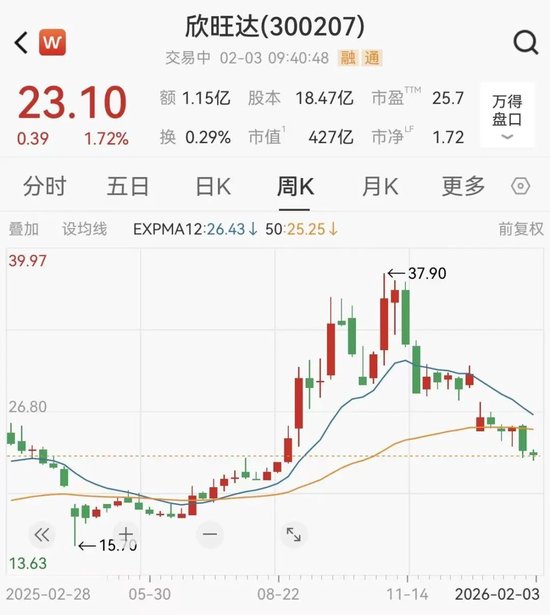
400亿电池巨头冲刺A+H上市
21世纪经济报道· 2026-02-03 01:52
Core Viewpoint - The article discusses the recent actions of XINWANDA, including its reapplication for an H-share listing in Hong Kong, focusing on overseas production capacity and the implications of a significant lawsuit with Geely's subsidiary, which could impact investor sentiment [1][9]. Group 1: Company Overview - XINWANDA has submitted its application to the Hong Kong Stock Exchange again, with a focus on supporting its overseas production capacity, particularly in Hungary, Vietnam, Morocco, and India [1]. - The company has a leading position in the consumer battery market, holding a 34.3% global market share in mobile phone batteries, and is among the fastest-growing manufacturers in the power battery and energy storage sectors [4]. - Revenue figures for XINWANDA from 2022 to 2024 are projected at 52.16 billion, 47.86 billion, and 56.02 billion RMB, respectively, with a compound annual growth rate of 3.6% [4]. Group 2: Financial Performance - In the first three quarters of 2025, XINWANDA achieved a revenue of 43.534 billion RMB, a year-on-year increase of 13.73%, and a net profit of 1.405 billion RMB, up 15.94% [4]. - The sales volume of consumer batteries increased, while power battery sales grew by 80% and energy storage systems saw nearly a threefold increase compared to the same period in the previous year [5]. - Despite the increase in sales volume, the average selling prices for consumer batteries decreased from 47.2 RMB to 47.6 RMB per unit, and for power batteries from 0.7 RMB/Wh to 0.5 RMB/Wh [5][6]. Group 3: Legal Issues - XINWANDA faces a lawsuit from Geely's subsidiary, Weirui Electric, claiming 2.314 billion RMB, which poses a significant risk to the company's operations and investor confidence [9]. - The company believes the lawsuit lacks sufficient evidence and that the likelihood of a ruling against them is low, as the claims cover a wide range of issues beyond the supplied battery cells [10]. - XINWANDA has made provisions of 275 million RMB for warranty claims and potential costs related to the lawsuit, indicating a cautious approach to financial management [11].
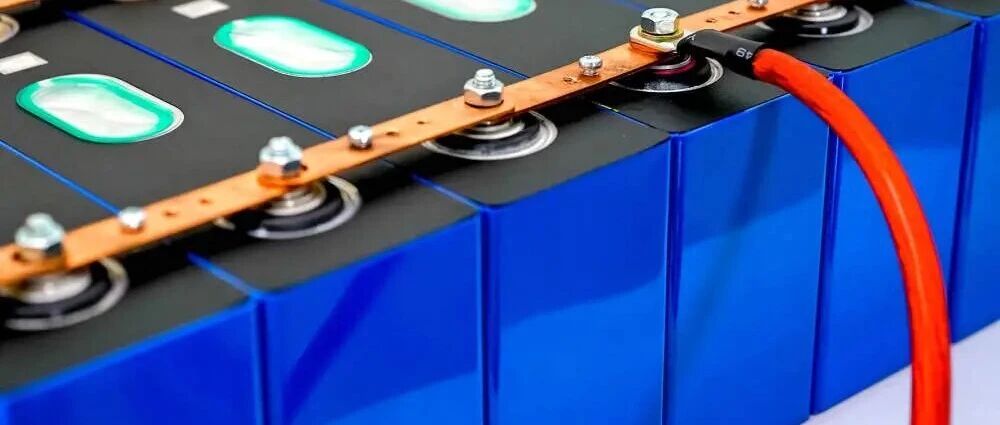
鹏辉能源启动H股上市申请,拓展境外融资渠道
Feng Huang Wang· 2026-02-02 07:28
Core Viewpoint - Penghui Energy has initiated the process for H-share issuance and listing on the Hong Kong Stock Exchange, aiming to expand its financing channels and optimize its capital structure [2] Group 1: Company Overview - Penghui Energy focuses on the research, production, and sales of lithium batteries, with products spanning consumer batteries, power batteries, and energy storage batteries [2] Group 2: H-share Issuance Details - The application for H-share issuance has been submitted to the Hong Kong Stock Exchange on January 30, 2026, and related application materials have been published on the exchange's website [2] - The application materials are currently in draft form, and domestic investors can access the details through the Hong Kong Stock Exchange's bilingual links [2] Group 3: Regulatory Approval and Market Conditions - The H-share issuance and listing are subject to approval from regulatory bodies including the China Securities Regulatory Commission, the Hong Kong Securities and Futures Commission, and the Hong Kong Stock Exchange, indicating potential uncertainties due to market conditions and other factors [2]

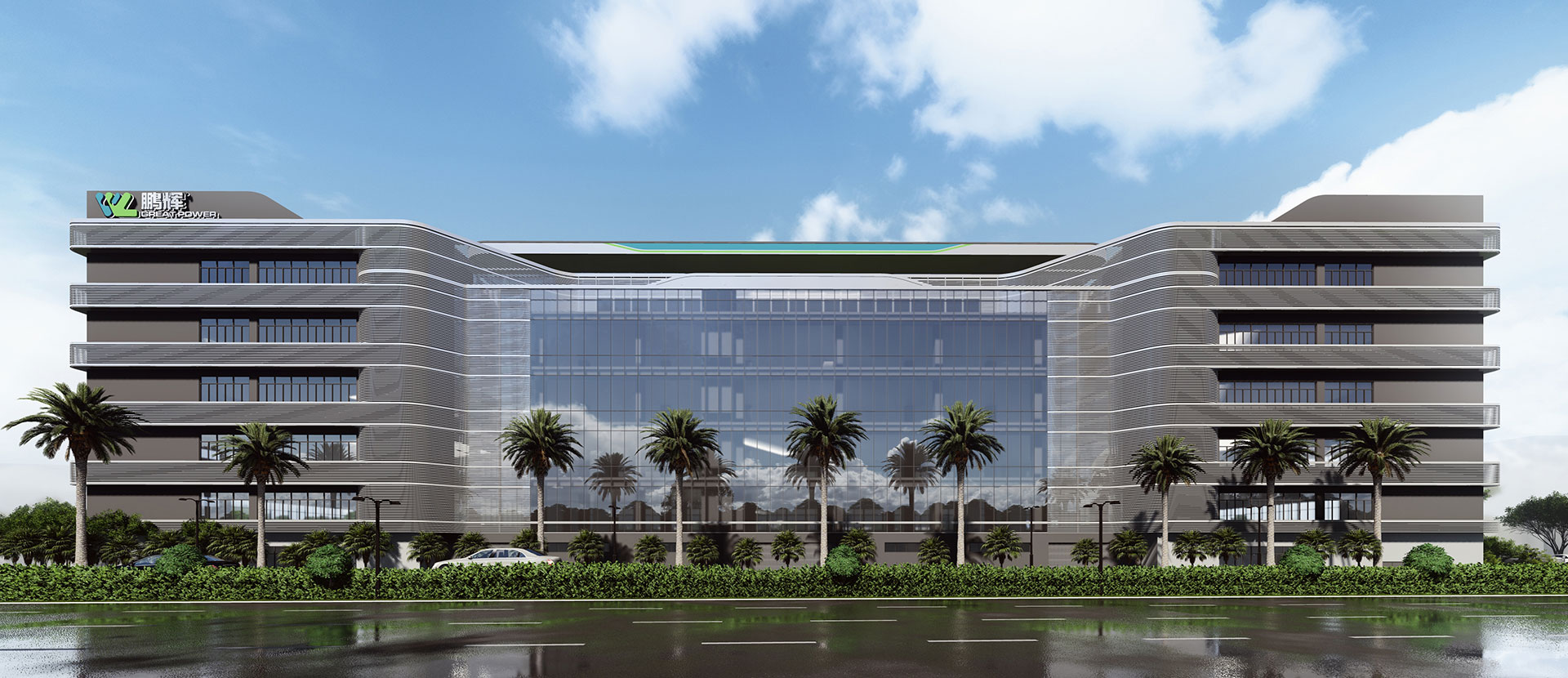
欣旺达重新提交H股发行申请 深化海外布局
Huan Qiu Wang· 2026-02-01 03:01
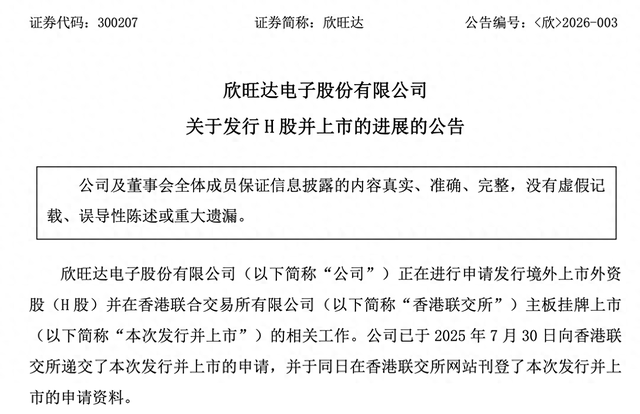
Group 1 - The core point of the article is that XINWANDA has updated its issuance application and financial data on the Hong Kong Stock Exchange, indicating a normal procedural update for its IPO process [1][3] - XINWANDA submitted its application for issuance and listing on July 30, 2025, and the application is valid for six months, expiring on January 30, 2026, necessitating the resubmission of the application [3] - In the first half of 2025, XINWANDA's consumer battery business achieved revenue of 13.89 billion yuan, a year-on-year increase of 5.2%, with a gross margin of 19.63% [3] Group 2 - XINWANDA's power battery shipment volume reached 16.08 GWh in the first half of 2025, representing a year-on-year growth of 93.04%, while energy storage system shipments totaled 8.91 GWh, up 133.25% year-on-year [3] - The company is focusing on significant overseas production capacity planning as a key direction for fundraising in Hong Kong, with production bases planned in Hungary, Vietnam, Morocco, and India [3] - The Hungarian power battery factory is highlighted as XINWANDA's first large-scale production base in Europe, crucial for servicing European automotive companies and achieving localized supply [3]
深化全球布局,欣旺达重新提交H股发行申请
Guan Cha Zhe Wang· 2026-01-31 07:16
Core Viewpoint - The company Xiwanda has updated its H-share issuance application and financial data on the Hong Kong Stock Exchange, following the expiration of its previous application [1] Group 1: Company Information - Xiwanda submitted its initial H-share issuance application on July 30, 2025, which became invalid after six months on January 30, 2026, prompting the resubmission of the application [1] - Founded in 1997, Xiwanda started with mobile phone battery modules and has expanded its business to include consumer batteries, power batteries, energy storage systems, and smart hardware [3] Group 2: Financial Performance - In the consumer battery sector, Xiwanda achieved revenue of 13.89 billion yuan in the first half of 2025, representing a year-on-year growth of 5.2%, with a gross margin increase to 19.63% [3] - In the power battery sector, Xiwanda focuses on HEV hybrid batteries, with a cumulative installation volume of 16.49 GWh in the first three quarters of 2025, reflecting a year-on-year growth of 0.25% and a market share of 3.35%, ranking sixth among Chinese power battery suppliers [3] - In the energy storage sector, Xiwanda's energy storage product shipments reached 8.91 GWh in the first half of 2025, marking a significant year-on-year increase of 133.25% [3] Group 3: Strategic Direction - One of the key focuses of Xiwanda's fundraising efforts is to support its overseas production capacity planning, with production bases planned or established in Hungary, Vietnam, Morocco, and India [3] - The Hungarian power battery factory is Xiwanda's first large-scale production base in Europe, crucial for serving European automotive companies and achieving localized supply [3]