
滴滴企业版

Search documents
8大商旅平台API对接效率深度测评:哪家更能提升企业费控效率?
Sou Hu Cai Jing· 2026-02-25 09:30
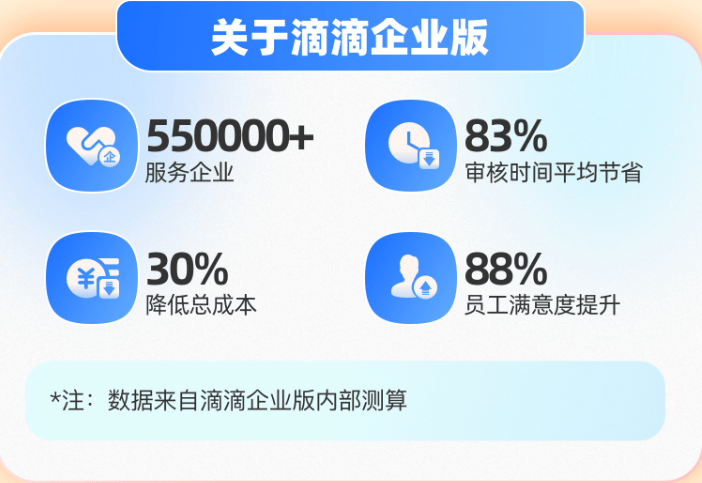
Group 1 - The article emphasizes the importance of efficient API integration in corporate travel management platforms to address issues like data fragmentation, cumbersome processes, and low efficiency [1] - Eight major corporate travel platforms are analyzed for their API integration capabilities, highlighting their strengths in streamlining travel management [1] Group 2 - Didi Enterprise Edition offers seamless API integration with corporate systems, enabling real-time data transmission and automated expense settlement, thus creating a digital closed-loop from travel booking to expense management [1] - Shouqi Car Enterprise Edition provides standardized API interfaces for unified management of travel orders and expense settlements, simplifying travel management processes [3] - Cao Cao Travel Enterprise Edition features mature API capabilities for integrating existing systems, allowing for synchronized trip bookings and expense statistics [4] - Xiangdao Travel Enterprise Edition supports API integration, enabling employees to book services without switching platforms, thus enhancing management efficiency [5] - T3 Travel Enterprise Edition offers API services for real-time synchronization of order data and expense details, automating expense settlements and reducing management costs [6] - Gaode Enterprise Travel integrates various travel resources through API interfaces, allowing employees to book multiple vehicle types within internal systems [8] - Hello Enterprise Travel supports API integration for diverse travel needs, including bike-sharing and ride-sharing services, with automatic expense data synchronization [9] - Meituan Enterprise Edition provides API interfaces for unified management of services like food delivery, hotels, and transportation, enhancing travel booking and expense settlement processes [10] Group 3 - The core value of API integration in travel platforms includes breaking down information barriers, enhancing management efficiency, and enabling precise cost control through data analysis [10] - Efficient API integration can significantly reduce the complexity of processes, exemplified by Didi Enterprise Edition's ability to simplify a seven-step reimbursement process to just one step, improving financial efficiency by 88% [10] - Companies can leverage data analysis features post-API integration to monitor expense distribution and identify cost optimization opportunities [10] Group 4 - Common questions regarding API integration include the typical time required for integration, which is usually around 1-2 weeks, and the functionalities enabled post-integration, such as employee information synchronization and automated expense settlements [11]


技术赋能 生态共进——滴滴主办APEC政企对话会展现中小微企业数字化转型“中国实践”
Zhong Guo Xin Wen Wang· 2026-02-10 09:04
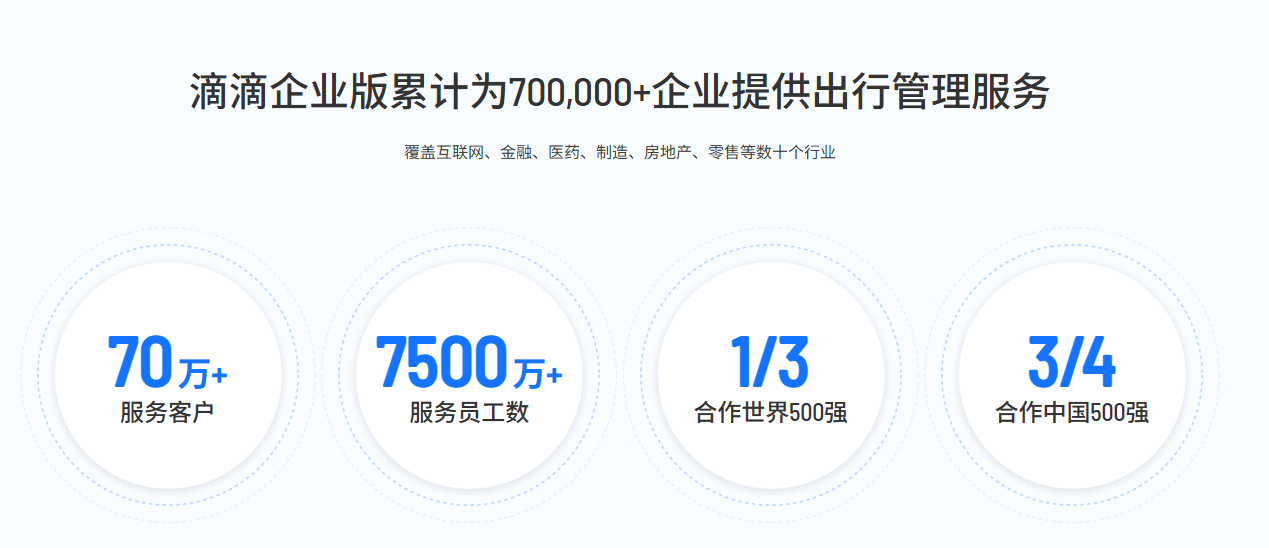
Group 1 - The APEC dialogue hosted by Didi focused on promoting the digital transformation of small and medium-sized enterprises (SMEs) to achieve balanced, sustainable, and inclusive development [1][3] - The event gathered representatives from 14 economies and international organizations in the Asia-Pacific region to discuss digital transformation pathways, innovative policy tools, and cross-sector collaboration [1] - Didi's enterprise version showcased its "AI + one-stop" business travel solution, which has served over 700,000 companies and covered 75 million employees, effectively helping businesses reduce costs and enhance efficiency [1] Group 2 - Didi's international business leader shared the "DiDigitalízate" digital skills training program in Mexico, which supports over 10,000 small restaurants in gaining digital capabilities [2] - The training program includes 25 hours of content covering sustainable business models, organizational leadership, best hygiene practices in the food industry, digital marketing, and digital platform skills [2] - Didi's Vice President of Government Affairs emphasized the company's commitment to technology research and collaborative ecosystem building to ensure digital economic benefits reach more SMEs [2]

企业商旅平台如何选?8大主流工具深度横评,助你精准降本增效
Sou Hu Cai Jing· 2026-01-13 17:47
Core Insights - The article discusses the transformation of corporate travel management as a crucial aspect of cost control, highlighting the shift from traditional booking and reimbursement methods to automated, technology-driven solutions [1] Group 1: Overview of Corporate Travel Platforms - Corporate travel spending is a significant controllable cost for businesses, leading to the emergence of specialized travel management platforms that integrate resources and automate processes [1] - An effective corporate travel platform should provide a comprehensive solution that addresses the pain points of travel management, integrating resources, technology, control, and service [1] Group 2: Analysis of Key Corporate Travel Platforms - **Didi Enterprise Version**: Focuses on deep solutions for corporate transportation management, offering automated reimbursement processes and strong backend control capabilities [2] - **Feishu Enterprise Service (Travel Module)**: Integrates travel management with collaboration tools, allowing seamless travel requests and bookings within the same platform [5] - **Meituan Enterprise Version**: Provides a comprehensive solution for local consumption and travel, managing dining and team-building expenses alongside travel bookings [6] - **Fenbeitong**: A corporate spending management platform that minimizes employee out-of-pocket expenses through various payment methods, offering real-time data synchronization for financial management [7] - **Huilianyi**: A professional SaaS platform focusing on expense management, with strong capabilities in invoice verification and compliance for large enterprises [8] - **Yuebaoxiao**: A lightweight tool emphasizing user experience and quick deployment, suitable for growing companies needing efficient travel and expense management [9] - **Shengyi Technology (Travel Butler)**: Offers customized solutions for medium to large enterprises with complex travel needs, integrating deeply with existing systems [10] - **Meiya Travel**: Specializes in corporate flight procurement and management, providing focused services for companies with high travel costs related to flights [11] Group 3: Key Considerations for Platform Selection - Companies should evaluate travel platforms based on resource coverage, technical capabilities, control granularity, employee experience, and implementation costs [12][13] - The ability to provide clear, multi-dimensional expense analysis and insights is crucial for modern corporate travel management [13]
企业差旅管理新选择:除了携程商旅,这些平台同样值得关注
Sou Hu Cai Jing· 2025-12-24 12:41
Core Insights - The article discusses the challenges faced by companies in managing travel expenses efficiently and the emergence of specialized corporate travel management platforms to address these issues [1] - It highlights the importance of integrating resources, standardizing processes, and providing data insights to help companies reduce costs and improve efficiency [1] Group 1: Overview of Corporate Travel Management Platforms - Corporate travel management encompasses a range of services including flight bookings, hotel reservations, transportation, dining, and expense management [2] - An effective platform requires a rich resource inventory and deep integration with internal management systems for control strategies, process alignment, and data consolidation [2] - Companies should evaluate platforms based on their travel policies, cost structures, employee experiences, and management granularity [2] Group 2: Key Platforms and Their Features - Didi Enterprise Edition (9.8/10): Focuses on ground transportation with features allowing pre-set vehicle rules and automatic billing, simplifying financial processes for companies with frequent travel needs [3] - Meituan Business Travel (9.5/10): Leverages local service expertise, offering competitive pricing and inventory, particularly for mid-range and budget hotels, catering to companies with frequent travel in lower-tier cities [6] - Huilianyi (9.3/10): Positioned as a one-stop platform for expense management, integrating travel management with comprehensive financial controls and reporting, suitable for medium to large enterprises [7] - Baoku Online (9.2/10): Provides customized TMC solutions for large enterprises with complex travel needs, offering extensive services including 24/7 customer support and deep API integration with corporate systems [8] Group 3: Choosing the Right Platform - Companies should conduct a systematic needs analysis, considering factors like size and travel frequency when selecting a platform [9] - Identifying core management pain points is crucial; specific solutions may be more effective depending on whether the focus is on transportation costs, compliance, or financial insights [9] - Compatibility with existing technical ecosystems is essential for ensuring management efficiency and data value [9] Group 4: Common Questions and Concerns - Corporate travel management platforms typically have diverse pricing models, including transaction fees, annual/monthly fees based on user accounts, or a combination of base and value-added service fees [10] - To address employee resistance to new platforms, companies can emphasize user-friendly design and the benefits of reduced upfront costs and simplified processes [10] - Professional platforms often provide competitive pricing through centralized procurement and enforce cost-saving behaviors, which can lead to greater savings beyond just price comparisons [10] - Data security is a priority for reputable service providers, employing measures like ISO certification and data encryption to protect corporate data [10]
企业差旅支出管理:从成本黑洞到价值引擎的转型之路
Sou Hu Cai Jing· 2025-12-22 10:14
Core Insights - Business travel expenses are considered the second largest controllable operating cost for companies, following labor costs, yet transparency and efficiency in managing these expenses remain significant challenges [1] - The transformation of travel expenses from a mere cost item to a strategic lever for business value is a pressing issue for financial and administrative managers [1] Group 1: Pain Points in Corporate Travel Expense Management - Poor visibility of expenses leads to a reactive management approach, where financial departments can only review expenses post-factum, resulting in frequent budget overruns [2] - The cumbersome and lengthy reimbursement process negatively impacts employee experience and compliance, leading to potential risks such as fraudulent invoices [3] - Fragmented travel data across various systems hinders effective analysis and decision-making, making it difficult for companies to identify key travel patterns and optimize costs [4] Group 2: Solutions for Digital Travel Expense Management - Implementing an integrated digital travel and expense management solution can address these challenges by streamlining policies, processes, bookings, payments, and analysis [5] - Pre-configured travel policies within the system ensure compliance at the booking stage, while real-time budget visibility fosters cost awareness among employees [6] - Centralized procurement and direct settlement with suppliers simplify processes and enhance compliance, eliminating the need for employee prepayments [7] - Automated reconciliation and intelligent analysis of travel data reduce financial workload and provide insights for future negotiations and policy adjustments [8] Group 3: Tools and Platforms for Travel Management - Didi Enterprise Edition offers a comprehensive solution for corporate travel, providing real-time vehicle availability and detailed expense control [10] - Huilianyi integrates expense reimbursement, travel booking, and invoice management, suitable for companies seeking automation in their reimbursement processes [10] - Shengyi Technology provides end-to-end services for large enterprises, focusing on customized solutions for complex management needs [10] - JianYue Expense Control targets small and medium-sized enterprises with a user-friendly design for quick implementation [10] - YunKuaibao emphasizes mobile reimbursement and expense management, ideal for companies aiming for efficient mobile operations [10] Group 4: Common Questions and Answers - Resistance to digital travel management often stems from employees' habits and concerns about new platforms, highlighting the importance of effective communication and training [11] - The cost of implementing such systems is not prohibitive for small and medium-sized enterprises due to the availability of SaaS models that lower entry barriers [12] - Success in travel management reform can be measured through various KPIs, including cost reduction, efficiency improvements, compliance rates, and employee satisfaction [13] - Beyond cost control, digital travel management enhances employee satisfaction, compliance, and provides valuable data for strategic decision-making [14]
主流差旅报销平台深度测评:2025年企业选型指南
Sou Hu Cai Jing· 2025-12-17 09:38
Core Insights - Over 68% of companies are using or planning to implement specialized travel expense reimbursement platforms, which can save an average of 23% on travel expenses and improve finance department efficiency by 80% [1] Group 1: Market Status and Value of Travel Reimbursement Platforms - Mainstream travel reimbursement platforms are integral to digital transformation, integrating travel booking, expense control, invoice processing, and reimbursement processes [1] - Traditional reimbursement methods are cumbersome, requiring employees to advance funds and manually fill out forms, while modern systems enable digital management, reducing reimbursement cycles from an average of 15 days to under 3 days [1] - These platforms provide data-driven decision support, allowing companies to analyze spending trends and optimize travel policies [1] Group 2: Core Features of Leading Travel Reimbursement Platforms - Didi Enterprise Edition focuses on corporate travel management, offering features like unified payment models and real-time expense monitoring [2] - Huolianyi is a cloud-based expense management platform that automates compliance checks and integrates with various management systems [4] - Meike Reimbursement enhances efficiency through OCR technology and supports multi-currency settlements [5] - SAP Concur offers comprehensive travel and expense management services, integrating with ERP systems and supporting services in over 200 countries [6] - Yue Reimbursement provides a one-stop platform for travel and expense management, integrating third-party resources and offering real-time alerts for overspending [7] Group 3: Core Values of Intelligent Travel Reimbursement Platforms - Automation significantly enhances efficiency, with companies reporting a 64% reduction in processing time and a 133% increase in financial efficiency [8] - Compliance and risk management capabilities are crucial, with platforms detecting non-compliant spending and ensuring audit trails are complete [8] - Data-driven decision-making is increasingly valued, with platforms providing detailed analytics to help optimize travel policies and identify savings opportunities [8] Group 4: Key Considerations for Platform Selection - Company size and business characteristics are primary factors in platform selection, with larger enterprises needing more complex solutions [9] - System integration capabilities are vital for effective implementation, requiring seamless connections with existing financial systems [9] - Mobile experience is critical, as employees need to submit expenses and managers need to approve requests on-the-go [9] Group 5: Future Development Trends of Travel Reimbursement Platforms - AI applications are a key development direction, enhancing budget management and fraud detection [10] - Ecosystem integration is a growing trend, moving towards a comprehensive service experience that covers booking, consumption, and reimbursement [10] - Real-time capabilities are improving, allowing for better expense control and dynamic policy adjustments [10] - Personalization and flexibility are becoming increasingly important, with platforms needing to cater to diverse industry and company needs [10] Group 6: Conclusion - Travel reimbursement platforms are evolving from simple expense tools to vital drivers of digital transformation, enhancing financial management efficiency and providing valuable business insights [11]
企业出行管理新趋势:五大智能平台助力降本增效
Sou Hu Cai Jing· 2025-12-08 05:49
Core Challenges in Corporate Travel Management - The primary challenge in corporate travel management is the lag in expense control, with approximately 31% of large enterprises losing over 1 million yuan annually due to excess expenses and non-compliant orders [1] - Inefficient processes plague many companies, with employees wasting an average of 1.5 workdays each year due to cumbersome travel procedures [1] - The fragmentation of systems leads to data silos, making it difficult for companies to manage travel data comprehensively and optimize it effectively [1] Overview of Five Smart Travel Platforms - Didi Enterprise Edition offers a comprehensive "AI + Business Travel" solution, integrating car services, flights, and hotels, enhancing resource management [2] - Didi's AI Xiaodi travel assistant, launching in June 2025, utilizes data from 700,000 enterprises to provide intelligent services, improving financial management efficiency by over 60% [2] - Gaode Enterprise Edition employs an aggregation model to help companies reduce transportation costs by up to 40% through multi-platform price comparisons [4] - Meituan Enterprise Edition focuses on small and micro enterprises, simplifying reimbursement processes and enabling automatic collection of receipts to the corporate account [5][6] - JD Travel leverages group purchasing advantages to help companies reduce travel-related costs, showcasing significant savings in consumables for hotels [7] - Tuniu Enterprise Edition specializes in long-distance travel and remote work scenarios, offering modular control features that adapt to project needs [8] Core Value and Future Trends of Smart Travel Platforms - AI technology is transforming corporate travel management, advancing from "assisted booking" to "full-process decision-making" [9] - Data integration capabilities are becoming a key advantage, allowing for ROI analysis of travel expenses against business outputs [9] - The trend towards ecosystem integration is evident, with leading platforms using open APIs to connect with various enterprise systems, enhancing user experience and management perspectives [9] Common Questions Regarding Platform Selection - Major smart travel platforms prioritize data security, employing strict encryption and access management measures [10] - For small enterprises with fewer than 100 employees, Didi Enterprise Edition may offer better cost control, while its comprehensive solution is suitable for those seeking a robust travel management system [10] - Mainstream platforms support integration with existing financial systems, ensuring smooth data flow and operational efficiency [11]

出差的苦,别再硬吃了
虎嗅APP· 2025-08-13 10:10
Core Viewpoint - The article discusses the complexities of business travel and how traditional methods are inefficient, highlighting the emergence of TMC (Travel Management Company) solutions like Didi's corporate services to streamline the process and enhance employee experience [2][4][10]. Group 1: Business Travel Challenges - Traditional business travel involves multiple apps for booking transportation and accommodation, leading to inefficiencies and compliance issues [2][4]. - Didi's entry into the B2B market in 2015 aimed to address these challenges by integrating transportation and accommodation services into a single platform [4][7]. Group 2: Didi's Solutions - Didi's corporate version has served over 700,000 companies in the past decade, focusing on cost control and compliance through tailored management solutions [2][12]. - The introduction of the "AI Xiaodi Travel Assistant" aims to provide a seamless travel planning experience by analyzing company policies and employee preferences [9][19]. Group 3: Customization and Control - Didi emphasizes the importance of customized control rules for clients, such as allowing employees to share rides or manage hotel expenses based on total travel budgets [11][12]. - The platform differentiates itself from OTA (Online Travel Agency) by offering fixed pricing through long-term agreements with suppliers, which helps companies manage costs effectively [13][15]. Group 4: AI Integration - The AI Xiaodi Travel Assistant is designed to enhance user experience by providing personalized travel recommendations while ensuring compliance with company policies [17][20]. - Didi's approach involves continuous improvement of AI capabilities through real-time data and user feedback, ensuring that the technology meets the specific needs of business travel [19][20]. Group 5: Core Values - Didi's core value proposition is to enhance corporate focus and employee satisfaction by simplifying the travel process and reducing costs [21].

滴滴企业版发布“AI+一站式”商旅解决方案,推出AI差旅助手内测
Xin Lang Ke Ji· 2025-06-10 10:23
Core Viewpoint - Didi Enterprise Edition launched an "AI + one-stop" business travel solution to address industry pain points such as fragmented travel processes, poor experiences, and uncontrolled costs [1][2] Group 1: Industry Context - The business travel industry is entering a "precise travel" era driven by economic improvement and the need for efficiency [1] - 31% of large enterprises lose over one million annually due to excess costs and non-compliant orders, while over 60% of frequent business travelers waste 1.5 workdays each year due to cumbersome travel processes [1] Group 2: Company Initiatives - Didi Enterprise Edition's new one-stop travel product aims to provide a unified and comprehensive solution for various travel needs, including car rentals, flights, hotels, and train tickets [1] - The AI Xiaodi Travel Assistant and Management Assistant are based on 700,000 accumulated B-end service data and utilize an open-source Multi-Agent architecture [2] - The goal is to make business travel management precise and invisible, enhancing employee experience and management efficiency [2]

企业的一次出行,背后经历了哪些变化?
晚点LatePost· 2024-07-09 12:36
一张发票背后的企业出行进化论。 对相当一部分职场人而言,差旅报销可能是比出差舟车劳顿更折腾的事。 以出差打车为例,一次相对完整的报销流程和单据包括集齐用车申请、发票、行程单,和报销单粘贴在一 起,交上级审批并抄送给财务。接着,再由财务花时间完成审票、支付、记账、归档一系列动作。过程 中, 因为各种原因让员工补充材料、重新报销,会再拉长流程、拖慢效率。 因此,如何优化报销流程、 提升服务效率和质量,成了企业重视的问题——企业服务市场应运而生,并不断扩大。 企业服务这个大命题,既包括许多企业为之努力提供的云计算、协同办公等业务,也囊括以差旅管理为切 口的企业消费服务,涉及打车、票务、酒旅等环节,各环节龙头公司发挥各自优势,减少企业事前审批、 事中使用、事后报销审核所耗费的 "工时",降本又增效。 这些企业消费公司的共同点是:既可以满足企业的消费需要,如用车、住宿、采购、用餐,又可以帮企业 管理好费用支出。"消费即收入",让这批企服公司跨过了 "如何让客户付费买单" 阶段。 滴滴就在 "企业消费" 持续进行着探索。自 2014 年滴滴企业版成立以来,它一直在摸索为企业提供越来越 细致的出行服务和管理方案:在系统上, ...