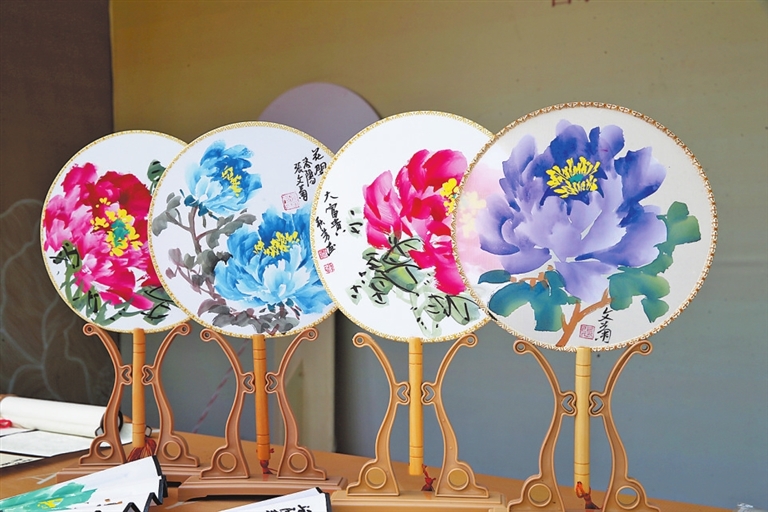
牡丹花茶

Search documents
打破可食用牡丹单一品种瓶颈 “香玉牡丹花”获批新食品原料
He Nan Ri Bao· 2026-02-08 23:28
Core Viewpoint - The approval of "Xiangyu Peony" as a new edible flower variety marks a significant breakthrough in China's peony deep processing industry, enhancing product innovation and quality development in the sector [1][2]. Group 1: Industry Development - The approval of "Xiangyu Peony" breaks the single variety bottleneck in edible peonies, which previously had only "Danfeng Peony" as a usable variety for food processing [1]. - The peony industry in China has faced challenges due to a focus on ornamental use rather than practical applications, with over 1,400 varieties primarily used for decoration or oil extraction [1]. - The successful approval of "Xiangyu Peony" is expected to drive the industry towards high-value sectors, including food products and cosmetics, by enhancing the characteristics of peony-based offerings [2]. Group 2: Research and Development Efforts - A collaborative research team undertook a five-year project to identify suitable peony varieties for food use, focusing on factors such as local resource availability, stability, and fragrance intensity [2]. - "Xiangyu Peony" was selected for its rich aroma and abundant petals, undergoing comprehensive safety assessments to meet national approval standards [2]. - The innovation in edible peony varieties is anticipated to stimulate upstream agricultural practices, pushing for standardized and scaled cultivation methods to meet the growing demand for food-grade peonies [2].
每逢佳节倍“尝”新、大国粮仓“底气”足 沉浸式感受饭碗里的新变化
Yang Shi Wang· 2025-10-02 07:16
Core Viewpoint - The article highlights the vibrant food supply chain during the Mid-Autumn and National Day festivals in China, showcasing advancements in agricultural technology and logistics that ensure food quality and availability for consumers. Group 1: Agricultural Production - The autumn harvest in Heilongjiang, China's largest grain-producing province, covers over 200 million acres, showcasing a significant scale of production [3] - In the Beidahuang area, drones and autonomous harvesters are used to document the ongoing harvest, emphasizing the efficiency and scale of operations [5] - The production line in Heilongjiang processes 400 tons of rice daily, operating continuously to meet demand [12] Group 2: Supply Chain and Logistics - A digital platform connects the agricultural fields to processing factories, ensuring real-time monitoring of rice quality and freshness [7] - The transportation of new grain from Northeast China began at the end of September, with a focus on rapid and safe logistics through partnerships between major food companies and railways [16] - The total amount of summer grain stored exceeds 100 million tons, with a notable increase in the quality of stored grains [18] Group 3: Technological Integration - Advanced technology is utilized in food processing, with automated systems enhancing efficiency in sorting and packaging [21][22] - The integration of IoT and digital retail systems allows for 24-hour fresh delivery of various food products, improving supply chain responsiveness [23] Group 4: Consumer Trends and Economic Impact - The article discusses the evolution of festive dining, moving beyond traditional dishes to a diverse array of new culinary offerings, reflecting the growth of the "taste economy" [26] - In Luoyang, innovative pastry products incorporating local cultural elements are being developed, showcasing the intersection of tradition and modern consumer preferences [29][30] - The food industry is experiencing a transformation driven by consumer demand, with a focus on quality and variety in food offerings [31]

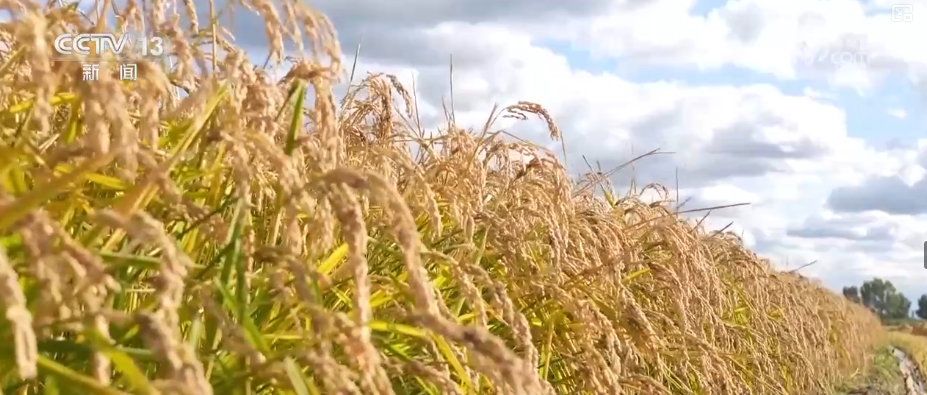
吕宇峰的菏泽调研笔记
Sou Hu Cai Jing· 2025-09-25 06:58
Core Insights - The article highlights the transformation of Heze, a traditional agricultural city, in the context of rural revitalization and industrial transition in China [1][4]. Group 1: Agricultural Transformation - Heze's traditional peony industry has evolved beyond ornamental and medicinal uses to include high-value products such as essential oils, flower tea, and cosmetics, indicating a significant extension of the industrial chain [4]. - The use of modern agricultural techniques, such as soilless cultivation, is changing production methods in the region, showcasing the impact of technology on local agriculture [4]. Group 2: Local Engagement and Innovation - The research emphasizes the importance of grassroots innovation and local wisdom, which are crucial for the region's transformation, combining top-down policy guidance with bottom-up community efforts [4]. - Conversations with local farmers reveal a mix of pride in their work and concerns about market fluctuations and technological advancements, highlighting the challenges faced by the agricultural community [3]. Group 3: Economic and Cultural Reflections - The article reflects on the broader changes occurring across China, likening them to the blooming of peonies in Heze, symbolizing growth rooted in deep cultural and historical soil [6]. - The research report aims to convey not just data and trends but also the vibrant and grounded nature of development in Heze, emphasizing the emotional and cultural dimensions of economic change [6].
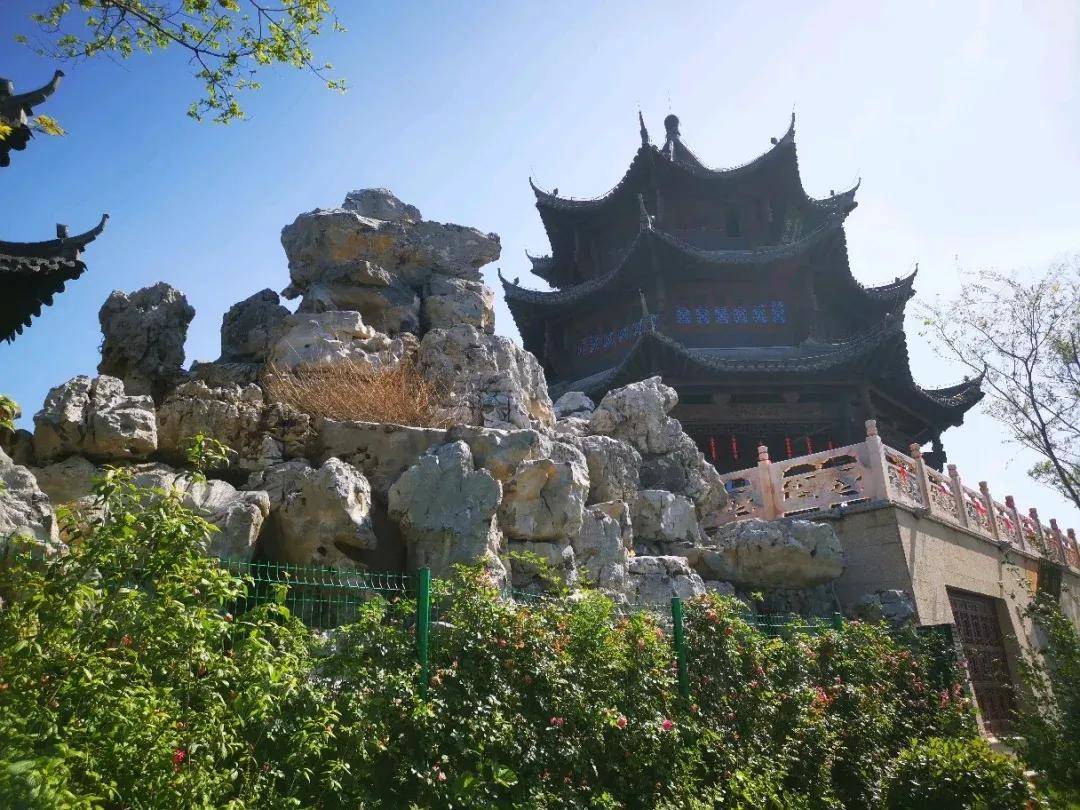
“茶和天下 豫见洛阳”雅集在大阪中之岛美术馆开幕
人民网-国际频道 原创稿· 2025-05-17 09:13
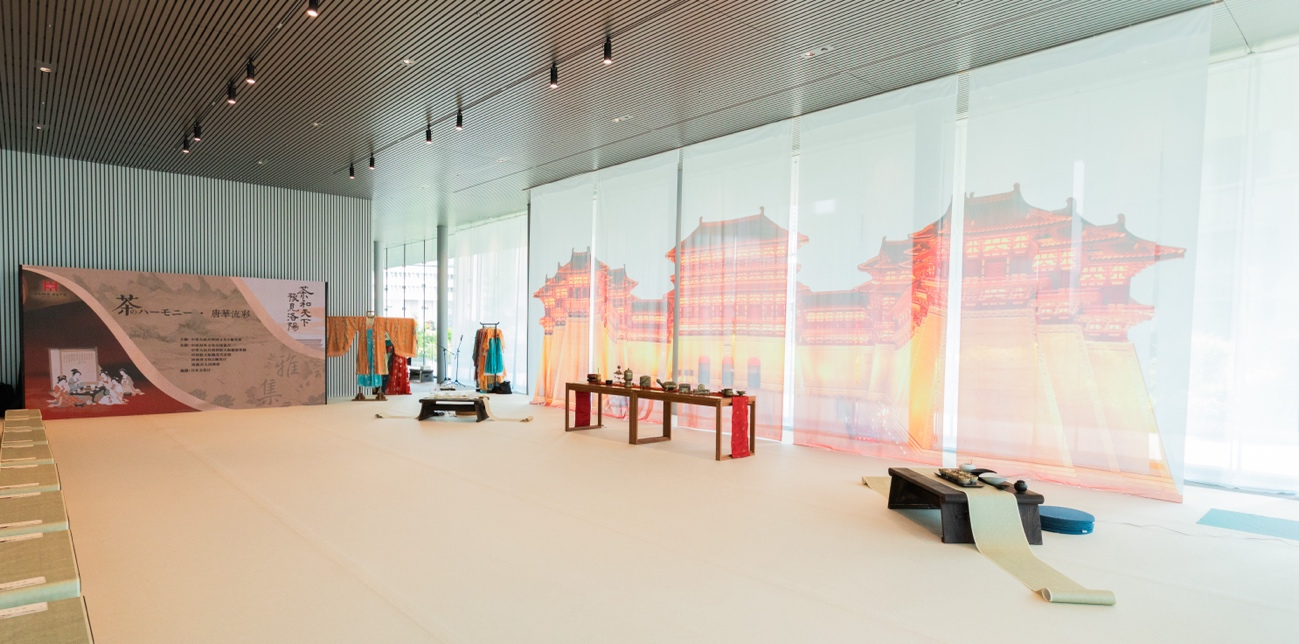
Core Viewpoint - The event "Tea and the World: A Gathering in Luoyang" celebrates the inclusion of "Chinese traditional tea-making skills and related customs" in UNESCO's list of intangible cultural heritage, showcasing cultural exchange through tea [1][22]. Group 1: Event Overview - The "Tea and the World: A Gathering in Luoyang" event commenced in Osaka, Japan, featuring participation from over a hundred guests, including officials from Chinese consulates and cultural institutions [3][5]. - The event is designed to highlight the cultural heritage of Luoyang, integrating elements of traditional Chinese aesthetics and poetry into its visual presentation [4]. Group 2: Cultural Performances - A specially created performance titled "Bai Juyi's Spring Tea Party" narrates the relationship between the poet Bai Juyi and tea, using a poetic narrative structure to connect three tea experiences [6]. - The performance includes a dance titled "Dragon Gate King Kong," showcasing the artistic representation of Tang Dynasty culture through classical dance and visual storytelling [9][11]. Group 3: Interactive Experiences - The event features hands-on experiences, such as creating "Peony Fragrance Cards" and replicating ancient artifacts, allowing participants to engage with the cultural heritage of Luoyang [12][16]. - A "Hanfu Experience Zone" invites guests to wear Tang Dynasty clothing, enhancing the immersive experience of the spring tea gathering [16][18]. Group 4: Cultural Significance - The gathering combines thematic tea ceremonies, intangible cultural heritage displays, and immersive experiences, presenting a multifaceted view of Tang Dynasty culture [19]. - The event aims to convey the cultural spirit of "meeting friends through tea, communicating through tea, and connecting hearts through tea" to a global audience [19].
繁花经济 要颜值更要产值
He Nan Ri Bao· 2025-04-30 23:31
Core Viewpoint - The flower industry in Henan province, particularly in cities like Nanyang, Luoyang, and Kaifeng, is experiencing growth but faces challenges in production levels, transaction models, and the need for value-added products [1][4][15]. Group 1: Industry Development - Nanyang is recognized as the largest base for rose seedling cultivation in China, with 155,000 acres of flower fields producing 1.6 billion seedlings annually, employing 150,000 people [2]. - The city has transformed its rose industry by creating a "Rose Big Market" that showcases various rose varieties and offers comprehensive solutions beyond just seedling sales [2][4]. - The market for roses is expanding, with 88 cities in China designating roses as their city flower, leading to a surge in themed parks [4]. Group 2: Challenges and Opportunities - Despite holding 60% of the national market share for rose seedlings, Nanyang faces challenges in product development, brand building, and secondary processing capabilities [4]. - The flower industry in Henan is primarily focused on the first industry (seedling production), with limited development in secondary (processing) and tertiary (services) industries [4][15]. - There is a call for deeper exploration of the multi-functional value of roses, including medicinal, culinary, and industrial applications [4]. Group 3: Innovations and Trends - The flower industry is shifting from traditional sales methods to e-commerce and live streaming, with online sales currently accounting for less than 20% of transactions [10][12]. - Companies are encouraged to adopt digital technologies to enhance the efficiency of flower production and sales, aiming for a transformation from "product sales" to "horticultural lifestyle services" [14]. - The introduction of new technologies and equipment is improving production processes, such as the drying of peony flowers, which has doubled efficiency [7][8]. Group 4: Future Directions - The Henan province aims to increase its flower cultivation area to 1.363 million acres by the end of 2024, with 551,000 people employed in the industry [15]. - There is a focus on enhancing the quality of flower products and developing unique varieties with intellectual property rights [15][16]. - The province plans to establish a comprehensive flower trading platform that integrates trading, warehousing, and tourism, positioning itself as a national and global flower distribution center [13][14].