
物流无人车

Search documents
【认真学习贯彻党的二十届四中全会精神·理论圆桌】数智时代,如何全方位提升职工生活品质?
Xin Lang Cai Jing· 2026-02-08 19:33
Core Insights - The pursuit of quality of life among workers has shifted from "quantity" to "quality" enhancement [6][7] - The impact of digital intelligence technology presents a "double-edged sword" effect, creating and empowering employment while also introducing new risks and challenges [9][10] - There is a focus on building a framework for improving workers' quality of life centered on "technology for good, rooted rights, and shared development" [1][14] Group 1: Workers' Quality of Life - Continuous improvement of workers' quality of life reflects the people-centered development philosophy and is crucial for high-quality union work [2][3] - Workers are a vital force in promoting common prosperity and sharing its benefits, making the enhancement of their quality of life essential for expanding domestic demand and improving labor relations [2][3] - The core components of workers' quality of life in the digital age include dignity in labor, comprehensive safety nets, work-life balance, spiritual fulfillment, and resilience in development [4][5] Group 2: Changes in Workers' Expectations - Workers' expectations for a better life have significantly changed, moving from "survival" needs to "development" needs, emphasizing dignity, mental health, and personal growth [4][5] - There is a shift in value orientation from "economic priority" to "comprehensive balance," with equal importance placed on job autonomy, creativity, and fairness [4][5] - Workers are increasingly demanding active participation in the formulation of rules affecting their rights, particularly regarding algorithmic governance [4][5] Group 3: Role of Digital Intelligence Technology - Digital intelligence technology has played a dual role as an "accelerator" and "enabler" in enhancing workers' quality of life, improving service efficiency and optimizing labor environments [8][7] - The application of AI in union work has increased efficiency in recruitment, job matching, performance evaluation, and rights protection [7][8] - The introduction of smart sorting systems in logistics has significantly improved efficiency and income for workers, demonstrating the positive impact of technology on employment [4][5] Group 4: Challenges and Opportunities - The rapid advancement of digital technology has led to structural changes in workers' core demands, with a focus on employment value, fair compensation, and personalized social security [5][6] - The rise of flexible employment has created new challenges in income, social security, and professional training for workers, necessitating innovative responses from various sectors [9][10] - The need for systemic interventions to address the "digital divide" and ensure equitable access to digital services and training is critical for improving workers' quality of life [10][11] Group 5: Future Directions - The construction of a skill enhancement system that meets the demands of the digital age is essential, focusing on lifelong learning and the integration of AI in training programs [11][12] - Unions are transitioning towards a data-driven and proactive service model, aiming to enhance the precision and effectiveness of their support for workers [13][14] - Collaboration among government, enterprises, and unions is necessary to create a supportive environment for workers, ensuring their rights and promoting a culture that values labor and skills [15][16]
从200台到2万台,九识智能如何赢下菜鸟?
创业邦· 2026-02-06 11:32
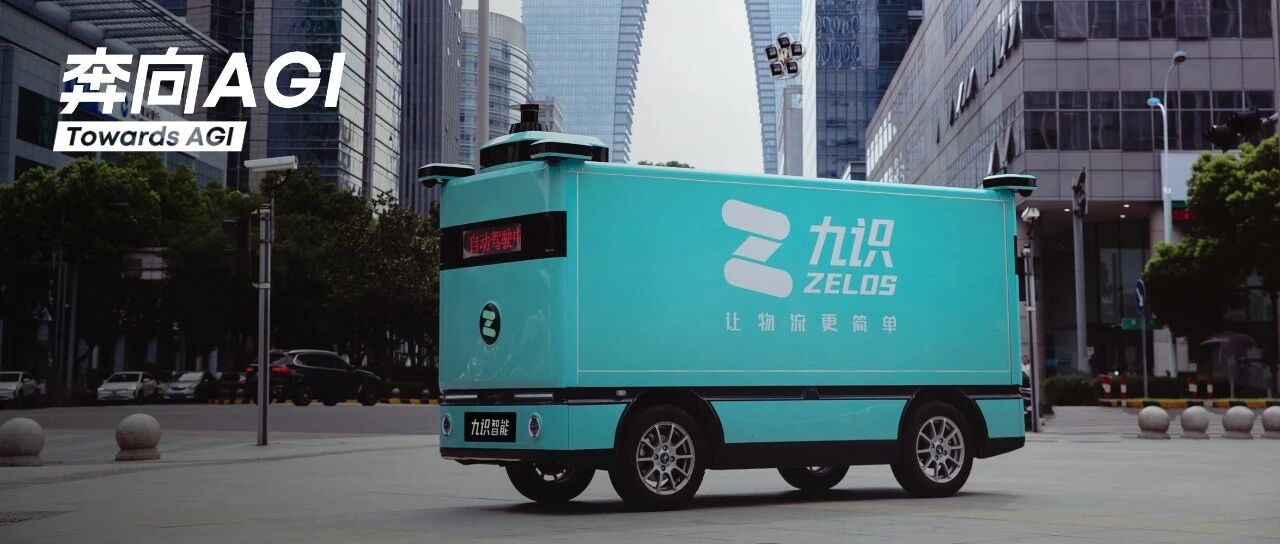
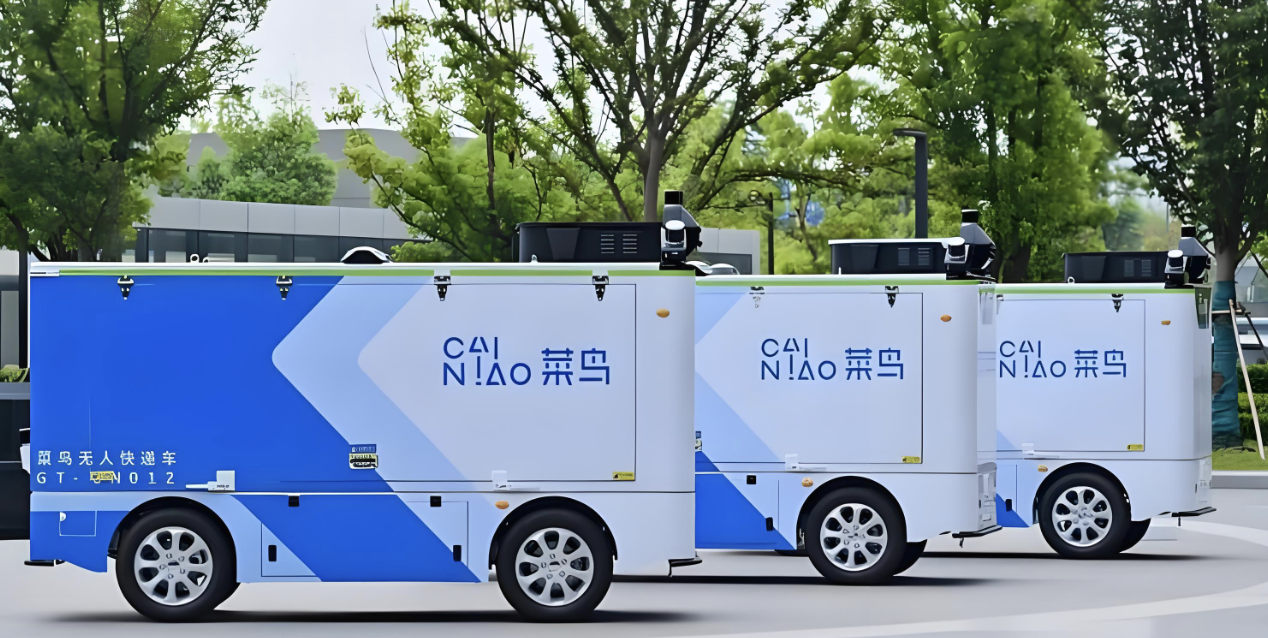
Core Viewpoint - The competition in the unmanned logistics vehicle sector has entered a decisive phase, with companies focusing on scaling and commercial efficiency rather than just storytelling and demonstrations [4][6]. Group 1: Investment and Mergers - New Stone has received strategic investment from Tencent, involving over $600 million in financing from the previous year [2]. - The merger of Cainiao's unmanned vehicle business with Jiushi Intelligent has created the largest unmanned logistics vehicle fleet in China, exceeding 20,000 vehicles [4][16]. - The merger reflects a strategic choice by Alibaba's Cainiao Logistics to collaborate with a winning company in the unmanned logistics vehicle sector [3][14]. Group 2: Industry Development and Trends - The logistics unmanned vehicle industry is transitioning into a new phase focused on scaling operations and commercial efficiency, with technology, operational services, and ecosystem collaboration as key competitive factors [4][12]. - Jiushi Intelligent's fleet is expected to grow rapidly, with plans to deploy 200 vehicles in 2023, 2,000 in 2024, and reach 20,000 by early 2026 [9][20]. - The industry is moving from a "burning money to build scale" model to a "profitable scaling" model, emphasizing operational efficiency and cost reduction [18][22]. Group 3: Business Model and Market Strategy - Jiushi Intelligent's business model allows clients to reduce logistics costs significantly, with monthly costs for unmanned vehicles estimated at 2,000 to 3,000 yuan [19][20]. - The emergence of a new business model where clients rent out excess capacity of unmanned vehicles has transformed them from cost-saving tools to profit-generating assets [25]. - Jiushi Intelligent aims to build a city-level transportation service system, integrating unmanned vehicles with a comprehensive logistics framework [26]. Group 4: International Expansion - Jiushi Intelligent has begun international operations, obtaining the first unmanned vehicle license in Singapore and planning to deploy nearly 100 vehicles in collaboration with local partners [28]. - The company is also exploring opportunities in Europe and the Middle East, adapting its approach to local market conditions and regulations [29]. - The experience of entering overseas markets emphasizes the importance of profitability and value creation for partners [29].

长三角无人车跨界融合探索大会举办
Zhong Guo Jing Ji Wang· 2026-01-19 08:28
Core Insights - The conference focused on the integration of autonomous vehicles and logistics, showcasing advancements in technology and application scenarios in the automotive and logistics sectors [1][2] - Chery Commercial Vehicle unveiled a landmark product, highlighting breakthroughs in technology development and its applications in logistics and public services [1] - Nanying County was recognized as the first nationwide pilot for open road rights for all-domain unmanned delivery, enhancing logistics capabilities to rural areas [1] Industry Developments - Nanying County has established a collaborative development pattern in the automotive and intelligent logistics equipment industries, with over 100 companies in automotive parts and a complete supply chain for logistics equipment [2] - The logistics sector in Nanying has achieved over 20 million deliveries and has surpassed one million kilometers in driving distance for unmanned delivery vehicles [2] - The conference aims to further integrate Nanying into the Yangtze River Delta industrial development, promoting the fusion of automotive and logistics equipment industries [2]
菜鸟入股九识智能?一场货运无人车行业的“超级整合”猜想
Xin Lang Cai Jing· 2026-01-08 08:49
Core Viewpoint - The logistics autonomous vehicle industry is witnessing significant financing and strategic partnerships, with Alibaba's Cainiao Group reportedly planning to invest in Jiushi Intelligent, aiming for deeper integration and collaboration to strengthen market leadership [1][2][4]. Group 1: Strategic Collaboration - The collaboration between Cainiao and Jiushi Intelligent is focused on integrating technology and ecological resources to enhance their dominance in urban delivery markets and expand into the global autonomous freight market [2][4]. - This partnership is seen as a strategic move rather than a superficial investment, indicating a deeper resource optimization as the industry matures [1][2]. Group 2: Company Profiles - Jiushi Intelligent, with a market share leading position, has a strong team from top institutions like Baidu and Waymo, and has recently secured a record order of 7,000 autonomous vehicles from China Post [4][5]. - Cainiao, backed by Alibaba, has a robust foundation in AI and machine vision, and has been developing autonomous vehicles since 2013, with plans to expand its global logistics network [5][6]. Group 3: Market Dynamics - The logistics autonomous vehicle market is evolving from a technology showcase to a mature commercial operation, with applications expanding beyond delivery to include sanitation and security [6][9]. - The anticipated partnership between Jiushi Intelligent and Cainiao is expected to accelerate the industry towards a "ten-thousand vehicle" operational norm, enhancing scalability and efficiency [9][11]. Group 4: Financial Implications - The potential investment from Cainiao is viewed as a signal of deepening capital integration in the autonomous freight sector, moving from simple financial investments to ecosystem building [8][11]. - Jiushi Intelligent has undergone multiple funding rounds, raising significant capital, which supports its expansion into over 300 cities with more than 15,000 deployed vehicles [4][8].
搞自驾这七年,绝大多数的「数据闭环」都是伪闭环
自动驾驶之心· 2025-12-29 09:17
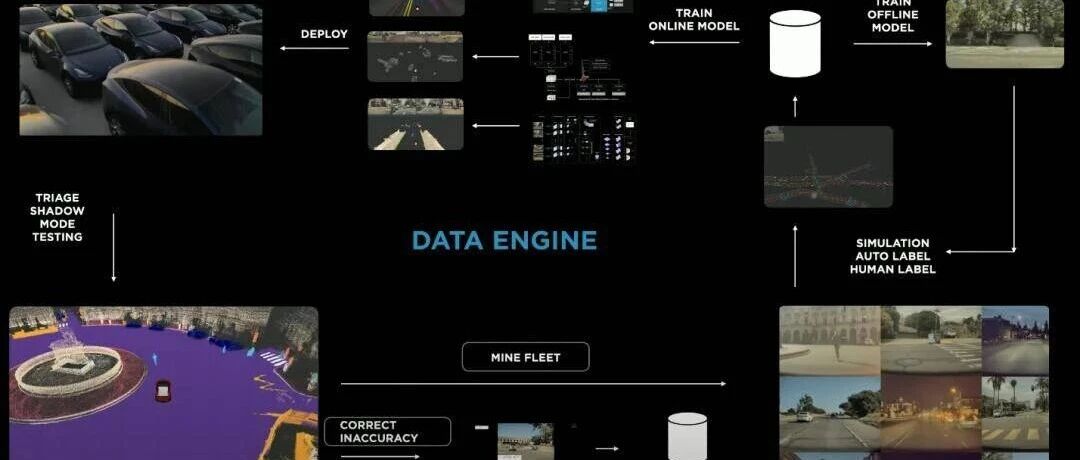
Core Viewpoint - The concept of a "true data closed loop" in the autonomous driving industry is still far from realization, with most current implementations being limited to small, internal loops within individual algorithm teams rather than the comprehensive systems envisioned in early presentations [1]. Group 1: Definition of a True Data Closed Loop - A true data closed loop should automate problem discovery, allowing systems to identify anomalies from vast operational data without relying on manual feedback [4]. - The effectiveness of solutions must be quantifiable and reviewable, requiring a comprehensive trigger system that integrates real-time and historical data analysis [5]. - The system should continuously assess whether the investments in data, computing power, and development yield satisfactory results [5]. Group 2: Current Industry Practices - Many companies currently operate under a "data-driven development process with some automation tools," which are often limited to the perspectives of individual algorithm teams [8]. - Typical workflows are more about module-level, algorithmic closed loops rather than a holistic system-level approach [9]. Group 3: Challenges in Achieving True Data Closed Loops - Many existing systems are reactive rather than proactive, relying on manual identification of issues rather than automated detection [10]. - Attribution of problems is often difficult, as multiple interrelated factors contribute to issues, making it hard to pinpoint the source of a problem [12]. - The transition from data to actionable solutions often halts at the model training stage, lacking a clear connection to real-world problems [16]. - The degree of "self-healing" in current systems is limited, with many platforms resembling automated production lines rather than self-correcting systems [17]. - Organizational structures often fragment the closed loop, leading to communication issues between teams [18]. Group 4: Practical Implementation of Data Closed Loops - The company has developed a more aggressive approach to data closed loops, treating data as a product and metrics as primary citizens [24]. - The methodology emphasizes quantifying real-world pain points and ensuring all critical incidents are recorded accurately [26]. - A micro log and mini log mechanism is employed to capture high-recall, low-overhead data from vehicles, focusing on significant driving events [30]. - The system allows for dynamic control of data mining tasks based on real-time needs, ensuring flexibility in data collection [59]. Group 5: Distinction Between World Labels and Algorithm Labels - The company maintains two types of labels: world-level labels that describe the physical environment and model-level labels that reflect algorithm performance [61]. - This distinction is crucial for effective data analysis and problem-solving, ensuring that the focus remains on real-world scenarios rather than solely on algorithmic outputs [61]. Group 6: Use of Generative and Simulation Data - Generative data is utilized to address long-tail scenarios that are difficult to encounter in reality, but it is not a substitute for real-world evaluation [67]. - The company emphasizes that while recall rates may improve with generative data, the potential for increased false positives must be carefully monitored [70].
吹响L3的号角,迎来L4的曙光
2025-12-24 12:57
Summary of Conference Call Records Industry Overview - The conference call discusses advancements in the autonomous driving industry, particularly focusing on L3 and L4 levels of automation. The expectation is that 2026 will mark a significant year for autonomous driving technology adoption [1][2]. Key Points on Autonomous Driving Technology - **L3 and L4 Levels**: L3 automation allows for hands-free driving under specific conditions, while L4 represents fully autonomous driving capabilities. The transition from L3 to L4 will involve a gradual shift from human-operated to fully autonomous systems [3][4]. - **Market Expectations**: The market is optimistic about L3 technology, with several domestic and international automakers, including Mercedes and various Chinese companies, actively pursuing development and testing [2][5]. - **Key Hardware Requirements**: High-level autonomous driving relies on essential hardware such as cameras, LiDAR, high-speed connectors, and advanced driving chips, with processing capabilities starting from 500 TOPS [6]. Commercial Applications - **Robotaxi Development**: Robotaxi services, based on L4 technology, are being piloted in several cities and are seen as a crucial component of future smart mobility solutions [8]. - **Logistics and Mining Applications**: L4 technology is primarily applied in logistics and mining sectors, with expectations for significant market growth. The logistics autonomous vehicle market is projected to reach a penetration rate of 20% by 2030, with a market potential of 60 billion RMB [9][11]. Company Insights - **Key Players**: Major companies in the logistics autonomous vehicle sector include Jiushi Intelligent, New Stone, and White Rhino, with Jiushi Intelligent leading in operational scale and market share [13]. - **Financial Performance**: Jiushi Intelligent reported operating over 14,000 vehicles with significant delivery volumes, while other companies like Yikong Zhijia and Xidi Zhijia are also notable players in the mining autonomous vehicle market, though they have yet to achieve profitability [26][27]. Market Dynamics - **Investment Trends**: There is a growing investment interest in logistics autonomous vehicles, with significant funding rounds reported for companies like Jiushi Intelligent and New Stone [10]. - **Pricing Strategies**: Companies are adjusting pricing models to cover costs and improve profit margins, with examples of new pricing strategies being implemented by Jiushi Intelligent [17]. Future Outlook - **Market Growth Potential**: The logistics autonomous vehicle market is expected to grow rapidly, with a projected market space of 600 billion RMB by 2030. The demand for autonomous vehicles is driven by reduced operational costs and increased efficiency [11][12]. - **Challenges and Regulations**: The lack of unified regulations at the national level poses challenges for the widespread adoption of L4 technology, necessitating local government coordination [11]. Conclusion - The autonomous driving industry is on the cusp of significant advancements, with L3 and L4 technologies poised for broader adoption. Key players are actively developing solutions, and the market is expected to see substantial growth in the coming years, particularly in logistics and mining applications.
国泰海通:物流无人车从快递起步 未来重点在渠道运营能力
智通财经网· 2025-11-25 09:00
Core Insights - The logistics unmanned vehicle market is transitioning from early-stage applications in express delivery to a broader urban delivery market, including fast-moving consumer goods, cross-regional e-commerce, and local fresh produce, successfully overcoming the scale delivery threshold [1][3] - The commercial model for single vehicles has been validated, leading the industry into a phase of scale expansion, with a focus on channel operation capabilities to develop customer and scenario outreach, as well as market capacity and road rights [1][5] Group 1 - Unmanned delivery vehicles are expected to achieve commercial viability first in cargo and low-speed scenarios, with Robovan logistics unmanned vehicles being one of the fastest progressing applications in the unmanned driving sector [2] - The urban delivery market has a vehicle ownership of 14.59 million units, indicating that logistics unmanned vehicles can replace existing vehicles such as vans and light trucks, suggesting a market size significantly larger than just express delivery [3][4] - The characteristics of urban delivery scenarios, such as fixed routes, low-speed driving, and short-haul transport, enhance the feasibility of unmanned driving, with the market for logistics unmanned vehicles projected to reach 65.75 billion yuan by 2030 [4] Group 2 - The cost of logistics unmanned vehicles has decreased significantly from over one million yuan to below 100,000 yuan due to technological optimization and reduced prices of key components, laying the foundation for large-scale deployment [4] - The replacement of micro vans with logistics unmanned vehicles can reduce costs per delivery by over 50%, with profitability expected when cumulative sales reach 40,000 units [5] - The competitive landscape includes three types of participants: specialized unmanned driving companies, logistics platform companies with ecological advantages, and traditional passenger vehicle manufacturers entering the logistics unmanned vehicle market by 2025 [5]

展示物流行业“未来图景”
Shen Zhen Shang Bao· 2025-09-25 23:16
Group 1 - The 19th China (Shenzhen) International Logistics and Supply Chain Expo has commenced, attracting over 2,200 exhibitors from more than 60 countries and regions, highlighting the global interest in China's logistics market [1][2] - The expo covers an area of nearly 130,000 square meters, with over 20% of exhibitors being international, indicating a strong global engagement in logistics and supply chain opportunities [2] - The participation of companies from countries like Uzbekistan, Georgia, Romania, and Azerbaijan marks a new trend, driven by the continuous upgrade of the China-Europe transport routes, enhancing supply chain resilience for Chinese enterprises [2] Group 2 - In the first half of the year, Shenzhen's transportation, warehousing, and postal industries saw a value-added growth of 9.0% and a revenue increase of 12.3%, contributing significantly to economic growth [3] - Shenzhen Port achieved a container throughput of 17.23 million TEUs, a year-on-year increase of 10.8%, while Shenzhen Airport handled 983,000 tons of cargo, growing by 14.0% [3] - The China-Europe Railway Express (Shenzhen) operated 87 trains with a cargo value of $348 million and a weight exceeding 40,000 tons, showcasing the robust logistics capabilities of the region [3] Group 3 - The expo serves as a platform for showcasing new technologies and models in logistics, with a focus on digitalization and sustainability [4] - SF Express presented its "SF Super Brain," an AI-driven decision-making platform that optimizes logistics operations, potentially generating over $1 billion in economic benefits and reducing carbon emissions by hundreds of thousands of tons [4] - Lingniu Technology showcased a hydrogen-powered heavy truck, which offers a range of 450-500 kilometers and a competitive operating cost, indicating a promising future for hydrogen energy in commercial vehicles [4]
【组图】集结!多款物流无人机、无人车集体亮相服贸会
Zhong Guo Jing Ji Wang· 2025-09-12 03:43
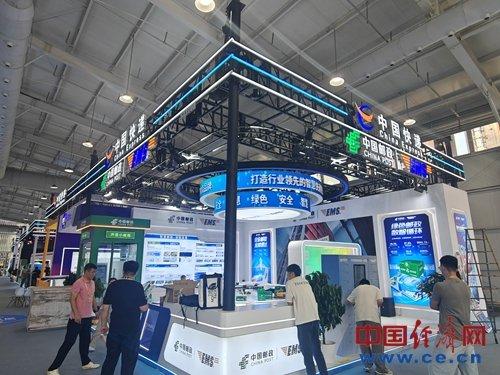
Core Insights - The "China Express" booth at the 2025 Service Trade Fair showcased advanced logistics technologies, including drones and unmanned vehicles, highlighting the industry's shift towards automation and smart logistics solutions [1][3][5]. Group 1: Technology Showcase - Various logistics companies presented their innovations, such as unmanned delivery vehicles, intelligent sorting robots, and blockchain traceability platforms [1]. - The exhibition demonstrated a fully automated "warehouse-distribution" process through the collaboration of drones and Automated Guided Vehicles (AGVs) [1]. Group 2: Industry Future Exploration - The event not only showcased the latest technological breakthroughs in smart transportation and logistics but also explored the limitless possibilities for the future of the industry [1].
投资框架:快递行业投资框架
2025-09-01 02:01
Summary of Key Points from the Conference Call Records Industry Overview - The express delivery industry has maintained nearly 20% growth from January to July 2025, driven primarily by live e-commerce, interest e-commerce, and instant retail, indicating significant internal growth potential [1][2] - The revenue distribution in the franchise express network is complex, involving collection commissions, transfer fees, and waybill fees, which directly affects operational efficiency and market competitiveness [1][2][5] Core Insights and Arguments - ZTO Express has implemented a shoulder-sharing mechanism and end-point delivery chain to protect the rights of couriers, enhancing its soft power and culture while leading in automation and vehicle ratios, thus maintaining cost advantages [1][7] - Logistics unmanned vehicles are seen as key to transforming the express delivery business model and operational costs, with 2025 being regarded as the year of application, although the distribution of benefits remains a critical challenge [1][10] - Price increases in the express delivery industry aim to address arbitrage issues, promote high-quality development, and achieve high profitability for express companies [1][11] Company Performance - In the first half of the year, SF Express experienced the fastest business volume growth at 32%, followed by YTO Express at 22%. However, excluding non-recurring net profits, all companies except SF Express saw declines, with YTO experiencing the smallest drop [1][16][17] - SF Express reported a 3.5% growth in non-recurring net profit in Q2, with international business losses narrowing and free cash flow improving, indicating medium to long-term investment value [1][18][20][22] Strategic Developments - YTO Express began building its airline in 2015 to enhance product timeliness and promote product upgrades and international business development, but this early investment has affected its scale efficiency [1][6] - The express delivery industry is transitioning towards a layered service model, where leading companies will shift from a focus on volume and profit to promoting high-end product structures [1][14] Future Trends and Considerations - The express delivery industry is expected to see a shift towards differentiated service layers, with leading companies targeting high-value customers while less competitive firms handle lower-value business [1][13][14] - Attention should be paid to Shentong and YTO in the short term, with Shentong expected to double its profit after price increases, while YTO is narrowing the gap with ZTO in terms of market share growth and net profit [1][15] Additional Important Insights - The price war in the express delivery industry has a policy bottom line, with significant price increases implemented in 2021 leading to improved profitability across companies [1][9][12] - SF Express's free cash flow increased by 6.1% year-on-year, and the company has initiated a mid-term dividend policy with a payout ratio of 40%, reflecting a commitment to returning value to shareholders [1][21]
