猎鹰9号运载火箭

Search documents
可复用技术引领变革,商业火箭开启千亿蓝海市场
材料汇· 2026-01-20 16:00
Group 1 - The commercial rocket industry is entering a golden age, with reusable technology leading the transformation [2][3] - The global commercial launch market is highly competitive, with the US leading due to significant cost reductions from reusable technologies [3][36] - China's commercial space sector is accelerating, supported by policies that promote rapid development and breakthroughs in solid and liquid rocket engines [3][10] Group 2 - The demand for satellite constellations is driving the growth of the rocket market, with over 51,300 low-orbit satellites planned, leading to an expected increase in launch frequency [4][12] - By 2030, China's rocket launch market is projected to reach $63.2 billion, with over 900 launches anticipated [4][12] - The rocket industry value chain consists of upstream (materials and components), midstream (rocket structure, propulsion, and control systems), and downstream (final assembly and testing) [5][6] Group 3 - Continuous technological breakthroughs and supportive policies are expected to accelerate the development of China's commercial space sector, presenting investment opportunities across the entire rocket industry chain [6][7] - The Chinese government has included commercial space as a strategic emerging industry, with significant policy support aimed at fostering growth [10][23] - The commercial launch market is experiencing a shift towards clearer commercialization paths, with successful models like SpaceX's Starlink influencing domestic developments [12][11] Group 4 - The rocket industry is characterized by various classifications based on energy types, payload capacities, and reusability [25][26] - Reusable rockets are identified as a key future direction for commercial launch technology, offering advantages such as lower costs and higher reliability [29][33] - The global competition in the commercial rocket sector is intensifying, with major players like SpaceX and Blue Origin leading in reusable technology [36][39] Group 5 - China's advancements in solid and liquid rocket engines are notable, with several new engines designed for commercial applications being developed [47][50] - The construction of commercial launch sites is accelerating, enhancing China's launch capabilities and addressing the current tightness in launch slots [51][52] - Despite advancements, China's rocket technology still lags behind global leaders, indicating significant room for growth and development [54][56]



“国家队”出手,可回收运载火箭长征12号甲首飞
Xin Lang Cai Jing· 2025-12-23 05:37
Core Viewpoint - The successful launch of the Long March 12A rocket marks a significant step in China's aerospace capabilities, particularly in the development of reusable rocket technology, which is essential for meeting the increasing demand for low Earth orbit satellite constellations [3][18][30]. Group 1: Long March 12A Overview - The Long March 12A is a two-stage liquid rocket designed for medium payloads, with a height of over 60 meters and a diameter of 3.8 meters, capable of carrying 12 tons to a 200 km low Earth orbit and 7.3 tons to a 700 km sun-synchronous orbit [6][21]. - This rocket utilizes liquid oxygen and methane as propellants, which offer advantages such as reduced carbon buildup and easier maintenance, although it requires further flight validation due to limited engineering experience [21][24]. Group 2: Technological Innovations - The Long March 12A represents a shift from traditional expendable rockets to a new generation of reusable rockets, integrating advanced technologies and design principles aimed at enhancing reusability and operational efficiency [22][29]. - The rocket's design incorporates features for reusability from the outset, including structural strength, control systems for recovery, and propulsion capabilities that allow for variable thrust [24][25]. Group 3: Industry Context and Collaboration - The development of reusable rockets in China is characterized by a dual approach, with state-owned enterprises focusing on reliability and systematic capability, while commercial companies pursue rapid iteration and innovation [26][29]. - The collaboration between state and commercial sectors in rocket development is seen as a complementary relationship, where state enterprises provide foundational technology and commercial entities drive market responsiveness and innovation [29][30]. Group 4: Strategic Importance - The Long March 12A's successful flight is crucial for establishing a low-cost, high-frequency launch capability, which is essential for the future of satellite internet and other space-based services [30]. - As the demand for satellite constellations grows, the Long March 12A is positioned to play a key role in meeting these needs, thereby enhancing China's competitive edge in the global aerospace market [30].
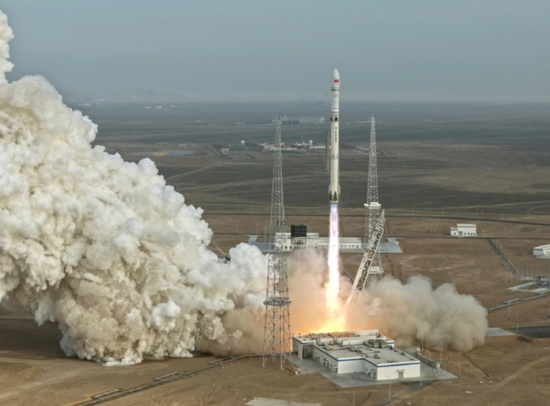
让“铁疙瘩”从数万米高空精准“踩刹车”,中国商业航天“降本复用”只差“最后一公里”!朱雀之后,同行排队接力
Mei Ri Jing Ji Xin Wen· 2025-12-03 15:51
Core Viewpoint - The launch of Zhuque-3 rocket marks a significant milestone in China's commercial space industry, showcasing advancements in reusable rocket technology despite the failure of the recovery attempt [2][6]. Group 1: Launch and Technical Achievements - Zhuque-3 successfully entered the designated orbit with its second stage, representing China's first attempt at a simultaneous "orbital + recovery" mission in commercial space [2]. - The rocket is the world's first to utilize a "liquid oxygen-methane propellant + stainless steel body" combination and successfully achieve orbit, indicating a major breakthrough in rocket technology [3]. - The rocket's diameter of 4.5 meters allows for more engines to be installed, increasing launch thrust and improving flight stability [5]. Group 2: Challenges and Learning Outcomes - The failure of the recovery attempt highlights the complexities and challenges of rocket recovery technology, often referred to as the "final mile" in space missions [12]. - Despite the recovery failure, the mission provided valuable data on high-altitude wind fields and thrust adjustments, which will inform future improvements [6][12]. - The difficulties faced during recovery, such as engine thrust regulation and environmental stability, underscore the high technical barriers in achieving successful rocket landings [13]. Group 3: Market Implications and Future Prospects - The goal of Zhuque-3 is to reduce the cost of launching payloads to below 20,000 yuan per kilogram, enhancing China's competitive edge in the global space market [17]. - The commercial space industry is evolving towards a model where reusable rockets are becoming a standard capability, significantly impacting cost structures and operational efficiency [15][20]. - The establishment of a dedicated regulatory body for commercial space by the National Space Administration is expected to streamline operations and enhance industry stability [19][20].
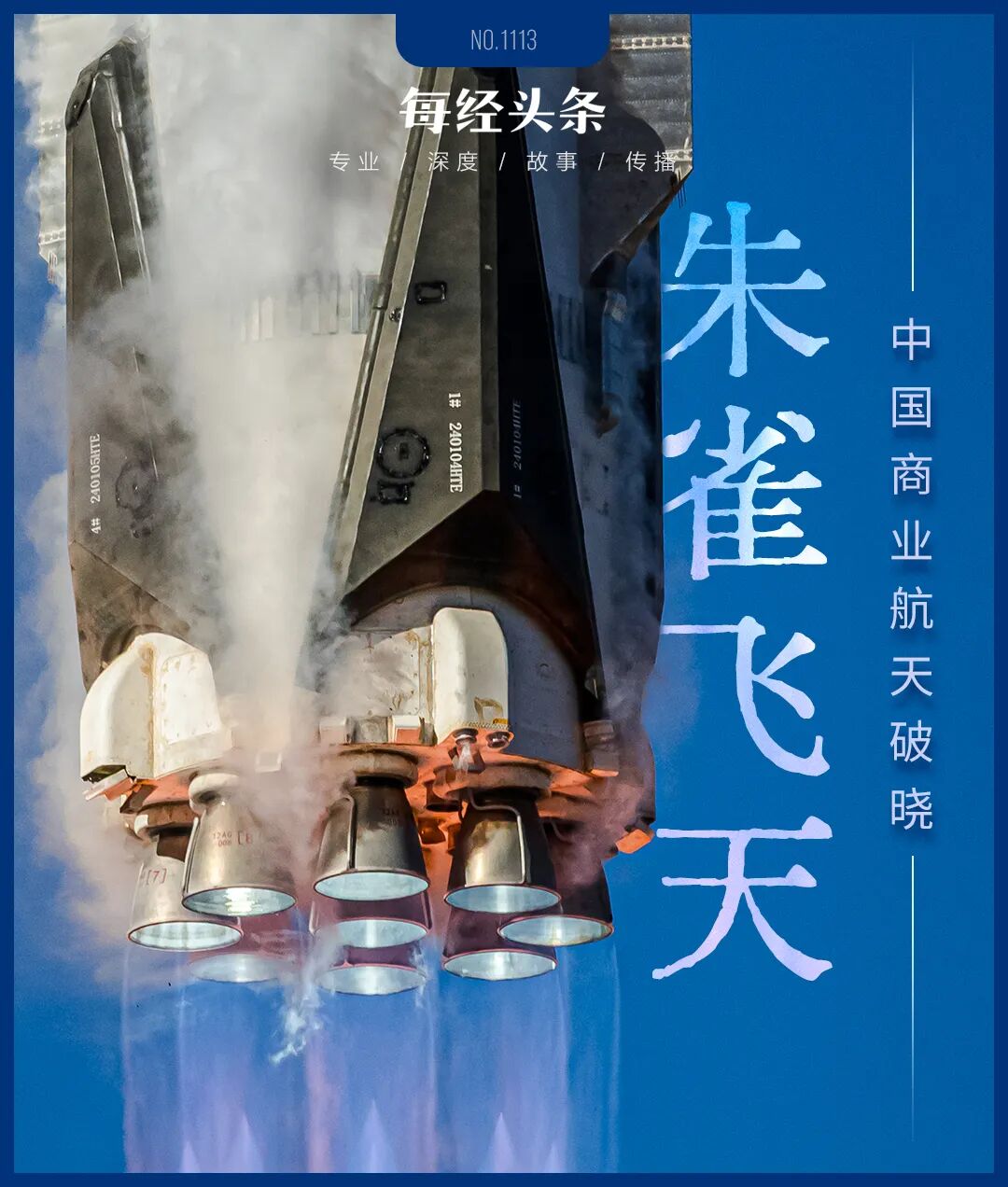
一波三折后,美“天鹅座”飞船抵达国际空间站“送快递”
Huan Qiu Shi Bao· 2025-09-18 22:34
Core Points - NASA announced that the Cygnus XL cargo spacecraft successfully reached the International Space Station (ISS) after overcoming initial launch issues, temporarily alleviating supply concerns for the ISS [1] - The Cygnus XL is Northrop Grumman's latest cargo spacecraft, designed to meet the growing demands of the ISS, with an increased cargo capacity of over 11,000 pounds, up from the standard 8,500 pounds [3] - The Cygnus XL mission is critical as it carries essential supplies, including nitrogen, oxygen, food, and spare parts for urine processing systems, to ensure the ISS's operational needs are met [4] Company and Industry Insights - The Cygnus XL mission faced challenges due to an early engine shutdown during its trajectory adjustments, highlighting potential vulnerabilities in U.S. near-Earth orbital transportation capabilities [5] - Currently, only Northrop Grumman and SpaceX have the capacity to deliver cargo to the ISS, indicating a limited supply chain resilience in the U.S. space logistics sector [5] - The next scheduled cargo delivery to the ISS will be from Japan's HTV-X spacecraft, set to launch in October, emphasizing the ongoing reliance on international partners for ISS resupply [4]

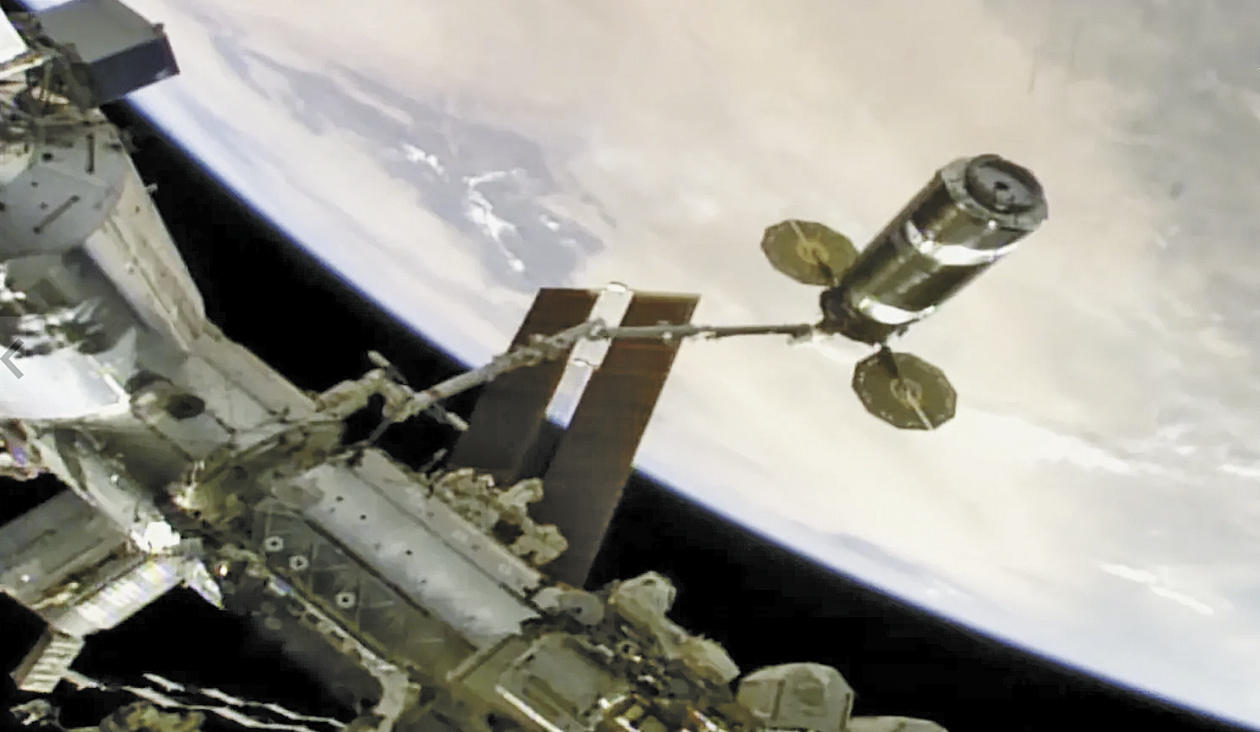
2025中国商业航天行业发展研究报告
3 6 Ke· 2025-08-27 10:06
Core Viewpoint - The rapid rise of China's commercial space industry is marked by significant advancements in key technologies, particularly in reusable rockets and satellite manufacturing, positioning it as a competitive player against global leaders like SpaceX [1][2][4]. Group 1: Industry Development - China's commercial space sector is experiencing a milestone moment with the successful launch of 10 low-orbit satellites by China Star Network, marking the sixth launch in a month [1]. - The collaboration between state-owned enterprises and private companies in China is creating a complementary industrial ecosystem, with state entities focusing on strategic planning and private firms driving technological innovation and commercialization [1][2]. - The report from "Jiazi Guangnian Think Tank" provides a comprehensive overview of the current state and future prospects of China's commercial space industry, highlighting its transition from catching up to running alongside global competitors [2]. Group 2: Technological Breakthroughs - Continuous breakthroughs in key technology areas, such as reusable rockets and satellite mass production, are essential for the stable and efficient deployment of large low-orbit internet constellations in China [2][4]. - The establishment of advanced smart manufacturing bases, like the G60 satellite digital factory in Shanghai, has significantly improved satellite production efficiency through the use of digital twin and flexible intelligent manufacturing technologies [2]. - The integration of artificial intelligence and satellite internet is expanding the application boundaries of the aerospace industry, accelerating the development of commercial markets [4][37]. Group 3: Market Dynamics - The commercial space industry's core logic is based on a virtuous cycle of technological breakthroughs reducing costs, which in turn expands the market and drives innovation [4][37]. - The global commercial space market is heavily concentrated among a few key players, with SpaceX leading in launch frequency and payload capacity, while China's space capabilities are rapidly advancing [10][12]. - In 2024, the global space economy is projected to reach $415 billion, with commercial satellite services dominating the market, reflecting a growing trend towards cost reduction and efficiency improvements [33][25]. Group 4: Policy and Investment - National policies are crucial in shaping and promoting the development of China's commercial space industry, with recent government reports emphasizing the sector's strategic importance as a new growth engine [15][19]. - Local governments are actively implementing specialized policies and action plans to foster regional industrial clusters and application demonstrations in commercial space [16][18]. - The influx of diverse capital investments is a significant driver of growth in China's commercial space sector, with a notable increase in financing activities since 2015 [22][24].
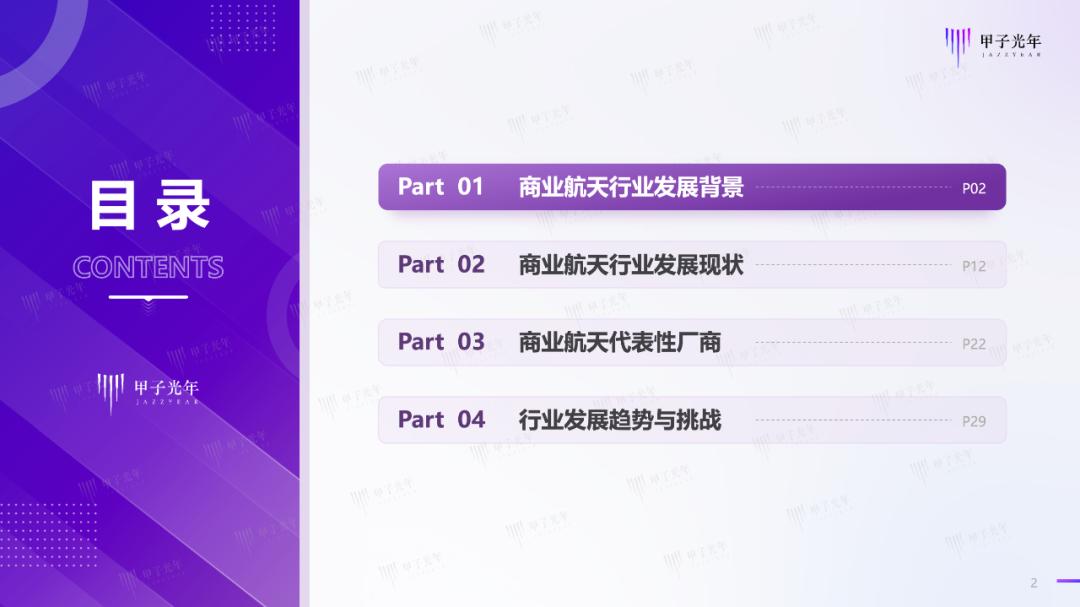
2025中国商业航天行业发展研究报告 | 甲子光年智库
Sou Hu Cai Jing· 2025-08-27 08:16
Core Insights - China's commercial space industry is experiencing a milestone development moment, highlighted by the successful launch of 10 low-orbit satellites by China Star Network, marking the sixth launch in a month [2] - The industry is rapidly catching up to global leader SpaceX, which maintains a significant advantage with its reusable Falcon 9 rocket and is projected to conduct more launches in 2024 than all other providers combined [2][12] - The collaboration between state-owned enterprises and private companies in China is creating a complementary industrial ecosystem, with state enterprises focusing on strategic layout and private firms driving technological innovation and commercialization [2][3] Industry Development Background - The global commercial space industry is growing rapidly, with satellite internet revenues expanding and satellite applications and services remaining the largest segment of the market [4][27] - The core logic of commercial space development is a virtuous cycle of "technological breakthroughs reducing costs → cost reductions expanding markets → market demand driving innovation" [4][38] - Key technological breakthroughs in satellite mass manufacturing, reusable rockets, and laser communication links are enabling the transition of low-orbit mega-constellations from concept to large-scale deployment [4][41] Key Trends and Challenges - The commercial space sector is transitioning from a government-dominated model to one driven by market forces, with increasing participation from private enterprises [8][11] - The rise of private companies in the space industry is significant, with their share of the market growing rapidly [9][12] - The Chinese government is playing a crucial role in shaping and promoting the commercial space industry through supportive policies and strategic initiatives [19][22] Market Potential and Investment - The market for commercial space is showing significant potential, with policies gradually loosening and companies pursuing commercial profit [8][24] - Investment activities in China's commercial space sector have remained highly active since 2015, indicating optimistic market expectations [29][25] - The core technology teams, competitive barriers, and feasibility of business models are critical considerations for investors in the commercial space sector [29] Technological Advancements - The development of reusable rocket technology is pivotal for reducing launch costs and enhancing operational efficiency, which is essential for the commercialization of the space industry [43][39] - Laser communication is emerging as the best communication method for future integrated space-ground-sea networks, significantly improving operational efficiency [45][46] - The integration of artificial intelligence and new information technologies with satellite internet is expanding the application boundaries of the space industry and accelerating the development of the civilian market [4][38]

美前NASA官员:马斯克发出的威胁“越过了红线”,美政府对航天项目严重依赖SpaceX深感不安,已急寻替代者
Sou Hu Cai Jing· 2025-06-09 02:12
Group 1 - The U.S. government and NASA are urgently seeking alternatives to SpaceX due to their heavy reliance on the company for current space projects following a heated dispute between President Trump and Elon Musk [1][4] - SpaceX conducted 134 orbital launches last year using Falcon 9 and Falcon Heavy rockets, surpassing the total launches of all other companies combined [3] - SpaceX's satellites account for 84% of the total satellites to be launched globally in 2024, indicating its dominant position in the space launch market [3] Group 2 - The U.S. government has inquired with at least three commercial space companies—Rocket Lab, Stoke Space, and Blue Origin—about their rocket development progress and potential launch services for government missions [3] - These competitors are still in the early stages of development and lack the reliability and cost-effectiveness of SpaceX's reusable rockets [3] - SpaceX's Crew Dragon spacecraft is currently the only vehicle capable of transporting astronauts to the International Space Station, filling a gap left since the retirement of the Space Shuttle in 2011 [3] Group 3 - The conflict between Trump and Musk escalated over a bill named "Big and Beautiful," with Trump expressing disappointment in Musk's response to the bill, which Musk claimed he had never seen [4][5] - Musk retaliated by threatening to retire the Crew Dragon spacecraft, which is critical for U.S. space missions, highlighting the risks of dependency on his company [5] - Concerns within NASA have been raised regarding Musk's impulsive behavior and the potential consequences of his threats to halt operations [5]
新疆夜空不明飞行物是什么?揭秘来了
证券时报· 2025-05-18 11:43
Core Points - The article discusses the observation of a bright object in the sky, which was identified as a SpaceX Falcon 9 rocket performing a "deactivation" operation after launching satellites into orbit [1][3]. - The event occurred on May 16, when the rocket's second stage was visible over northwestern China, coinciding with sunset, making it appear nearly as bright as the moon [3][4]. - Multiple eyewitnesses across several regions in Xinjiang reported seeing the object, which appeared in a distinct shape and brightness, leading to speculation about unidentified flying objects [4]. Summary by Sections - **Rocket Launch and Observation**: On May 16, SpaceX launched a Falcon 9 rocket from Vandenberg Air Force Base, which later became visible in the night sky over China [3]. - **Deactivation Process**: After delivering satellites, the rocket's second stage undergoes a deactivation process, releasing residual fuel and gases, which can create visible phenomena under the right conditions [3]. - **Eyewitness Accounts**: Observers in Urumqi, Altay, and Ili reported seeing a bright object that changed shape, with descriptions noting its brightness comparable to the moon [4].