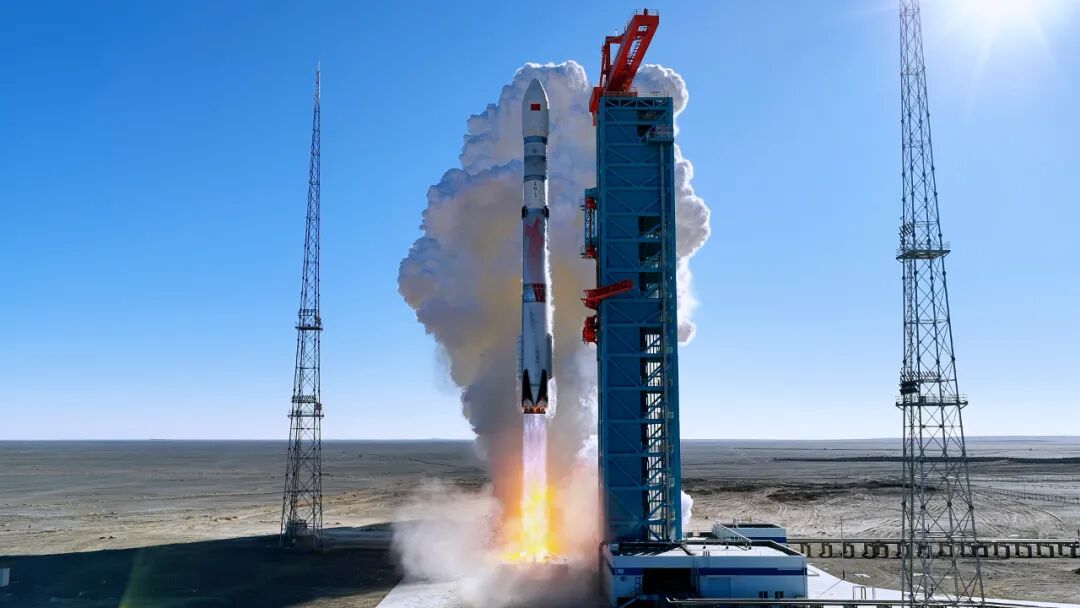
新格伦运载火箭

Search documents
两次首飞回收失败,“炸火箭”的学费非交不可吗?
虎嗅APP· 2025-12-25 13:38
Core Viewpoint - The article discusses the challenges and developments in the field of reusable rocket technology, highlighting recent launches and the significance of failures in the learning process for future successes [4][18]. Group 1: Recent Developments - The Long March 12A rocket was successfully launched on December 23, 2023, marking China's second attempt at validating reusable technology in a rocket [4]. - The Long March 12A's first stage recovery was unsuccessful, while the second stage successfully reached its intended orbit [4]. - Blue Arrow Aerospace's Zhuque-3 rocket also faced challenges, failing to achieve a successful recovery during its launch on December 3, 2023 [4][18]. Group 2: Challenges of Reusable Rockets - Reusable rockets face significant technical challenges, including precise navigation, control systems, and the need for advanced landing technologies [13][14]. - The high costs associated with developing reusable rockets are a barrier, with initial investments starting at around 1 billion yuan [11]. - The integration of various technologies and the potential for human error during the development process contribute to the high risk of failure in rocket launches [16]. Group 3: Historical Context and Future Prospects - The concept of reusable rockets has been discussed since the 1960s, but significant advancements only began with SpaceX's initiatives in the 2010s [9]. - SpaceX's Falcon 9 has successfully completed over 500 booster recoveries, demonstrating the viability of reusable rocket technology [10]. - The future of China's commercial space industry is poised for growth, with several rockets, including the Tianlong-3 and Long March 12B, expected to undergo testing in the coming years [19][20].

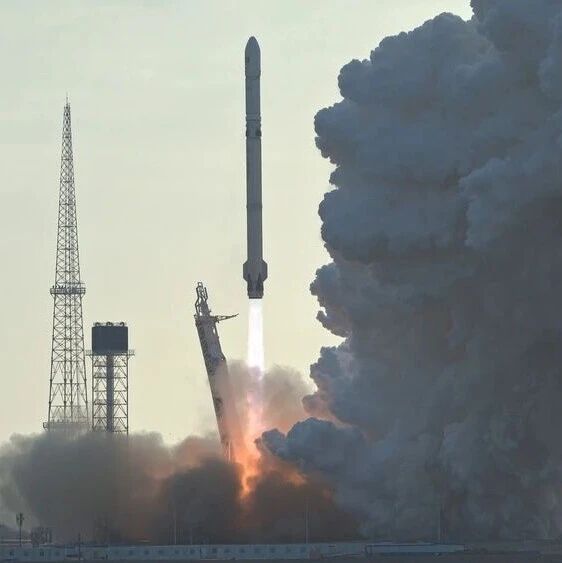
让“铁疙瘩”从数万米高空精准“踩刹车”,中国商业航天“降本复用”只差“最后一公里”!朱雀之后,同行排队接力
Mei Ri Jing Ji Xin Wen· 2025-12-03 15:51
Core Viewpoint - The launch of Zhuque-3 rocket marks a significant milestone in China's commercial space industry, showcasing advancements in reusable rocket technology despite the failure of the recovery attempt [2][6]. Group 1: Launch and Technical Achievements - Zhuque-3 successfully entered the designated orbit with its second stage, representing China's first attempt at a simultaneous "orbital + recovery" mission in commercial space [2]. - The rocket is the world's first to utilize a "liquid oxygen-methane propellant + stainless steel body" combination and successfully achieve orbit, indicating a major breakthrough in rocket technology [3]. - The rocket's diameter of 4.5 meters allows for more engines to be installed, increasing launch thrust and improving flight stability [5]. Group 2: Challenges and Learning Outcomes - The failure of the recovery attempt highlights the complexities and challenges of rocket recovery technology, often referred to as the "final mile" in space missions [12]. - Despite the recovery failure, the mission provided valuable data on high-altitude wind fields and thrust adjustments, which will inform future improvements [6][12]. - The difficulties faced during recovery, such as engine thrust regulation and environmental stability, underscore the high technical barriers in achieving successful rocket landings [13]. Group 3: Market Implications and Future Prospects - The goal of Zhuque-3 is to reduce the cost of launching payloads to below 20,000 yuan per kilogram, enhancing China's competitive edge in the global space market [17]. - The commercial space industry is evolving towards a model where reusable rockets are becoming a standard capability, significantly impacting cost structures and operational efficiency [15][20]. - The establishment of a dedicated regulatory body for commercial space by the National Space Administration is expected to streamline operations and enhance industry stability [19][20].
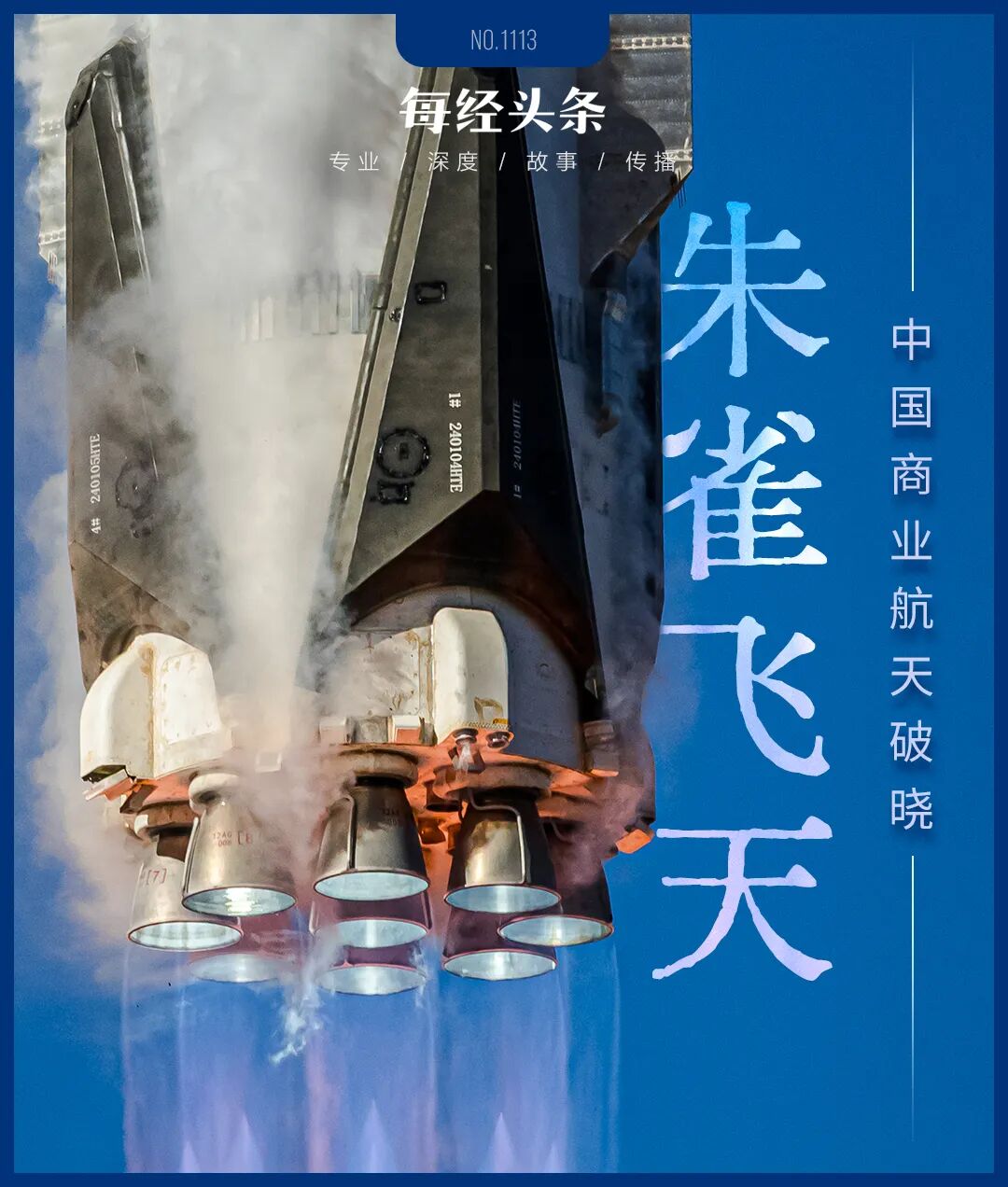
朱雀三号首飞成功入轨,一级回收失利!曾获马斯克高度关注,称“可能在五年内超过猎鹰”
Sou Hu Cai Jing· 2025-12-03 11:52
Core Viewpoint - The successful launch of the Zhuque-3 rocket marks a significant milestone in China's commercial space sector, despite the failure of the first-stage recovery test, highlighting the ongoing advancements in reusable rocket technology [1][3][8] Group 1: Rocket Specifications and Features - Zhuque-3 is a new generation of low-cost, high-capacity, high-frequency, reusable liquid oxygen-methane launch vehicle developed by Blue Arrow Aerospace [1][5] - The rocket features a two-stage design with a diameter of 4.5 meters and a total length of 66.1 meters, utilizing the Tianque series liquid oxygen-methane engines [1][5] - The first stage is equipped with a reaction control system, grid fins, and landing legs for vertical return and reuse after orbital launch [1][5] Group 2: Launch and Recovery Test - The mission included a first-stage recovery verification, which encountered an abnormal combustion issue, resulting in a failure to achieve a soft landing [3] - Despite the recovery failure, the mission validated the overall design and operational plans of the Zhuque-3, providing critical engineering data for future launches and recovery efforts [3][6] Group 3: Market Reaction and Industry Impact - The launch generated significant interest in the capital markets, with stocks in the commercial space sector experiencing notable gains, including Shanghai Hanyun and Zhaobiao Co., which hit their daily limit [6] - The successful recovery of the Zhuque-3 would position China as the second country globally, after the United States, to master reusable rocket technology, enhancing Blue Arrow Aerospace's status in the industry [8] Group 4: Notable Achievements - The Zhuque-3's maiden flight achieved five "domestic firsts," including the first orbital flight of a new reusable liquid oxygen-methane launch vehicle and the first application of a nine-engine parallel liquid oxygen-methane propulsion system [5] - The rocket's design incorporates high-strength stainless steel and advanced laser welding techniques, marking significant advancements in manufacturing processes for space vehicles [5][8]
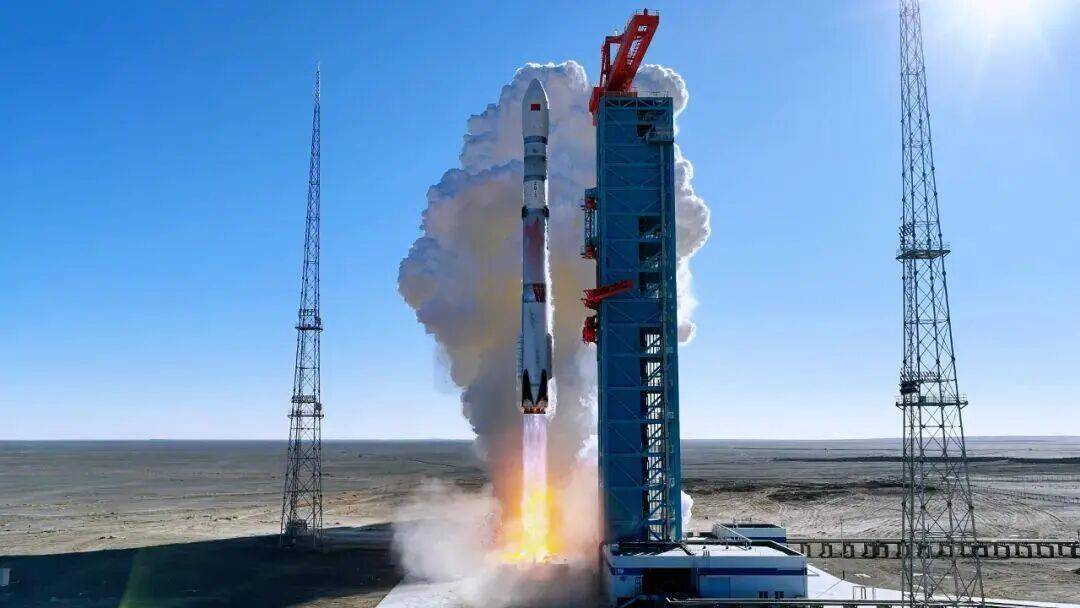
朱雀三号发射入轨,回收试验失败:发生异常燃烧,该可回收火箭曾获马斯克高度关注
Xin Lang Cai Jing· 2025-12-03 06:19
Core Viewpoint - The successful launch of the Zhuque-3 rocket marks a significant milestone for China's space industry, although the recovery of the first stage was unsuccessful due to an abnormal combustion incident during the test [3][4][19]. Group 1: Launch and Recovery - The Zhuque-3 rocket was launched on December 3, completing its flight mission with the second stage entering the designated orbit [1][16]. - The first stage recovery verification was attempted but failed to achieve a soft landing at the recovery site, with the specific cause under further analysis [3][18]. - Despite the failure in recovery, the mission validated the overall testing, launch, and flight processes, providing critical engineering data for future reusable missions [3][18]. Group 2: Technical Specifications - Zhuque-3 is a new generation of low-cost, high-capacity, and reusable liquid oxygen-methane launch vehicle developed by Landspace [3][10]. - The rocket measures 76.6 meters in length, with a launch mass of approximately 570 tons and a thrust exceeding 750 tons [10][25]. - It has a low Earth orbit payload capacity of 21.3 tons and can be reused up to 20 times for its first stage [10][25]. Group 3: Market Impact and Future Prospects - The launch of Zhuque-3 has attracted significant market attention, as successful recovery would position China as the second country globally to master reusable rocket technology after the United States [4][19]. - Landspace aims to optimize recovery strategies and continue validating reusable technology in future missions [3][18]. - The company is currently valued at over 20 billion yuan and is in the process of an IPO, indicating strong investor interest in the commercial space sector [29]. Group 4: Industry Context - The Zhuque-3 project was officially initiated in August 2023, with significant milestones achieved in vertical landing tests within five months [12][27]. - Other reusable rockets in development in China include the Chang Zheng 12A and the Hyperbola-3, indicating a growing competitive landscape in the commercial space industry [29][30]. - The establishment of a dedicated Commercial Space Administration by the National Space Administration aims to enhance the regulatory framework and support the growth of the commercial space sector in China [30].
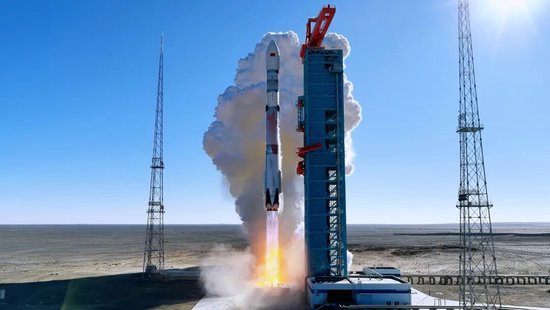
朱雀三号发射入轨,回收试验失败!曾获马斯克高度关注,此前他称“可能在五年内超过猎鹰”
Xin Lang Cai Jing· 2025-12-03 06:19
Core Viewpoint - The successful launch of the Zhuque-3 rocket marks a significant milestone for China's space industry, although the recovery of the first stage was unsuccessful due to an abnormal combustion incident [3][19][20]. Group 1: Launch and Recovery - The Zhuque-3 rocket was launched on December 3, completing its flight mission with the second stage entering the designated orbit [1][17]. - The mission included a recovery verification for the first stage, which failed to achieve a soft landing due to an abnormal combustion event [3][19]. - Despite the recovery failure, the mission validated the overall testing, launch, and flight processes, providing critical engineering data for future reusable launch services [3][19]. Group 2: Technical Specifications - Zhuque-3 is a new generation of low-cost, high-capacity, and reusable liquid oxygen-methane launch vehicle developed by Landspace [3][10]. - The rocket measures 76.6 meters in length, with a launch mass of approximately 570 tons and a thrust exceeding 750 tons [10][26]. - It has a low Earth orbit payload capacity of 21.3 tons and can achieve a recovery mission capacity of 18.3 tons [10][26]. Group 3: Market Impact and Future Prospects - The launch of Zhuque-3 has attracted significant market attention, as successful recovery would position China as the second country globally to master reusable rocket technology after the United States [4][20]. - Landspace aims to optimize the recovery plan and continue validating reusability in future missions [3][19]. - The company is currently valued at over 20 billion yuan and is in the process of an IPO [30]. Group 4: Industry Context - The Zhuque-3 project was officially initiated in August 2023, with significant milestones achieved in vertical landing tests shortly thereafter [12][28]. - The Chinese commercial space industry is steadily progressing, with the establishment of a dedicated regulatory body to promote high-quality development [16][31]. - Other reusable rockets in development include the Chang Zheng 12A and the Hyperbola-3, indicating a competitive landscape in China's commercial space sector [30][31].
朱雀三号发射入轨,回收试验失败:发生异常燃烧;该可回收火箭曾获马斯克高度关注,此前他称“可能在五年内超过猎鹰”
Mei Ri Jing Ji Xin Wen· 2025-12-03 06:09
Core Viewpoint - The successful launch of the Zhuque-3 rocket marks a significant milestone for China's commercial space industry, despite the failure of the first-stage recovery test, which will lead to further analysis and optimization of recovery strategies [3][4][6]. Group 1: Launch and Mission Details - The Zhuque-3 rocket was launched on December 3, completing its flight mission with the second stage entering the designated orbit [1]. - The mission included a first-stage recovery verification, which encountered an abnormal combustion issue, resulting in a failed soft landing at the recovery site [3]. - Despite the recovery failure, the mission validated the overall testing, launch, and flight processes, providing critical engineering data for future launches and reusable recovery efforts [3][4]. Group 2: Technical Specifications and Development - Zhuque-3 is a new generation, low-cost, high-capacity, and reusable rocket developed by Landspace, utilizing a stainless steel structure and a propulsion system based on the Tianque series of liquid oxygen-methane engines [4][11]. - The rocket has a total length of 76.6 meters, a launch mass of approximately 570 tons, and a thrust exceeding 750 tons, with a low Earth orbit payload capacity of 21.3 tons [11]. - The first stage is designed for up to 20 reuse cycles, aiming for high precision in returning to the recovery site after orbital missions [11]. Group 3: Market Impact and Future Prospects - The launch of Zhuque-3 has attracted significant market attention, as successful recovery would position China as the second country globally to master reusable rocket technology, following the United States [4][6]. - The rocket's development has garnered interest from industry leaders, including Elon Musk, who noted its potential to surpass SpaceX's Falcon 9 within five years if all goes well [8][9]. - The Chinese commercial space sector is steadily advancing, with ongoing projects like the Long March 12A and Hyperbola-3 rockets, indicating a robust pipeline for future launches and innovations [14][15][16].