
王老吉

Search documents
白云山:25年分红金额创历史新高,期待26Q1业绩开门红-20260324
Xinda Securities· 2026-03-24 10:25
Investment Rating - The investment rating for the company is "Buy" [1] Core Insights - The company achieved a revenue of 77.656 billion yuan in 2025, representing a year-on-year growth of 3.55%, and a net profit attributable to shareholders of 2.983 billion yuan, which is a 5.21% increase year-on-year [3][4] - The company plans to distribute a cash dividend of 1.382 billion yuan, with a payout ratio of 46.32%, marking a historical high for dividend distribution [4] - The company is focusing on internationalization, research and development innovation, external growth, and market value management as part of its comprehensive strategy [3] Financial Performance Summary - In 2025, the pharmaceutical commercial revenue was 56.983 billion yuan (up 6.21% year-on-year), while the revenue from natural beverages was 9.672 billion yuan (down 0.34% year-on-year) [3] - The company’s net profit for Q4 2025 was -327 million yuan, a decrease of 1.07% year-on-year, with a revenue of 16.05 billion yuan, reflecting a 0.74% increase year-on-year [3] - The company’s gross margin for Q4 2025 was 11%, down 1.95 percentage points year-on-year, attributed to changes in revenue structure and increased expense ratios [3] Future Projections - Revenue projections for 2026-2028 are 80.929 billion yuan, 85.164 billion yuan, and 89.633 billion yuan, with year-on-year growth rates of approximately 4.2%, 5.2%, and 5.2% respectively [6] - The net profit attributable to shareholders is expected to be 3.154 billion yuan, 3.336 billion yuan, and 3.582 billion yuan for the same years, with growth rates of about 5.7%, 5.8%, and 7.4% respectively [6] - The company maintains a focus on optimizing operational quality and enhancing market value management, which supports the "Buy" investment rating [6]
白云山(600332):25年分红金额创历史新高,期待26Q1业绩开门红
Xinda Securities· 2026-03-24 09:05
Investment Rating - The investment rating for the company is "Buy" [1] Core Insights - The company reported a revenue of 77.66 billion yuan in 2025, representing a year-on-year increase of 3.55%, and a net profit attributable to shareholders of 2.98 billion yuan, up 5.21% year-on-year [3][4] - The company plans to distribute a cash dividend of 1.38 billion yuan, with a payout ratio of 46.32%, marking a historical high for dividend distribution [4] - The company is focusing on internationalization, research and development innovation, external growth, and market value management as part of its strategic deployment [3] Financial Performance Summary - In 2025, the pharmaceutical commercial revenue reached 56.98 billion yuan, an increase of 6.21% year-on-year, while the revenue from natural beverages was 9.67 billion yuan, down 0.34% [3] - The company’s net profit for Q4 2025 was -0.33 billion yuan, a decrease of 1.07% year-on-year, indicating short-term profit pressure [3] - The company’s total revenue is projected to grow to 80.93 billion yuan in 2026, with a net profit of 3.15 billion yuan, reflecting a year-on-year growth of 5.7% [6] Strategic Developments - The company has established strategic partnerships for international operations with firms in Saudi Arabia, Japan, and South Korea, among others, to enhance its global presence [3] - In terms of R&D, the company has made significant progress with several new drug projects entering critical clinical trials and approvals [3] - The company has also engaged in external growth by acquiring stakes in other firms, enhancing its market position in East China [3]
饮料行业2025年趋势分析
击壤科技· 2026-03-10 06:54
Investment Rating - The report does not explicitly provide an investment rating for the beverage industry Core Insights - The beverage industry is experiencing a shift in advertising spending, with a notable decrease in investment on CCTV and the five major satellite channels, while other satellite channels are seeing an increase in both advertising duration and share [3][5][8] - The overall advertising market is contracting, with brands concentrating their budgets on leading platforms, particularly in music and variety shows [4][16] - The top brand in advertising duration is Beiliyou, which has seen a nearly 90% year-on-year increase in advertising duration [15] Summary by Sections Advertising Trends - The beverage industry's advertising on CCTV remains dominant, but there is a significant increase in advertising duration on other satellite channels [8] - In 2025, the share of advertising duration for CCTV and the five major satellite channels is expected to decrease, while other satellite channels will continue to rise [7][8] Brand Performance - Beiliyou leads in advertising duration with a substantial increase from 1,951,056 to 3,687,510, marking an 89% growth [15] - Other notable brands include Xinfanfan, which saw a 33% decrease in advertising duration, and Xiaoyangren, which increased by 178% [15] Program and Content Strategy - The beverage industry is focusing its advertising on major satellite channels, with CCTV-1 and CCTV-3 being key platforms for program placement [21] - Music programs are particularly favored by advertisers, with brands like Baishui Mountain and Mengniu actively participating in music variety shows [22][25] Digital and Online Content - The online variety show market is seeing an increase in program numbers but a decrease in the number of advertisers, with Mango TV leading in advertising despite a slight decline [28] - The beverage industry is increasingly investing in travel and lifestyle experience programs, which are showing strong competitive advantages [30] Drama and Series Advertising - The online drama market is experiencing a decline in both program numbers and advertising, with independent dramas seeing a 9% increase in brand participation [35] - The advertising strategy is shifting towards high-exposure placements such as billboards and interactive product placements within the content [36][45]
汇聚顶尖智慧,缔结战略同盟——广药集团组建品牌战略咨询专家智库
财富FORTUNE· 2026-03-05 13:08
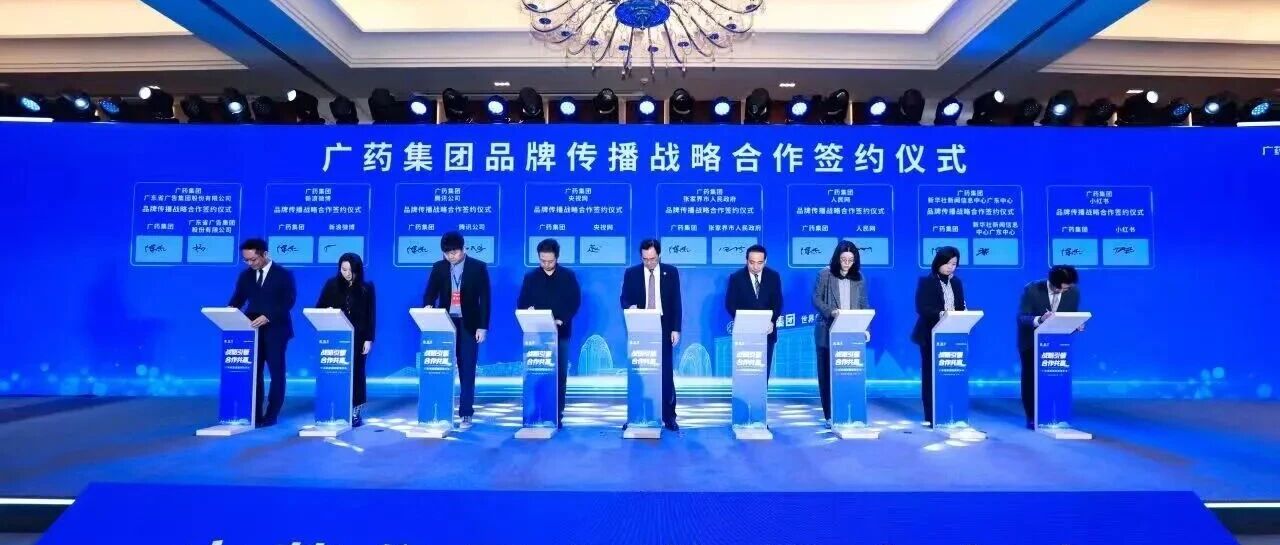
Core Viewpoint - Guangzhou Pharmaceutical Group has taken a significant strategic step by establishing a "Brand Strategy Committee" and forming a "Brand Strategy Consulting Expert Think Tank" to enhance its brand building efforts, aiming to become a world-class enterprise during the "14th Five-Year Plan" period [1][4]. Group 1: Strategic Initiatives - The establishment of the Brand Strategy Consulting Expert Think Tank marks a transition from "top-level design" to "comprehensive implementation" in brand building, leveraging external expertise for long-term brand development [4]. - The think tank consists of ten top experts from various fields, creating a high-level intellectual matrix that covers the entire brand construction chain [6]. Group 2: Expert Contributions - Key members of the think tank include Zhang Guohua, who provides policy support, and media representatives like Xu Wei and Peng Haowen, who will help connect domestic and international markets [8]. - Academic leaders such as Ding Junjie and Zhang Zhian will offer theoretical foundations for brand management, while experts like Xu Youjie will integrate ESG principles into the brand's core [9][10]. Group 3: Brand Strategy Framework - The "1+6" brand strategy management framework includes a comprehensive brand strategy plan and six strategic initiatives, which will be supported by the think tank's experts [12][14]. - The establishment of the "National Advertising Research Institute Brand Demonstration Construction (Guangzhou) Practice Base" will facilitate the transformation of research outcomes into practical applications [14]. Group 4: Collaborative Ecosystem - The collaboration between the think tank, the newly launched "Guangzhou Pharmaceutical Brand Academy," and strategic partnerships with major media platforms aims to enhance brand management capabilities and foster a culture of innovation [15][16]. - This ecosystem will not only support immediate brand strategy implementation but also lay a solid intellectual foundation for the company's long-term sustainable development [19].

白云山:投资者建议H股私有化换王老吉股份及港上市
Xin Lang Cai Jing· 2026-02-27 08:41
Core Viewpoint - The discussion revolves around the potential privatization of H-shares by companies like Baiyunshan, similar to the approach taken by Dongfang Automobile, to better reflect their enterprise value and enhance global influence [1]. Group 1: Company Actions - Dongfang Automobile has adopted a strategy of privatizing its H-shares and converting them into shares of Lantu Automobile, suggesting that the current stock price does not reflect the company's true value [1]. - Baiyunshan's H-shares have consistently traded below net asset value, prompting investor suggestions for a similar privatization strategy to enhance the value of Wanglaoji [1]. Group 2: Market Implications - The potential privatization of Baiyunshan's H-shares and conversion into Wanglaoji shares could not only reflect the true value of Wanglaoji but also strengthen its global expansion efforts [1]. - The listing of Jiaduobao in Hong Kong could pose a significant competitive threat to Wanglaoji if it were to pursue a similar listing strategy [1].
99元四箱礼盒,下沉市场的商超“混战”:“区域霸主”遭遇生存大考|新春走基层
Hua Xia Shi Bao· 2026-02-23 02:59
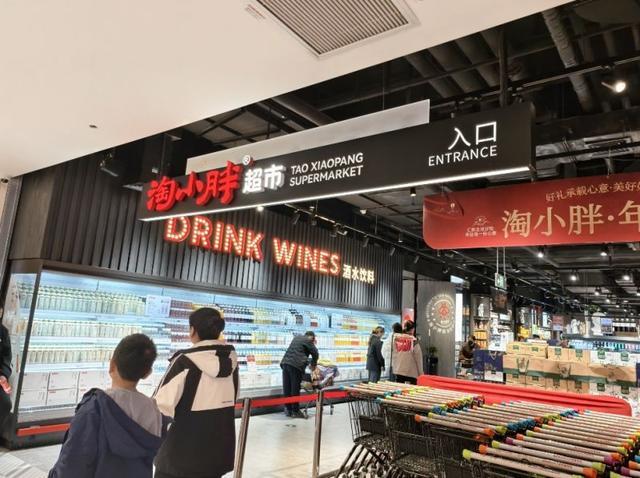
Core Insights - The retail sector in lower-tier cities is undergoing significant transformation, with intense competition among supermarkets, particularly during the recent Spring Festival [2][5][6] - Traditional market leader, Dennis, is facing unprecedented challenges from new entrants like Tao Xiaopang and Hema Fresh, as well as local community supermarkets [2][5][6] Group 1: Market Dynamics - The competition in the supermarket sector in Shangqiu has intensified, with multiple players vying for market share, including established brands and new entrants [5][6] - Tao Xiaopang, a newcomer, has quickly gained popularity by leveraging its brand association with "Fat Donglai," and has opened two stores in Shangqiu [5][6] - Hema Fresh, which has performed well in first- and second-tier cities, opened a store in Shangqiu and attracted significant customer traffic during the Spring Festival [5][6] Group 2: Pricing Strategies - Community supermarkets are employing aggressive pricing strategies to attract customers, with some stores offering bundled deals at competitive prices [3][4] - The local community stores have maintained stable business due to established relationships with residents, while franchise stores face intense competition [3][4] - Major retailers like RT-Mart are also launching promotional campaigns with discounts and bundled offers to draw in customers during the festive season [4] Group 3: Challenges for Traditional Retailers - Dennis, the long-standing market leader, is experiencing a decline in sales, with reports of significant revenue drops during the Spring Festival compared to the previous year [6] - The store's outdated appearance and declining customer traffic highlight the challenges faced by traditional retailers in adapting to the evolving market landscape [6] - Overall, the supermarket industry is in a critical phase of transformation, with many companies struggling to implement effective changes [6][7] Group 4: Future Trends - Experts suggest that the supermarket industry is under systemic pressure for adjustment, with future changes likely focusing on product differentiation and channel upgrades [7][8] - The shift from homogeneous competition to a focus on private labels and multi-channel retail capabilities is seen as essential for survival in the current market [8]
广药集团擘画“十五五”品牌新蓝图 以品牌强企,向世界一流进发
财富FORTUNE· 2026-02-03 13:07
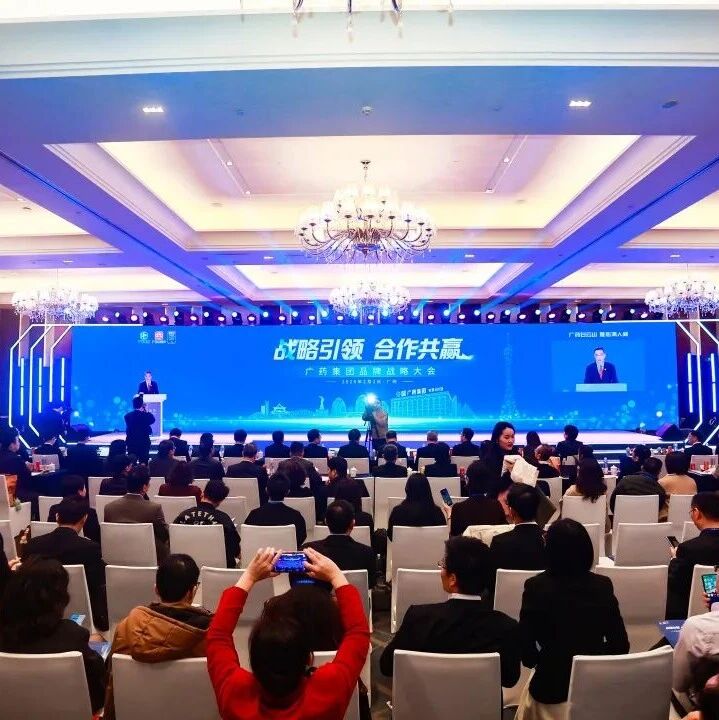
Core Viewpoint - The article discusses the strategic brand development plan of Guangzhou Pharmaceutical Group (广药集团) during its brand strategy conference, emphasizing the importance of brand building as a core strategy for survival and growth in the current market environment [3][5]. Group 1: Brand Strategy and Planning - The conference marked the launch of the "15th Five-Year" brand strategy plan, aiming to "recreate a new Guangzhou Pharmaceutical" [3]. - The core brand strategy is defined as "one lead, dual drive, and three-dimensional empowerment," focusing on strategic leadership, value and innovation, and brand empowerment across products, industries, and ecosystems [3][5]. - The "1+6" brand management framework was introduced, which includes a comprehensive brand strategy plan and six key strategic initiatives to enhance brand positioning, communication, culture, governance, organizational support, and talent development [5]. Group 2: Collaboration and Ecosystem Building - The establishment of the Guangzhou Pharmaceutical Group Brand Strategy Committee was announced, which includes top experts as consultants to enhance brand development [6][7]. - A strategic partnership was formed with 16 national-level platforms and leading media to create a collaborative ecosystem for brand communication [7]. - The "National Advertising Research Institute Brand Demonstration Construction (Guangzhou) Practice Base" was unveiled to promote deep integration of industry, academia, and research in brand development [9]. Group 3: Recognition and Future Directions - The conference recognized outstanding brand development cases for 2025, showcasing successful projects that blend tradition with innovation [13][14]. - An interactive salon was held to explore the future of the Guangzhou Pharmaceutical brand, featuring discussions on sustainable development and practical insights from industry experts [15][17]. - A follow-up meeting focused on transforming strategic blueprints into actionable collaborations, emphasizing transparency and long-term partnerships [19].
备年货啦!
Xin Lang Cai Jing· 2026-01-31 07:08
Core Viewpoint - The article highlights the significance of traditional and local delicacies in Sanya's New Year celebrations, emphasizing the cultural importance of these foods in enhancing the festive atmosphere. Group 1: Traditional Foods - Red sugar rice cake, known as "Nian Nian Gao," symbolizes good fortune and is a staple in Sanya's New Year celebrations [2][4] - The preparation of red sugar rice cake involves mixing glutinous rice flour with fragrant red sugar, resulting in a soft and chewy texture when steamed [6] - Seafood dishes such as pan-fried mackerel and hot pot with grouper are essential components of the festive meal, showcasing the local culinary culture [11][12] Group 2: Snacks and Sweets - Traditional snacks like "Jing Guo" (sugar-coated snacks) are highlighted as favorites, contributing to the festive joy [24] - Candies, seeds, and dried fruits are considered essential for creating a festive atmosphere during the New Year celebrations [26] - The consumption of sugar tangerines is notably high, with reports of individuals consuming up to 10 kilograms in a day, indicating their popularity [28][30] Group 3: Main Dishes - Chicken is a central dish in Sanya's New Year banquets, with "Bai Zhan Ji" (white cut chicken) being a favorite due to its tender meat and flavorful dipping sauce [34][39] - Duck and goose are also common on the festive table, although they do not hold the same prominence as chicken [41] Group 4: Beverages - Traditional beverages such as Jianlibao, Wanglaoji, coconut juice, and winter melon tea are staples during the New Year, reflecting the local drinking culture [42][46] Group 5: Decorations and Symbolism - The presence of plants like kumquat trees is essential for good luck, symbolizing wealth and prosperity for the coming year [51] - Purchasing auspicious flowers and plants adds vibrancy to homes during the New Year, enhancing the festive spirit and expressing hopes for the new year [54]

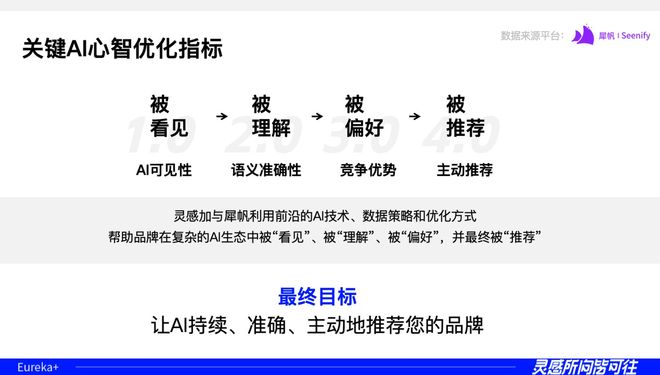
2026品牌AI营销的第一场共识
Tai Mei Ti A P P· 2026-01-08 11:25
Core Insights - The article emphasizes the rapid changes in brand marketing driven by AI technology and the need for brands to adapt to these changes by finding their unique identity and core values [2][3][6]. Group 1: Trends in Brand Marketing - The next decade will witness the fastest changes in human history, with AI technology making "change" a norm and "stability" a rarity [2]. - Brands must focus on customization and emotional value to meet the increasingly fragmented interests and needs of consumers [2][3]. - In the era of algorithm fragmentation, understanding a brand's identity is more crucial than how others perceive it [3]. Group 2: Importance of Scenarios - The significance of scenarios in brand marketing outweighs that of demographics in the AI marketing era [6]. - Brands need to define their "core scenarios" and leverage AI to reinforce their market position [6]. - The interaction between brands and consumers is increasingly mediated by AI, which can recommend products based on specific scenarios [7][30]. Group 3: AI Marketing Infrastructure - Current AI marketing infrastructure consists of AI models that enhance decision-making efficiency and AIGC tools that improve content production [7]. - AI models are changing the way consumers make pre-purchase decisions, with scenario-based inquiries becoming triggers for brand recommendations [7][8]. Group 4: Brand Strategy in AI Era - Brands must view AI marketing as a long-term strategy rather than a short-term tactic, as inconsistent messaging can lead to negative consumer perceptions [12]. - Building a "trust asset" through consistent, high-quality content will be crucial for brands to succeed in AI marketing [34]. - Brands should focus on creating a "scenario-question vocabulary" to align their products with consumer inquiries in AI systems [33]. Group 5: Competitive Landscape for Emerging Brands - Emerging brands should identify their unique positioning and continuously reinforce it to build a competitive edge against larger brands with bigger budgets [28]. - The competition will increasingly revolve around establishing a "unique mental space" in the minds of consumers, which requires proactive efforts to register this space with AI [37]. Group 6: Future of Brand Marketing - By 2026, brand marketing will enter a "dual-track" era, focusing on both human emotional engagement and AI-driven logical persuasion [38]. - Successful brands will be those that can integrate emotional storytelling with rigorous data and evidence to gain AI's trust [38].
白云山(600332):积极布局商业板块 加码王老吉海外布局
Xin Lang Cai Jing· 2025-12-19 06:29
Core Viewpoint - The company is actively expanding its presence in the East China commercial market through strategic acquisitions and internationalization efforts [2][3]. Group 1: Acquisition of Zhejiang Medical Industry - The company announced that its subsidiary, Guangzhou Pharmaceutical, plans to acquire 100% equity of Zhejiang Medical Industry from Haizheng Pharmaceutical for a total consideration of 501 million yuan [1]. - Zhejiang Medical Industry is ranked among the top six pharmaceutical distribution companies in Zhejiang Province, with projected revenues of 4.245 billion yuan for 2024 and 2.920 billion yuan for the first quarter of 2025 [2]. - This acquisition is expected to enhance Guangzhou Pharmaceutical's customer network in Zhejiang and surrounding areas, optimizing its industrial layout in East China and improving market coverage [2]. Group 2: Investment in Nanjing Pharmaceutical - The company announced an investment in Nanjing Pharmaceutical through its subsidiary, Guangyao Phase II Fund, to acquire a portion of its shares by September 2025 [2]. - This investment aims to strengthen business cooperation with Nanjing Pharmaceutical, enhancing collaboration in capital, distribution channels, and traditional Chinese medicine, thereby optimizing the industrial layout in East China [2]. Group 3: Internationalization of Health Sector - In 2025, the company plans to accelerate the internationalization of its health sector, launching four international flavors in a global event in Shanghai [3]. - The international flavors have been gradually launched in countries like Singapore and Malaysia since November, and a local production cooperation framework has been signed with partners in Malaysia [3]. - The company is transitioning from product export to industry chain export and brand export, indicating a significant upgrade in its international strategy [3]. Group 4: Profit Forecast and Valuation - The company maintains its net profit forecasts for 2025 and 2026 at 3.12 billion yuan and 3.431 billion yuan, respectively [3]. - The current A-share price corresponds to a price-to-earnings ratio of 13.4 and 12.2 for 2025 and 2026, while the H-share price corresponds to 8.8 and 7.9 [3]. - The company maintains a target price of 34.0 yuan for A-shares and 23.0 HKD for H-shares, indicating potential upside of 32.5% and 24.7%, respectively [3].