碎牛肉

Search documents
美国人的日常生活涨了多少?
Sou Hu Cai Jing· 2026-01-05 08:10
Inflation Overview - The inflation rate in the U.S. reached 3% in 2025, an increase of 4 percentage points since the beginning of the year, remaining above the Federal Reserve's target of 2% [1] Grocery Prices - Grocery prices have been on the rise since 2017, according to the Consumer Price Index data from the U.S. Bureau of Labor Statistics [2] Restaurant Industry - Prices for dining out have hit a historical high, with non-home dining costs increasing by over 2%. Restaurant traffic has declined for nine consecutive months, leading fast-food chains to attract consumers through price reductions and special menu items [7] - Notable declines in stock prices for mid-range casual dining brands include Chipotle (-44.7%), Sweetgreen (-79.9%), Shack Shack (-38.71%), and Wingstop (-14.7%) [4] Housing and Utilities - The median price of existing single-family homes rose nearly 6% from $398,100 in January to $420,600 in October [8] - Electricity prices for residents increased by 13% since the beginning of the year, with significant price hikes in states with concentrated AI data centers [8] Transportation Costs - Gasoline prices rose to approximately $3.20 per gallon at the beginning of the year but fell to around $2.90 by December [11] - The average price of new cars surpassed $50,000 for the first time in September, while used car sales increased by nearly 4% since the beginning of the year [11] - The number of car owners with overdue payments reached a historical high in November [11] Economic Policies Impact - The inflation trend in 2025 is closely linked to policy adjustments, with the Federal Reserve having cut interest rates for three consecutive months starting in October to address economic pressures. However, inflation control remains a challenge [10] - The "Liberation Day" tariff policy implemented by the Trump administration in April has contributed to rising inflation, with customs collecting approximately $30 billion in tariffs monthly, affecting various consumer goods [10]

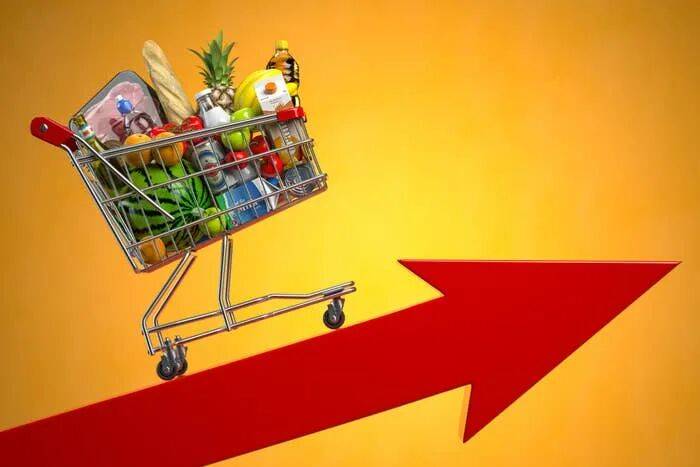
供应收紧叠加特朗普政府调控乏力 牛肉价格再创历史新高
Xin Lang Cai Jing· 2025-12-18 16:50
Group 1 - The core issue is the continuous rise in beef prices in the U.S., with ground beef averaging $6.781 per pound in November, a 2.1% increase from September and a 15% increase year-over-year. Steak prices also saw a slight increase [1][3] - The U.S. cattle inventory is at a historical low, contributing to the record-high beef prices, while demand for products like ground beef remains strong as they are relatively affordable options on meat shelves [1][3] - Despite a decrease in the overall Consumer Price Index (CPI) to 2.7% in November, beef prices continue to surge, indicating a disconnect between general inflation trends and specific commodity prices [1][3] Group 2 - Darden Restaurants' CFO, Raj Vennam, stated that beef prices are nearing historical peaks and are expected to remain high into the next quarter, posing a significant challenge for the company's growth [2][4] - The rise in commodity prices, particularly beef, is identified as a major obstacle for Darden Restaurants, which operates brands like LongHorn Steakhouse and Olive Garden [2][4] Group 3 - The U.S. government is actively addressing the soaring beef prices by investigating price monopolies in the meat processing industry and has eliminated import tariffs on Brazilian beef [1][3] - The USDA has raised its beef import forecast for 2026, predicting a 15% increase in beef imports for the current year due to the removal of tariffs [1][3]
涉及二百余种商品,承认关税推高物价,美免除部分农产品关税
Huan Qiu Shi Bao· 2025-11-16 23:08
Core Viewpoint - The U.S. government has unexpectedly shifted its policy regarding tariffs, particularly on agricultural products, indicating a significant retreat from aggressive tariff strategies that have previously contributed to rising consumer prices [1][2]. Group 1: Policy Changes - President Trump signed an executive order to exempt over 200 agricultural products from "reciprocal tariffs," effective from November 13 [1]. - The exemption applies to products that had previously seen price increases of over 10% year-on-year in the U.S. market [1]. - The decision reflects the administration's acknowledgment of the negative impact of tariffs on consumer prices, as evidenced by rising inflation and public concern over living costs [2][3]. Group 2: Economic Impact - The September Consumer Price Index showed significant price increases, with ground beef prices up nearly 13% and steak prices rising close to 17%, marking the largest increases in over three years [2]. - Overall, food costs for American households rose by 2.7% year-on-year in September, indicating a trend of increasing inflation [2]. - The rising costs have been linked to the administration's trade policies, which have faced criticism from both political parties [3]. Group 3: Political Reactions - The U.S. Chamber of Commerce welcomed the tariff adjustments and urged the government to consider further exemptions for products that are hard to source domestically [3]. - Democratic lawmakers argue that the tariff exemptions are insufficient to address the broader economic damage caused by the administration's trade policies [3]. - Polls indicate that 56% of the public disapproves of the president's handling of economic issues, highlighting the political pressure surrounding inflation and living costs [3].

美国人正经历一个“没了中国货、最恐怖”的万圣节,白宫却仍嘴硬
Sou Hu Cai Jing· 2025-10-26 17:36
Group 1 - The rising price of ground beef in the U.S. is attributed to drought conditions affecting cattle supply and the impact of Trump's tariff policies on imports from countries like Brazil [1][3][4] - The U.S. is experiencing a significant increase in costs for Halloween-related expenses, with a survey indicating that 79% of consumers expect higher prices this year [12][14] - The average spending for Halloween is projected to reach $13.1 billion, with an increase of $11 per person compared to the previous year [14][16] Group 2 - Trump's decision to import beef from Argentina aims to alleviate supply issues and lower prices, despite opposition from domestic cattle ranchers who argue it disrupts the market [6][8] - Concerns have been raised about the safety and quality of imported Argentine beef, especially given past outbreaks of foot-and-mouth disease [9][24] - The reliance on tariffs to protect domestic industries has led to unintended consequences, including increased costs for small businesses and consumers, highlighting the complexity of trade policies [20][26][29] Group 3 - The situation reflects a broader issue where tariffs intended to protect local industries may ultimately harm them by distorting market dynamics and supply chains [26][27] - Small businesses are facing significant challenges, with some forced to lay off employees due to rising costs associated with tariffs [14][20] - The need for a balanced approach between trade protection and market realities is emphasized, as both consumers and businesses are affected by the current policies [27][29]
鸡蛋牛肉番茄轮番涨价,"关税大棒"砸了美国人的餐桌
Sou Hu Cai Jing· 2025-07-20 10:22
Group 1 - Beef prices in the U.S. have surged significantly, with ground beef prices increasing by 12% year-over-year and premium steak prices rising by 8%, marking historical highs [1][3] - The U.S. cattle herd is at its lowest level in 72 years, with only 86.7 million head of cattle reported, leading to increased reliance on beef imports, which exceed 4 million pounds annually [3] - Tariffs imposed on Brazilian beef, a crucial component of the American diet, threaten to disrupt supply chains, as U.S. meat processors blend imported lean beef with domestic fatty beef for products like hamburgers [3][4] Group 2 - The agricultural sector in the U.S. is facing challenges, with 90% of tomatoes and significant portions of fresh fruits and vegetables being imported, highlighting vulnerabilities in domestic production [3] - The impact of tariffs extends beyond beef, affecting various food items such as coffee and orange juice, which are heavily sourced from Brazil, indicating a broader "food inflation" crisis [4] - The current trade policies are pushing key suppliers like Brazil to seek new markets, potentially destabilizing the U.S. food supply chain and increasing costs for consumers [3][4]