
碳酸酯溶剂

Search documents
石大胜华(603026):电解液量价齐升,Q4业绩显著改善
EBSCN· 2026-04-01 06:39
Investment Rating - The report maintains a "Buy" rating for the company [6] Core Insights - The electrolyte industry is experiencing a significant improvement in both price and volume, leading to a notable enhancement in the company's Q4 performance [2] - The company achieved a revenue of 6.808 billion yuan in 2025, a year-on-year increase of 22.7%, while the net profit attributable to shareholders was 0.16 billion yuan, a decrease of 3.2% [1] - In Q4 2025, the company reported a revenue of 2.173 billion yuan, up 56.8% year-on-year and 33.8% quarter-on-quarter, with a net profit of 0.78 billion yuan, an increase of 0.73 billion yuan year-on-year [1][2] Summary by Relevant Sections Revenue and Profitability - The company's revenue for 2025 was 6.808 billion yuan, with a growth rate of 22.75% compared to 2024. The net profit attributable to shareholders was 0.16 billion yuan, reflecting a decline of 3.17% [5] - The projected net profits for 2026, 2027, and 2028 are 4.07 billion yuan (up 328%), 4.57 billion yuan (up 217%), and 5.05 billion yuan, respectively [4] Market Dynamics - The electrolyte industry is benefiting from strong demand in the lithium-ion battery sector, leading to a new phase of price and volume growth. The prices of key raw materials have increased since the second half of 2025, contributing to rising electrolyte prices [2] - The company's electrolyte sales volume increased by 117.9% year-on-year, with a 139.7% increase in sales to major clients like CATL [2] Production and Supply Chain - The company operates four production bases and has established a collaborative supply system, enhancing its leading position in the carbonate solvent industry. The solvent sales volume grew by 29.7% year-on-year [3] - The company has a high degree of self-sufficiency in raw materials, producing over 95% of its basic materials, which significantly reduces procurement costs [4] Financial Metrics - The projected earnings per share (EPS) for 2026, 2027, and 2028 are 1.75 yuan, 1.96 yuan, and 2.17 yuan, respectively [5] - The company's return on equity (ROE) is expected to improve significantly, reaching 7.67% in 2026 and 8.05% in 2028 [12]

开年即冲刺 全力保交付 订单“催更” 锂电企业扩产马不停蹄
Zhong Guo Zheng Quan Bao· 2026-01-08 22:01
Core Viewpoint - The lithium battery industry is experiencing a significant investment boom, driven by increasing demand for energy storage and stable growth in power battery installations, leading to a tight supply-demand balance in 2026 [4][6]. Group 1: Company Expansion Plans - Longpan Technology plans to invest up to 2 billion yuan to build a new production base for 240,000 tons of high-pressure lithium iron phosphate annually, as existing capacity cannot meet customer demand [1][2]. - In addition to Longpan Technology, several companies, including Fulin Precision, Dongfang Zirconium, and Xinzhou Bang, have announced investment plans for lithium battery projects, continuing the expansion trend from 2025 [1][2]. - Longpan Technology has previously raised funds to build projects with capacities of 110,000 tons and 85,000 tons of high-performance phosphate-based cathode materials, with ongoing capacity expansion efforts [2]. Group 2: Industry Investment Trends - Since 2025, over 282 investment projects in the lithium battery industry chain have been announced in China, with a total investment exceeding 820 billion yuan, marking a year-on-year increase of over 74% [2]. - The investment trend is not only domestic but also expanding internationally, with companies like Xinzhou Bang planning to invest approximately 260 million USD in a lithium-ion battery materials project in Saudi Arabia [3]. Group 3: Market Dynamics - The surge in lithium battery investments is attributed to multiple factors, including the explosive growth in energy storage demand, steady increases in power battery installations, and rapid technological advancements [4][5]. - The industry has transitioned from a state of oversupply to a tight balance since mid-2025, with expectations of continued investment momentum into 2026 due to strong demand growth [6][7]. - Companies are increasingly adopting a rational approach to expansion, focusing on "order capacity" to avoid blind investments and ensure sustainable growth [6][7].



碳酸锂涨停,铁锂提价,六氟停产
高工锂电· 2026-01-06 10:47
Group 1 - The core viewpoint of the article highlights the recent price increase of lithium iron phosphate (LFP) and the underlying uncertainties in the supply chain, particularly regarding the transmission of lithium carbonate prices to battery manufacturers [2][3] - Two LFP companies confirmed price hikes for downstream customers, with one company indicating an increase of approximately 1500 to 2000 yuan/ton for major clients, while most other customers accepted a processing fee increase of 1000 yuan/ton [2] - The article discusses the significant fluctuations in lithium carbonate futures, with the main contract closing at 137,940 yuan/ton on January 6, indicating a need for better alignment between upstream procurement and downstream pricing mechanisms [3][4] Group 2 - The term "point pricing" has become prevalent in negotiations, where a pricing window is established for both parties to agree on a specific point in time to set the price based on futures contracts [4][5] - Material companies are pushing for a higher proportion of customer-supplied lithium carbonate and shifting the pricing anchor from spot prices to futures-linked pricing to mitigate risks associated with price fluctuations [5] - Recent announcements from major companies indicate a simultaneous trend of production cuts and expansions, with several LFP manufacturers announcing reductions in production while also planning significant capacity expansions [9][10] Group 3 - Tianqi Lithium announced a reduction in its planned production of electrolyte and battery recycling projects due to changes in market conditions, adjusting its total investment to not exceed 600 million yuan [6][7] - The article notes that while short-term supply constraints and maintenance are occurring, there are also long-term capacity expansion plans in the pipeline, indicating a complex market dynamic [8] - The simultaneous occurrence of production cuts and expansion plans raises questions about whether price increases can translate into profit recovery, emphasizing the importance of navigating price risks and ensuring that processing fees are elevated before new capacities come online [11][12]




2.6亿美元!中国上市公司锂电材料生产进军中东
Sou Hu Cai Jing· 2026-01-05 08:24
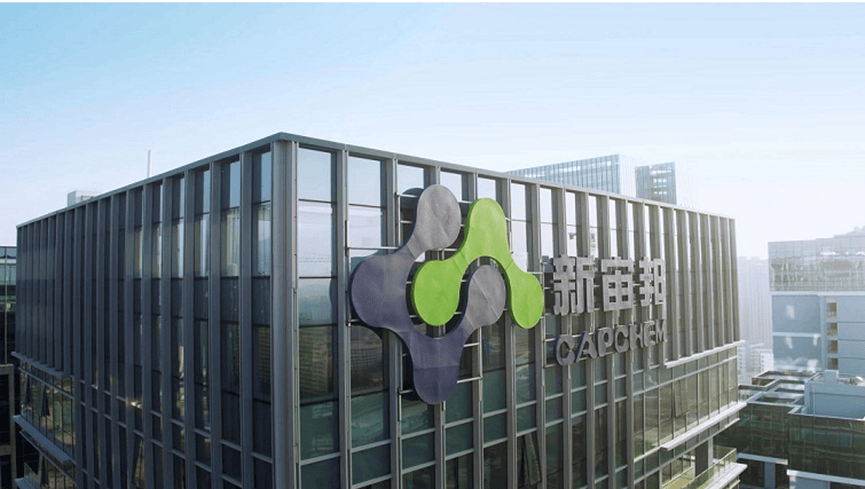
Group 1 - Shenzhen Capchem Technology Co., Ltd. plans to invest approximately $260 million in a lithium-ion battery materials project in Yanbu Industrial City, Saudi Arabia, focusing on an annual production of 200,000 tons of carbonate solvent and 100,000 tons of ethylene glycol [1][4] - The project aligns with the "Belt and Road" initiative and aims to capitalize on opportunities in the Middle East's new energy sector, marking a new phase in the company's internationalization strategy [1][4] Group 2 - The project will be implemented by Capchem Middle East Company, a wholly-owned subsidiary, with plans to introduce local Saudi investors for joint investment [4] - The project site covers approximately 100,000 square meters, with a construction period not exceeding three years, funded through self-raised and strategic investor capital [4] Group 3 - The project benefits from strong policy support, as China encourages leading enterprises to participate in "Belt and Road" initiatives, while Saudi Arabia's Vision 2030 emphasizes industrial diversification and low-carbon development [7][8] - The strategic location of Saudi Arabia provides logistical advantages, allowing efficient access to European and Southeast Asian markets, thereby reducing transportation costs and delivery times [10][11] Group 4 - The overseas lithium battery market is expanding, driven by the growth of electric vehicles and energy storage in Europe and North America, with a notable supply gap in local solvent production [11][12] - The company has established a solid operational foundation with its Polish electrolyte project and has secured supply agreements with local suppliers in Saudi Arabia, ensuring stable raw material costs and supply [14] Group 5 - Shenzhen Capchem Technology Co., Ltd. has focused on electronic chemicals for nearly 30 years, with a strong presence in battery chemicals, particularly in lithium-ion battery electrolytes [15][16] - The company has developed core technologies across the entire supply chain, including solvents and additives, and maintains long-term partnerships with leading battery manufacturers [16][18] Group 6 - The Middle East project represents a significant step in the company's global strategy, providing stable solvent supplies to overseas plants and enhancing international customer responsiveness [23] - The project is expected to strengthen the company's leading position in the industry and facilitate its transformation from a domestic leader to a global integrated enterprise [25][26] Group 7 - The investment aligns with the company's and shareholders' fundamental interests, as the demand for lithium-ion battery electrolytes is expected to grow due to increasing penetration of electric vehicles and energy storage expansion [27] - The industry is witnessing rising concentration, with leading companies expanding their market share through technological and cost advantages [28][29] Group 8 - The project serves as a new model for green cooperation between Chinese enterprises and the Middle East, contributing to the global new energy supply chain and enhancing Sino-Saudi economic cooperation [30]
天赐净利预增最高231%,新宙邦三地扩产
高工锂电· 2026-01-04 10:37
Core Viewpoint - The article highlights the profit recovery in the electrolyte industry driven by increased demand for new energy vehicles and energy storage, alongside the company's strategic moves towards localization and upstream collaboration [2][3][10]. Group 1: Profit Forecast and Performance - Guangzhou Tinci High-Technology Materials Co., Ltd. expects a net profit of 1.1 billion to 1.6 billion yuan for 2025, representing a year-on-year increase of 127.31% to 230.63% [2]. - The company anticipates a non-net profit of 1.05 billion to 1.55 billion yuan, with a year-on-year growth of 175.16% to 306.18% [2]. - The growth in lithium-ion battery material sales is attributed to sustained demand from new energy vehicles and rapid growth in energy storage [3]. Group 2: Production and Market Strategy - Newzobang has announced three cross-regional investments and expansions in Europe, the Middle East, and North China, shifting focus from single-point expansion to a combination of "local delivery + upstream raw material security + high value-added product structure" [4]. - Tinci's projected annual electrolyte sales for 2025 are 720,000 tons, exceeding the initial target of 700,000 tons, with core products reaching full production capacity [5]. - The company plans to increase the proportion of LiFSI in its electrolyte products from approximately 2% to between 2.2% and 2.5% due to rising demand for fast-charging and energy storage applications [5]. Group 3: Expansion Plans - In Poland, Newzobang plans to invest up to 200 million yuan in a second phase project to add 50,000 tons/year of electrolyte production capacity [6][7]. - In the Middle East, the company intends to invest approximately 260 million USD in a lithium-ion battery materials project in Saudi Arabia, which will produce 200,000 tons of carbonate solvents and 100,000 tons of ethylene glycol [8]. - The expansion in Poland aims to address local market capacity gaps, while the Saudi project enhances upstream supply chain control, reducing delivery risks [8]. Group 4: Domestic Investment - Newzobang has increased its investment in the Tianjin semiconductor chemicals and lithium battery materials project by 103 million yuan, raising the total investment to 320 million yuan [9]. - The additional funds will be used for high-end production line construction and core equipment purchases, driven by growing demand in the electronics and photovoltaic sectors [9]. - This investment reflects the company's stronger confidence in the demand for high value-added electronic chemicals and emphasizes product structure optimization [10]. Group 5: Industry Outlook - The electrolyte industry is transitioning from concerns about market bottoming to focusing on which companies can effectively collaborate with upstream suppliers and localize production [11].

新宙邦:波兰扩建5万吨/年电解液、沙特新建20万吨/年碳酸酯溶剂等
鑫椤锂电· 2026-01-04 08:00
Core Viewpoint - The company is expanding its lithium-ion battery materials production capacity in Europe and the Middle East through significant investments in Poland and Saudi Arabia, aiming to enhance local supply capabilities and optimize production costs [1][5]. Group 1: Poland Project - The company plans to invest up to 200 million yuan in the second phase of its lithium-ion battery materials project in Poland, with the project being implemented by its subsidiary Capchem Poland Sp. z o.o. [1] - The project includes technical upgrades to the existing production area and the construction of a new production workshop, which will add a capacity of 50,000 tons per year for lithium battery electrolyte [3]. - Upon completion, the project is expected to fill the capacity gap in the European market, strengthen local supply capabilities, and improve response efficiency and service quality for European customers [3]. Group 2: Saudi Arabia Project - The company announced plans to invest approximately 260 million USD in the construction of a lithium-ion battery materials project in Yanbu Industrial City, Saudi Arabia, through its wholly-owned subsidiary, Middle East Capchem [5]. - The project will establish a production line with an annual capacity of 200,000 tons of carbonate solvent and co-produce 100,000 tons of ethylene glycol, along with necessary public works and environmental treatment facilities [5]. - This project aims to enhance the company's global production capacity layout and build an overseas collaborative supply chain, while also supplying electrolyte solvents to the overseas market [7].
约2.6亿美元!新宙邦拟在沙特投建锂电池材料项目
起点锂电· 2026-01-03 09:20
Group 1 - The core viewpoint of the article is that the company plans to invest approximately $260 million in a lithium-ion battery materials project in Saudi Arabia, with a construction period not exceeding three years [2] - The project will primarily produce carbonate solvents and ethylene glycol, and the land area for the project is about 300,000 square meters [2] - Funding for the project will come from the company's own and raised funds, or through joint investment with third-party strategic investors [2] Group 2 - The article mentions a review of past events, including the release of the 2025 top 15 energy storage battery rankings, which indicates that orders are fully booked [3] - It highlights the production of a 450,000 tons/year lithium iron phosphate project in Yichang, which has commenced operations [3] - The article notes that copper prices have risen over 40% and are expected to achieve the strongest annual performance since 2009 [3]
新宙邦(300037.SZ):拟投资建设中东新宙邦锂离子电池材料项目
Ge Long Hui· 2025-12-31 10:58
Core Viewpoint - The company plans to invest approximately $260 million in a lithium-ion battery materials project in Yanbu Industrial City, Saudi Arabia, through its wholly-owned subsidiary, Capchem Middle East Company [1] Group 1: Project Details - The project will have an annual production capacity of 200,000 tons of carbonate solvents and co-produce 100,000 tons of ethylene glycol [1] - The investment will also include the construction of supporting infrastructure such as public utilities, environmental treatment facilities, storage and logistics systems, and safety protection facilities [1] Group 2: Implementation and Adjustments - The company will follow legal procedures and disclose timely if there are any adjustments to the implementation entity or equity structure due to the introduction of joint venture partners [1]
石大胜华20251110
2025-11-11 01:01
Summary of the Conference Call for Shida Shenghua Industry Overview - The company operates in the lithium battery materials industry, focusing on lithium hexafluorophosphate (LiPF6), additives, and carbonate solvents, with significant production capacities located in Shandong, Hubei, and Fujian [2][4]. Key Points and Arguments Production Capacity and Growth - Shida Shenghua has a production capacity of 100,000 tons of liquid LiPF6 and 3,000 tons of solid LiPF6, along with 11,000 tons of additives and 736,000 tons of carbonate solvents, which are the main sources of revenue and profit [2][4]. - The company plans to start trial production of 5,000 tons of silicon-based anode materials in Q4 2025, with full-scale production expected in 2026, marking a second growth curve for the company [2][4]. Price Trends - LiPF6 prices have rebounded since late August due to increased downstream demand, reaching approximately 120,000 yuan/ton during the National Day holiday, with expectations for further price increases in Q4 and Q1 of the following year [2][6][15]. - The production cost for liquid LiPF6 is about 54,000 yuan/ton, while solid LiPF6 costs around 57,000 yuan/ton, based on current lithium carbonate prices [2][7]. Market Demand and Supply - The effective national production capacity for LiPF6 is around 315,000 tons, with a demand of approximately 250,000 to 280,000 tons this year, resulting in an industry utilization rate exceeding 80% [8]. - The company anticipates releasing 27,000 to 30,000 tons of LiPF6 production next year, with strong market demand expected to absorb new supply [9]. Customer Base and Sales Strategy - 70% of the LiPF6 produced is used for the company's own 500,000 tons of electrolyte production, with the remaining 30% sold externally, including long-term contracts with major battery manufacturers like CATL and BYD [10][12]. - The company has completed the onboarding process with major domestic battery manufacturers and is accelerating the certification process for remaining clients [10]. Electrolyte Business - The design capacity for electrolytes is 500,000 tons, with expected actual production and sales between 100,000 to 120,000 tons this year, and projected sales of 200,000 to 230,000 tons in 2026 [11]. - The profitability of the electrolyte business primarily comes from the sales of solvents and LiPF6 rather than processing fees, with price adjustments for long-term contracts expected in November [12][17]. Solvent Market Dynamics - The solvent market is currently in a state of low profitability, with prices expected to improve in Q4 due to recent price increases [23]. - The overall solvent demand for 2026 is projected to be between 2.2 to 2.4 million tons, with supply close to 4 million tons, indicating a potential oversupply situation [24]. Future Outlook - The company does not plan to expand production capacity further due to existing idle capacities in the market, which could lead to supply-demand imbalances if other companies also expand [26]. - The silicon-based anode project is expected to release capacity in Q1 2026, with anticipated profits of approximately 100,000 yuan per ton [39]. Additional Important Information - The company has a significant focus on internal raw material supply, which affects actual output levels, with expected shipments of 460,000 to 480,000 tons next year [25]. - The pricing dynamics between long-term and spot contracts are complex, with historical data not fully applicable to the current market cycle [18]. This summary encapsulates the key insights from the conference call, highlighting the company's strategic positioning, market dynamics, and future growth prospects in the lithium battery materials sector.
全球近五分之一储能项目“带病运行”
Zhong Guo Hua Gong Bao· 2025-10-21 09:38
Group 1 - The report by Accure highlights that 19% of global energy storage projects suffer economic losses due to technical issues and unexpected shutdowns [1] - Common issues include automatic shutdowns to prevent equipment damage, recurring safety alarms, and imbalances at the battery group or module level [1] - Most energy storage projects over-specify system capacity by 15% to 25% to mitigate battery degradation, with smaller projects exceeding 30% to 35% [1][2] Group 2 - Only 83% of projects meet or exceed rated capacity during on-site acceptance testing, with lithium iron phosphate battery systems often showing a state of charge estimation error of ±15%, and some exceeding ±40% [1][2] - The report indicates that over one-third of sampled systems achieve over 88% round-trip efficiency, while some systems fall below 85% [2] - A 1% to 2% efficiency loss can translate into millions of dollars in revenue loss over the lifecycle of the project [2] Group 3 - The report is based on operational data from over 100 grid-scale energy storage systems, covering more than 18 GWh of operational battery storage assets from June 1 to September 1, 2025 [2] - The carbonates and electrolytes market faces supply-demand imbalances and increased competition due to rapid capacity growth and global trade adjustments [3] - The upcoming conference aims to address industry challenges and explore opportunities through technological and product innovations [3][4]