电解液

Search documents
爆发!5分钟封死涨停,6天5板!还有千亿巨头股价狂飙!医药股久违大涨,要反转了吗...
雪球· 2026-03-27 04:40
Market Overview - The market opened lower but rebounded, with all three major indices closing in the green. The Shanghai Composite Index rose by 0.26%, the Shenzhen Component Index increased by 0.93%, and the ChiNext Index gained 0.83% [3]. - The total trading volume in the Shanghai and Shenzhen markets reached 1.14 trillion yuan, a decrease of 843 billion yuan compared to the previous trading day, with over 3,700 stocks rising [4]. Sector Performance Lithium Mining Sector - The lithium mining concept saw a significant surge, with Rongjie Co. achieving four consecutive trading limit-ups, while Jiangte Electric, Jinyuan Co., and Shengxin Lithium Energy also hit the daily limit [5]. Pharmaceutical Sector - The pharmaceutical sector showed strong performance, with Keta Bio reaching a 20% limit-up, Meinuo Pharma achieving five limit-ups in six days, and Wanbangde and Lianhuan Pharma also hitting the daily limit. The A-share innovative drug sector rose by 3% [10][13]. Chemical Sector - The chemical sector was active, with stocks like Sully Co., Lubek Chemical, and Jinzhen all hitting the daily limit. The rise was attributed to increasing international oil prices and a recovery in the chemical industry [17][20]. Notable Company Developments Innovent Biologics - Innovent Biologics reported a total revenue of 13.042 billion yuan for 2025, a year-on-year increase of 38.4%, and a net profit of 814 million yuan, marking a 959.72% increase, representing the company's first annual profit [14]. Lianhuan Pharma - Lianhuan Pharma announced that its subsidiary received approval from the National Medical Products Administration for a new drug application, boosting investor confidence in domestic innovative drug development [13]. Novo Nordisk - The expiration of the core compound patent for Semaglutide in China has disrupted the long-standing monopoly, leading to increased interest in Chinese weight-loss drug stocks [15]. Industry Insights - Analysts believe that China's innovative drug sector is at the beginning of a long-term growth cycle, with significant potential not yet reflected in A/H share pricing. The number and value of business development transactions in the innovative drug sector have reached new highs [16]. - The chemical industry is expected to see a recovery, with supply growth slowing and a replenishment cycle beginning, driven by high-quality development initiatives [20].



新宙邦:看好6F及添加剂贡献利润弹性-20260324
HTSC· 2026-03-24 02:45
Investment Rating - The report maintains a "Buy" rating for the company with a target price of 65.52 RMB [8][9]. Core Insights - The company reported a revenue of 9.639 billion RMB for 2025, representing a year-on-year increase of 22.84%, and a net profit attributable to shareholders of 1.097 billion RMB, up 16.48% year-on-year [3][9]. - The growth in revenue and profit is primarily driven by increased demand in the downstream market, leading to a rise in both volume and price of electrolytes [3]. - The company is expected to benefit from its 6F layout, which is anticipated to contribute to profit elasticity, alongside growth in the shipment of organic fluorine second-generation products and a gradual reduction in losses from Haidefu [3][5]. Summary by Sections Financial Performance - In Q4 2025, the company achieved a revenue of 3.023 billion RMB, with a year-on-year increase of 38.7% and a quarter-on-quarter increase of 27.6%. The net profit attributable to shareholders was 349 million RMB, reflecting a year-on-year increase of 45.2% and a quarter-on-quarter increase of 32.2% [4]. - The estimated profit from electrolytes in Q4 was around 100 million RMB, with a shipment volume exceeding 90,000 tons and a net profit per ton exceeding 1,000 RMB [4]. Product Development - The company is actively expanding its production capacity for new lithium salts, specifically LIFSI, with a current capacity of 2,400 tons fully utilized and additional phases planned for production [6]. - The company has established partnerships with major global clients for its fluorinated cooling liquids, which are now being applied in various fields such as semiconductor cooling and data center immersion cooling [7]. Market Outlook - The price of 6F has decreased to 111,000 RMB per ton as of March 23, down from an average of 180,000 RMB in December, attributed to seasonal effects and increased inventory [5]. - The company has a production capacity of 36,000 tons for 6F, 2,400 tons for LiFSI, and 10,000 tons for VC, with an additional 5,000 tons expected to be operational in the second half of 2026 [5].

新宙邦(300037)2025年业绩快报点评:氟化工稳中有升 六氟涨价盈利修复
Xin Lang Cai Jing· 2026-02-11 06:44
Core Viewpoint - The company is expected to achieve revenue of 9.64 billion yuan in 2025, representing a year-on-year increase of 22.8%, with a projected net profit attributable to shareholders of 1.1 billion yuan, up 16.6% year-on-year, and a non-recurring net profit of 1.09 billion yuan, up 14.5% year-on-year [1] Group 1: Financial Performance - The company forecasts a net profit of 350 million yuan for Q4 2025, with a quarter-on-quarter increase of 45.5% and a year-on-year increase of 32.5% [1] - The estimated non-recurring net profit for Q4 2025 is 370 million yuan, with a quarter-on-quarter increase of 53% and a year-on-year increase of 50% [1] - The company expects to ship over 80,000 tons of electrolyte in Q4 2025, a 35% year-on-year increase, and over 280,000 tons for the entire year, a 45% increase [1] Group 2: Profitability and Market Dynamics - The electrolyte segment is projected to contribute approximately 100 million yuan in profit for Q4, with a unit profit recovery to 1,200 yuan per ton, primarily driven by price increases in hexafluorophosphate and VC [1] - The company anticipates that the fluorochemical segment will generate around 200 million yuan in profit for Q4 2025, with a slight increase quarter-on-quarter [2] - The semiconductor cooling liquid product is expected to complete customer certification in 2026, leading to volume growth, while the fluorochemical segment is projected to contribute 1 billion yuan in profit, indicating a recovery in growth [2] Group 3: Investment Outlook - The company maintains a "buy" rating, with a target price of 79.8 yuan, based on significant price increases for hexafluorophosphate and VC, and expected contributions from new products in the fluorochemical business [2] - The projected net profits for 2025, 2026, and 2027 are 1.1 billion, 2.4 billion, and 2.98 billion yuan respectively, reflecting year-on-year growth of 17%, 118%, and 25% [2]
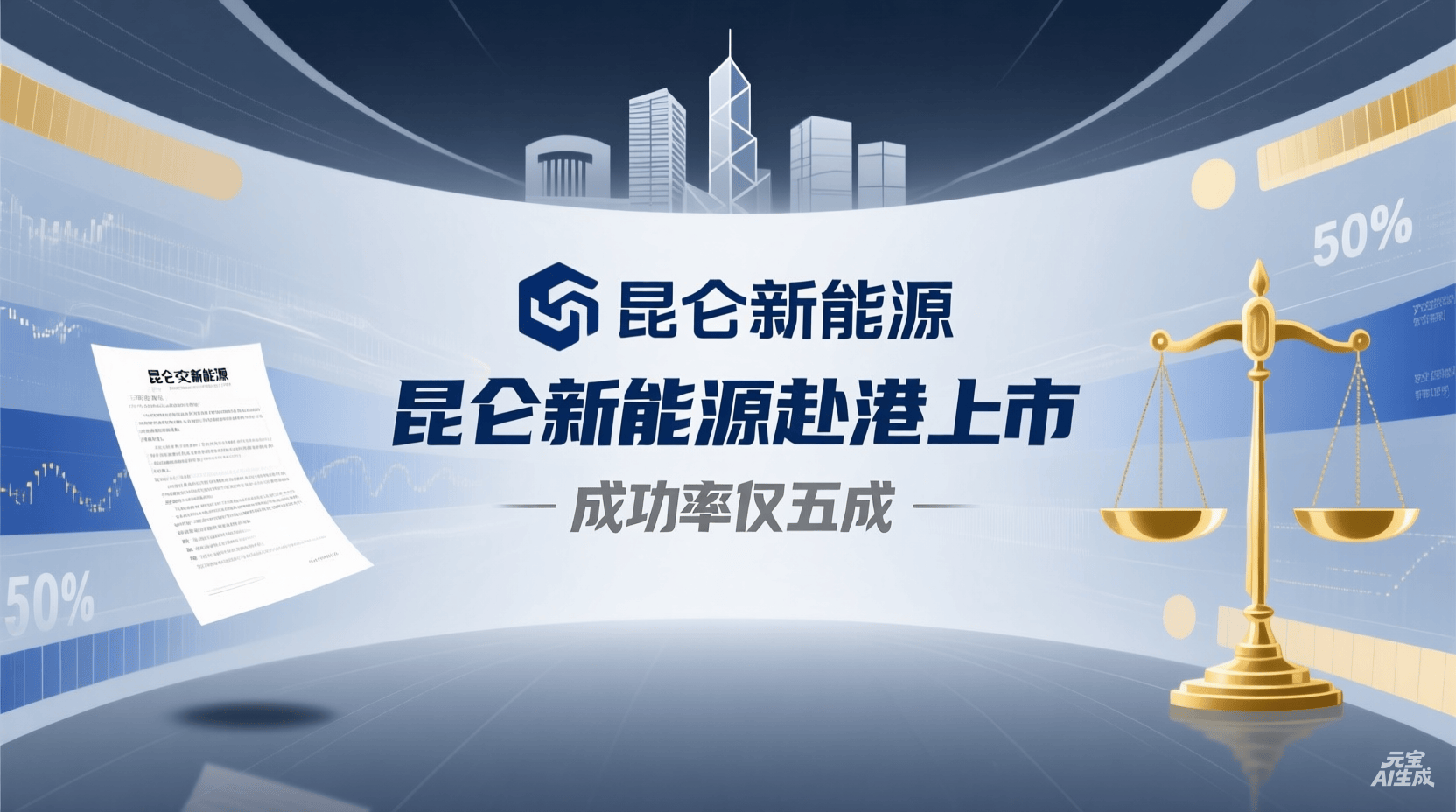
昆仑新能闯关港股IPO:成功概率仅50%
Sou Hu Cai Jing· 2026-02-11 03:32
Core Viewpoint - Kunlun New Energy Materials Technology (Yichang) Co., Ltd. has submitted its IPO application to the Hong Kong Stock Exchange, but faces significant challenges due to volatile financial performance and structural risks, leading to a market perception of only a 50% chance of success [2][6][7] Financial Performance - The company is projected to experience a 35.3% year-on-year decline in revenue for 2024, dropping to 1.02 billion RMB, with a net loss of 27.61 million RMB [3] - Despite a slight recovery in the first nine months of 2025 with revenue reaching 1.03 billion RMB, net profit remains marginally negative at 13,000 RMB, indicating a lack of substantial recovery in profitability [3] - The gross margin has plummeted from 11.0% in 2023 to 4.4% in 2024, with a slight recovery to 5.7% in the first nine months of 2025, reflecting intense price competition in the electrolyte industry [3] - The energy storage system (ESS) electrolyte business has consistently reported gross losses, with a gross margin of only 0.9% in the first nine months of 2025, despite its revenue share increasing from 15% to 23.8% [3] Cash Flow Concerns - The company has a high dependency on its top five customers, with sales to the largest customer accounting for 60.1% at one point, which poses significant risks if customer orders fluctuate [4] - In the first nine months of 2025, the net cash flow from operating activities turned negative at 7.49 million RMB, while 74.26 million RMB was needed for capacity expansion, indicating reliance on external financing [4] - As of September 30, 2025, interest-bearing bank loans increased to 224 million RMB, with a net debt-to-equity ratio of 18.9% and a current ratio of 1.5, highlighting short-term debt pressure [4] Compliance Issues - The company disclosed two instances of "unauthorized construction" during the reporting period, resulting in administrative fines, along with issues related to employee social security contributions and unregistered properties [5] - The company plans to use a significant portion of the IPO proceeds for capacity expansion, aiming to increase total capacity from 180,000 tons/year to over 500,000 tons/year, which raises concerns given the current industry overcapacity and low gross margins [5] - The company has made investments in advanced fields like solid-state electrolytes, but the technological landscape remains uncertain, posing risks to existing liquid electrolyte investments [5] IPO Success Probability - The overall assessment indicates that Kunlun New Energy's IPO journey is fraught with challenges, with a success probability estimated at around 50% [6][7] - The company holds a significant market position as the third-largest electrolyte supplier globally, benefiting from the long-term growth trends in the electric vehicle and energy storage sectors [6] - However, the low gross margins, volatile profitability, negative cash flow, and high customer dependency are critical issues that could hinder its ability to meet capital market expectations [6]
申万宏源证券晨会报告-20260211
Shenwan Hongyuan Securities· 2026-02-11 00:44
Core Insights - The report highlights the strong growth potential of Luckin Coffee, projecting a compound annual growth rate (CAGR) of 25% for net profit from 2025 to 2027, driven by an increase in store count and market penetration [9][11] - The report also emphasizes the strategic positioning of Juchip Technology in the low-power AIoT chip design sector, with expectations of significant revenue growth and a favorable valuation compared to peers [3][12] - The oil and petrochemical industry is anticipated to experience a decline in oil prices, impacting upstream performance while downstream sectors may see a mixed outlook, with polyester margins expected to improve by Q4 2025 [13][14] Luckin Coffee Analysis - Luckin Coffee, established in 2017, utilizes a new retail model leveraging mobile internet and big data to provide high-quality coffee at competitive prices, achieving a market share of approximately 21.8% in China's fresh coffee sector by 2023 [9][10] - The company has a robust R&D system with 85 employees, continuously innovating and winning multiple international awards, including the IIAC International Coffee Tasting Competition [10] - The marketing strategy focuses on a youthful image and efficient private domain operations, resulting in a record of over 1 billion transactions by 2024 [10][11] - The store count reached 29,214 by Q3 2025, with a mix of direct and franchise models tailored to different market segments [10][11] - The target price for Luckin Coffee is set at $49, based on a 2026 PE valuation of 19 times, reflecting a discount compared to competitors like Starbucks [11] Juchip Technology Insights - Juchip Technology is recognized as a leading low-power AIoT chip designer, expanding its offerings from mid-to-high-end audio to edge AI applications [3][12] - The company has developed a proprietary protocol stack that enhances wireless audio capabilities, demonstrating its competitive edge in high-interference environments [3][12] - Revenue projections for Juchip Technology indicate a net profit of 2.04 billion, 2.89 billion, and 3.77 billion from 2025 to 2027, with a target PE of 38 times, suggesting a 21% upside potential [3][12] Oil and Petrochemical Industry Overview - The report forecasts a decrease in crude oil prices, with Brent crude expected to average $63.1 per barrel in Q4 2025, reflecting a 7.4% decline from the previous quarter [13][14] - Price differentials for various petrochemical products are expected to widen, with certain margins improving while others face compression [13][14] - Key companies in the sector are projected to experience varied performance, with some like China National Offshore Oil Corporation expected to see profit growth, while others like China Petroleum may face significant declines [13][14] - Investment recommendations include focusing on high-quality polyester companies and major refining firms, anticipating improved competitiveness due to cost reductions and market dynamics [13][14]


电解液“老三”开启港股IPO!
Sou Hu Cai Jing· 2026-02-02 01:33
Core Viewpoint - The ongoing trend of electrolyte manufacturers seeking to list in Hong Kong continues, with Kunlun New Materials preparing for its IPO after Xinzhou Bang, aiming to expand its global strategy and financing channels [1][4]. Group 1: Company Overview - Kunlun New Materials has submitted its listing application to the Hong Kong Stock Exchange, with Ping An Securities and CITIC Construction Investment International as sponsors [1]. - The company specializes in the research and production of electrolyte products, with a total production capacity of approximately 180,000 tons, and plans to expand to over 500,000 tons through new projects in Yichang, Yibin, and Hungary [1][4]. - In 2023, Kunlun New Materials aimed for an A-share listing but withdrew its application in May 2024 due to industry adjustments [3][4]. Group 2: Market Dynamics - The electrolyte market is experiencing a recovery, driven by a significant increase in the price of lithium hexafluorophosphate, which rose over 200% in four months, leading to supply-demand imbalances [6]. - The market for lithium battery electrolytes is projected to reach 2.11 million tons in 2025, with a year-on-year growth of 45.3%, and Kunlun New Materials ranks third among the top 10 companies [1][6]. - The industry is characterized by high concentration, with leading companies dominating the market, making it challenging for smaller firms to expand due to long construction cycles for new production lines [6][8]. Group 3: Strategic Initiatives - Kunlun New Materials is focusing on solid-state electrolytes and has made significant investments in technology development, including establishing pilot lines for oxide and sulfide technologies [4][7]. - The company is also strategically investing in other firms, such as becoming a strategic investor in LZ New Energy, which is expected to enhance its production capabilities [5][4]. - The demand for electrolytes is expected to grow, particularly in the energy storage sector, as safety concerns drive higher requirements for electrolyte products [7][8].

三家锂电装备、一家材料企业密集IPO
高工锂电· 2026-01-28 12:26
Core Viewpoint - The battery industry chain is experiencing a concentrated wave of IPO activities, with several companies making significant progress in their listings, particularly in the lithium battery equipment sector [4][5]. Group 1: IPO Developments - Four companies have recently disclosed their IPO progress, with three focusing on lithium battery equipment [4]. - XianDao Intelligent passed the main board listing hearing on January 25, 2024, and is the largest player in lithium battery intelligent equipment. The company is facing significant pressure due to a decline in revenue and profit in 2024, but is expected to see a recovery in 2025 with a projected net profit of 1.5 billion to 1.8 billion yuan, representing a year-on-year growth of 424.29% to 529.15% [5][6]. - Liqi Intelligent passed the Shenzhen Stock Exchange's Growth Enterprise Market review on January 20, 2024, aiming to raise 1.008 billion yuan. The company focuses on material automation systems for lithium battery manufacturing, with over 90% of its revenue coming from lithium battery-related products [6]. - Shanghai Junyi submitted its prospectus to the Hong Kong Stock Exchange on January 23, 2024, and is primarily engaged in industrial automation systems for the automotive and new energy battery industries. The company reported revenues of 511 million yuan and 614 million yuan for 2023 and 2024, respectively, with a 26.7% year-on-year growth in the first nine months of 2025 [7]. Group 2: Market Trends and Projections - Investment in lithium battery equipment typically leads changes in production capacity and end-demand. Equipment orders reflect battery manufacturers' judgments on future manufacturing rhythms and technology routes [8]. - The demand for lithium battery manufacturing equipment is expected to grow over the next two to three years, driven by increasing demand for electric vehicles and energy storage, as well as the need for upgrades to existing production lines. The global market for lithium battery intelligent equipment is projected to grow from 59.3 billion yuan in 2024 to 235.9 billion yuan in 2029, with a compound annual growth rate of 31.8% [8]. - Since the beginning of 2025, there has been a surge in listings from the lithium battery industry chain in Hong Kong, marking a significant trend towards globalization for Chinese lithium battery companies [9].
江苏国泰(002091):首次覆盖报告:江苏纺服外贸龙头,贸易、化工双轮驱动
Haitong Securities International· 2026-01-13 06:13
Investment Rating - The report assigns an "Outperform" rating to the company, with a target price of 11.52 RMB based on a 15x PE for 2026, resulting in a target market value of 187.5 billion RMB [1][16]. Core Insights - The company is positioned as a leading player in textile trade and the electrolyte sector, benefiting from the global restructuring of consumer goods supply chains and the recovery of the new energy industry. The core trading business maintains steady growth through global capacity layout, while the chemical new materials segment is expected to contribute to earnings elasticity due to increased orders from battery clients and improved supply structure [4][13]. Financial Summary - The company forecasts total revenue for 2025-2027 to be 398.6 billion, 413.3 billion, and 425.4 billion RMB, with year-on-year growth rates of +2.3%, +3.7%, and +2.9% respectively. The net profit attributable to the parent company is projected to be 11.93 billion, 12.50 billion, and 13.07 billion RMB, with growth rates of +7.9%, +4.8%, and +4.5% respectively [14][15]. Business Overview - The company operates primarily in the textile trade, which accounts for over 90% of its revenue. The chemical business, while facing challenges, still plays a role in the overall performance. The trading segment is expected to grow steadily, while the chemical segment is projected to recover gradually as market conditions improve [25][19]. Supply Chain Strategy - The company has shifted towards a "world supply chain integration" model, with significant investments in overseas production facilities, particularly in Southeast Asia and Africa. This strategy aims to mitigate external disruptions and ensure stable core orders [4][41]. New Energy and Materials Sector - The new energy materials segment, led by the subsidiary RuTai New Materials, is focused on lithium battery materials and organic silicon. The company anticipates a recovery in this sector as supply and demand dynamics improve, despite facing price pressures in the short term [20][4].

电解液企业扎堆港股IPO,释放了哪些信号?
高工锂电· 2026-01-09 10:46
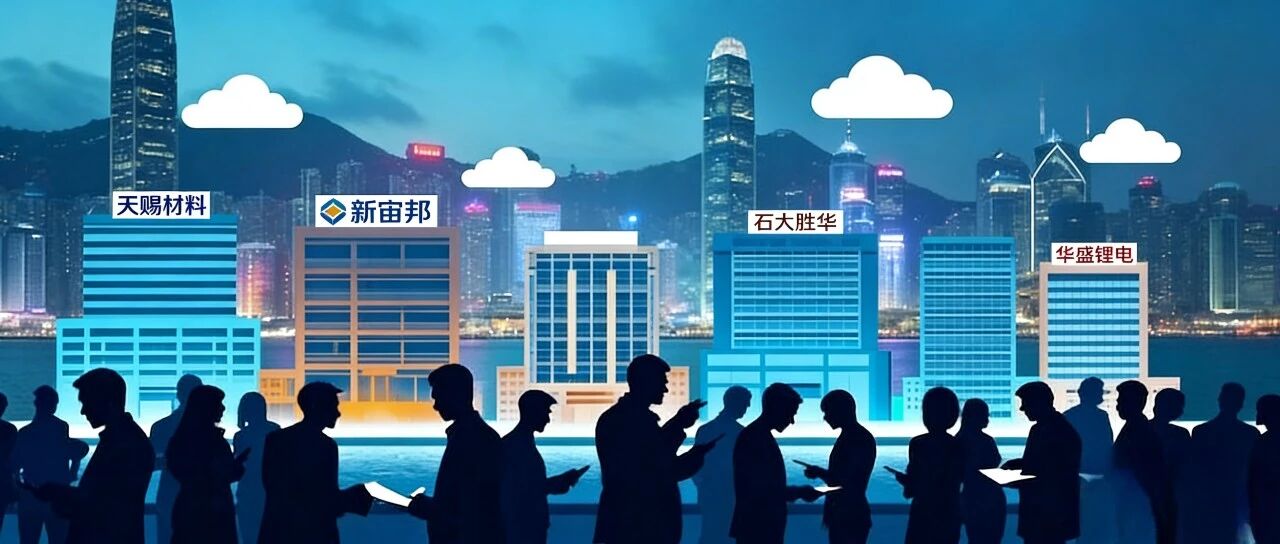
Core Viewpoint - The surge of electrolyte companies going public in Hong Kong is driven by industry dynamics and capital opportunities, reshaping the competitive landscape of lithium battery exports [1] Group 1: IPO Trends and Market Dynamics - Leading electrolyte additive company Huasheng Lithium announced plans for an H-share issuance and listing on the Hong Kong Stock Exchange, marking a significant event in the industry [2] - Since the second half of 2025, major players like Tianci Materials, Xinzhou Bang, and Shida Shenghua have also disclosed plans for IPOs in Hong Kong, indicating a collective push [2] - The easing of IPO regulations and the need for financing in the context of industry transformation have created a favorable environment for these listings [3] Group 2: Industry Growth and Financial Performance - The global electrolyte market is expected to experience explosive growth in 2025, with shipments projected to exceed 2.3 million tons, and Chinese companies holding over 90% market share [3] - Tianci Materials forecasts a net profit of 1.1 to 1.6 billion yuan for 2025, representing a year-on-year increase of 127.31% to 230.63% [3] - The average price of lithium iron phosphate electrolytes surged from 19,000 yuan per ton at the beginning of the year to 35,000 yuan per ton, indicating a structural reversal in the industry [3] Group 3: Global Expansion and Financing Needs - Major battery companies like CATL and Guoxuan High-Tech are accelerating overseas expansion, creating a pressing need for financing among electrolyte material companies [4] - The construction of overseas bases in countries like Hungary and Morocco requires substantial long-term funding, making IPOs in Hong Kong a necessary option [4] Group 4: Differentiated Strategies Among Companies - Tianci Materials aims to use 80% of its IPO proceeds to support global business development, particularly in establishing a lithium-ion battery material integration base in Morocco [7] - Shida Shenghua plans to focus on collaborative projects across the entire supply chain, while Xinzhou Bang seeks to enhance its international brand influence through the IPO [7] - Huasheng Lithium's IPO strategy is centered on niche market breakthroughs, with funds directed towards expanding production capacity and R&D for additive materials [7] Group 5: Impact on Competitive Landscape - The IPO wave is expected to significantly impact the lithium battery supply chain, driving demand for upstream materials and enhancing the global competitiveness of Chinese electrolyte companies [8] - The financing from IPOs will likely widen the gap between leading companies and smaller firms, as top players accelerate technological development and capacity expansion [8] - This trend marks a shift from "product export" to "capacity and technology export," fostering global collaboration within the lithium battery industry [8] Group 6: Future Outlook - The electrolyte industry is poised for high-quality development, supported by ongoing investments in technology and the establishment of overseas production capacities [9] - The Hong Kong capital market will provide continuous funding support, enhancing corporate governance and international operational capabilities [9]


多家上市公司预计2025年净利润倍增
Zheng Quan Ri Bao· 2026-01-08 16:45
Group 1 - Multiple A-share listed companies have disclosed their 2025 performance forecasts, with many reporting significant profit growth, including Shenzhen Zhongke Lanyun Technology Co., Ltd., Whirlpool (China) Co., Ltd., and others, expecting net profits to increase by over 100% year-on-year [1][2] - Zhongke Lanyun expects a net profit of approximately 1.4 billion to 1.43 billion yuan for 2025, representing a year-on-year growth of 366.51% to 376.51% [1] - Whirlpool anticipates a net profit of around 505 million yuan for 2025, with a year-on-year increase of about 150%, driven by technological innovation and increased orders [1] Group 2 - Tianqi Materials, a leader in electrolyte production, forecasts a net profit of 1.1 billion to 1.6 billion yuan for 2025, reflecting a year-on-year growth of 127.31% to 230.63%, attributed to rising demand in the new energy vehicle and energy storage markets [2] - Guangku Technology expects a net profit of 169 million to 182 million yuan for 2025, with a year-on-year increase of 152% to 172%, driven by technological innovation and cost control measures [2] Group 3 - Analysts indicate that the performance changes of listed companies reflect industry prosperity and development trends, particularly in sectors like information technology and healthcare, showcasing a deepening of technology-driven industrial transformation [3] - In a market characterized by structural differentiation, company performance is becoming a key metric for investors to distinguish between genuine growth and speculative themes, with emerging industries shifting from being policy-driven to being driven by both policy and market forces [3]