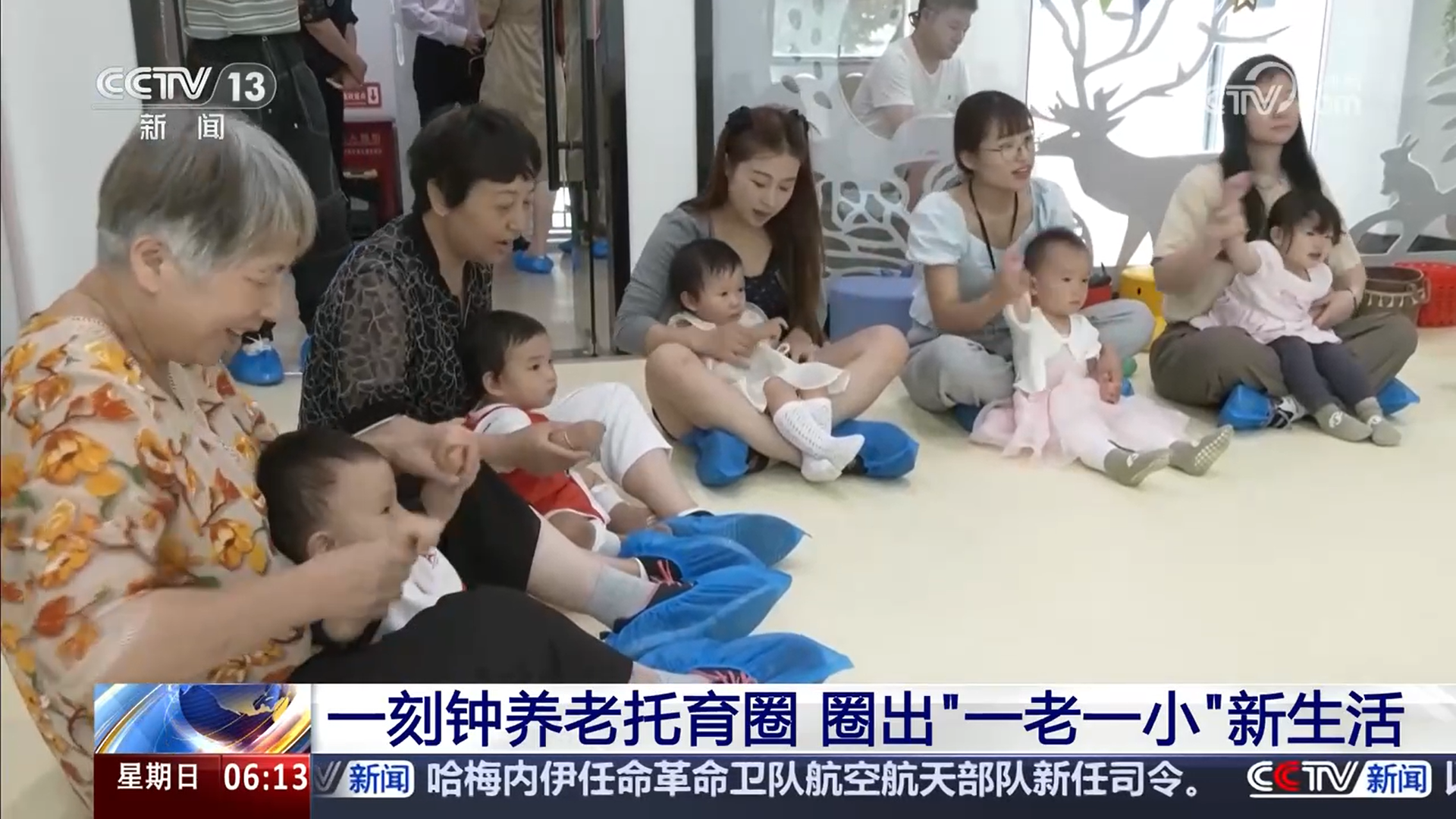
社区食堂

Search documents
“全龄餐桌”开饭了
Xin Lang Cai Jing· 2026-01-30 00:01
Core Points - The community dining hall in the Renhuangshan community of the South Taihu New District has opened, providing affordable meals for residents, especially benefiting the elderly and working families [1][2] - The dining hall offers a variety of freshly prepared dishes daily, with a focus on using locally sourced vegetables from community gardens [1] - The initiative was driven by community demand during the renovation of the Party-Mass Service Center, aiming to serve a diverse demographic including the elderly, dual-income families, and young people [2] Summary by Sections - **Community Engagement**: The dining hall was established in response to community requests, highlighting the importance of local input in service offerings [2] - **Operational Model**: The community provides the venue for free, while a partner operator runs the dining hall on a low-profit basis, ensuring affordability for residents [2] - **Special Offers**: Discounts are available for seniors over 80 years old, and registered low-income families receive 20 free meals each month [2] - **Convenience for Families**: The dining hall serves as a solution for working parents, especially during school holidays, reducing the need for takeout meals [2]
古城“焕”新,让幸福触手可及
Xin Lang Cai Jing· 2026-01-11 00:40
Core Insights - The city of Handan is undergoing significant infrastructure improvements, including the completion of a cable-stayed bridge and extensive upgrades to underground utility networks, enhancing transportation and urban resilience [1][2][3][4] Group 1: Transportation Infrastructure - The North Cang Road cable-stayed bridge, standing 32 meters tall and weighing 15,000 tons, is expected to be open for traffic by February 2025 [1] - Since 2025, Handan has initiated the construction and renovation of 18 bridges and culverts, with four major bridges already operational, improving regional connectivity [1] - The city has successfully opened 29 "dead-end roads," totaling 16.8 kilometers, enhancing accessibility for residents and reducing travel time [1] Group 2: Underground Utility Upgrades - Handan has launched a project to upgrade its underground utility infrastructure, with 187 road segments under renovation, of which 111 have been completed [2] - A total of 123.1 kilometers of rainwater and sewage pipelines have been laid, along with the restoration of 2.0442 million square meters of road surfaces [2] - Innovative construction techniques, such as non-excavation short pipe replacement, have improved efficiency by three times compared to traditional methods, minimizing traffic disruption [2] Group 3: Flood Management and Resilience - The city has enhanced its drainage system with the completion of key projects, including the rainwater pipeline and strong pumping stations, significantly improving flood management capabilities [3] - Handan's drainage network now spans 1,313 kilometers, supported by 41 pumping stations with an emergency pumping capacity of 72,200 cubic meters per hour [3] Group 4: Community Engagement and Cultural Integration - The city has integrated community-focused initiatives, such as AI voice call systems for elderly residents and community kitchens, addressing local needs and enhancing quality of life [4] - Cultural elements have been incorporated into urban renewal projects, fostering a sense of community identity and historical connection among residents [4] - Handan's urban renewal efforts reflect a commitment to improving living standards and achieving high-quality development through targeted, community-oriented projects [4]
全市首家AI食堂落地拱墅
Mei Ri Shang Bao· 2025-11-27 02:44
Core Insights - The introduction of AI-driven community canteens in Hangzhou, such as the "AI Star Chef" in the Xiangqiao community, allows residents to enjoy freshly prepared meals in just 3-5 minutes, enhancing convenience and accessibility [1][2]. Group 1: AI Canteen Operations - The AI canteen operates with minimal human intervention, featuring two AI cooking devices that prepare meals without the traditional kitchen's oil smoke, providing a clean and efficient dining experience [2][3]. - The canteen offers over 30 dishes daily, with prices ranging from 5 to 20 yuan, and can serve up to 60 meals in 10 minutes, fulfilling around 300 orders each day [3]. Group 2: Community Engagement and Discounts - The canteen implements a tiered discount system for elderly residents, with those aged 60-79 receiving an 20% discount, and those over 100 years old eligible for two free meals daily [3]. - The community canteen also caters to special groups, offering discounts for disabled individuals and specific meal packages for new employment groups, promoting inclusivity [3]. Group 3: Expansion of Community Canteens - The district has established 123 community canteens, aiming to ensure accessibility within a 500-800 meter walking radius for residents, with a focus on serving a diverse demographic beyond just the elderly [4][5]. - The "All-Age" service model is being adopted, with a significant increase in non-elderly diners, rising from 15% to 42.3%, indicating a shift towards a more inclusive dining environment [5]. Group 4: Community Activities and Future Plans - Community canteens are encouraged to host various activities beyond meal services, such as social events and skill training, which have attracted nearly 40,000 participants this year [5]. - A comprehensive development plan for community canteens has been initiated, aiming to enhance operational efficiency and service quality, ensuring long-term sustainability and competitiveness [5].
从“养老”到“享老”!“十四五”城市人居升级:24万老旧小区改造 1.8万口袋公园落地
Yang Shi Wang· 2025-10-22 03:55
Group 1 - The core viewpoint is the transformation of elderly care from "养老" (pension) to "享老" (enjoying old age), reflecting the improved living conditions for the elderly during the "14th Five-Year Plan" period [1] - The Ministry of Housing and Urban-Rural Development has conducted urban health checks and implemented urban renewal to enhance urban governance efficiency, with 297 cities and over 150 county-level cities participating [1] - The construction of pocket parks in Shenyang has led to the establishment of 3,198 parks, promoting a lifestyle where citizens can easily access green spaces [3] Group 2 - The "15-minute elderly service circle" in Hangzhou has upgraded community and rural dining services, enhancing the dining experience for the elderly and contributing to the silver economy [4] - Xiamen has initiated modernization projects for 108 urban villages and the renovation of 2,000 old residential communities, benefiting 300,000 households with improved infrastructure and facilities [6] - During the "14th Five-Year Plan" period, over 240,000 old urban communities have been renovated, benefiting more than 40 million households and 110 million people, with significant additions to community services and green spaces [8]

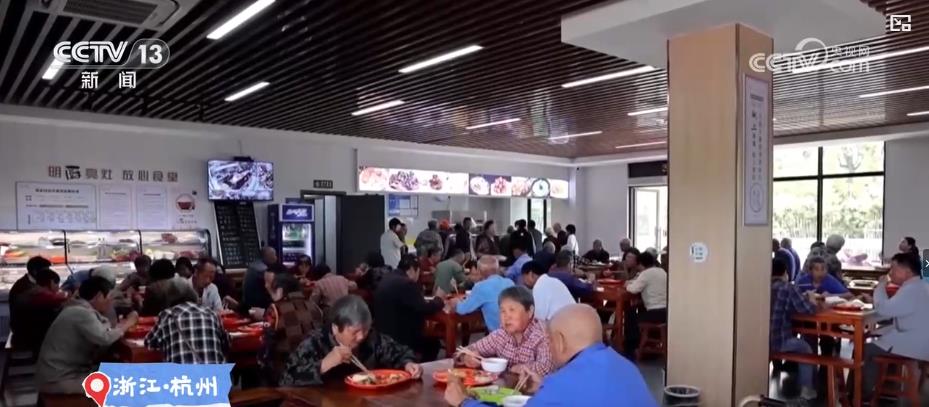
全龄共享品质生活圈提升百姓幸福“成色” “圈圈”相融“环环”相扣释放经济旺盛活力
Yang Shi Wang· 2025-09-21 02:43
Core Viewpoint - The Chinese government is promoting the expansion and upgrade of the "15-Minute Convenient Living Circle" to enhance community services and improve residents' quality of life by 2025, with a target of establishing 6,255 living circles serving 129 million people nationwide [1]. Group 1: Urban Development and Community Services - The "15-Minute Convenient Living Circle" aims to provide essential services within a 15-minute walking distance, enhancing convenience for residents [1]. - In Yangpu District, Shanghai, the 700-meter-long pedestrian street "University Road" connects educational and community spaces, fostering unique commercial vitality [5]. - The transformation of Guoding Branch Road into a community-friendly space has introduced various amenities, including community lecture halls and dining options, enhancing local engagement [7][9]. Group 2: Pilot Cities and Upgrades - Wuhan is one of the first cities to implement the "15-Minute Convenient Living Circle," with 27 living circles undergoing continuous upgrades, offering facilities like canteens, elderly education, and libraries [10]. - The mini aerospace science museum in Wuhan serves as a popular educational hub for local schools, showcasing interactive exhibits [12]. - The "Neighborhood Happiness Canteen" in Wuhan provides affordable dining options for seniors, reflecting the community's commitment to accessible services [14]. Group 3: Integration of Services - The new initiative emphasizes the integration of various service circles, including elderly care, shopping, fitness, culture, employment, and healthcare, to create a cohesive urban ecosystem [18]. - The interconnectedness of these living circles is likened to the "capillaries" of urban economies, suggesting that a well-connected network will enhance economic vitality and consumer engagement [18].
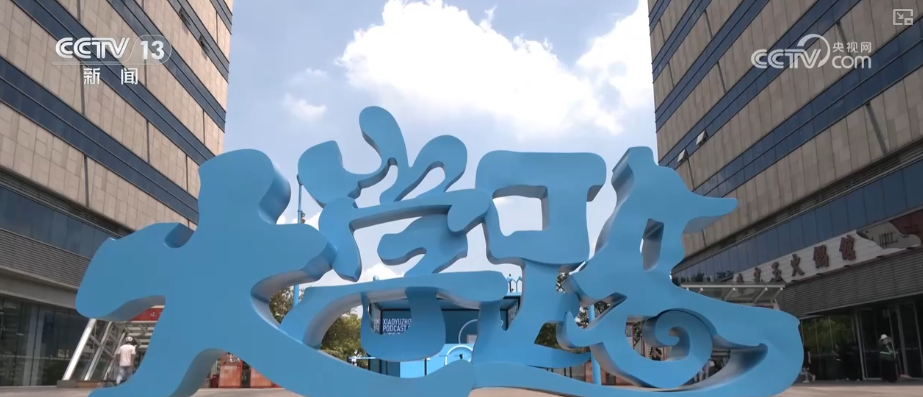
“园区活力+社区细胞”激活全龄友好型品质生活圈 | 一文梳理“一刻钟便民生活圈”建设新变化↓
Yang Shi Wang· 2025-09-20 02:43
Core Viewpoint - The Ministry of Commerce and nine other departments have issued a notice to promote the expansion and upgrading of the "15-Minute Convenient Living Circle" in urban areas, aiming to enhance community services and improve residents' quality of life by 2030 [1][4]. Group 1: Objectives and Goals - The initiative aims to achieve the "Hundred Cities, Ten Thousand Circles" goal by 2030, which includes establishing 100 pilot cities for the "15-Minute Convenient Living Circle" and creating 10,000 well-structured, diverse, and high-quality community service areas [4][12]. - The plan focuses on enhancing services for the elderly and children, with targets to develop 500 "Silver Streets" and 500 "Children's Fun Parks" [4][12]. - The goal is to achieve a resident satisfaction rate of over 90% and a chain store rate of over 30% within these living circles [4]. Group 2: Implementation and Coverage - The expansion will cover urban areas and extend to eligible county communities, ensuring that the "15-Minute Convenient Living Circle" reaches grassroots populations [5][7]. - The second batch of pilot cities includes 30 areas such as Haidian District in Beijing, Changning District in Shanghai, and Baoji City in Shaanxi Province [12][14]. - Shenzhen plans to achieve full coverage of the "15-Minute Convenient Living Circle" in all communities by the end of 2025, with a focus on creating a friendly living environment for all age groups [15]. Group 3: Service Development - The initiative encourages the development of various service sectors, including elderly care, community dining, and childcare services, to meet the diverse needs of residents [9][14]. - New business models and services such as shared meeting spaces, community storage, and pet services are promoted to further enhance residents' convenience [12].

住在完整社区,幸福触手可及(城市更新这样推进⑤)
Ren Min Ri Bao Hai Wai Ban· 2025-08-19 22:55
Core Viewpoint - The article highlights the importance of community development in urban renewal, showcasing successful examples from various communities in China that enhance residents' quality of life and happiness through improved public services and facilities [10][14][17]. Group 1: Community Development Initiatives - Ningbo's Yunlu Bay Community focuses on creating a "child-friendly, youth-integrated, and elderly-friendly" environment, with over 8,000 residents benefiting from tailored services and facilities [11][12]. - The community has implemented a series of night school courses for youth, including paddleboarding and other skills, fostering social interaction and personal development [11]. - A comprehensive community center has been established, offering services such as a community canteen and childcare facilities, addressing the needs of both elderly residents and working families [12][13]. Group 2: Urban Renewal and Cultural Preservation - Chongqing's Minzhu Village has undergone urban renewal since 2021, transforming from an old industrial area into a vibrant community while preserving its unique cultural heritage [14][15]. - The community has utilized a participatory governance model, involving residents in decision-making processes to address issues like housing and traffic congestion [15]. - The establishment of a community canteen has been well-received, providing affordable meals and fostering social connections among residents [15][16]. Group 3: Revitalization of Old Industrial Areas - Hubei's Gujia District, an old industrial community, is undergoing transformation through the "Happy Gujia" project, which combines urban renewal with environmental management [17][18]. - The renovation of the Wuzhi Market has created a modern marketplace that enhances local commerce and community interaction, featuring a variety of shops and services [19]. - The introduction of a comprehensive elderly care facility within the community addresses the needs of the aging population, offering various health and social services [20].
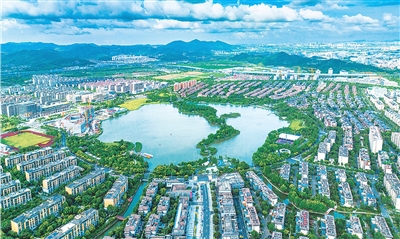
空置房物业费打折,物业服务能否蹚出“质价平衡”新路?
Xin Hua Wang· 2025-08-12 05:58
Core Viewpoint - The reduction of property fees for vacant homes is not only a price adjustment but also a disruption of traditional industry rules, necessitating property companies to enhance service quality, expand business areas, and innovate service models for sustainable development [1][8]. Group 1: Policy Changes and Implementation - More than 10 cities across the country have adopted discounted property fees for vacant homes, with Lanzhou implementing a 30% discount, allowing homeowners to save nearly 1,000 yuan annually for unoccupied properties [1][5]. - The revised "Lanzhou Property Management Regulations" allows homeowners to apply for a 70% fee reduction for unoccupied properties, effective from March 1, 2021 [2][4]. - The "Property Service Fee Management Implementation Measures" further clarifies that property fees can be reduced to 70% after six months of vacancy, contingent upon written application and confirmation by the property service provider [2][3]. Group 2: Impact on Property Companies - The discount policy has led to a significant reduction in revenue for property companies, with some reporting a 15% decrease in annual income due to the 50% fee for vacant homes [5][6]. - Property companies are adapting by enhancing operational efficiency through technology, such as introducing smart inspection robots and reducing management layers, resulting in a 10% decrease in labor costs [5][6]. - Some companies are shifting strategies to improve service quality and customer satisfaction, such as adding community services and enhancing green spaces, leading to a 30% increase in resident satisfaction [5][6]. Group 3: Industry Transformation - The property management industry is undergoing a significant transformation, with a 59.8% increase in the number of property management companies to 375,000 in 2023, while the real estate sector has seen a decline in new construction [7]. - Property companies are now required to rely on service quality to gain market trust, moving away from dependency on developers for financial support [7][8]. - Experts suggest that the price adjustments reflect market dynamics, and establishing a new service quality evaluation system could resolve existing conflicts and ensure a balance between service quality and pricing [7][8].
实惠好吃、食品安全有保障 多样化的社区餐饮受青睐
Yang Shi Wang· 2025-07-24 09:02
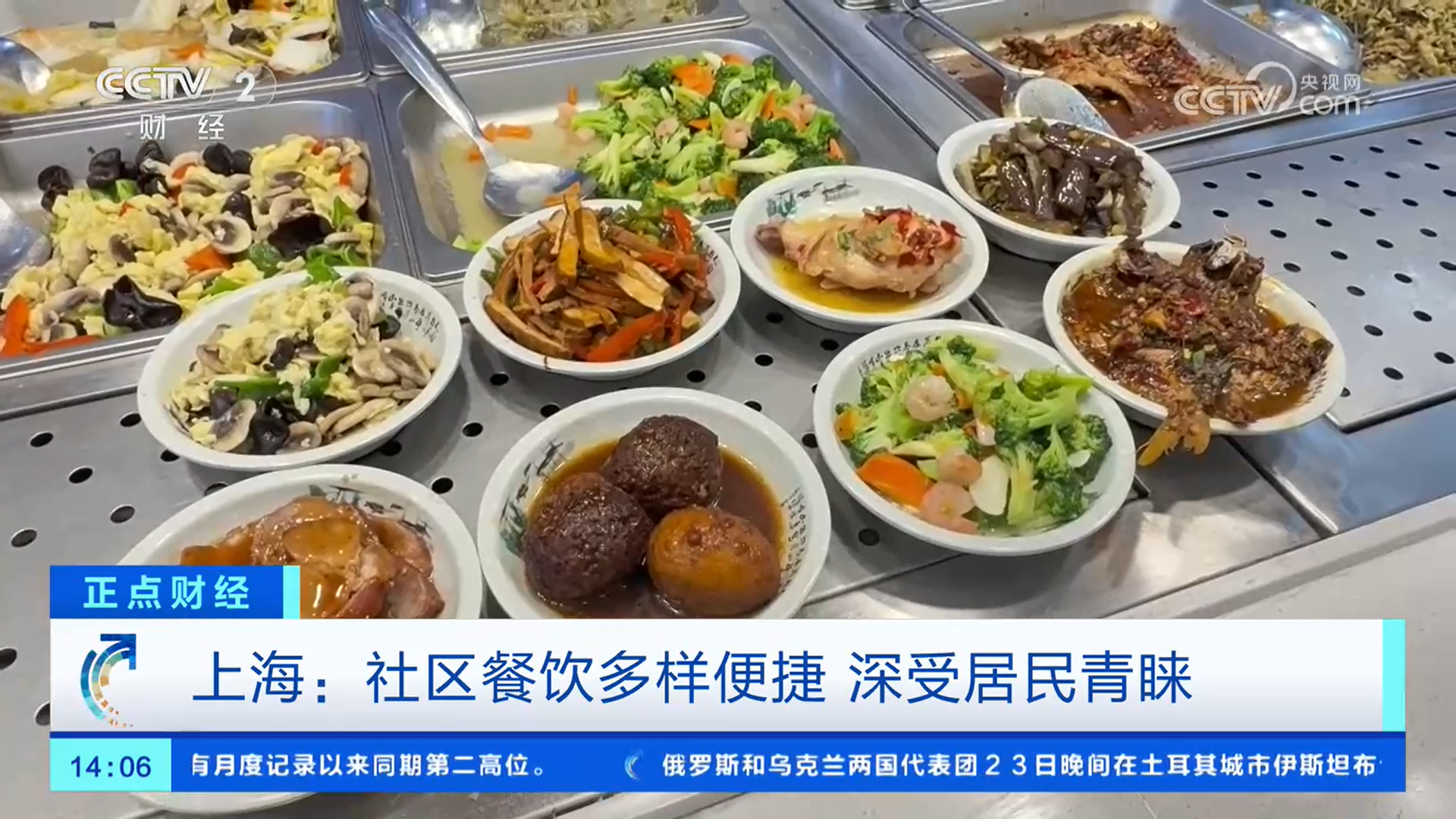
Group 1 - Community dining options such as community canteens and urban kitchens are increasingly popular among residents in Shanghai due to their affordability, food safety, and convenience [1][5] - A community canteen in Tianshan Street offers meals ranging from over 10 yuan for noodles to around 20 yuan for lunch and dinner, attracting 200-300 customers daily [3] - An urban kitchen in Jing'an District features a modern design and can accommodate 150 diners, serving a diverse clientele including seniors, children, and office workers [5] Group 2 - In Guangzhou, community canteens have introduced summer special packages to cater to diverse dining needs, promoting nutritional balance [6] - The summer special includes an 18 yuan "single meal package" and a 30 yuan "one elder and one child package," which is particularly popular among parents [8] - The community canteen in Tangxia Street, part of a comprehensive elderly service center, offers a self-service buffet for 28 yuan, with discounts for children and elderly residents [8]
从托育养老到运动健身、文化娱乐 一刻钟便民生活圈 圈出幸福新生活
Yang Shi Wang· 2025-06-15 02:57
Group 1: Convenience Living Circles - The construction of convenience living circles in China has been promoted to better meet residents' daily needs, with 5,510 circles built since 2021, serving 125 million people [1] - Various local initiatives have been implemented to address specific community needs, enhancing consumer experiences within these circles [1] - The Ministry of Commerce reports that over 8,600 elderly service stations and 13,000 childcare institutions have been renovated or updated since the initiative began [3] Group 2: Health and Fitness Services - Community health services have been enhanced with facilities like "health houses" that provide online consultations, allowing residents to connect with healthcare professionals easily [3] - The introduction of smart fitness paths in parks, such as the 2,300-meter path in Jinan, integrates technology to track and analyze citizens' exercise data [6] - Over 13,000 fitness facilities have been updated in trial areas of the convenience living circles, effectively meeting the fitness needs of the public [8] Group 3: Cultural and Recreational Activities - The focus on improving the quality of convenience living circles includes addressing residents' social and entertainment needs, creating a more enriching community experience [9] - Community centers are being upgraded to offer diverse activities, such as dance, vocal training, and art classes, catering to both young and elderly residents [15] - In Guizhou, 33 community cultural stations and 15 urban theme reading rooms have been established, along with 198 community book-sharing systems, enhancing cultural engagement [15]