旅居康养

Search documents
【“流动的中国”生机勃勃】春节假期银发消费市场活力旺
Yang Shi Wang· 2026-02-24 17:12
Core Insights - The silver-haired consumer market is showing strong vitality this Spring Festival, driving growth in holiday consumption [1] - Unlike traditional home-based celebrations, travel and wellness experiences, as well as cultural activities, have become new consumption choices for many seniors [1] Group 1 - The silver-haired demographic is increasingly engaging in travel and wellness activities during the Spring Festival [1] - There is a notable shift from traditional celebrations to experiences that include cultural engagement [1]
贴心服务激活新春假日银发消费“热引擎” 以服务升级为银发经济注入新动能
Yang Shi Wang· 2026-02-24 04:54
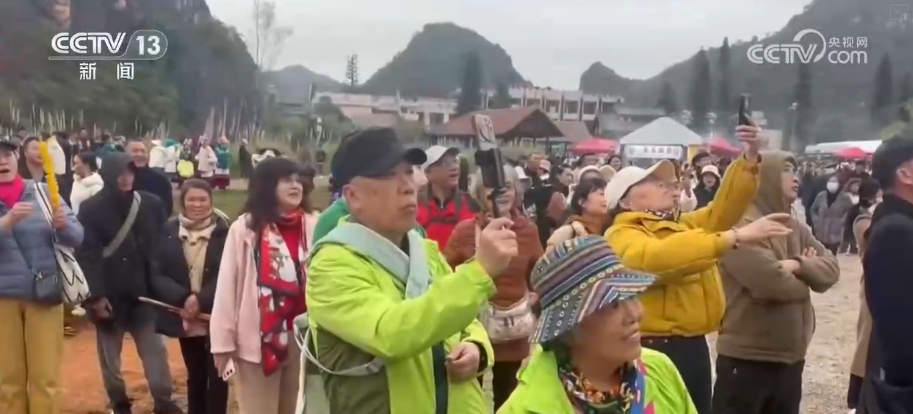
Group 1 - The silver-haired consumer market is experiencing vibrant growth during the 2026 Spring Festival, with travel and cultural experiences becoming popular choices among the elderly [1] - In Yunnan Province, multiple ethnic villages are seeing a surge in visitors, particularly from middle-aged and elderly tourists who come to experience unique cultural traditions [3] - In the Puzhehei Yi Village, a traditional long-table feast featuring 18 dishes attracts hundreds of elderly visitors, who enjoy cultural performances and traditional activities [5] Group 2 - Hotels are upgrading their services to cater to the elderly, with many facilities completing renovations to enhance accessibility and comfort for senior guests [6][7] - In Nanning, several hotels have implemented senior-friendly upgrades, including medical rooms, reading areas, and essential equipment like defibrillators and wheelchairs [9] - Nanning is positioning itself as a key destination for elderly wellness tourism, with ongoing efforts to improve services and facilities for the silver-haired demographic [11] Group 3 - Sanya is also a significant destination for elderly wellness tourism, with airports and attractions introducing tailored services for senior travelers during the 2026 Spring Festival [12] - Sanya Phoenix International Airport is accommodating over 100 elderly wheelchair passengers daily, with a dedicated service team and ample wheelchair availability [14] - The Wuzhizhou Island tourist area in Sanya has introduced exclusive discount packages for seniors and added rest areas throughout the visitor experience to meet the growing demand from elderly tourists [14]

国办印发《加快培育服务消费新增长点工作方案》 | 激活文旅消费有了新方向
Sou Hu Cai Jing· 2026-02-02 05:51
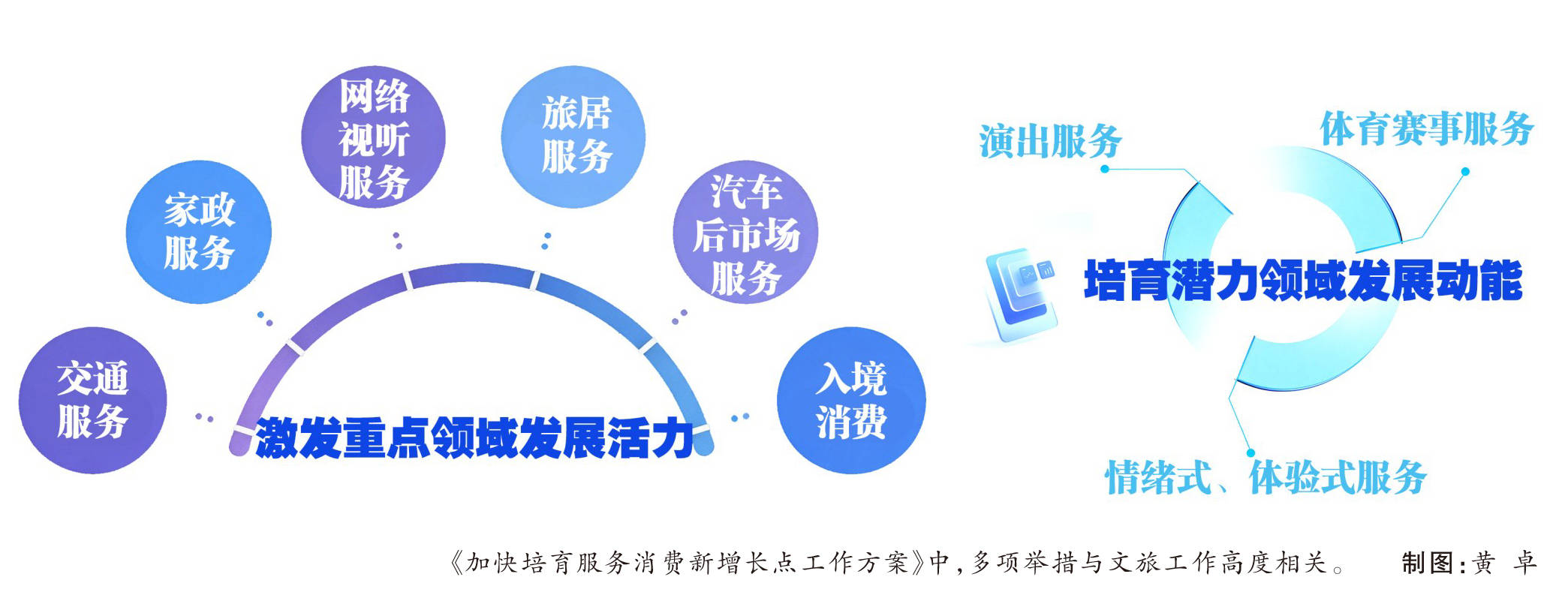
Core Viewpoint - The State Council's recently issued "Work Plan for Accelerating the Cultivation of New Growth Points in Service Consumption" focuses on enhancing the vitality of key sectors, fostering potential areas of development, and strengthening support measures, specifically targeting the cultural and tourism consumption sector to promote high-quality development [3][16]. Group 1: Policy Focus - The plan emphasizes service consumption as a new engine for domestic demand, aligning with the overall trend of consumption upgrading and providing clear directions for cross-industry integration and efficiency enhancement in the cultural and tourism sectors [4][17]. - The plan includes 12 specific measures aimed at invigorating the cultural and tourism consumption sector, which is characterized by high frequency, strong multiplier effects, and green low-carbon attributes [5][18]. Group 2: Implementation and Support - The plan proposes comprehensive support measures in areas such as financial backing, standard system construction, and credit system improvement to ensure the cultivation of new growth points in cultural and tourism consumption [6][9]. - It calls for enhanced financial support, urging financial institutions to increase their backing for the cultural and tourism sectors, which is expected to optimize investment structures and accelerate product innovation [6][9]. Group 3: Local Practices and Innovations - Various regions have actively explored integration paths in areas like transportation and tourism, sports events, and rural tourism, accumulating replicable experiences that validate the potential of cultural and tourism consumption [7][8]. - For instance, the integration of railway and tourism in Kunming has become a significant driver for regional cultural and tourism consumption, with new themed tourist trains set to launch [7]. - In Zhejiang, the "Zhe BA" basketball tournament is being used as a pilot to explore the deep integration of sports events and cultural tourism, projecting a consumption boost exceeding 3 billion yuan [8]. Group 4: Future Directions - The plan aims to create a new consumption landscape characterized by multi-field integration, multi-scenario engagement, and participation from various stakeholders, further unlocking the potential of cultural and tourism consumption [10]. - Experts suggest that effective collaboration among government, enterprises, and financial institutions is crucial for realizing the plan's objectives, with recommendations for businesses to actively engage with policy resources and financial support [9].
大任观银龄/共享养老:一个需要“信任底座”的创新试验
Xin Lang Cai Jing· 2026-02-01 11:06
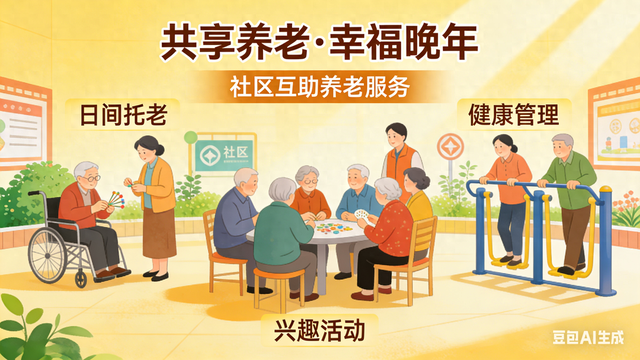
Core Perspective - The concept of "shared elderly care" is gaining attention, aiming to integrate idle housing, personnel, and services to match elderly care needs, envisioning a scenario of "no resource waste and demand met" [1] Group 1: Advantages and Innovations - The model potentially responds to "diversification" and "flexibility," revitalizing social resources to offer personalized options for the elderly, such as travel-based health care or specialized companionship services [3] - It reflects innovative thinking in addressing aging society challenges, but its success hinges on establishing a solid "trust foundation" [1][3] Group 2: Challenges and Requirements - The essence of elderly care is safety and trust, and the shared model faces significant challenges in ensuring that scattered service providers maintain ongoing professional qualifications [3] - There is a need for unified service standards, process supervision, and dispute resolution mechanisms to mitigate risks associated with personalized services [3] - Healthy development of this model requires a shift from mere "platform matching" to "quality co-construction," necessitating stringent entry, training, insurance, and credit systems, along with deep integration with community and medical institutions [3] Group 3: Practical Implications - For Jiangsu, the value of any elderly care innovation lies not in its novelty but in its ability to pragmatically establish safety and trust as foundational elements [3] - Only through such practical approaches can innovation genuinely serve the goal of ensuring a dignified and secure life for the elderly [3]
第八届海南健博会“2025康养产业项目供需对接会”举行
Hai Nan Ri Bao· 2025-12-19 23:43
Core Viewpoint - The 8th Hainan International Health Industry Expo aims to promote the development of the health and wellness industry through collaboration and resource integration, with over 100 participants from various sectors attending the event [1][2]. Group 1: Event Overview - The "2025 Health Industry Project Supply and Demand Matching Conference" was held in Sanya, featuring multiple promotional activities and resulting in over ten signed cooperation projects [1]. - The conference serves as an efficient platform for industry connection, resource integration, and collaborative development among government, enterprises, capital, and think tanks [1]. Group 2: Industry Development - Hainan has significant advantages in developing the health and wellness service industry, including a suitable climate, abundant resources, and diverse wellness scenarios [1]. - Since 2019, Hainan has implemented a three-year action plan for the health industry, cultivating various business models such as medical wellness, traditional Chinese medicine wellness, and forest wellness, resulting in the establishment of 127 health industry projects [1]. Group 3: Policy Support - Hainan emphasizes the improvement of service functions and supports the classification of wellness institutions and enterprises, providing policy incentives in land planning, financial support, and health service functions [2]. - The launch of the Hainan Free Trade Port has accelerated the construction of a differentiated health industry cluster, marking a period of policy benefits and opportunities for the wellness industry [2]. Group 4: Cooperation Outcomes - The signing of cooperation projects at the conference includes international collaboration, industry integration, and medical education research, with an intended signing amount exceeding 600 million yuan [3]. - Notable partnerships include collaborations between Hainan companies and international firms, as well as agreements with health and wellness associations and educational institutions [3].
中央财办:明年中国完全有条件推动内需实现持续增长
Zhong Guo Xin Wen Wang· 2025-12-16 14:48
Core Viewpoint - The Central Financial Office indicates that China is fully capable of promoting sustained growth in domestic demand next year, focusing on both consumption and investment strategies to stimulate economic activity [1][2]. Group 1: Consumption Strategies - The shift in consumer behavior from primarily goods consumption to a balanced focus on both goods and services is highlighted, with strong demand in sectors like cultural tourism, elderly care, and childcare [1]. - Plans to enhance residents' income and improve employment quality are set to boost consumer spending capacity, including increasing basic pensions for urban and rural residents [1]. - The government aims to expand the supply of quality goods and services, fostering new consumption growth points in sectors such as home services and health tourism [1]. Group 2: Investment Initiatives - There is a call to combine investments in physical infrastructure and human capital, emphasizing the need for effective investment in consumer infrastructure like parking lots and charging stations [2]. - The government plans to leverage various funding sources, including central budget investments and special bonds, to support significant projects and stimulate effective investment [2]. - Measures to invigorate private investment are outlined, encouraging private enterprises to engage in major projects in sectors like railways and nuclear power, while guiding investments towards high-tech and service industries [2].
民政部:正试点向中度以上失能老年人发放养老服务消费补贴
Yang Shi Xin Wen· 2025-10-27 02:33
Core Viewpoint - The Ministry of Civil Affairs announced the 16th National "Respect for the Elderly Month" from October 10 to 31, with the theme "Promoting Filial Piety and Respect for the Elderly to Build an Elderly-Friendly Society" [1] Group 1: Activities Overview - The campaign will focus on six key activities aimed at enhancing the welfare of the elderly [1] - Activities include national education on population aging, visits and support for elderly individuals, promotion of elderly products and services, health promotion for the elderly, enhancement of cultural life for the elderly, and legal protection for elderly rights [2][3] Group 2: Specific Initiatives - Educational activities will be conducted in various institutions to raise awareness about population aging and filial piety [1] - Support initiatives will target vulnerable elderly groups, including those who are isolated or have disabilities, through volunteer programs and community services [2] - Promotion of elderly care services will include subsidies for elderly individuals with moderate to severe disabilities and events like open days at care facilities [2] - Health initiatives will focus on various aspects of elderly health, including oral health, nutrition, and mental well-being [2] - Cultural activities will leverage local resources such as senior universities and sports associations to enhance the social engagement of the elderly [2] - Legal initiatives will aim to protect elderly rights, combat fraud, and promote awareness of legal services available to the elderly [3]
旅居康养点燃新引擎 十万亿市场迈入黄金期
Huan Qiu Wang· 2025-09-26 02:31
Group 1 - The core viewpoint of the article highlights the rapid growth and diversification of China's health and wellness market, driven by policy support and consumer demand, with a market size expected to reach 9.5 trillion yuan by 2025 and potentially approach 15 trillion yuan by 2030 [1][3] - The health and wellness market in China has reached a scale of 8 trillion yuan in 2023, with an annual user consumption growth rate of 9% [1][3] - The industry structure is supported by three main pillars: traditional Chinese medicine wellness (19% market share), wellness tourism (11% market share), and medical wellness (10% market share) [1][3] Group 2 - The rise of travel wellness products is meeting the increasingly diverse needs of consumers, with companies like Taikang Home investing in immersive travel experiences across 37 cities and 46 projects, attracting nearly 300,000 customers [3] - Projects like China State Construction's "Island Towards the Mountain" in Kunming are innovatively integrating health management, rural living, and community culture, contributing to regional economic development [3] - Experts believe that travel wellness serves as a "quick entry" for companies into the wellness sector, leveraging resources from tourism, elderly care, and healthcare to create scale synergies and activate potential consumer demand [3]

多元融合、科技赋能,银发经济挖掘“人口第二红利”
Di Yi Cai Jing· 2025-09-22 12:37
Core Viewpoint - The aging population presents both challenges and opportunities, with the development of the silver economy being a key strategy to enhance the well-being of the elderly and promote sustainable economic growth [1][8]. Policy Support - Since the 18th National Congress, China has gradually improved its policy framework to support the development of the silver economy, establishing a clear path for advancement [2]. - The "Healthy China 2030 Planning Outline" and subsequent national strategies have integrated the silver economy into health and aging policies, emphasizing the importance of a multi-level policy system [2]. - The 2024 State Council policy on the silver economy includes 26 specific measures aimed at enhancing the welfare of the elderly, marking a shift towards precise implementation [2]. Silver Economy Definition - The silver economy encompasses a wide range of economic activities related to the aging population, not limited to elder care services, but forming a complete economic system that includes production, distribution, circulation, and consumption [3]. - It consists of both established industries and emerging sectors, with significant growth in areas such as silver goods, services, finance, and real estate [3][5]. Market Dynamics - The silver economy in China has shown rapid expansion, with the overall market size exceeding 12 trillion yuan in 2023, growing at an average annual rate of over 10% from 2019 to 2023 [5]. - Key growth areas include rehabilitation medical devices, which are projected to reach a market size of 71.46 billion yuan in 2024, and the silver service industry, which saw a market size exceeding 5 trillion yuan in 2023 [5][6]. Future Trends - The silver economy is expected to evolve through "multi-dimensional integration and technological empowerment," with a focus on meeting the diverse needs of the elderly population [7]. - By 2035, the elderly population in China is projected to exceed 400 million, driving demand for high-quality products and services, particularly in the fields of rehabilitation and home care [7]. Economic Impact - The silver economy is positioned as a critical area for optimizing economic structure and fostering new growth drivers, contributing to both improved living standards for the elderly and overall economic growth [8].
“园区活力+社区细胞”激活全龄友好型品质生活圈 | 一文梳理“一刻钟便民生活圈”建设新变化↓
Yang Shi Wang· 2025-09-20 02:43
Core Viewpoint - The Ministry of Commerce and nine other departments have issued a notice to promote the expansion and upgrading of the "15-Minute Convenient Living Circle" in urban areas, aiming to enhance community services and improve residents' quality of life by 2030 [1][4]. Group 1: Objectives and Goals - The initiative aims to achieve the "Hundred Cities, Ten Thousand Circles" goal by 2030, which includes establishing 100 pilot cities for the "15-Minute Convenient Living Circle" and creating 10,000 well-structured, diverse, and high-quality community service areas [4][12]. - The plan focuses on enhancing services for the elderly and children, with targets to develop 500 "Silver Streets" and 500 "Children's Fun Parks" [4][12]. - The goal is to achieve a resident satisfaction rate of over 90% and a chain store rate of over 30% within these living circles [4]. Group 2: Implementation and Coverage - The expansion will cover urban areas and extend to eligible county communities, ensuring that the "15-Minute Convenient Living Circle" reaches grassroots populations [5][7]. - The second batch of pilot cities includes 30 areas such as Haidian District in Beijing, Changning District in Shanghai, and Baoji City in Shaanxi Province [12][14]. - Shenzhen plans to achieve full coverage of the "15-Minute Convenient Living Circle" in all communities by the end of 2025, with a focus on creating a friendly living environment for all age groups [15]. Group 3: Service Development - The initiative encourages the development of various service sectors, including elderly care, community dining, and childcare services, to meet the diverse needs of residents [9][14]. - New business models and services such as shared meeting spaces, community storage, and pet services are promoted to further enhance residents' convenience [12].