粉扑

Search documents
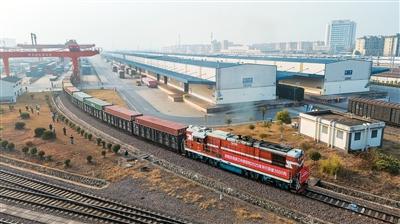
中国—中亚经贸合作逆势前行、彰显韧性
Ren Min Ri Bao· 2026-02-09 08:10
Core Insights - The trade volume between China and the five Central Asian countries is projected to exceed $100 billion by 2025, marking a continuous growth for five years, with China becoming the largest trading partner for these nations [1] - The trade structure between China and Central Asia is continuously optimizing, with significant increases in exports and imports, particularly in machinery, high-tech products, and non-resource categories [2][3] Group 1: Trade Dynamics - By 2025, China's exports to Central Asia are expected to reach $71.2 billion, a year-on-year increase of 11%, while imports from Central Asia are projected at $35.1 billion, up 14% [2] - The trade relationship is characterized by a robust network of cooperation, driven by political trust and complementary strategic needs, facilitating large-scale projects and a spontaneous trade network [3][8] Group 2: Market Opportunities - Central Asian countries are increasingly prioritizing Chinese solutions and markets, viewing them as essential for their own sustainable development and modernization efforts [5][4] - The geographical proximity and established logistics networks provide a cost and time advantage for Central Asian exports to China, making it a preferred market for their energy and agricultural products [7] Group 3: Future Cooperation - The urgency for renewable energy development and modernization in Central Asia presents opportunities for deeper collaboration, with China positioned to offer technology and solutions that align with these needs [10][11] - The young population and rising internet penetration in Central Asia create a significant potential for digital market growth, encouraging collaboration in digital infrastructure and localized innovations [11]
环球热点丨中国—中亚经贸合作逆势前行、彰显韧性
Ren Min Ri Bao Hai Wai Ban· 2026-02-09 04:25
Core Insights - The trade volume between China and the five Central Asian countries is projected to exceed $100 billion by 2025, marking a continuous five-year growth and establishing China as the largest trading partner for these nations [1][2] - The political mutual trust and complementary strategic needs between China and Central Asia form a resilient foundation for their economic and trade relations [2][3] Trade Dynamics - By 2025, China's exports to Central Asia are expected to reach $71.2 billion, a year-on-year increase of 11%, while imports from Central Asia are projected at $35.1 billion, up 14% [2] - The trade structure is evolving, with strong growth in machinery, high-tech products, and a diversification of non-resource imports such as chemicals and agricultural products [2] Strategic Cooperation - A comprehensive strategic partnership has been established, covering various areas including infrastructure and energy projects, driven by high-level political trust [3] - The economic development stages of Central Asian countries align well with China's advanced industrial capabilities, creating a strong internal motivation for collaboration [3] Market Preferences - Central Asian countries are increasingly prioritizing Chinese solutions and markets, viewing them as essential for their sustainable development goals [4] - The logistics and payment systems have improved significantly, facilitating quicker and more efficient trade processes [5][6] Geopolitical Advantages - The geographical proximity between China and Central Asia provides cost and time advantages for trade, making China a preferred market for Central Asian exports [7] - China's comprehensive supply chain capabilities in renewable energy and technology align with the industrialization and green transition goals of Central Asian nations [7] Future Opportunities - The demand for renewable energy and modern agriculture in Central Asia presents significant opportunities for collaboration, with China positioned to play a key role in technology sharing and sustainable development [9][10] - The young population and increasing internet penetration in Central Asia create a vast potential for digital market growth, encouraging localized innovations and partnerships [10]
中国—中亚贸易额首次突破1000亿美元,贸易结构不断优化
Ren Min Ri Bao Hai Wai Ban· 2026-02-09 03:20
Core Insights - The trade volume between China and the five Central Asian countries is projected to exceed $100 billion by 2025, marking a continuous growth trend over five years, with China becoming the largest trading partner for these nations [1][2] - The cooperation between China and Central Asia is characterized by political mutual trust and complementary strategic needs, which form a resilient foundation for their economic relations [2][3] Trade Dynamics - By 2025, China's exports to Central Asia are expected to reach $71.2 billion, a year-on-year increase of 11%, while imports from Central Asia are projected at $35.1 billion, up 14% [2] - The trade relationship is increasingly robust, driven by China's complete supply chain advantages and the emerging market demands of Central Asia [2] Strategic Partnerships - China and Central Asian countries have established comprehensive strategic partnerships, covering various areas including political, economic, and cultural interactions [3][6] - The deep political trust and economic complementarity between China and Central Asia facilitate large-scale infrastructure and energy projects, enhancing long-term trade relations [3][6] Market Opportunities - Central Asian countries are prioritizing modernization of infrastructure, industrial upgrades, and green energy, aligning with China's mature and cost-effective industrial solutions [4][5] - The geographical proximity and logistical advantages of Central Asia make China an attractive market for energy, minerals, and agricultural products [5] Future Cooperation - The transition of Central Asian countries towards renewable energy and modern agriculture presents significant opportunities for collaboration, particularly in technology sharing and sustainable development [7][8] - The youthful population and increasing internet penetration in Central Asia create a vast potential for digital consumption, encouraging joint ventures in digital infrastructure and localized innovations [8] Tailored Approaches - Each Central Asian country has unique resources and development stages, necessitating a tailored approach to cooperation that aligns with their specific agendas [8]
中国—中亚经贸合作逆势前行、彰显韧性(环球热点)
Ren Min Ri Bao· 2026-02-08 19:23
Core Insights - The trade volume between China and the five Central Asian countries is projected to exceed $100 billion by 2025, marking a continuous growth for five years, with China becoming the largest trading partner for these nations [2][3] - The trade structure between China and Central Asia is continuously optimizing, with significant increases in exports and imports, particularly in machinery, high-tech products, and non-resource products [3][4] Group 1: Trade Dynamics - By 2025, China's exports to Central Asia are expected to reach $71.2 billion, a year-on-year increase of 11%, while imports are projected at $35.1 billion, up 14% [3] - The political mutual trust and strategic demand complementarity between China and Central Asia form a resilient foundation for their economic relations, facilitating large-scale infrastructure and energy projects [3][4] Group 2: Economic Cooperation - China and Central Asian countries have established comprehensive strategic partnerships, covering various areas including political, economic, and cultural interactions, which are based on principles of non-interference and mutual benefit [4][7] - The economic development stages of Central Asian countries align well with China's mature industrial capabilities, particularly in infrastructure modernization and green energy, creating strong endogenous motivation for cooperation [4][7] Group 3: Market Opportunities - The growing demand for renewable energy and modern agriculture in Central Asia presents significant opportunities for collaboration, as countries like Kazakhstan and Uzbekistan pursue low-carbon development strategies [8][9] - The youthful population and increasing internet penetration in Central Asia indicate a vast potential for digital consumption, encouraging joint efforts in digital infrastructure and localized innovations [9] Group 4: Strategic Recommendations - To capitalize on the transformation opportunities in Central Asia, companies should engage in multi-faceted cooperation, responding proactively to market demands and aligning with the region's development needs [8][9] - Tailored strategies for each Central Asian country, considering their unique resources and development stages, will enhance the effectiveness of cooperation and ensure sustainable connectivity [9]

从爆款到品牌,国货美妆的升维之战 | 出海参考
Tai Mei Ti A P P· 2025-11-27 14:39
Core Insights - The current period is identified as the "best window" for Chinese beauty brands to expand overseas, supported by a growing global beauty market projected to reach $446.43 billion by 2025 and $1.2 trillion by 2030 [1][23] - Southeast Asia, particularly Vietnam, is highlighted as a key growth market for Chinese beauty brands due to its large population and high acceptance of Chinese products [1][2] Market Dynamics - Southeast Asia has a population of 670 million, with 65% aged between 18-35, and 78% acceptance of high-quality domestic products [1] - Brands like Colorkey, Han Shu, and Judy Doll have successfully penetrated the Vietnamese market, achieving significant sales milestones on platforms like TikTok [1][2][3] Competitive Landscape - The initial market entry strategy for many Chinese beauty brands relied on single product "hit" strategies, but the focus is shifting towards brand building and comprehensive market strategies [4][9] - There is a notable challenge in brand recognition, with Chinese brands still categorized as "others" in consumer perception compared to established Western and Korean brands [4][5] Brand Strategy - Successful brands are now prioritizing product quality and brand identity over low-cost strategies, with a focus on R&D and efficient operations [5][10] - Localized teams and tailored marketing strategies are essential for effective brand positioning in overseas markets [10][12] Content and E-commerce Integration - The rise of content-driven e-commerce platforms like TikTok is reshaping how beauty brands engage with consumers, allowing for lower-cost market entry and effective brand building [17][19] - Brands are leveraging TikTok for both product promotion and brand identity establishment, utilizing influencer marketing and user-generated content [11][21] Future Outlook - As competition intensifies in high-end markets like Japan and the U.S., collaboration among Chinese beauty brands is encouraged to enhance market presence and consumer trust [22][23] - The current global landscape presents a unique opportunity for Chinese beauty brands to capitalize on their supply chain strengths and adapt content for global markets [23]

2025东南亚美妆市场机遇白皮书
Sou Hu Cai Jing· 2025-10-03 14:46
Core Insights - The Southeast Asian beauty market is emerging as a "blue ocean" for Chinese brands, driven by a population of 670 million and over 40% e-commerce penetration, as domestic markets face saturation [1][24] - The market is expected to grow from $22 billion in 2024 to between $31 billion and $36 billion by 2030, with Indonesia, Vietnam, and Thailand contributing nearly 70% of the market share [1][2] Market Size and Growth - The Southeast Asian beauty industry is in a rapid expansion phase, with Indonesia holding the largest market share at 35.7%, followed by Vietnam and Thailand [1][2] - Indonesia is recognized as the largest halal beauty center globally, while Vietnam is becoming a hub for live commerce, and Thailand dominates the efficacy skincare segment [1][2] Online and Offline Channels - The online beauty market in Southeast Asia reached approximately 141.79 billion yuan in the past 11 months, with Shopee capturing 63.9% of the market share [2][3] - TikTok is emerging as a unique platform where content drives sales, with brands achieving significant conversion rates through creative marketing strategies [2][3] Localization Strategies - Successful market entry requires a deep understanding of local cultures, preferences, and needs, moving beyond a one-size-fits-all approach [4][5] - Brands like Fan Beauty Diary and Veenona have successfully established themselves in local markets by leveraging trusted retail channels and adapting products to meet local demands [3][4] Future Outlook - The integration of online and offline strategies is essential for sustained growth, with brands encouraged to test markets through platforms like TikTok and Shopee before scaling [4][5] - Long-term success will depend on creating culturally resonant content and building emotional connections with consumers, rather than relying solely on traffic acquisition [4][5]