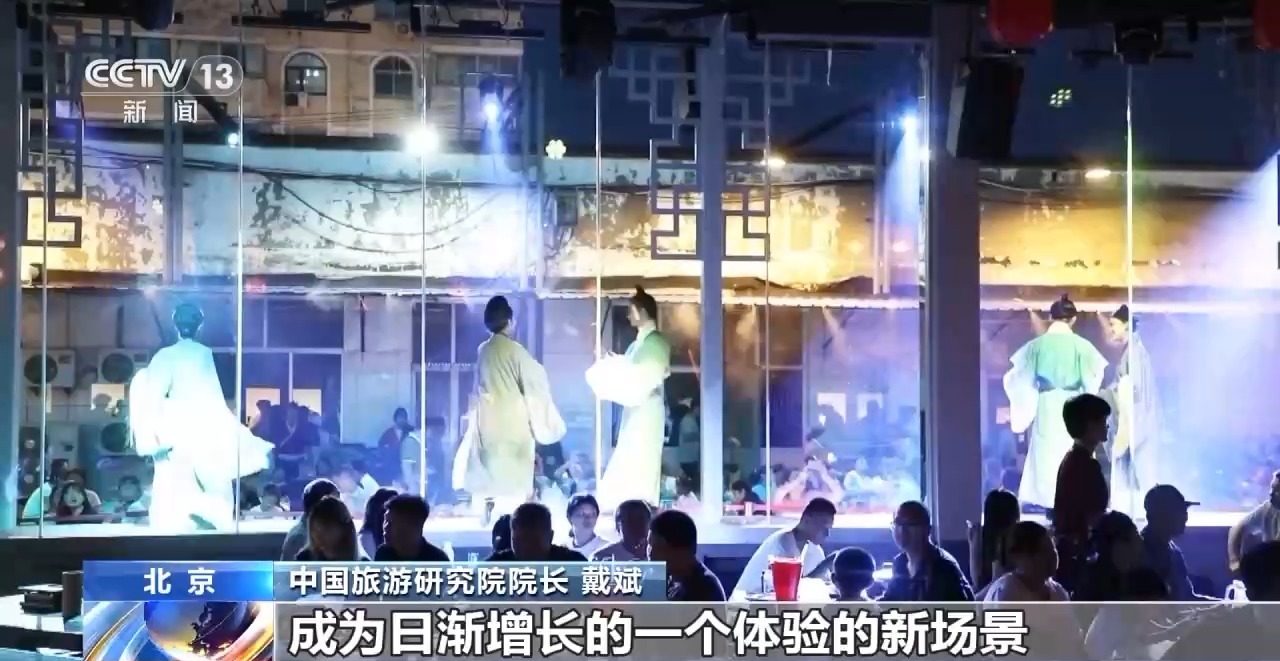
糖油粑粑

Search documents
(新春走基层)国潮风起非遗焕新 长沙春节消费“文化味”十足
Xin Lang Cai Jing· 2026-02-15 11:36
Group 1 - The core viewpoint of the article highlights the rising popularity of traditional cultural products and non-material cultural heritage (non-heritage) during the Spring Festival in Changsha, showcasing a blend of cultural and consumer experiences [1][7] - Traditional crafts such as sugar painting, dough figurines, and Hunan embroidery are integrated into modern shopping environments, attracting younger consumers and enhancing the festive atmosphere [1][3] - The "马上有喜市" non-heritage market features various traditional crafts, with local artisans showcasing their work, which has become a popular choice for consumers during the holiday season [3][5] Group 2 - The Fire Palace in Changsha has launched non-heritage gift boxes that combine local delicacies with trendy packaging, resulting in strong sales both online and offline [3][5] - The ongoing Lantern Festival at Jinggang Ancient Town features thousands of colorful lanterns and incorporates traditional crafts into its design, creating an engaging cultural experience for visitors [5][7] - The Hunan Yuhua Non-Heritage Museum is actively promoting the integration of non-heritage into modern life through various activities, aiming to meet cultural demands during the Spring Festival and enhance the market vitality of traditional culture [5][7]

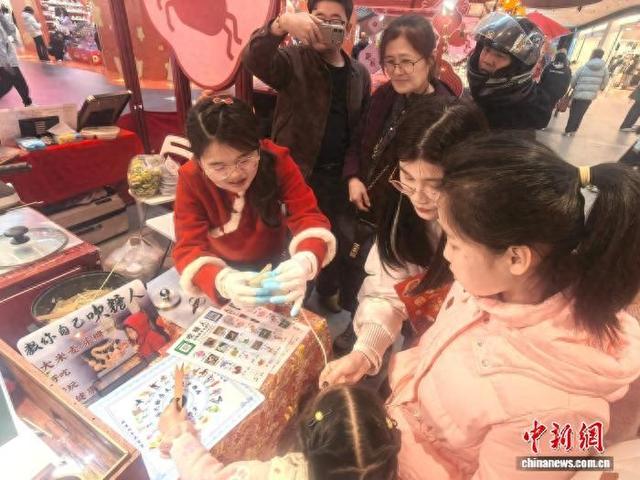
走!去农贸市场品最浓年味
Xin Lang Cai Jing· 2026-02-11 15:36
Core Viewpoint - The article highlights the vibrant and diverse consumer atmosphere in Changsha's agricultural markets as the Lunar New Year approaches, showcasing a blend of traditional and modern shopping experiences that reflect local culture and community engagement [1][9]. Group 1: Traditional Agricultural Markets - The traditional agricultural market, such as the Bixiang Street market, is a hub for local residents to purchase essential New Year ingredients, including meatballs, pickled vegetables, and sweet rice wine, which are integral to the local New Year celebrations [3][5]. - The market evokes nostalgia and a sense of community, with long-time residents sharing their memories and experiences tied to the flavors and aromas of the food available [3][8]. Group 2: Modern and Trendy Markets - The Jinshang Fresh Market has emerged as a trendy destination for younger consumers, combining shopping with entertainment, offering a lively atmosphere where visitors can enjoy food while socializing [5][6]. - This market breaks the traditional perception of agricultural markets by integrating various activities, making it a popular spot for both shopping and leisure during the New Year season [5][6]. Group 3: Rural Markets and Community Engagement - Rural markets surrounding Changsha provide an authentic experience of local culture, where residents can buy homemade goods and fresh produce, contributing to the local economy and enhancing community ties [8][9]. - These markets not only serve as a place for purchasing goods but also host cultural events, fostering a sense of celebration and community spirit as the New Year approaches [8][9].
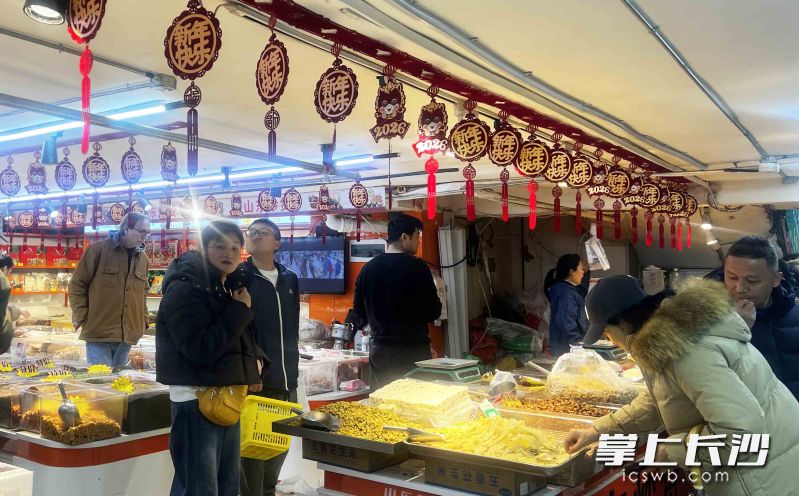
护国寺市集开市,老街区里飘出商居共融“暖心味”
Xin Lang Cai Jing· 2026-01-24 07:17
Core Insights - The "Huguo New Rhythm" market officially opened on January 24, featuring over 30 vendors showcasing more than 200 unique products, along with various cultural performances and experiences [1][3] Group 1: Market Features - The market offers a one-stop experience for eating, shopping, and entertainment, including traditional performances and exhibitions [1] - Vendors are promoting their "star products" with special discounts, such as traditional snacks and local delicacies, appealing particularly to younger consumers [2][4] Group 2: Community Engagement - The event includes interactive activities like making traditional crafts and a "check-in" tour that highlights local historical sites, enhancing community involvement [6] - Children from local schools contributed artwork to the event, reflecting their memories and experiences of the Huguo Temple area [4][6] Group 3: Promotional Activities - Over 80% of local vendors are offering exclusive discounts during the event, including no-threshold vouchers and limited-time offers [4] - The market features a variety of performances, including traditional music and magic shows, providing a rich cultural experience for attendees [6]
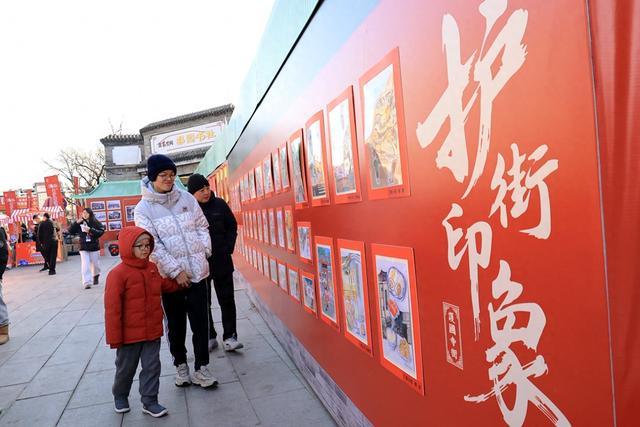
老味新传
Jing Ji Ri Bao· 2026-01-03 01:07
Core Viewpoint - The article discusses how traditional brands, referred to as "old brands," are innovating their business models and customer experiences to attract younger consumers while preserving their cultural heritage and traditional flavors [1][9]. Group 1: Innovation in Traditional Brands - Traditional brands are creating engaging spaces that blend cultural experiences with modern interactive elements, as seen in Beijing Daoxiangcun's "Zero No. Treasure Museum" [1][2]. - The focus is on enhancing customer experiences through immersive environments that evoke nostalgia while introducing new cultural narratives [2][3]. - Brands are shifting from merely replicating traditional stores to creating unique, culturally rich experiences that resonate with contemporary consumer interests [2][7]. Group 2: Customer Engagement and Retention - The success of these innovations relies on creating memorable experiences that encourage repeat visits, moving beyond superficial attractions [3][4]. - Effective training and motivation for staff are crucial to ensure that customer interactions are meaningful and engaging, rather than just aesthetic [4][5]. - The integration of local culture and community interaction enhances the overall customer experience, making it more than just a transaction [4][5]. Group 3: Balancing Tradition and Modernity - Traditional brands face the challenge of maintaining their core flavors and techniques while adapting to modern consumer preferences and competitive pressures [6][7]. - The approach involves a commitment to preserving traditional recipes and methods while also innovating in presentation and cultural storytelling [7][8]. - Brands like Huo Gong Dian and Beijing Daoxiangcun exemplify this balance by combining classic culinary techniques with contemporary marketing strategies to appeal to a broader audience [7][8]. Group 4: Cultural Significance and Brand Identity - Old brands are positioned as guardians of cultural heritage, tasked with preserving and narrating historical flavors and stories for future generations [9]. - The ongoing innovation within these brands is essential for their survival and relevance in a rapidly changing market landscape [9].
中国最好吃的夜市在哪里?带上这份“地图”逛吃起来
Yang Shi Xin Wen· 2025-09-23 22:21
Core Insights - The article highlights the vibrant night market culture in China, coinciding with the eighth "Chinese Farmers' Harvest Festival" on September 23, showcasing a variety of local delicacies across different regions [1] Group 1: Night Market Highlights - Changsha's Yangfan Night Market features crayfish sold by weight and stinky tofu paired with sweet oil cakes, creating a unique "Yangfan Energy Package" [2] - Chengdu's Sanse Road Night Market is a trendy hub where cultural creativity and food coexist, catering to both culinary and aspirational desires [3] - Qingdao's Taidong Walking Street Night Market offers seafood barbecues alongside packaged beer, fulfilling both romantic and culinary cravings [4] - Wuhan's Hubu Alley Night Market is a gathering place for traditional "Han flavor" snacks like hot dry noodles and bean skin, with a picturesque view of the Yangtze River [5] - Guangzhou's Baohua Road Night Market serves Cantonese-style late-night snacks, including rice rolls and fish skin, exploring the culinary legends of these dishes [6] - Kunming's Shuangqiao Night Market features cross-bridge rice noodles and Dai-style barbecue, rich in ethnic flavors and lively performances [7] - Harbin's Shida Night Market is known for its iron pot stew and Matier ice cream, representing the Northeast's night economy [8] - Hangzhou's Wulin Night Market combines the vibrancy of a digital city with the charm of West Lake, providing a relaxing atmosphere after a long day [9] Group 2: Night Economy Growth - The night economy in China has seen significant growth, with a market size approaching 2 trillion yuan, indicating a robust consumer interest in nighttime activities [12] - The peak consumption hours for night markets have shifted from 8 PM to 10 PM to a broader range from 6 PM to midnight, reflecting changing consumer habits [11] - Small-scale night markets are emerging as increasingly popular new business formats, contributing to the growth of experiential consumption spaces [11] Group 3: Meat Industry Insights - The meat industry, particularly lamb, plays a central role in the night market experience, with significant trading activity observed in Gansu's meat sheep market, where over 10,000 sheep are traded daily [19] - In Hebei's Tang County, a comprehensive meat sheep industry chain is being developed, encompassing breeding, fattening, slaughtering, and cold chain logistics [23] - The cold chain technology ensures rapid delivery of processed lamb products to major markets like Beijing and Tianjin within approximately 90 minutes [25] - The meat sheep industry in Tang County supports nearly 100,000 jobs, with an average annual income increase of over 30,000 yuan per person [27]