
罕见病药品

Search documents
创新赋能发展!临空4项创新案例获市级认定
Bei Jing Ri Bao Ke Hu Duan· 2026-02-25 04:12
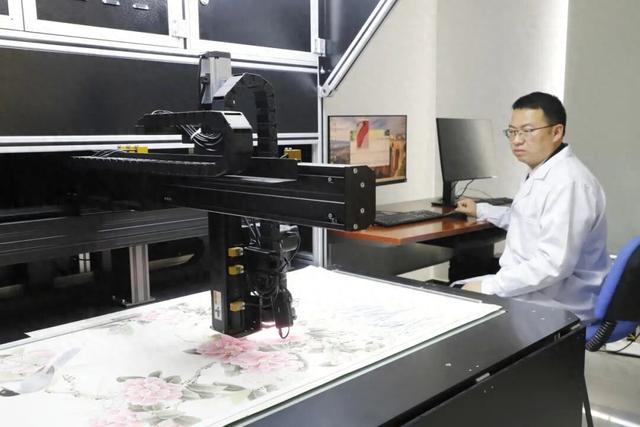
Core Insights - Innovation serves as a key driver for regional economic growth, with the Beijing Capital Airport Economic Zone showcasing successful innovative practices that contribute to national free trade zone development [1] Group 1: Innovation in Economic Zones - The Capital Airport Economic Zone's four innovative cases were selected for the "Third Batch of Comprehensive Bonded Zone Construction Reform and Innovation Practice Cases" in Beijing, demonstrating replicable and promotable "airport experience" for regional innovation [1] - The zone aims to enhance its core competitiveness and influence by continuously exploring new development paths and models, focusing on high-quality economic growth and social benefits [10] Group 2: Art and Technology Integration - The Tianzhu Comprehensive Bonded Zone employs advanced technologies such as AI and image analysis to create unique electronic records for artworks, ensuring their authenticity and preventing risks during regulatory processes [3] - Customs staff utilize a flexible management system to monitor artworks in real-time, enhancing the safety of the art market [3] Group 3: Rare Disease Drug Assurance - The Tianzhu Comprehensive Bonded Zone is recognized as the only pilot area for rare disease drug assurance in China, transitioning from "waiting for drugs" to "drugs waiting for patients" [5] - The zone implements a "Four Optimizations and One Promotion" strategy, achieving a 70% increase in customs efficiency and ensuring drug clearance within one hour [5] Group 4: Cultural Trade Activation - The Capital Airport Economic Zone leverages its "Cultural + Bonded" advantages to invigorate cultural trade, hosting international exhibitions and enhancing global influence [8] - The zone aims to lower cultural trade barriers through innovative policies, such as offering tax guarantee services based on credit limits, thus stimulating cultural trade development [8] Group 5: Fresh Seafood Import Regulation - The Tianzhu Comprehensive Bonded Zone has initiated a pilot reform for the regulation of imported fresh seafood, enhancing customs efficiency to meet diverse consumer demands [10] - A "white list + sampling release" mechanism has been established, allowing prioritized inspections for compliant enterprises, thereby ensuring the quality and safety of imported seafood [10]

天竺综保区罕见病药品进口规模居全国首位
Xin Jing Bao· 2026-01-30 07:13
Core Insights - The Tianzhu Comprehensive Bonded Zone is establishing a rare disease drug guarantee pilot area by 2025, aiming to enhance open innovation and facilitate the import of rare disease medications, with a cumulative import value reaching 27.043 billion yuan, ranking first in the country [1] - Approximately 70% of rare diseases manifest in childhood, and the current domestic supply of rare disease drugs is limited, leading to significant challenges for patients due to lengthy and costly import processes [1][2] - The Tianzhu Comprehensive Bonded Zone is implementing measures such as pre-assessment, tracking review, and 24-hour customs clearance to streamline the import and distribution of rare disease medications, ensuring timely access for patients [1] Group 1 - The Tianzhu Comprehensive Bonded Zone aims to transition from "people waiting for drugs" to "drugs waiting for people" by improving the policy support system for rare disease treatments [2] - By 2025, the zone plans to establish a multi-tiered medication guarantee system, including the inclusion of 10 urgently needed rare disease drugs in the Beijing Universal Health Insurance overseas special drug list [2] - The construction of the rare disease drug guarantee pilot area is expected to attract over 30 domestic and international pharmaceutical companies, contributing to a medical trade scale of 100.093 billion yuan by 2025 [2]
审评审批新政开路,加速引进临床急需境外已上市药品
2 1 Shi Ji Jing Ji Bao Dao· 2026-01-08 11:31
Core Insights - The new policy from the National Medical Products Administration (NMPA) aims to expedite the entry of globally innovative drugs into China, particularly for rare and chronic diseases, by revising the approval timeline for thousands of foreign drugs already on the market [1][2] Group 1: Policy Changes - The NMPA encourages the application of urgently needed foreign drugs, allowing them to be included in the priority review and approval process [1][3] - For rare disease drugs that are urgently needed but not yet available in China, the policy allows for a pre-inspection application process, reducing the registration inspection time from 60 days to 40 days for sample inspections, and from 90 days to 70 days for simultaneous standard review and sample inspection [1][3] - The new policy simplifies previous high inspection requirements, making it easier for rare disease drugs to enter the Chinese market [1][3] Group 2: Industry Impact - The new policy is expected to significantly impact the pharmaceutical industry by accelerating the market entry of urgently needed drugs, particularly for rare diseases, thus addressing the issue of drug accessibility for patients [2][5] - The introduction of a mechanism for foreign generic drug applications is anticipated to provide more economical treatment options alongside original drugs, potentially reducing the financial burden on patients [2][5] - The policy encourages pharmaceutical companies to conduct global synchronized research and applications in China, which may lead to better resource allocation and earlier inclusion of China in global research plans [2][5] Group 3: Regulatory Framework - The policy establishes a communication channel for applicants to discuss data utilization and priority review with the drug review center before formal application submission, which is crucial for expediting the process [3][4] - It allows for the acceptance of foreign clinical data and conditional approvals, which can significantly shorten the time to market and reduce costs [3][4] - The policy also optimizes the risk management mechanism for foreign reviews, allowing for remote inspections, which eases the burden on companies while raising quality control standards [4][5] Group 4: Market Dynamics - The global pharmaceutical industry is projected to face a "patent cliff" of approximately $236 billion from 2025 to 2030, prompting multinational companies to adjust their strategies in China [6][7] - The new policy shifts the focus from a "low-price only" approach to a comprehensive evaluation of clinical value, creating conditions for multinational companies to receive reasonable returns on their products [6][7] - The market for rare disease drugs is expected to become a new growth area, with the policy lowering barriers for these drugs to enter the Chinese market [6][7] Group 5: Future Considerations - The implementation of the new policy may face challenges, including the need for complementary measures, particularly regarding insurance integration [7][8] - The regulatory capacity of relevant agencies will be tested as the new policy significantly compresses review timelines, requiring enhanced human resource allocation and professional capabilities [8][9] - The pharmaceutical sector is expected to see a strong rebound in 2025, driven by AI and innovative drugs, reflecting a qualitative leap in China's innovation capabilities [10][11]
建立儿童药品市场独占期制度
Xin Lang Cai Jing· 2026-01-07 19:17
Core Insights - China is enhancing support for innovative drugs with new mechanisms and targets throughout the entire process from communication, clinical trials, registration, to review and approval, aiming to facilitate "China's first launch" of innovative drugs [1][2] Group 1: Regulatory Developments - The National Medical Products Administration (NMPA) approved a record 4,087 drug registration applications in 2022, including 76 innovative drugs, marking a historical high [2] - The time gap for domestic and international drug listings has been further reduced, with 59 foreign new drugs receiving temporary import approval [2] - A priority review and approval mechanism for pediatric drugs has been continuously promoted, resulting in the approval of 138 pediatric drugs in 2022 [2] Group 2: Focus on Rare Diseases - The temporary import channel for rare disease drugs remains open, with 48 rare disease drugs approved in 2022, effectively filling the medication gap for special populations [2] Group 3: Internationalization of the Pharmaceutical Industry - The internationalization of the pharmaceutical industry is accelerating, with cumulative overseas licensing transactions for innovative drugs exceeding $130 billion, indicating China's transition towards becoming a major exporter of innovative drugs [2] Group 4: Future Initiatives - In 2026, the NMPA plans to implement targeted measures, including the establishment of a drug trial data protection system and a market exclusivity system for pediatric and rare disease drugs [2] - The NMPA will strengthen service support for new mechanism and target innovative drugs across the entire chain, and pilot pre-application services for new generic drugs in selected regions to enhance application quality [2]
国家药监局:助力创新药“中国首发”
Xin Hua Wang· 2026-01-07 10:47
Core Insights - China is enhancing support for innovative drugs with new mechanisms and targets across the entire chain of communication, clinical trials, registration, and review processes to facilitate "China's first launch" of innovative drugs [1][2] - By 2025, there is an expectation for a significant increase in the market launch of urgently needed clinical products in the pharmaceutical and medical device sectors [1] Group 1: Pharmaceutical Sector - In 2022, the National Medical Products Administration (NMPA) approved a total of 4,087 drug registration applications, including 76 innovative drugs, marking a historical high [1] - The time gap for domestic and international drug listings has been reduced, with 59 foreign new drugs receiving temporary import approval [1] - A total of 138 children's drugs were approved, and 48 rare disease drugs were granted temporary import approval, addressing medication gaps for special populations [1] Group 2: Medical Device Sector - The NMPA approved 3,402 medical device products in 2022, including 76 innovative medical devices, achieving a new record [1] - The medical device innovation ecosystem is continuously improving, supporting industry upgrades [1][2] - In 2026, the NMPA plans to expedite the market launch of high-end medical devices and allocate more review resources to urgently needed innovative devices and those for rare disease prevention [2] Group 3: Future Initiatives - The NMPA will implement a drug trial data protection system and establish market exclusivity for children's and rare disease medications [2] - There will be a focus on optimizing the review and approval measures for cell and gene therapy drugs [2] - The establishment of a national standardized technical working group for intelligent frontier medical devices is planned to advance standard formulation in key areas such as brain-machine interfaces [2]
贯彻落实党的二十届四中全会精神权威访谈丨以高效严格监管促进创新药和医疗器械发展——访国家药品监督管理局党组书记、局长李利
Xin Hua Wang· 2025-12-11 00:43
Core Viewpoint - The article emphasizes the importance of strict and efficient regulation in promoting the development of innovative drugs and medical devices in China, highlighting the achievements and future plans of the National Medical Products Administration (NMPA) in ensuring drug safety and supporting industry innovation [1]. Group 1: Achievements During the 14th Five-Year Plan - The NMPA has implemented comprehensive reforms in drug regulation, ensuring overall stability in drug safety and advancing the construction of a strong pharmaceutical nation [2]. - Continuous strengthening of supervision has led to a significant increase in the overall pass rate of drug safety inspections from 97.8% during the 13th Five-Year Plan to 99.4% [2]. - A total of 220 innovative drugs and 282 innovative medical devices have been approved, marking increases of 6.2 times and 3.1 times, respectively, compared to the previous five-year period [3]. Group 2: Future Measures for Drug Safety Regulation - The NMPA plans to enhance the drug safety responsibility system and transition from a "passive defense" to a "proactive prevention" approach [5]. - A focus on dynamic safety regulation across the entire supply chain will be implemented, addressing new challenges posed by product and technological innovations [6]. - Strict enforcement against illegal activities will be prioritized, with improved mechanisms for cross-regional and cross-level case handling [6]. Group 3: Support for Innovative Drug and Medical Device Development - The NMPA will support enterprises in enhancing their research and development capabilities for innovative drugs and medical devices, emphasizing the importance of effective market and proactive government roles [7]. - Policies will be optimized to accelerate the approval process for innovative products, particularly those that are globally novel or critical for domestic substitution [8]. - The NMPA aims to improve the regulatory framework for traditional Chinese medicine, ensuring quality management and modernization of production processes [8]. Group 4: Enhancing Public Benefit from Regulatory Reforms - The NMPA will prioritize enhancing public access to innovative treatments and ensuring that regulatory reforms benefit the general population [9]. - Efforts will be made to streamline the approval process for urgently needed drugs, including those for rare diseases and pediatric use [9]. - Collaboration with health and insurance departments will be strengthened to ensure comprehensive drug safety and accessibility [10].
贯彻落实党的二十届四中全会精神权威访谈 | 以高效严格监管促进创新药和医疗器械发展——访国家药品监督管理局党组书记、局长李利
Xin Hua She· 2025-12-10 14:54
Core Viewpoint - The article emphasizes the importance of strict and efficient regulation to promote the development of innovative drugs and medical devices in China, highlighting the achievements and future plans of the National Medical Products Administration (NMPA) in ensuring drug safety and supporting industry innovation [1] Group 1: Achievements During the 14th Five-Year Plan - The drug regulatory system in China has adhered to the "four strictest" requirements, leading to a stable drug safety situation and significant progress in building a strong pharmaceutical nation [2] - Continuous strengthening of regulation has ensured drug quality and safety, with over 200,000 batches of drugs and 20,000 batches of medical devices tested annually, resulting in an overall drug sampling pass rate increase from 97.8% to 99.4% [2] Group 2: Industry Innovation and Development - A series of measures have been implemented to deepen the reform of drug and medical device regulation, resulting in the approval of 220 innovative drugs and 282 innovative medical devices, which are 6.2 times and 3.1 times higher than during the 13th Five-Year Plan, respectively [3] - The approval of 415 children's drugs and 155 rare disease drugs has further enhanced the vitality of innovation in the pharmaceutical industry [3] Group 3: Regulatory Capacity Enhancement - The establishment of a relatively complete legal system for drug regulation has been achieved, with the issuance of the 2025 edition of the Pharmacopoeia of the People's Republic of China and numerous standards for traditional Chinese medicine and medical devices [4] - Significant progress has been made in the informatization of drug regulation, with the establishment of key laboratories and the implementation of 59 major projects in regulatory science [4] Group 4: Future Measures for Drug Safety - The NMPA plans to enhance drug safety management by shifting from "passive defense" to "active prevention," improving the risk prevention and control capabilities [5] - A dynamic safety supervision mechanism covering the entire lifecycle of drugs will be established, focusing on clinical trials, commissioned production, and online sales [6] Group 5: Support for Innovative Drug and Medical Device Development - The NMPA will support enterprises in strengthening the research and development of innovative drugs and medical devices, emphasizing policy guidance and resource allocation for original products and domestic alternatives [7] - Efforts will be made to accelerate the listing of innovative drugs and medical devices by optimizing registration processes and enhancing intellectual property protection [8] Group 6: Ensuring Public Benefit from Regulatory Reforms - The NMPA aims to ensure that regulatory reforms benefit the public by enhancing access to essential drugs and maintaining high standards for generic drugs [9] - Collaboration with health and insurance departments will be strengthened to improve drug traceability and ensure the safety and effectiveness of medications [10]
国家药监局局长最新发声
财联社· 2025-12-10 14:31
Core Viewpoint - The article emphasizes the importance of strict regulation in promoting the development of innovative drugs and medical devices, highlighting the balance between ensuring drug safety and fostering industry innovation [1] Group 1: Achievements in Drug Regulation - Since the 14th Five-Year Plan, China's drug regulatory system has adhered to the "four strictest" requirements, leading to a stable drug safety situation and significant progress in building a strong pharmaceutical nation [2] - The overall pass rate for national drug sampling inspections increased from 97.8% during the 13th Five-Year Plan to 99.4% [2] Group 2: Promoting Industry Innovation - A total of 220 innovative drugs and 282 innovative medical devices were approved since the 14th Five-Year Plan, representing 6.2 times and 3.1 times the approvals during the 13th Five-Year Plan, respectively [3] - The approval of 415 children's drugs and 155 rare disease drugs, along with 28 innovative traditional Chinese medicines, indicates a growing vitality in pharmaceutical innovation [3] Group 3: Future Measures for Drug Safety - The regulatory focus will shift from "passive defense" to "active prevention," enhancing the drug safety responsibility system and improving risk management capabilities [4] - A comprehensive dynamic safety supervision system will be established, covering the entire lifecycle of drugs, from research and development to production and use [5] Group 4: Supporting Innovation in Pharmaceuticals - The regulatory body will support enterprises in enhancing their innovative drug and medical device research and development, emphasizing policy guidance and resource allocation for original products [6] - Efforts will be made to accelerate the market entry of innovative drugs and medical devices by optimizing registration processes and reducing costs [7] Group 5: Enhancing Public Welfare - The regulatory work will prioritize enhancing public satisfaction and safety, ensuring that regulatory reforms benefit all citizens and meet their health needs [8] - Measures will be taken to expedite the approval of urgently needed drugs, including those for rare diseases and children, while maintaining high standards [9] Group 6: Interdepartmental Collaboration - Strengthening coordination with health and insurance departments will be crucial for improving clinical trial oversight and drug traceability systems [10] - Public awareness campaigns will be conducted to enhance understanding of drug regulations and promote a supportive environment for innovative drug and device development [11]

贯彻落实党的二十届四中全会精神权威访谈|以高效严格监管促进创新药和医疗器械发展——访国家药品监督管理局党组书记、局长李利
Xin Hua She· 2025-12-10 14:23
Core Viewpoint - The article emphasizes the importance of strict and efficient regulation to promote the development of innovative drugs and medical devices in China, highlighting the achievements and future plans of the National Medical Products Administration (NMPA) in ensuring drug safety and supporting industry innovation [1][2]. Regulatory Achievements During the 14th Five-Year Plan - The NMPA has implemented comprehensive reforms in drug regulation, leading to a stable drug safety situation and significant progress in building a strong pharmaceutical nation [2]. - The overall pass rate for national drug sampling inspections increased from 97.8% during the 13th Five-Year Plan to 99.4% [2]. Industry Innovation and Development - A total of 220 innovative drugs and 282 innovative medical devices were approved during the 14th Five-Year Plan, representing 6.2 times and 3.1 times the approvals during the 13th Five-Year Plan, respectively [3]. - The NMPA has also approved 415 children's drugs and 155 rare disease drugs, along with 28 innovative traditional Chinese medicines [3]. Strengthening Regulatory Capacity - The NMPA has revised key regulatory laws and established a more comprehensive legal framework for drug regulation, enhancing the consistency of Chinese standards with international standards [4]. - The establishment of new inspection centers and regional review centers has improved the regulatory capacity of the NMPA [4]. Transition to Proactive Drug Safety Management - The NMPA aims to shift drug safety management from a "passive defense" approach to a "proactive prevention" model, enhancing risk identification and responsibility accountability [5]. - A dynamic safety supervision mechanism covering the entire lifecycle of drugs is being developed to address new challenges in product and technology innovation [6]. Support for Innovative Drug and Medical Device Development - The NMPA plans to enhance support for the research and development of innovative drugs and medical devices, focusing on policy guidance and resource allocation for original products [7]. - Efforts will be made to streamline the approval process for innovative products and improve the protection of intellectual property rights related to drug research [8]. Ensuring Public Benefit from Regulatory Reforms - The NMPA is committed to ensuring that regulatory reforms benefit the public, focusing on enhancing people's sense of gain, happiness, and safety [9]. - The agency will expedite the approval of urgently needed drugs and maintain high standards for generic drug quality to ensure affordable access to effective medications [9]. Collaborative Governance in Healthcare - Strengthening collaboration with health and insurance departments is essential for improving clinical trial oversight and drug traceability [10]. - The NMPA will enhance public awareness of drug safety and regulatory policies through education and outreach initiatives [10].
药监局:将审评资源向突破“卡脖子”技术的国产替代产品倾斜
Xin Hua She· 2025-12-10 14:12
Core Viewpoint - The National Medical Products Administration (NMPA) emphasizes the importance of combining effective market mechanisms with proactive government support to enhance innovation in pharmaceuticals and medical devices, aiming to transform new medical technologies into productive forces [1][8]. Group 1: Achievements in Drug Regulation - Since the 14th Five-Year Plan, the drug regulation system has adhered to the "four strictest" requirements, leading to comprehensive reforms and a stable drug safety situation, thereby advancing the construction of a strong pharmaceutical nation [3]. - The NMPA has conducted over 200,000 drug inspections and 20,000 medical device inspections annually, improving the overall drug inspection pass rate from 97.8% during the 13th Five-Year Plan to 99.4% [3][4]. Group 2: Support for Innovation - The NMPA has approved 220 innovative drugs and 282 innovative medical devices since the 14th Five-Year Plan, which is 6.2 times and 3.1 times the number approved during the 13th Five-Year Plan, respectively [4]. - The NMPA aims to enhance the innovation capacity of the pharmaceutical industry by optimizing regulatory policies, focusing on original products and domestic alternatives to critical technologies [8][9]. Group 3: Future Measures for Drug Safety - The NMPA plans to shift drug safety management from a "passive defense" approach to "active prevention," enhancing risk management and collaboration across departments [6][7]. - The agency will implement a comprehensive drug safety responsibility system and improve the regulatory framework to ensure high-quality development in the pharmaceutical sector [6][10]. Group 4: Enhancing Public Welfare - The NMPA is committed to ensuring that regulatory reforms benefit the public, focusing on enhancing people's sense of gain, happiness, and safety [10][11]. - Efforts will be made to expedite the approval of urgently needed drugs, including those for rare diseases and pediatric use, while maintaining high standards and procedures [11][12].