
羊毛大衣

Search documents
各位家长还是买便宜点的衣服吧!
洞见· 2026-03-16 12:35
Core Insights - The article discusses the concept of "private domain" sales, where products are sold through trusted social circles rather than traditional advertising methods, leading to significant cost savings for consumers [4][5]. Group 1 - The term "private domain" refers to communities built on word-of-mouth and repeat customers, avoiding one-time sales and focusing on customer loyalty [4]. - A specific example is provided where a seller, referred to as "希妈," offers products at significantly lower prices by sourcing directly from manufacturers, eliminating middlemen and platform fees [5][6]. - The seller emphasizes transparency and customer care, advising customers on product quality and quantity, which contrasts with typical aggressive sales tactics [6]. Group 2 - Customers report satisfaction with the quality of products purchased through this private domain, noting that they received items that exceeded their expectations compared to more expensive alternatives [6]. - The article highlights the shift in consumer perception regarding value, illustrating that lower prices do not necessarily equate to lower quality when middlemen are removed [6].


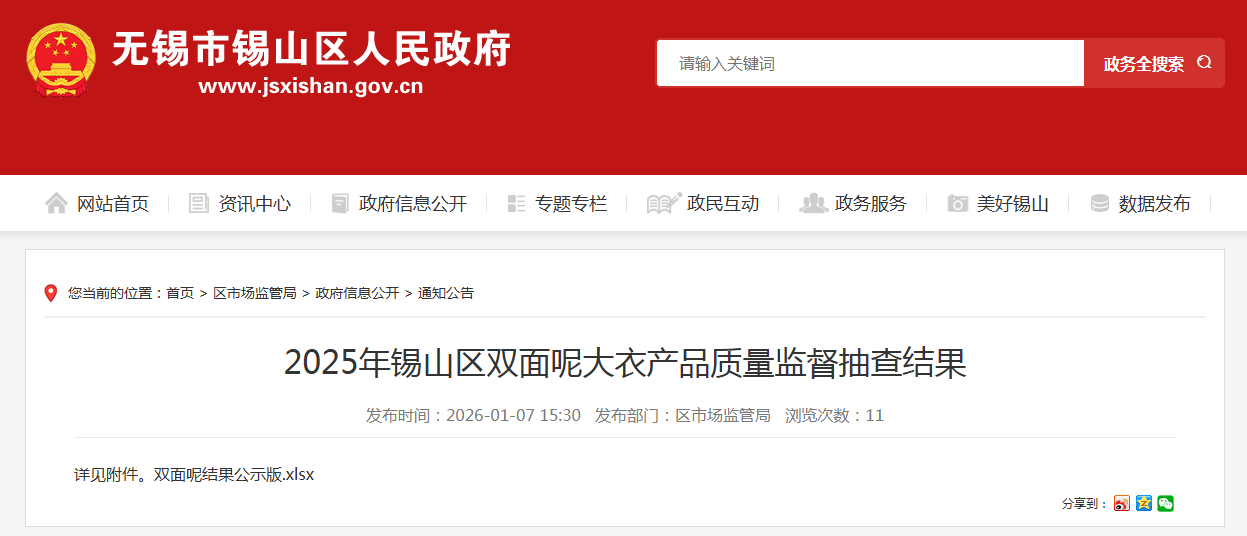
2025年江苏省无锡市锡山区双面呢大衣产品质量监督抽查结果公布
Zhong Guo Zhi Liang Xin Wen Wang· 2026-01-09 09:20
Core Viewpoint - The Jiangsu Wuxi Xishan District government has released the quality supervision results for double-faced wool coats in 2025, highlighting compliance and non-compliance issues among various manufacturers [2][3]. Group 1: Product Quality Results - A total of 16 products were tested, with 14 passing the quality inspection and 2 failing due to non-compliance with the standard moisture regain rate and fiber content [3][4]. - The non-compliant products included a wool coat from Xishan Naiwen'er Garment Factory and a double-faced wool coat from Hangzhou Yiqiao Clothing Co., which did not meet the required fiber content standards [3][4]. Group 2: Manufacturer Information - The compliant products were produced by various manufacturers, including Wuxi Yuyi Clothing Co., Wuxi Jiujiu Clothing Co., and Xishan Shidan Clothing Factory, among others [3]. - The non-compliant manufacturers were identified as Xishan Naiwen'er Garment Factory and Hangzhou Yiqiao Clothing Co., with specific addresses provided for each [3][4].
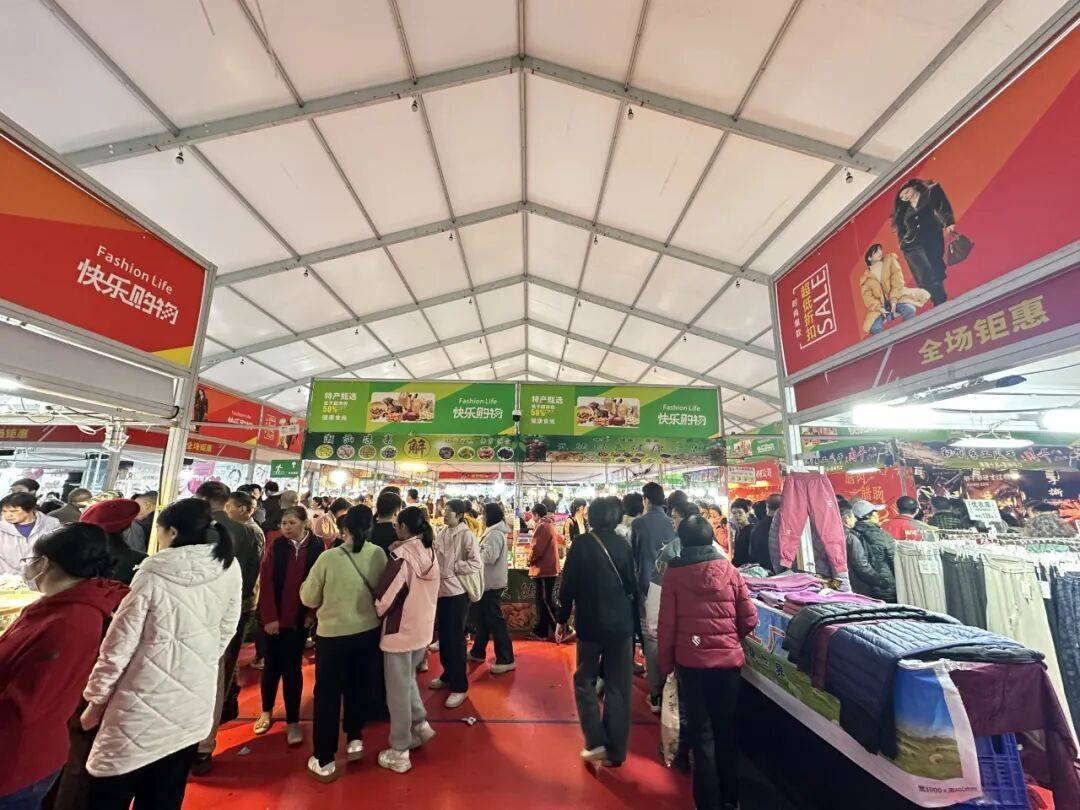
购物节惊喜来袭!过千个展位、几万种商品亮相现场→
Sou Hu Cai Jing· 2026-01-01 18:10
Core Viewpoint - The Zhaoqing International Commodity Shopping Festival showcases thousands of unique products from Russia and various regions of China, attracting over ten thousand visitors and providing a rich shopping experience [1][9]. Group 1: Event Overview - The shopping festival is held at the Zhaoqing Sports Center and runs from January 1 to January 13 [5]. - The event features a total exhibition area of 7,000 square meters with over a thousand booths displaying tens of thousands of products from both China and Russia [9]. Group 2: Product Highlights - Featured products include Russian chocolates, dairy products, and various regional specialties from China such as mushrooms from Yunnan, cured meats from Sichuan, and dried fruits from Xinjiang [1][12][17]. - The festival also offers a wide range of daily necessities, with prices ranging from a few to several dozen yuan, allowing visitors to purchase a year's worth of household items [20]. Group 3: Visitor Experience - The event is designed to create a festive atmosphere with activities such as artificial snow, balloon games, and light shows, enhancing the overall shopping experience for attendees [23]. - Visitors have expressed satisfaction with the variety and affordability of products, with many purchasing unique items they had not seen before [26].
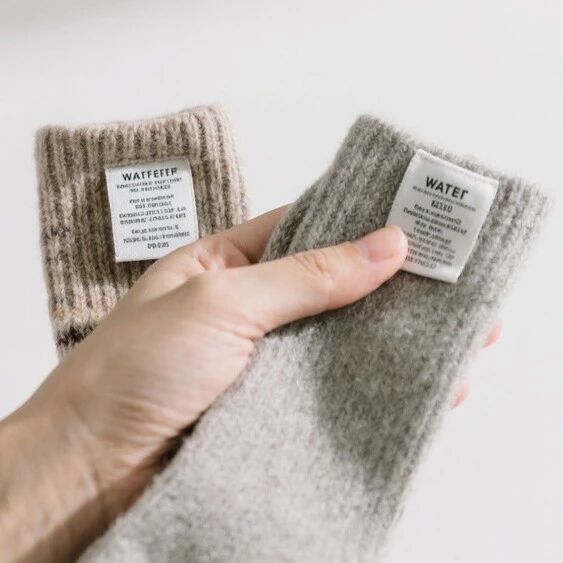
水洗标写的100%羊毛,不是真羊毛?
虎嗅APP· 2025-12-26 00:44
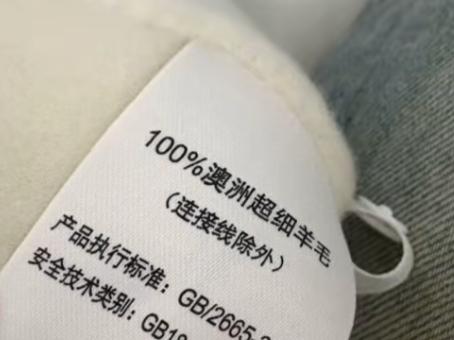
Core Viewpoint - The article discusses the misleading labeling of wool products, highlighting that many items labeled as "100% wool" may not actually contain genuine wool, leading to consumer confusion and potential financial loss [5][9]. Group 1: Misleading Labels - Various labels such as "100% high-grade wool," "cotton wool 100%," and "100% Australian fine wool" are identified as potentially misleading, as none of them are genuine wool [6][8]. - The article emphasizes that many consumers are concerned about the authenticity of their wool products, as natural fibers have become increasingly popular and expensive [11][14]. Group 2: Standards and Regulations - The article explains that the correct labeling format for wool should adhere to national standards, which include specific phrases like "100% sheep wool" or "pure sheep wool" [20][21]. - It is noted that terms like "high-grade wool" and "superfine wool" are not recognized by national standards, indicating a lack of regulatory compliance [24]. Group 3: Challenges in Verification - The article points out that while consumers can learn to read labels, the effectiveness of such knowledge is limited due to the non-mandatory nature of washing labels, allowing for significant leeway in what manufacturers can write [31][32]. - The cost of producing fake labels is low, making it easy for sellers to misrepresent their products without significant risk [36][37]. Group 4: Expert Insights - Experts suggest that while washing labels can help avoid low-quality products, they do not guarantee high-quality clothing, and consumers should look for brands that consistently follow labeling standards [39][40]. - The article mentions that visual inspection and touch are often insufficient for determining the authenticity of wool, and professional methods like burning tests or chemical tests are recommended for accurate identification [43][44]. Group 5: Industry Practices - The article reveals that many manufacturers rely on fabric suppliers for material composition information without conducting their own tests, leading to widespread inaccuracies in labeling [46][48]. - It highlights that legitimate companies typically obtain testing reports from suppliers to ensure compliance with labeling standards [49].
水洗标写的100%羊毛其实不是羊毛?怎么这年头要这么骗我
3 6 Ke· 2025-12-24 23:39
Core Viewpoint - The article discusses the confusion surrounding the labeling of wool products, particularly the misrepresentation of materials in the textile industry, leading to consumer concerns and the need for better understanding of fabric labels [1][3]. Group 1: Consumer Concerns - Many consumers are anxious about the authenticity of wool products, as evidenced by the popularity of online videos teaching how to identify genuine wool [3][5]. - The rising demand for natural fibers, such as wool, has led to increased prices, making consumers wary of being misled by false labeling [5][8]. Group 2: Labeling Standards - The article outlines the correct labeling standards for wool according to national regulations, emphasizing that only specific terms like "100% wool" or "pure wool" are acceptable [10][12]. - Misleading terms such as "high-grade wool" or "cotton wool" are not recognized by national standards and can lead to consumer deception [12][19]. Group 3: Market Practices - The prevalence of non-compliant labels in the market is highlighted, with many sellers taking advantage of the low cost of producing fake labels that appear to meet standards [21][29]. - The article notes that many manufacturers rely on fabric suppliers for material composition information without conducting their own testing, leading to potential inaccuracies in labeling [29][31]. Group 4: Detection Methods - While consumers can learn to read labels, the article suggests that this method has limitations, as labels can still be misleading [19][23]. - Professional methods, such as using microscopes or burning tests, can help identify genuine wool, but these methods may not be practical for everyday consumers [26][27].
为什么商家希望你退货?
洞见· 2025-12-02 12:35
Core Insights - The article highlights a unique e-commerce seller who prioritizes customer satisfaction over sales, emphasizing a more personal and quality-driven shopping experience [5][6][7]. Group 1: Seller's Approach - The seller actively engages with customers post-purchase, offering easy returns and prioritizing their satisfaction [5]. - The seller focuses on quality products by personally testing and selecting items, which contrasts with the typical e-commerce model that often relies on advertising and middlemen [7]. - The seller's business model is based on direct connections with manufacturers, allowing for lower prices without compromising quality [7]. Group 2: Customer Experience - The article describes a shift in consumer behavior, where customers are increasingly willing to trust sellers who provide curated selections, reducing the need for extensive price comparisons [8][10]. - Specific products purchased by the customer include affordable and high-quality items, showcasing the seller's commitment to value [10]. - The article suggests that in a market dominated by algorithms and aggressive marketing, finding a trustworthy seller is a rare and valuable experience [10].

流量太贵退货率太高,女装线下求生
创业邦· 2025-11-22 03:12
Core Insights - The article discusses significant developments in the fashion industry, particularly the shift of online brands to offline retail and the strategic partnership between Uniqlo and JD.com [5][6]. Group 1: Industry Trends - Uniqlo's partnership with JD.com marks its second collaboration with the platform, aiming to boost performance in the Greater China region after a previous unsuccessful attempt in 2015 [5][6]. - Online women's fashion brands are increasingly opening physical stores, with brands like KEIGAN leading this trend, indicating a strategic pivot rather than merely covering rental costs [6][23]. - The trend of online brands moving offline has intensified, with discussions about the necessity of physical presence dating back to 2015, highlighting a divide in strategies among online fashion brands [8][23]. Group 2: Market Dynamics - The online women's fashion market has seen a significant increase in return rates, with some brands reporting rates as high as 70-80%, which poses challenges for profitability [13][17]. - The onlineization rate of mid-to-high-end women's fashion has risen from less than 4% in 2014 to 15.7% in 2023, while overall apparel onlineization has surpassed 60% [13]. - The shift to offline retail is partly driven by high return rates and increasing customer acquisition costs in the online space, prompting brands to seek more stable revenue streams through physical stores [19][23]. Group 3: Brand Strategies - Brands are increasingly focusing on larger store formats, with examples like H&M's flagship store in Shanghai, which spans 6,000 square meters, reflecting a shift in retail strategy [26][28]. - The opening of large stores serves dual purposes: enhancing brand visibility and acting as a hub for online and offline customer engagement [30][31]. - The trend of opening large stores is not limited to established brands; emerging online brands are also adopting this strategy to improve customer experience and manage inventory more effectively [26][31].

中澳羊毛贸易:全球产业链协作的大势所趋
Guan Cha Zhe Wang· 2025-04-29 07:45
Core Insights - The Australia-China wool trade exemplifies global industrial chain collaboration, with China accounting for 80% to 85% of Australia's wool exports [1][3] - The import quota for Australian wool to China is projected to increase from 33,100 tons in 2018 to 44,300 tons by 2024 [1] - The COVID-19 pandemic has shifted the dynamics of the wool market, with domestic demand in China rising significantly while exports have decreased [5][6] Industry Cooperation - Recent developments include a Chinese delegation visiting Australia to understand the wool industry, indicating a deepening of cooperation [3] - The Australian wool industry has established a strong partnership with China over the past 50 years, extending beyond industry to cultural exchanges [1][3] Market Dynamics - The Chinese wool market has seen a shift from a balanced export-import ratio to 30% exports and 70% domestic sales post-pandemic [5] - There is a growing demand for leisure and sports wool products in China, reflecting changing consumer preferences [5][7] Consumer Trends - The younger generation is becoming a significant consumer force, demanding diverse, stylish, and functional wool products [7][8] - E-commerce is playing a crucial role in increasing awareness and sales of Australian wool products in China [7] Sustainability and Innovation - Manufacturers are increasingly investing in sustainable practices, such as waterless dyeing and traceability, to meet consumer demand for eco-friendly products [8] - The potential for wool applications in healthcare and home textiles is expanding, driven by demographic changes and consumer awareness [8]
