
美焙辰

Search documents
当消费分层遇见产业升级:透视达利创新模式的样本价值
Sou Hu Wang· 2026-01-29 06:47
Core Insights - The article discusses the evolving landscape of China's consumer market, highlighting a "dumbbell" structure characterized by rational consumption focused on cost-effectiveness and an upgrade wave willing to pay premiums for health, technology, and emotional value [1] - Dali Food Group's strategic choice of transitioning from inclusive innovation to leading innovation is presented as a response to these market dynamics, rooted in the company's mission to provide quality food to as many families as possible [1] Group 1: Evolution of Innovation Models - Prior to 2016, the Chinese market was focused on "from nothing to something" and "from something to better," with a core contradiction between massive demand and effective supply, leading to Dali's "inclusive innovation" model [2] - Inclusive innovation aims to reshape the value of mature categories and ensure efficient market supply of verified quality products at affordable prices, addressing basic consumer needs [2][4] - Post-2016, with GDP per capita surpassing $8,000, the market shifted towards value recognition, prompting Dali to adopt "leading innovation" to define future consumption trends and provide health solutions [4] Group 2: Synergy of Innovation Models - Inclusive innovation represents the breadth and depth of Dali's innovation, while leading innovation showcases its height and sharpness, with both models supporting each other [5] - The foundation of inclusive innovation provides stability and cash flow, allowing for the risk-taking necessary for leading innovation, which in turn enhances brand strength and technical capabilities [6] - Leading innovation, exemplified by products like "Dou Ben Dou," redefines standards in the plant-based protein sector, making advanced health concepts accessible to a broader consumer base [6] Group 3: Strategic Resilience - Dali's dual innovation approach reveals a strategic logic that requires both efficiency-driven inclusive capabilities and research-driven leading capabilities to navigate a complex market [9] - Focusing solely on inclusive innovation may lead to low-profit margins, while an exclusive focus on leading innovation risks alienating the broader market [9] - The ultimate goal of both innovation models is to provide better, healthier, and more reliable food choices for Chinese families, reflecting the evolution of consumer needs from basic availability to quality exploration [9]

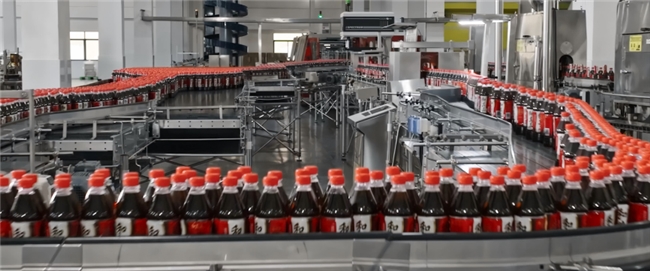
达利迎来“80后”二代掌舵 “跟随战略”将迎转变?
Xin Lang Cai Jing· 2025-11-21 21:20
Core Viewpoint - Dali Food Group has officially entered the "second-generation leadership" era with the appointment of Xu Yangyang, daughter of founder Xu Shihui, as president, amid challenges such as declining revenue and market competition [3][4]. Group 1: Leadership Transition - Xu Yangyang has 17 years of experience within the company, starting from grassroots positions and rising to executive director and vice president [4]. - She played a crucial role in Dali's IPO in 2015, which was the largest in the global consumer goods sector that year [4]. - Xu Yangyang's international education and experience in capital markets are expected to bring a forward-looking strategic vision to Dali [4][5]. Group 2: Strategic Challenges - Dali has faced a decline in revenue, with a drop from 222.94 billion yuan in 2021 to an estimated 180.73 billion yuan in 2024, indicating a loss of over 42 billion yuan [7]. - The company's traditional sales channels are under pressure from e-commerce and new retail formats, necessitating a shift in strategy [5][7]. - Dali's core brands are experiencing aging and slower product iteration, which poses a challenge in meeting the demands of younger consumers [7][8]. Group 3: Market Position and Future Directions - Dali's historical success relied on a "follow strategy" rather than innovation, which may not suffice in the current fragmented market [6][9]. - The company is urged to focus on creating a few competitive product categories to regain market confidence and performance [9]. - Dali plans to initiate a global strategy by 2025, but faces significant competition from established multinational brands and local players [9].
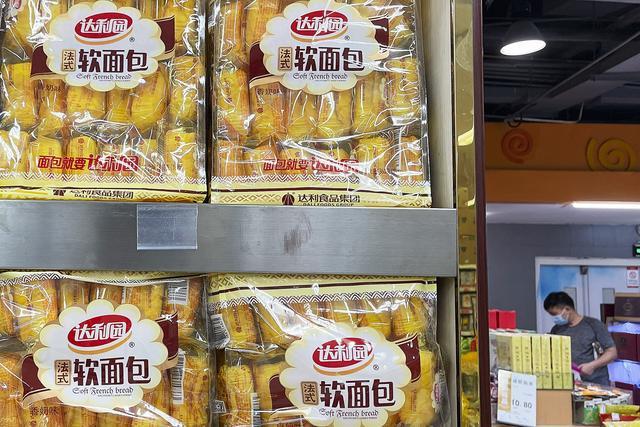
福建女首富正式接班,能否重振“乡镇之王”达利食品?
Guan Cha Zhe Wang· 2025-11-19 08:05
Core Insights - Dali Food Group announced that Xu Yangyang, daughter of founder Xu Shihui, officially took over as president in November 2025, leading the company during a challenging period of declining performance and industry transformation [1][9] Company History and Development - Xu Shihui's entrepreneurial journey began in 1989 when he invested his entire savings to buy a second-hand biscuit production line, establishing the precursor to Dali Food [2] - Dali Food was officially founded in 1992, but faced significant competition from brands like Wangwang and Lays as they entered the Chinese market [2] Business Strategy - Dali Food adopted a unique "Dali Model" to compete against foreign brands, focusing on low-priced products, celebrity endorsements, and deep channel penetration [3][5] - The company has historically leveraged aggressive marketing strategies, utilizing popular celebrities for endorsements and maintaining a pricing strategy that undercuts competitors by 30% to 50% [6][8] Financial Performance - Dali Food's revenue peaked at 222.94 billion yuan in 2021 but fell to 199.57 billion yuan in 2022, marking the beginning of a downward trend [10][12] - The company initiated a privatization process in 2023 due to its stock price being undervalued, but subsequent revenue figures for 2023 and 2024 showed continued decline [12][13] Market Challenges - Dali Food has struggled to adapt to new market dynamics, including the rise of e-commerce and competition from direct-to-consumer models, which have eroded its traditional channel advantages [14][16] - The company's reliance on a "pressuring inventory" model has led to issues with distributor relationships and inventory management, further complicating its market position [14] Leadership Transition and Future Strategy - Xu Yangyang aims to transition Dali Food from a "follower" to an "innovator," focusing on brand rejuvenation and product innovation to meet evolving consumer demands [16][17] - The company is pursuing an international expansion strategy, targeting Southeast Asia, with plans to establish production bases in Indonesia, Thailand, Vietnam, and Saudi Arabia [19][20]
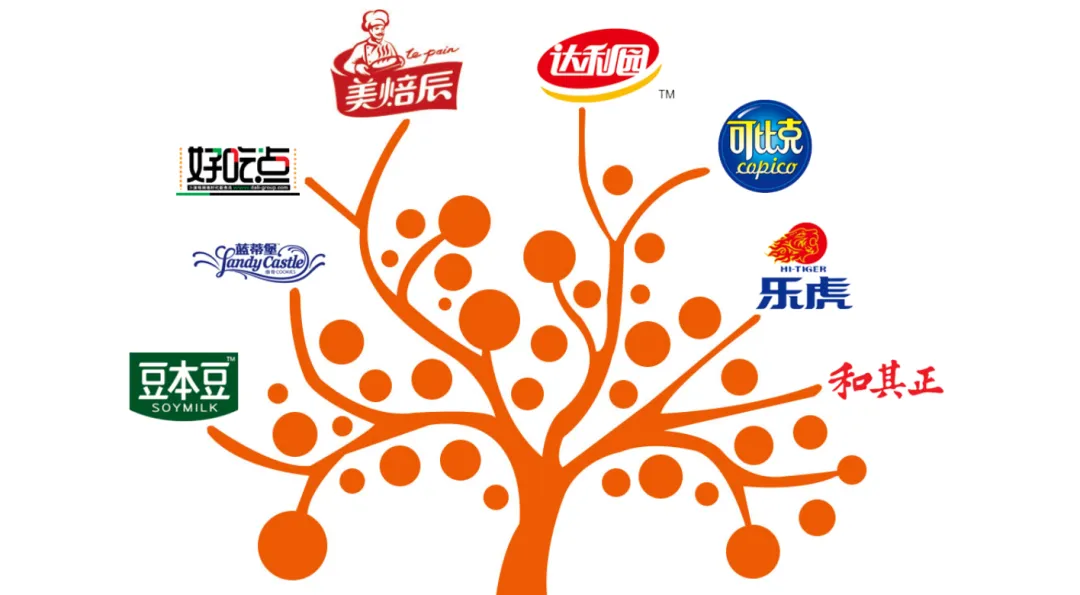
达利食品二代接班
Bei Jing Shang Bao· 2025-11-16 15:52
Core Viewpoint - Dali Foods Group has officially transitioned leadership to Xu Yangyang, daughter of founder Xu Shihui, marking a significant generational change after 36 years of operation [1] Company Background - Dali Foods was founded in 1989 by Xu Shihui in Quanzhou, Fujian, initially as Huian Meili Food Factory [3] - The company became a leading player in the domestic food and beverage industry by imitating successful products and adopting a low-price strategy to reach a broader consumer base [3] Leadership Transition - Xu Yangyang has 17 years of experience within Dali Foods, having held various key positions and participated in significant company developments [3] - She led the company to a successful IPO on the Hong Kong Stock Exchange in 2015, which was the largest IPO in the global consumer goods sector that year [3] - In 2023, Xu Yangyang was tasked with executing a global expansion strategy, focusing on Southeast Asia with production bases in Indonesia, Thailand, Vietnam, and Saudi Arabia [3] Financial Performance - Dali Foods experienced a decline in revenue after reaching a peak of 22.294 billion yuan in 2021, with projected revenues of 19.957 billion yuan in 2022, 18.86 billion yuan in 2023, and 18.07 billion yuan in 2024 [4] - The company has faced challenges with its stock price and trading volume, leading to its delisting from the Hong Kong Stock Exchange on September 1, 2023 [4] Product Innovation and Market Challenges - Xu Yangyang has introduced innovative brands such as "Dou Ben Dou" and "Mei Bei Chen," which were seen as potential turning points for the company [4] - However, the revenue growth for these brands has slowed significantly, with the family consumption segment growing only 1.9% to 3.705 billion yuan in 2022, compared to a 22.7% growth in 2021 [4] - The snack food segment saw a 9.2% decline in revenue to 9.03 billion yuan, while the ready-to-drink beverage segment experienced a 22.3% drop to 5.123 billion yuan [4] New Product Launches - Dali Foods has followed industry trends by launching new health-oriented products, including "Chao Ye" sugar-free tea and "Yi Ji Shui" wellness water [5] - Despite these efforts, the new products have not yet demonstrated significant market success, with sales of these items remaining below 1,000 units in the past 30 days [5] Strategic Insights - Industry analysts suggest that Xu Yangyang's leadership comes at a critical juncture for Dali Foods, as the company needs to better understand and meet the core demands of new-generation consumers [6] - Experts recommend that Dali Foods should shift its strategy to enhance R&D investment, develop unique core products, strengthen brand identity, and optimize market positioning to cater to diverse consumer needs [6]

许阳阳接任总裁,达利食品下一步怎么走
Bei Jing Shang Bao· 2025-11-16 12:09
Core Viewpoint - Dali Food Group has officially transitioned leadership to Xu Yangyang, daughter of founder Xu Shihui, marking a significant generational change after 36 years of operation [1] Group 1: Company Background - Dali Food was founded in 1989 by Xu Shihui in Quanzhou, Fujian, initially as Huian Meili Food Factory [3] - The company became a leading player in the domestic food and beverage industry by imitating successful products and adopting a low-price strategy to reach a broader consumer base [3] - Xu Yangyang has 17 years of experience within Dali Food, having held various key positions and contributing to significant company milestones [3] Group 2: Leadership Transition - Xu Yangyang, born in 1983 and a graduate of Xiamen University, returned to China in 2008 after studying in the UK and started from grassroots positions [3] - Under her leadership, Dali Food successfully completed its IPO on the Hong Kong Stock Exchange in 2015, achieving the largest IPO in the global consumer goods sector that year [3] - In 2017, she identified the potential in the plant-based market, launching the "Dou Ben Dou" soy milk brand and repositioning Dali Food towards innovation and industry leadership [3] Group 3: Current Challenges - Dali Food has faced declining revenues since reaching a peak of 22.294 billion yuan in 2021, with projected revenues of 19.957 billion yuan in 2022, 18.86 billion yuan in 2023, and 18.07 billion yuan in 2024 [4] - The company delisted from the Hong Kong Stock Exchange on September 1, 2023, due to low stock prices and trading volumes that did not reflect its true value [4] - Despite launching innovative products like "Dou Ben Dou" and "Mei Bei Chen," revenue growth in the family consumption segment has slowed significantly, with a 1.9% increase to 3.705 billion yuan in 2022 compared to a 22.7% growth in 2021 [4] Group 4: Strategic Outlook - Dali Food is pursuing a health-oriented strategy, introducing new products such as "Chao Ye" sugar-free tea and "Ni Ji Shui" wellness water, but these have yet to achieve significant sales [5] - Analysts suggest that Xu Yangyang's leadership comes at a critical juncture, as the company needs to better understand and meet the core demands of younger consumers [5] - Experts recommend that Dali Food should shift its strategy to enhance R&D investment, develop unique core products, strengthen brand identity, and optimize market positioning to cater to diverse consumer needs [5]
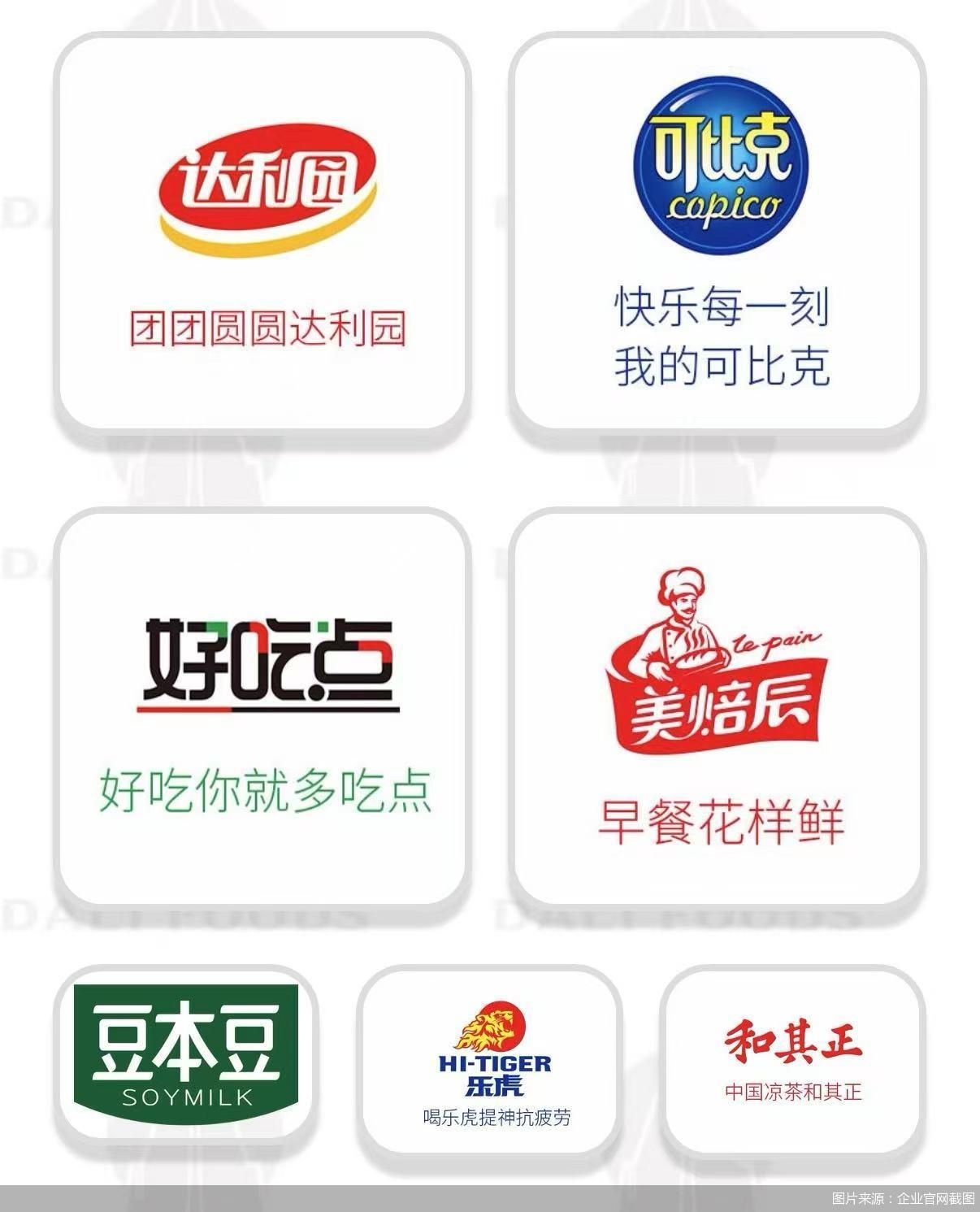
福建前首富退场,女儿接棒百亿食品帝国!
Sou Hu Cai Jing· 2025-11-13 13:23
Core Viewpoint - Xu Yangyang has officially taken over as the president of Dali Foods Group, marking a significant transition in leadership from her father, Xu Shihui, who founded the company and built it into a food giant with annual revenue exceeding 20 billion [1][8]. Group 1: Leadership Transition - Xu Yangyang joined Dali Foods in 2008 and has worked her way up through various roles, gaining comprehensive operational experience [1][8]. - Xu Shihui's careful planning for the succession reflects a thoughtful approach to family business continuity [1][8]. - In 2014, Xu Yangyang became an executive director and vice president, entering the core decision-making team [8]. Group 2: Financial Performance - Dali Foods achieved a historical revenue peak of 22.29 billion in 2021, but growth has since stagnated [4]. - In 2022, the company's revenue declined by 10.5% to 19.96 billion, with net profit dropping by 19.4% to 2.99 billion [4]. - The company's stock price has nearly returned to its original listing point following disappointing performance [5]. Group 3: Market Challenges - Dali Foods faces significant challenges in its beverage segment, with competition from brands like Dongpeng Special Tea [12]. - The snack segment is under pressure from major competitors such as PepsiCo and Mondelez [13]. - Innovative brands like "Douben Dou" and "Meibeichen" are growing but still contribute limited overall revenue [14]. Group 4: International Expansion - Under Xu Yangyang's leadership, Dali Foods is focusing on international expansion, establishing production bases in Indonesia, Thailand, Vietnam, and Saudi Arabia [19][20]. - The Indonesian base is set to begin production in October 2025, aiming to cover major channels in Indonesia and surrounding countries [20]. - Dali Foods adopts a "local-to-local" operational model, integrating local resources for effective market penetration [20]. Group 5: Legacy and Future - Xu Shihui's legacy includes transforming Dali Foods from a small biscuit factory into a major food conglomerate with seven national brands and extensive production capabilities [22][23]. - The company is now positioned to leverage its established infrastructure and brand recognition to navigate both domestic and international markets [25]. - Xu Yangyang's challenge lies in proving her ability to not only maintain the business but also to innovate and expand into new markets [25].
