脱毛

Search documents
五类化妆品过渡期落幕!江苏省泰州市姜堰区市场监管局开展化妆品专项监督检查
Xin Lang Cai Jing· 2026-01-16 06:42
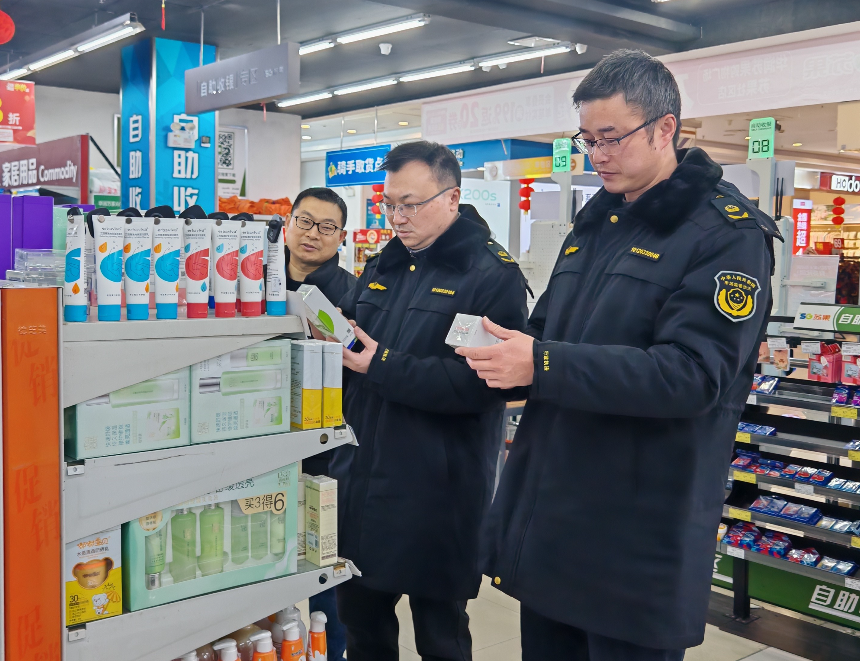
Core Viewpoint - From January 1, 2026, five categories of special purpose cosmetics will no longer be allowed for production, import, or sale, marking the end of a five-year transition period as per the Cosmetics Supervision and Administration Regulations [1] Regulatory Actions - The Jiangyan District Market Supervision Bureau in Taizhou, Jiangsu Province, has initiated a special inspection of cosmetics, targeting 15 retail outlets including supermarkets and beauty salons to ensure compliance with the new regulations [1][3] - Enforcement personnel conducted a thorough inspection of shelves, warehouses, and online sales platforms to identify and remove banned products that have exceeded the transition period [3] Compliance Verification - Strict checks on product labeling and registration details are being implemented to prevent the forgery or alteration of registration numbers and label information [3] - Differentiated regulatory measures are being applied to two categories of products post-transition: ordinary cosmetics and high-risk products that require drug management, ensuring compliance throughout the entire process from registration to sale [3] Guidance and Support - The enforcement team is providing one-on-one guidance to businesses, clarifying the requirements of the Cosmetics Supervision and Administration Regulations, and encouraging proactive compliance among operators [3][4] - The bureau aims to combine enforcement with guidance, promoting a shift from passive regulation to active compliance within the cosmetics market [4]

五年过渡期结束 五类化妆品今年起禁产禁售
Xin Lang Cai Jing· 2026-01-04 16:56
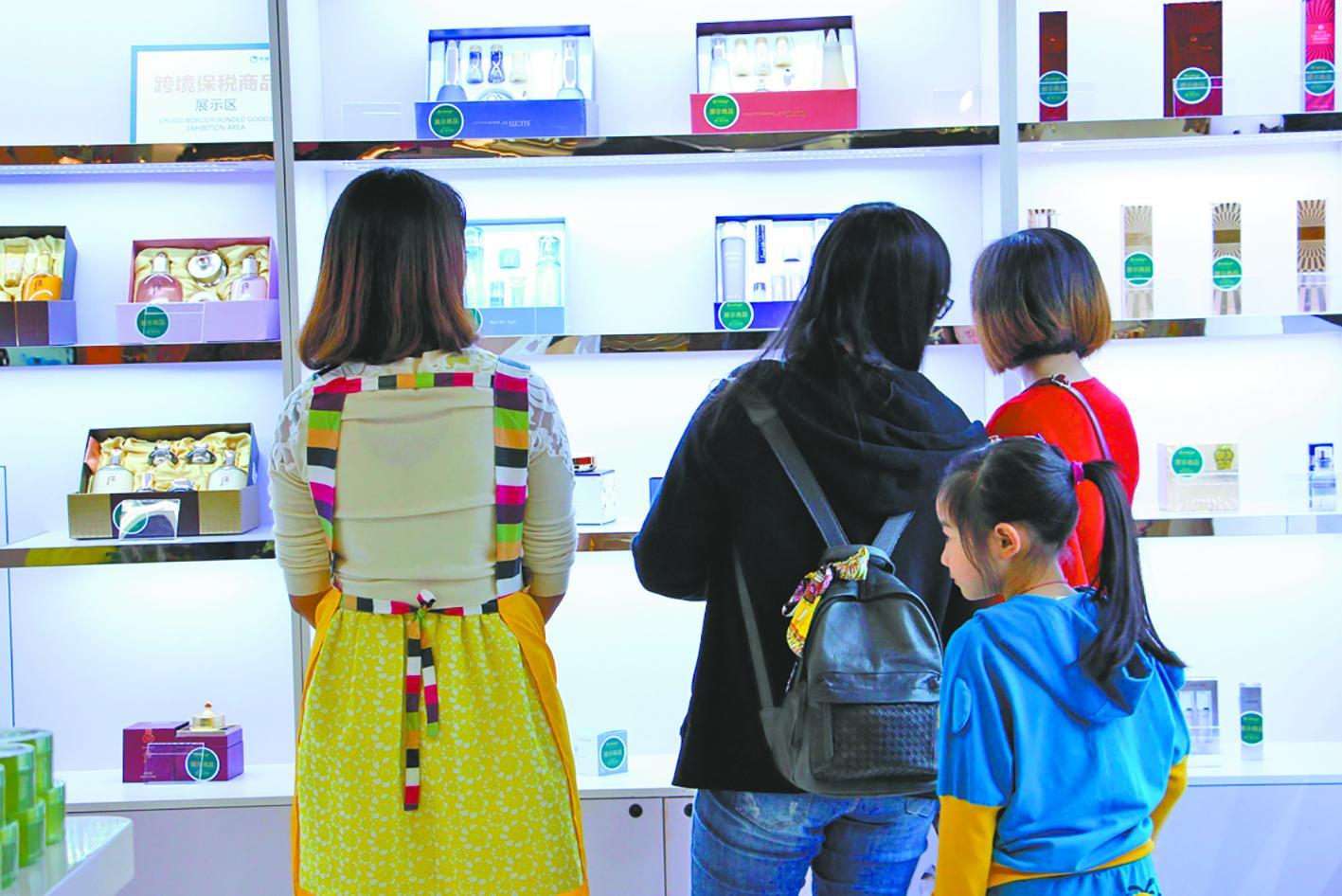
Group 1 - The Chongqing Municipal Market Supervision Administration announced that starting this year, five categories of cosmetics related to hair growth, hair removal, breast enhancement, bodybuilding, and deodorization will no longer be produced, imported, or sold, marking the end of a five-year transition period under the new regulatory framework [2][3] - This adjustment is based on the 2021 implementation of the "Cosmetics Supervision and Administration Regulations," which redefined the classification of special cosmetics, narrowing the scope from nine categories to those specifically related to hair dyeing, perming, spot removal, skin whitening, sun protection, and hair loss prevention [2] - Products with lower safety risks, such as those claiming to prevent hair breakage or enhance breast shape, have been reclassified as ordinary cosmetics and will now be subject to record-keeping management [2] Group 2 - Products that pose higher safety risks, such as those stimulating hair growth or affecting fat metabolism, will gradually be regulated as pharmaceuticals, aligning with international management trends [3] - After the expiration of administrative licensing documents during the transition period, registrants can apply for cancellation, and the National Medical Products Administration will no longer accept changes, reissues, or extensions [3] - Companies wishing to continue production, import, or sales after the transition period must choose to either register as ordinary cosmetics or apply for pharmaceutical registration based on the new classification [3]
6岁割双眼皮,7岁打美容针:整容成日本小朋友必修课?
Hu Xiu· 2025-06-03 03:05
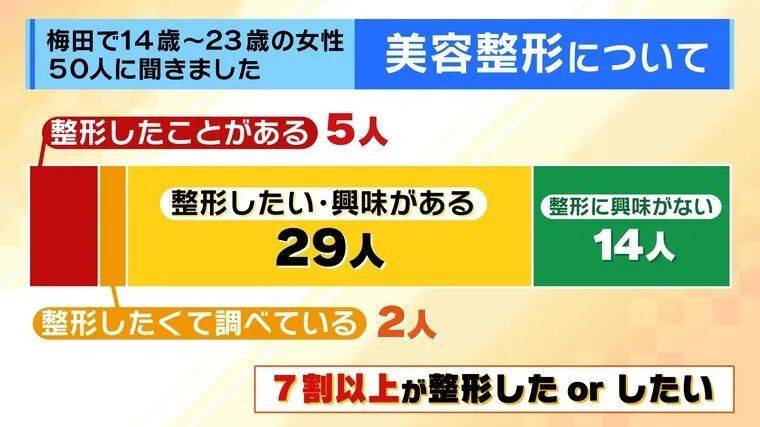
Core Viewpoint - The trend of cosmetic surgery among children in Japan is on the rise, driven by external pressures and beauty anxiety, transforming cosmetic procedures from an adult choice to a starting point for some children [1][2][3] Group 1: Trends in Cosmetic Surgery - The trend of younger individuals seeking cosmetic surgery has significantly increased over the past decade, with a notable rise in visits from elementary and middle school students post-2020 pandemic [2] - Approximately 25% of those undergoing surgery had their first procedure in their teenage years, with some as young as 6 or 7 years old [2] - Common procedures include double eyelid surgery, hair removal, and skin treatments, with some children undergoing regular beauty treatments costing around 10,000 yen [2] Group 2: Motivations Behind Surgery - Many children pursue cosmetic surgery due to external pressures and self-esteem issues, often stemming from bullying or negative comments about their appearance [3][4] - The COVID-19 pandemic provided a cover for recovery periods post-surgery, allowing children to express their beauty concerns more openly to their parents [4] Group 3: Parental Influence - Parents play a crucial role in the decision-making process, often initiating consultations out of concern for their child's social future [4] - Many parents believe that cosmetic surgery can prevent future issues related to appearance, leading them to take their children for procedures [4] Group 4: Societal Attitudes - Japanese society exhibits polarized views on the issue of cosmetic surgery for minors, with some supporting it as a means to alleviate beauty anxiety and boost confidence [5][6] - Conversely, there are strong concerns regarding the necessity and potential health risks of early cosmetic procedures, with critics arguing that the industry exploits children's vulnerabilities [8][9] Group 5: Impact of Social Media - The rise of social media platforms like TikTok and YouTube has contributed to the normalization of cosmetic surgery among youth, with influencers sharing their experiences and reducing psychological barriers [13][14] - The prevalence of beauty standards promoted on social media exacerbates beauty anxiety, leading children to believe that certain physical traits are essential for attractiveness [14] Group 6: Broader Implications - The phenomenon of young children seeking cosmetic surgery reflects a complex interplay of family anxiety, peer pressure, and societal beauty standards [16] - While cosmetic surgery may provide temporary relief from beauty-related concerns, it raises questions about the long-term impact on children's self-identity and mental health [16][17]
日本医美市场规模超“整容大国”韩国,男性成为医美手术常客
Sou Hu Cai Jing· 2025-05-07 05:04
Core Insights - Japan's medical beauty market has surpassed 600 billion yen (approximately 30.2 billion RMB), exceeding that of South Korea, which is known as a "cosmetic surgery powerhouse" [1][3] - The market is expected to continue growing, driven by advancements in medical technology and changing social attitudes towards cosmetic procedures [3][4] Market Size and Growth - The Japanese medical beauty market was valued at 486 billion yen in 2021, representing a 120% increase from the previous year [3] - In 2023, the market is projected to reach 594 billion yen, marking a growth of 108.8% compared to 2022 [3] - From 2009 to 2023, the market has expanded 2.39 times, indicating robust growth [3] Consumer Behavior and Trends - Approximately 70% of surveyed individuals aged 15 to 49 express concern about their appearance, with 43% considering some form of cosmetic medical treatment [4] - The rise of social media has contributed to a more open attitude towards cosmetic procedures, with many celebrities and influencers openly discussing their experiences [3][4] - Non-surgical treatments, such as laser therapy and hyaluronic acid injections, are particularly popular among consumers [4] Demographic Insights - Male consumers are increasingly participating in cosmetic procedures, with treatments like beard removal gaining popularity for their time-saving benefits [4]