自助烤肉

Search documents
烤肉品类发展报告
Hong Can Chan Ye Yan Jiu Yuan· 2026-01-09 08:56
Investment Rating - The report indicates a positive investment outlook for the barbecue industry, highlighting steady market growth and increasing consumer interest in diverse barbecue offerings [4][19]. Core Insights - The barbecue market in China is experiencing significant expansion, with the number of barbecue outlets reaching 205,000 by the end of 2025, representing a year-on-year growth of 34.4%. The market size is projected to be approximately 106 billion yuan in 2025, with a modest growth rate of 1.6% from the previous year [4][19]. - Consumer preferences are evolving, with a growing demand for high-cost performance self-service models and unique dining experiences. Regional specialties and American-style barbecue are gaining popularity [4][36]. - Barbecue brands are focusing on differentiation through innovation in ingredients, flavors, and dining experiences, with trends leaning towards emotional value, regional characteristics, and cost-effectiveness [4][36]. Summary by Sections Overall Overview - By the end of 2025, the total number of barbecue outlets in China is expected to reach 205,000, with a market size of around 106 billion yuan [7][17]. Development Characteristics - Self-service models and visually appealing dishes are favored, with regional specialties and American-style barbecue gaining traction [4][36]. Development Trends - The barbecue industry is witnessing diverse development trends characterized by innovation in product offerings, freshness of ingredients, and unique dining experiences [4][36]. Market Dynamics - The competitive landscape is intensifying, with over 112,000 barbecue-related enterprises in China as of December 2025, marking a 30.2% increase since 2020 [16][14]. - The self-service barbecue segment is rapidly expanding, with brands like Gulu Barbecue and others achieving significant growth by offering high-value dining experiences [42][45].
餐饮加盟商,不再为“大牌”买单?
虎嗅APP· 2025-09-18 13:21
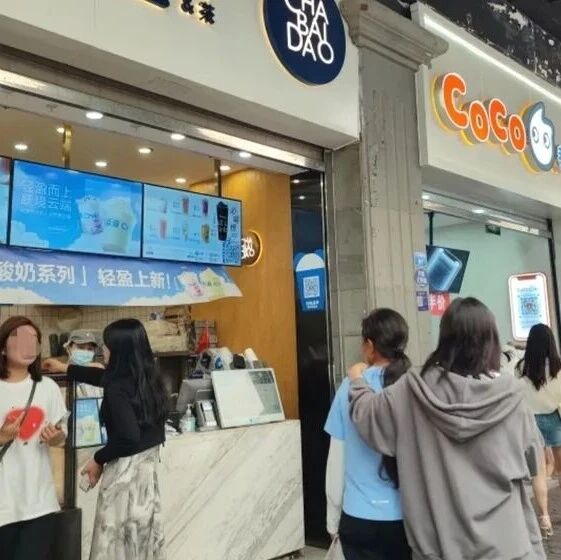
Core Viewpoint - The article discusses the current trends in the franchise market, highlighting a shift from rapid expansion to a focus on sustainability and profitability in the food and beverage industry, particularly in the context of the recent franchise exhibition [5]. Group 1: Decline in Beverage Franchise Participation - The number of beverage brands, particularly tea and coffee, participating in exhibitions has significantly decreased, with only four tea brands present compared to nearly fifteen in previous events [7]. - This decline reflects the tea industry's transition from rapid growth to a phase of deep adjustment, as competition intensifies and market saturation increases [8]. - Franchisees are facing challenges such as reduced customer dine-in rates and increased operational costs, leading some to exit the tea beverage sector altogether [10][11]. Group 2: Stability in Snack and Fast Food Franchises - In contrast to the beverage sector, snack and fast food franchises remain dominant, accounting for over 50% of exhibitors, with average customer prices between 15-30 yuan and investment returns expected within 12-18 months [13]. - The snack and fast food sector is characterized by its essential demand and high cost-effectiveness, with a market size projected to exceed one trillion yuan in 2024, growing by 7.5% year-on-year [13]. - Many franchisees are shifting from high-investment sectors like hot pot and barbecue to snack and fast food for more stable returns [16]. Group 3: Rise of Affordable Self-Service Barbecue - A noticeable trend is the emergence of affordable self-service barbecue brands, which have gained popularity due to the rising "value-for-money" consumption mindset [18][19]. - Despite the growing interest, self-service barbecue faces operational challenges, including limited profit margins and high demands for effective cost management [20][21]. Group 4: Decreasing Brand Worship - There is a diminishing trend of franchisees being attracted solely by well-known brands, as the perception that a big brand guarantees success is being challenged [24][25]. - Higher initial investments associated with top brands are leading franchisees to consider alternative, less costly options that offer quicker returns and greater operational flexibility [26]. Group 5: Cost Reduction Strategies - Many brands are adopting strategies to lower initial investment costs for franchisees, such as allowing self-renovation and reusing equipment, which can save over 200,000 yuan in setup costs [27][29]. - The traditional model of high upfront franchise fees is being replaced by more flexible arrangements, focusing on revenue sharing and stable supply chain profits [29]. Conclusion - The franchise market is shifting towards a more calculated approach, prioritizing the sustainability of individual stores and realistic return timelines over impulsive investments and rapid expansion [31].

两年400家店,七成订单来自线上:品格消费时代来临
Sou Hu Cai Jing· 2025-08-26 13:08
Group 1 - The core viewpoint of the article highlights the emergence of a new generation of consumers in China who are increasingly aware of social responsibility, marking the transition to a "character consumption" era in the market [2] - The self-service barbecue chain brand, 流浪泡泡, founded over two years ago, has opened nearly 400 stores by August and aims to reach 500 stores by the end of 2025, indicating rapid growth in the restaurant industry [2] - The company's rapid rise in the highly competitive food and beverage sector suggests that it is successfully implementing effective strategies [2]

开加盟店是赚还是赔?算清楚这三笔账就明白了
3 6 Ke· 2025-07-25 03:31
Group 1 - The core idea emphasizes that a busy store does not guarantee profitability, and potential franchisees should conduct thorough financial assessments before investing [1][2] - Franchisees are often lured by high customer traffic and sales figures, but it is crucial to understand the difference between high sales and actual profit [1][2] - The article outlines the importance of calculating the break-even revenue, which is determined by fixed costs divided by the gross profit margin [2][5] Group 2 - Fixed costs include rent, labor, and daily operational expenses, which must be accounted for regardless of sales performance [2][4] - The impact of electricity costs, especially for high-energy-consuming businesses like hot pot or barbecue, can significantly affect profitability [2][4] - Accurate assessment of gross profit margin is essential, as lower sales can lead to higher loss ratios, thus reducing the overall margin [4][6] Group 3 - Estimating ideal store performance requires analyzing the operational data of similar businesses in the area to set realistic revenue expectations [6][8] - Observing competitor performance, including customer flow and sales data, is vital for making informed predictions about a new store's potential [6][8] - Factors such as customer behavior on weekends versus weekdays and the impact of promotional activities should be considered when forecasting sales [8] Group 4 - The article highlights the need to break down the total investment costs beyond just franchise fees, including rent and deposits, to understand the true financial commitment [9][10] - Cost-saving opportunities can be identified by negotiating franchise fees, exploring renovation options, and considering second-hand equipment purchases [10][12] - Understanding rental agreements and payment terms is crucial, as they can significantly affect initial cash flow and investment viability [12]