茶叶蛋

Search documents
解馋不伤身 春节零食囤货指南来啦
Bei Jing Qing Nian Bao· 2026-02-02 22:46
Core Insights - The article emphasizes the importance of choosing healthy snacks that can complement meals and provide essential nutrients without excessive additives. It categorizes various types of healthy snacks and provides recommendations for portion sizes. Group 1: Fruit Snacks - Strawberries are low in sugar (7.1g/100g) and high in vitamin C, suggesting a serving of 5 to 8 berries [1] - Grapefruit is rich in vitamin C and should be consumed in moderation (1 to 2 segments, approx. 100g) due to potential interactions with certain medications [1] - Kiwi is low in sugar and high in vitamin C and fiber, recommended at 1 fruit per serving [1] - Cherries contain 10.2g of sugar per 100g and are suggested at around 15 cherries [2] - Apples have 52 kcal/100g and are recommended at 1 apple per day [2] - Blueberries are beneficial for chronic disease prevention, with a serving suggestion of 20 berries [2] - Snow lotus fruit has only 3g of sugar per 100g, recommended at 30 to 50g [2] - Frozen persimmons have a high sugar concentration and should be consumed cautiously [2] Group 2: Nut and Seed Snacks - Almonds are rich in protein and healthy fats, recommended at 8 to 10 nuts per serving [3] - Walnuts are high in calories (646 kcal/100g) but beneficial for brain health, suggested at 2 to 3 nuts [3] - Hazelnuts provide essential minerals and are recommended at 5 to 10 nuts per serving [3] - Pistachios are beneficial for heart health, with a serving suggestion of 10 to 20g [4] - Peanuts are high in protein and should be consumed raw, recommended at 15 to 18 nuts [4] Group 3: Dairy Products - Unsweetened yogurt is high in protein and beneficial for gut health, recommended at 1 box (up to 300ml) [5] - Whole milk provides calcium and protein, suggested at 1 cup (approx. 250ml) [5] - Cheese is nutrient-dense, suitable for lactose-intolerant individuals, recommended at 20 to 30g [5] Group 4: Fresh Vegetables - Cucumbers are low in calories (16 kcal/100g) and recommended at 1 cucumber [6] - Tomatoes are rich in vitamin C and low in calories (15 kcal/100g), suggested at 1 tomato [6] - Cherry tomatoes are high in antioxidants, recommended at 15 to 20 pieces [6] Group 5: Legumes and Grains - Dried tofu is high in protein (19.6g/100g) and should be consumed in moderation (30 to 50g) [7] - Chickpeas are low in GI (33) and high in protein (21.2g/100g), recommended at 20 to 30 pieces [7] - Soda crackers are suitable for diabetics but should be consumed in moderation due to high calories [8] - Whole grain bread is better for blood sugar control, recommended at 1 slice [8] Group 6: Eggs and Meat - Boiled eggs are economical and nutritious, recommended at 1 egg per day [10] - Quail eggs can replace chicken eggs in equivalent weight [11] - Beef jerky is high in protein and should be homemade to control salt and sugar, recommended at 3 to 4 slices [12] - Sugar-free chicken jerky is suitable for post-workout protein intake, recommended at 30 to 50g [12] - Sliced beef chips are high in protein, recommended at 30 to 50g [13] Group 7: Snack Control - Moderation is key for snacks with moderate nutritional value, recommended no more than 2 to 3 times a week [14] - Snacks with low nutritional value should be limited to once a week to avoid health issues [14]
「中国第一包子股」巴比馒头,去年赚了13亿
36氪· 2026-01-27 13:39
Core Viewpoint - The article discusses the growth and challenges of Baba Mantou, a Chinese breakfast chain that has successfully entered the capital market despite operating in a low-margin industry characterized by small businesses and high competition [6][21]. Financial Performance - In the first three quarters of 2025, Baba Mantou reported revenue of 1.356 billion yuan, a year-on-year increase of 12.05%, and a net profit attributable to shareholders of 201 million yuan, up 3.5% year-on-year [8][39]. - The company's total assets as of the end of the reporting period were approximately 2.838 billion yuan, showing a slight decrease of 0.53% compared to the previous year [9]. Business Model and Expansion - Baba Mantou operates a franchise model, with 5,685 franchise stores across various regions in China, allowing for rapid expansion and scale [20][40]. - The company defines itself as a Chinese-style frozen food manufacturer, generating revenue primarily from selling raw materials to franchisees rather than just selling fresh buns [20]. Market Position and Competition - The Chinese bun market is highly fragmented, with the top five companies accounting for only 5.1% of the market share, indicating a low concentration of industry players [36]. - Despite its growth, Baba Mantou faces challenges such as increasing closure rates of franchise stores, which rose from 341 in 2020 to 926 in 2024, attributed to various operational issues [41]. Pricing and Consumer Perception - Baba Mantou's pricing strategy positions its products between 1 to 3 yuan, with some items like the pork soup dumpling priced at 6 yuan, which does not significantly undercut local breakfast shops [42]. - The brand's recognition outside of East China is limited, affecting its competitive edge in other regions [44]. New Initiatives - The company is experimenting with new store formats, such as "Baba Handmade Soup Dumplings," which aim to enhance customer experience and increase average transaction values [44][45].

暖胃·暖心
Xin Lang Cai Jing· 2026-01-06 23:41
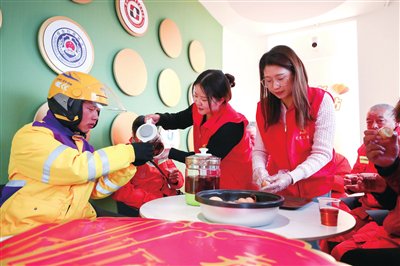
Group 1 - The article highlights a community initiative called "Winter Warmth Delivery" organized by the Party branch of Qiujiayang Community in Huzhou, aimed at providing warmth and support to local workers such as delivery personnel and sanitation workers [3] - Volunteers distributed hot ginger tea and tea eggs to express sincere greetings and appreciation for the hard work of these individuals [3] - This action reflects the community's commitment to social responsibility and support for essential workers during the winter season [3]
安徽小伙辍学卖馒头 开成中国第一包子股 今年已赚13亿元
2 1 Shi Ji Jing Ji Bao Dao· 2025-12-26 12:07
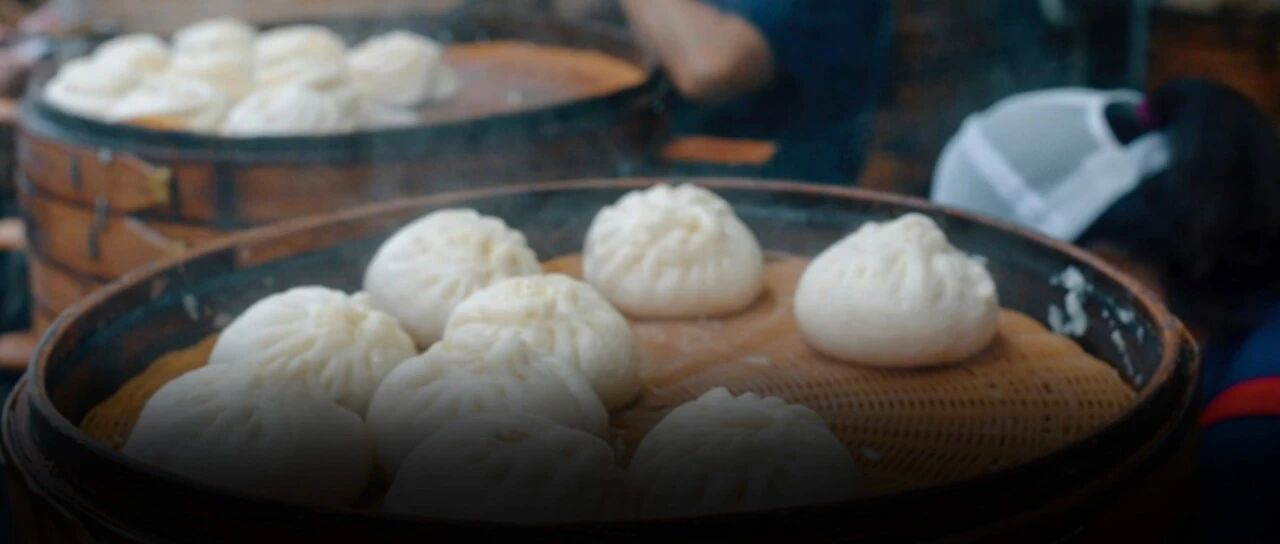
Company Overview - Babimantou, a listed company, operates in the breakfast sector, traditionally viewed as a small business with low customer spending and labor-intensive operations [2] - The company primarily sells a variety of buns, including vegetable, meat, and sweet options, along with other breakfast items like tea eggs and soy milk [2] Founder Background - The founder, Liu Huiping, started his career as a painter at the age of 17 before learning to make pastries from relatives [2] - He opened his first store, "Liu Shifu Da Bao," in Shanghai in 2001, and later rebranded to Babimantou in 2003 [2] Financial Performance - For the first three quarters of 2025, Babimantou reported a revenue of 1.356 billion yuan, representing a year-on-year growth of 12.05% [2] - The net profit attributable to the parent company was 201 million yuan, an increase of 3.5% compared to the previous year [2] - The company is actively expanding its presence across the country [2]

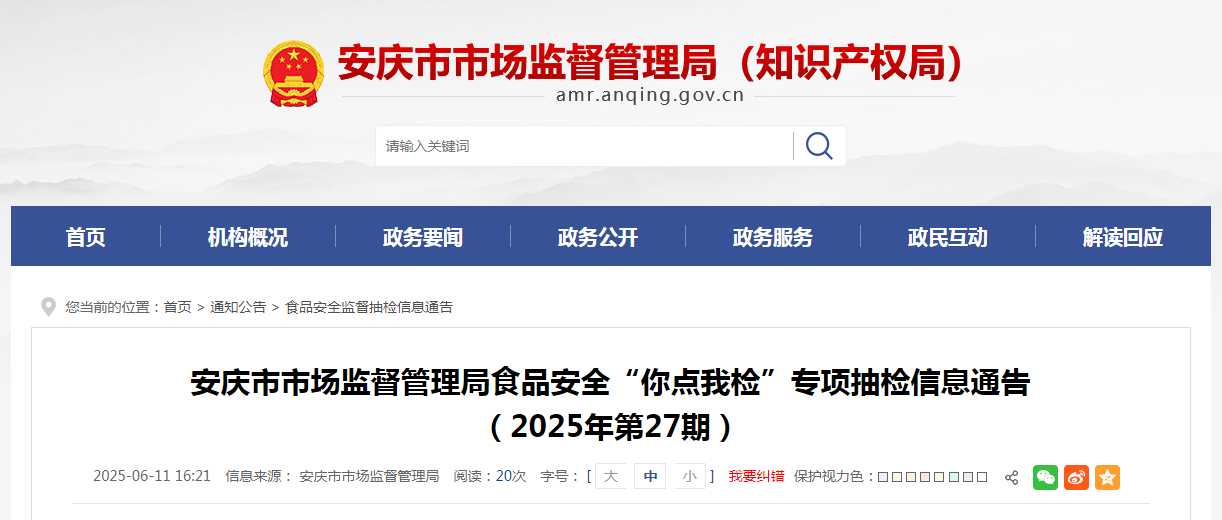
安徽省安庆市市场监督管理局食品安全“你点我检”专项抽检信息通告(2025年第27期)
Zhong Guo Zhi Liang Xin Wen Wang· 2025-06-12 08:05
Core Points - The Anqing Market Supervision Administration conducted a food safety inspection, collecting 63 samples from various food categories based on consumer preferences, resulting in 61 compliant samples and 2 non-compliant samples [2] Group 1: Non-Compliant Products - Two batches of bananas sold on Meituan were found to contain pesticide residues (thiamethoxam) exceeding national food safety standards, with results of 0.12 mg/kg and 0.15 mg/kg, while the standard limit is ≤0.02 mg/kg [2] Group 2: Compliant Products - A total of 61 samples from various food categories, including restaurant food, snacks, pastries, alcoholic beverages, grain products, frozen foods, and agricultural products, passed the safety inspection [2]
便利店调改:能否挽救萎缩的利润?
虎嗅APP· 2025-03-02 13:00
Core Viewpoint - The convenience store industry is facing significant challenges, including increased competition and declining sales in traditional categories, prompting operators to adapt their business models and product offerings to meet changing consumer demands [2][4][5]. Group 1: Store Adjustments - Operators like Yuan Peng have implemented store renovations and product adjustments, introducing hot food equipment and school-related items, resulting in a 30% increase in customer traffic and a 50% rise in gross margin [3][4]. - The adjustments are driven by the need to align product offerings with local consumer preferences, particularly in school areas where demand for specific items is high [3][4]. - Effective supply chain management is crucial for the success of these adjustments, as new product categories can lead to inventory management challenges [3][4]. Group 2: Industry Challenges - The convenience store sector is experiencing pressure from the expansion of snack and discount stores, which offer lower prices and a wider variety of products, negatively impacting convenience store sales [4][5]. - Sales of high-end tobacco and alcohol products have declined, leading to inventory buildup and reduced revenue for convenience stores [4][5]. - Despite a compound annual growth rate of 17.4% in sales over the past nine years, profitability remains a significant issue for the industry, as exemplified by the struggles of foreign brands like 7-Eleven and FamilyMart [6][7][8]. Group 3: Shift to Food Services - In response to revenue pressures, convenience stores are increasingly focusing on fresh food offerings, which have higher profit margins, to offset losses in other product categories [10][11]. - The introduction of dining areas and fresh food stations aims to attract more customers, but this shift poses operational challenges, including space constraints and the need for specialized staff [11][12]. - The success of fresh food offerings in lower-tier markets is uncertain, as local preferences may not align with the products typically offered by foreign brands [12][13]. Group 4: Product Differentiation - Global trends show that convenience stores, such as those in Japan, are diversifying their product ranges to include non-traditional items like clothing and small appliances, moving away from a food-centric model [16][17]. - This diversification strategy aims to enhance store efficiency and sales without opening new locations, but it also increases operational complexity and inventory management challenges [17][18]. - The balance between expanding product categories and maintaining core competencies in convenience and food offerings is critical for long-term success [19].