
远征

Search documents
投放策略优化 冰川网络预计去年业绩大幅扭亏
Xin Lang Cai Jing· 2026-01-29 13:37
Group 1 - The core viewpoint of the news is that Glacier Network (300533.SZ) expects a significant turnaround in net profit for 2025, projecting a profit of 436 million to 516 million yuan, compared to a loss of 247 million yuan in the previous year [1] - The company anticipates a non-recurring net profit of 379 million to 459 million yuan for 2025, up from a loss of 310 million yuan in the previous year [1] - The expected growth in performance is attributed to a substantial reduction in sales expenses in the first three quarters of 2025, as the company optimizes its product launch strategies and controls the investment in marketing [1] Group 2 - Despite the positive outlook for 2025, the company recorded a net loss in the fourth quarter, estimated between 14 million and 66 million yuan, primarily due to increased sales expenses related to the launch of the new product "X-Clash" [2] - "X-Clash," a survival card strategy mobile game, began global testing in April 2025 and saw significant marketing efforts starting in October 2025, achieving a peak ranking of 67 in the US iOS sales chart [2] - The marketing strategy for "X-Clash" differs from previous products, focusing on localized distribution of various sub-gameplays tailored to different regions [2]

智元投资【今日宜休】背后:生态布局,还是求生之道?
机器人大讲堂· 2026-01-21 09:05
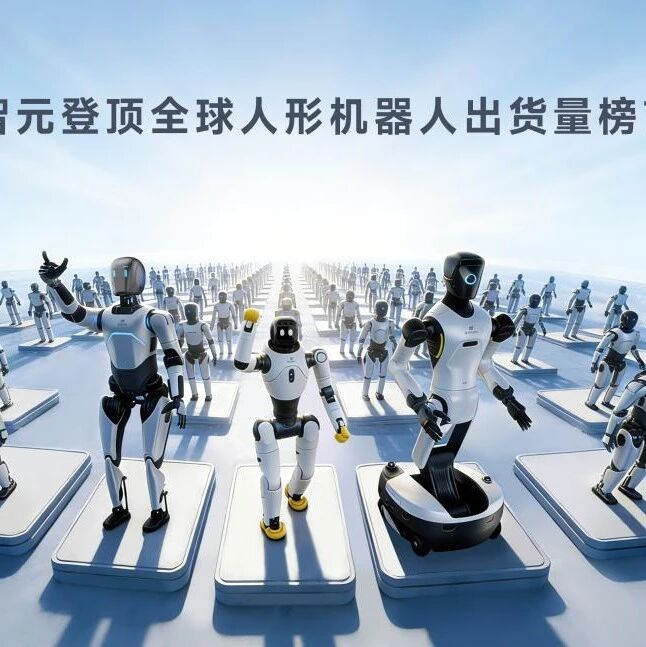
Core Viewpoint - The article discusses the strategic moves of Zhiyuan Robotics, highlighting its investment in the sleep technology company "Today Yixiu" as part of a broader strategy to transition from a robotics product company to an ecosystem platform company [4][22]. Group 1: Investment and Strategic Moves - Zhiyuan Robotics has invested in "Today Yixiu," a smart sleep company founded by former Xiaomi executive Wang Teng, which recently completed a seed round financing of several tens of millions [1][3]. - The investment reflects Zhiyuan's recognition of Wang Teng's team's product capabilities and a deeper need for cash flow, technology validation, and data assets amid challenges in robot sales [3][4]. - This move is seen as a potential commercialization pathway for Zhiyuan, aiming to leverage AI and sensor capabilities in the sleep and health sectors, which are closer to monetization compared to humanoid robots [20][21]. Group 2: Current Challenges and Market Dynamics - Despite achieving significant milestones, such as becoming the top global humanoid robot supplier and securing large contracts, the industry faces challenges, including high costs that limit consumer adoption [6][8]. - The average price of mainstream humanoid robots ranges from 100,000 to 500,000 RMB, making them unaffordable for average households [9]. - The industry is currently struggling with a lack of generalized capabilities, which restricts manufacturers to a B2B model, hindering entry into consumer markets [9][10]. Group 3: Ecosystem Development and Future Plans - Zhiyuan is shifting its focus from solely selling complete robots to building an ecosystem, similar to Google's approach with Android [10][11]. - The company has launched the "Zhiyuan A Plan" to incubate over 50 high-potential early-stage projects and aims to create a trillion-level industry ecosystem within three years [12][14]. - The establishment of "Qing Tian Rent," a robot leasing platform, addresses affordability issues, with a goal of serving over 400,000 rental customers by 2026 [16][21]. Group 4: Long-term Vision and Market Positioning - Zhiyuan's strategy includes diversifying its offerings to ensure survival and growth, even if humanoid robot sales take time to ramp up [22][24]. - The company is not solely relying on a sudden surge in robot sales but is also focusing on components, platform revenue sharing, and AI applications in various sectors [24]. - The success of Zhiyuan's transformation will not only impact its future but also serve as a reference for the entire humanoid robotics industry [24].

刚刚,稚晖君发布的人形机器人Q1,小到能塞进书包
机器之心· 2025-12-31 08:11
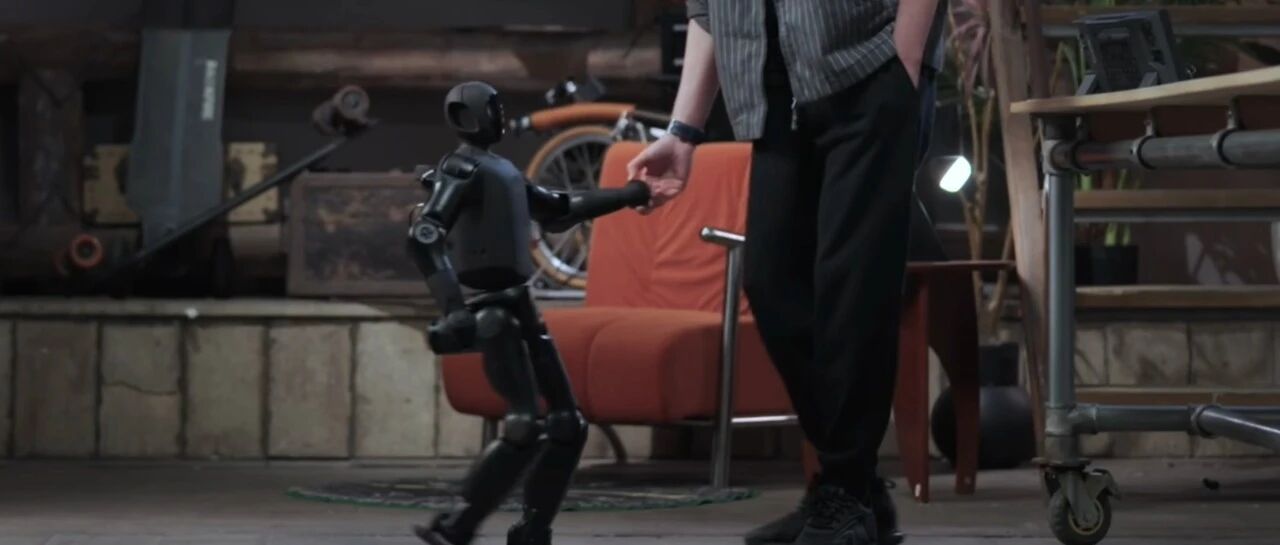
Core Viewpoint - The article discusses the launch of Q1, the world's first small-sized humanoid robot by Zhiyuan Robotics, which aims to redefine personal robotics by combining full-size robot capabilities with a compact design [1][4][24]. Group 1: Product Features and Innovations - Q1 is designed to maintain the capabilities of full-sized humanoid robots while significantly reducing research costs and physical interaction barriers [6][15]. - The robot features whole-body control (WBC), allowing it to coordinate multiple degrees of freedom for precise task execution [15][22]. - Q1 utilizes a modular hardware design, enabling easy replacement of parts and user customization through 3D printing [12][8]. Group 2: Market Position and Strategy - Zhiyuan Robotics targets both academic research teams and the hardcore hobbyist market, providing open development tools and interfaces [8][24]. - The company has rapidly increased its valuation to 15 billion RMB within three years and has made strategic moves, including acquiring a controlling stake in a listed company to pivot towards robotics [24][26]. - The launch of Q1 is expected to make humanoid robots more accessible to ordinary users, expanding the market for personal robotics [27][28]. Group 3: Technical Challenges and Achievements - The development of small-sized humanoid robots like Q1 presents significant challenges, including high integration requirements and advanced manufacturing processes [20][21]. - Q1's QDD joints represent a breakthrough in miniaturization, achieving high torque density in a compact form, which enhances its performance [18][22]. - The company has reached a milestone of 5,000 units produced, indicating strong demand and successful scaling of production [26].
堪称疯狂!涨停板封单远超甚至总股本,资金疯抢锋龙股份!午后仍有46亿元资金排队,优必选重磅出手,锋龙股份要复制上纬新材10倍涨幅?
Jin Rong Jie· 2025-12-25 07:23
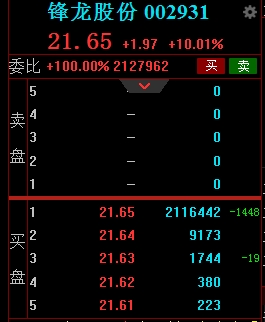
Core Viewpoint - The acquisition of Fenglong Co., Ltd. by UBTECH, the "first humanoid robot stock," has led to a significant surge in Fenglong's stock price, with a limit-up of 10.01% to 21.65 CNY per share, and a massive order volume on the limit-up board [1][2][3] Group 1: Stock Performance - Fenglong Co., Ltd. opened at a limit-up price of 21.65 CNY per share, with a limit-up order volume reaching 459.89 million shares, which is more than double its total share capital of 219 million shares [1] - As of the afternoon, the order volume on the limit-up board remained above 216 million shares, indicating over 4.6 billion CNY queued for purchase, while Fenglong's market capitalization was only 4.343 billion CNY [1] Group 2: Acquisition Details - Fenglong announced the signing of a share transfer agreement with UBTECH, where 65.53 million unrestricted shares, accounting for 29.99% of the total share capital, will be transferred at a price of 17.72 CNY per share, totaling approximately 1.161 billion CNY [3] - Following the transaction, UBTECH will acquire approximately 93.96 million shares of Fenglong, representing 43% of the total share capital, for a total consideration of about 1.665 billion CNY [3] Group 3: Market Context - The acquisition has sparked a rally in the A-share robotics sector, with multiple stocks, including Haoshi Electric and Shoukai Co., hitting their limit-ups, and other stocks like Aifute rising over 14% [2] - The situation draws parallels to the significant stock performance of Shuangwei New Materials, which saw a 10-fold increase after a similar acquisition in the robotics sector earlier this year [3][4]


全球人形机器人调研纪要(2025)
Robot猎场备忘录· 2025-12-19 04:44
Core Insights - The humanoid robot sector is currently experiencing unprecedented attention globally, particularly in China, where it is supported by policies and government funds, indicating a promising future for the industry [2][24]. Group 1: Market Dynamics - The humanoid robot market is characterized by a competition among major players, with many startups likely to fail in the commercialization process. Most large companies are still in the early stages of development, with no commercially viable bipedal humanoid robots available yet [3][24]. - The primary focus of major automotive and tech companies is on self-research and investment in embodied intelligence, but they lack expertise in manufacturing and core component development, which is crucial for humanoid robots [3][24]. Group 2: Investment Trends - The primary market remains vibrant, with continued capital enthusiasm and the emergence of new startups. However, there are various "non-consensus" views within the industry, and the window of opportunity has not yet closed [4]. - The secondary market is seeing significant gains, particularly in the upstream supply chain, with companies linked to Tesla's Optimus project experiencing substantial stock price increases [4][13]. Group 3: Commercialization Progress - By 2025, leading humanoid robot companies are expected to achieve initial commercialization, with domestic companies showing progress that exceeds that of their foreign counterparts. However, the actual commercial scenarios remain limited to research, education, and entertainment [5][24]. - The distinction between "hardware-first" and "software-first" approaches among domestic startups is evident, with hardware-focused companies prioritizing educational and research applications, while software-focused companies emphasize AI capabilities [5][6]. Group 4: Technological Developments - The dual-system architecture, specifically the VLA model, has emerged as the mainstream technical path in the field of embodied intelligence, with no consensus reached on technology convergence yet [9][24]. - The development of dexterous hands and multi-modal tactile sensors is gaining traction, as these components significantly influence the overall performance of humanoid robots [11][24]. Group 5: Future Outlook - The aging care sector is anticipated to become a key focus area for humanoid robot startups, reflecting the growing demand for robotic solutions in healthcare and elder care [12][24]. - The IPO rush among leading startups indicates a shift towards the secondary market, with companies like Zhiyuan Robotics and Yushun Technology initiating their IPO processes [12][24].


报价哄抬至1亿元,机器人双雄宇树、智元争抢国内顶级营销资源,马年春晚赞助商资格大战打响,智元机器人回应
Jin Rong Jie· 2025-12-10 09:43
Group 1 - The core competition between Yushun Technology and Zhiyuan Robotics is intensifying as they vie for sponsorship rights for the 2026 Spring Festival Gala, with Yushun's bid escalating to 100 million yuan [1][2] - The Spring Festival Gala is considered a prime advertising resource, and the current bid of 100 million yuan has deterred many other companies in the embodied intelligence sector [2][4] - Yushun Technology's humanoid robot H1 gained significant attention during the 2025 Spring Festival Gala, leading to a surge in interest in robot marketing strategies across various events [1][4] Group 2 - Yushun Technology has transitioned to a joint-stock company, indicating a completed shareholding reform, and is preparing for an A-share IPO with guidance from CITIC Securities [5][6] - Zhiyuan Robotics is pursuing a more indirect route to the stock market, attempting to acquire a controlling stake in a listed company through a combination of agreement transfer and tender offer [8][9] - The acquisition of shares in Shangwei New Materials by Zhiyuan Robotics has resulted in a significant ownership stake, positioning it as a major player in the robotics sector [10][11] Group 3 - The competition between Yushun Technology and Zhiyuan Robotics extends to the capital market, with both companies adopting different strategies to enhance their market presence [5][8] - Yushun Technology's founder, Wang Xingxing, holds a substantial share of the company, controlling approximately 34.76% of the equity [6][10] - The recent announcements and activities from Shangwei New Materials suggest a strategic pivot towards robotics, although the company has clarified that its robotics business is still in the development phase [11][12]

稚晖君最新188机器人,阅后即焚
量子位· 2025-11-13 00:49
Core Viewpoint - The article discusses the rapid rise of the company "Shangwei New Materials" in the context of its acquisition by "Zhiyuan Robotics," highlighting a significant stock price increase and the implications of entering the embodied intelligence robotics sector [3][26][45]. Group 1: Company Overview - Shangwei New Materials, established in 2020 and listed on the STAR Market, specializes in environmentally friendly high-performance corrosion-resistant materials and new composite materials [33]. - Zhiyuan Robotics, founded in February 2023, is led by former Huawei executive Deng Taihua and focuses on various commercial applications of robotics [31]. Group 2: Acquisition Details - Zhiyuan Robotics completed its acquisition of Shangwei New Materials through a combination of agreement transfer and tender offer, marking a significant shift in control [34][39]. - The acquisition process began with a public announcement on July 8, leading to a stock price surge of 1083.42% from July 9 to July 30, making it one of the first tenfold stocks in the A-share market for 2025 [35]. Group 3: Market Reaction - Following the announcement of new products by Zhiyuan Robotics, Shangwei New Materials' stock experienced a strong surge, reaching a limit-up on November 11, driven by market excitement despite the lack of substantial product demonstrations [12][20]. - The article notes that the stock price rose from 7 yuan in July to 130 yuan by November 11, reflecting the market's speculative interest in the embodied intelligence sector [25]. Group 4: Business Implications - Despite the stock price increase, the robotics business is still in the development stage and has not yet generated revenue or profit, with limited expected impact on financial performance until 2025 [27][44]. - Shangwei New Materials maintains its primary focus on its original materials business, emphasizing that the robotics venture is independent and still under development [43][42].

智元机器人完成股改;美团入局AI编程丨科技风向标
2 1 Shi Ji Jing Ji Bao Dao· 2025-11-11 02:46
Group 1: AI and Technology Developments - Meituan has launched its first AI IDE product, CatPaw, which is currently in public testing and focuses on agent-driven programming with features like code completion and project debugging [2] - WeRide has received approval from the UAE government to operate a fully autonomous Robotaxi service in Abu Dhabi, marking a significant milestone in the Middle East for autonomous driving [13] - Baidu's Xiaodu AI glasses Pro have officially launched at a price of 2,299 yuan, with promotional pricing available, positioning it as a competitor in the AI eyewear market [25] Group 2: Corporate Actions and Financial Updates - Zhiyuan Robotics has undergone a corporate restructuring, changing its name and type to a joint-stock company, indicating a shift towards a more formal corporate structure [3] - Wenta Technology announced the completion of asset transfers related to a major sale, although some payments remain outstanding, totaling 700 million yuan and 1.61 billion yuan for various transactions [4] - Demingli is in the early stages of planning a refinancing initiative, with no specific details on the amount or method yet available, indicating potential future capital raising [6] Group 3: Partnerships and Agreements - Zhongbei Communication has signed a 1 billion yuan framework agreement with Hongxin Electronics for comprehensive computing services, highlighting a strategic partnership in high-performance computing [12] - China Mobile has participated in the D-round financing of New Stone Unmanned Vehicles, focusing on joint development in 5G vehicle networking and autonomous driving logistics [23] Group 4: Market and Regulatory Updates - The Ministry of Industry and Information Technology has reported that 39 apps, including Changba, have been flagged for violating user privacy rights, indicating increased regulatory scrutiny in the tech sector [7] - Arm plans to acquire DreamBig Semiconductor for $265 million to expand its presence in the data center and networking sectors, with the deal expected to close in the fourth quarter of the 2026 fiscal year [15][16]
智元机器人完成股改;美团入局AI编程丨新鲜早科技
2 1 Shi Ji Jing Ji Bao Dao· 2025-11-11 02:31
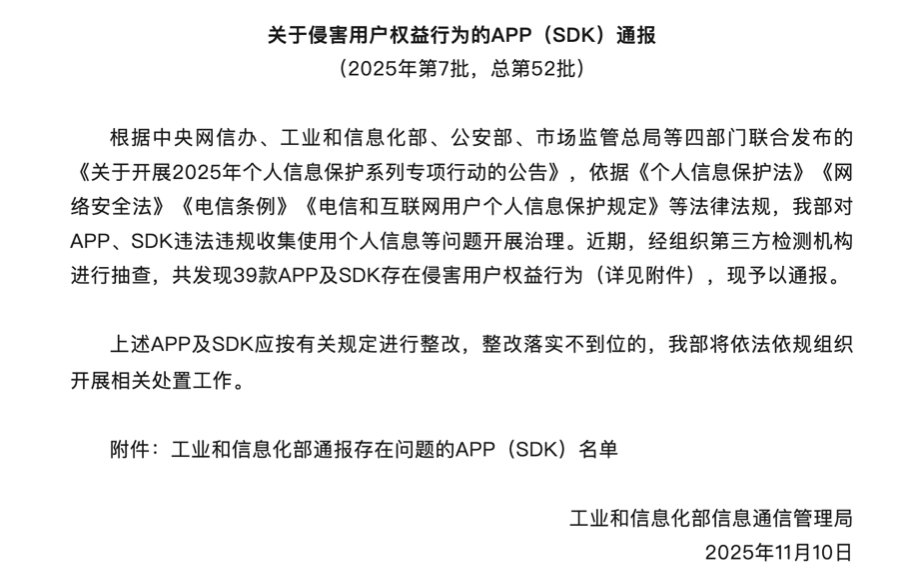
Group 1: Technology Developments - Meituan has launched its first AI IDE product, CatPaw, which is currently in public beta and features intelligent programming capabilities such as code completion and project debugging [2] - ZhiYuan Robotics has undergone a corporate restructuring, changing its name and type to a joint-stock company, indicating growth in the humanoid robotics sector [3] - Baidu's Xiaodu AI glasses Pro have officially launched at a price of 2,299 yuan, marking a significant entry into the AI eyewear market [23] Group 2: Corporate Transactions and Financial Updates - Wenta Technology announced the completion of asset transfers related to its sale to Luxshare Precision, with outstanding payments totaling 2.31 billion yuan yet to be settled [4] - Demingli is in the early stages of planning a refinancing initiative, with no specific details on the amount or method yet available [6] - Zhongbei Communication signed a 1 billion yuan comprehensive service framework agreement with Hongxin Electronics for high-performance computing resource services [10] Group 3: Industry Regulations and Compliance - The Ministry of Industry and Information Technology reported that 39 apps, including Changba, were found to be in violation of personal information protection regulations [7] - Douyin e-commerce clarified that rumors regarding penalties for selling Moutai below market price are unfounded, as the platform is focusing on combating false advertising [5] Group 4: Investment and Financing Activities - Tangjing Quantum has secured funding to accelerate technology development and expand production in the compound semiconductor materials sector [22] - China Mobile participated in the D-round financing of New Stone Unmanned Vehicles, aiming to enhance collaboration in 5G vehicle networking and autonomous driving [21] - Lingzhi Software is planning to acquire 100% of the shares of Kaimiride through a combination of cash and stock issuance, indicating a significant move in the financial IT services market [19]



达成合作意向60.48亿元!第四届大湾区服贸会闭幕
Nan Fang Du Shi Bao· 2025-11-06 11:44
Core Insights - The Fourth Guangdong-Hong Kong-Macao Greater Bay Area Service Trade Conference was held from October 31 to November 2 in Zhuhai, attracting approximately 14,000 attendees and featuring 296 participating companies from 38 countries and regions, a one-third increase from the previous year [1] Mechanism Innovation - The conference established a new operational model characterized by "government guidance, demand orientation, and market operation," shifting service trade from "display and communication" to "practical transactions" [2] - A total of 35 thematic roadshows were organized, attracting 58 well-known investment institutions, highlighting the vitality and effectiveness of market-oriented mechanisms [2] - Eleven major international cooperation projects were signed during the opening ceremony, with a total contract value of 1.105 billion yuan, showcasing the competitiveness of the Greater Bay Area service trade in the international market [2] Technology Empowerment - The conference emphasized the practical application of technology, integrating artificial intelligence with real-world scenarios to facilitate the transition from "technology display" to "commercial landing" [3] - Various AI applications, including multilingual robots and AI simultaneous interpretation, were showcased, enhancing international communication [3] - The event featured a comprehensive display of solutions across the hardware-software-algorithm-scene chain, demonstrating the maturity of commercial applications [3][4] Market Expansion - The conference focused on integrating service trade with emerging market development, aiming to establish a comprehensive channel network connecting Hong Kong, Macao, and Latin America [6] - The event successfully facilitated trade expansion and investment cooperation, achieving significant results in project bidding and market outreach [6] Regional Collaboration - The conference deepened the "one conference, three regions" linkage mechanism, with Hong Kong achieving record-high bidding amounts and Macao hosting 116 targeted negotiations [7] - Various specialized activities were held to build a comprehensive service system covering market access, technical standards, and cross-border compliance [7] - The conference achieved a simultaneous enhancement in scale and cooperation quality, creating a three-dimensional cooperation network that connects global innovation resources [7]