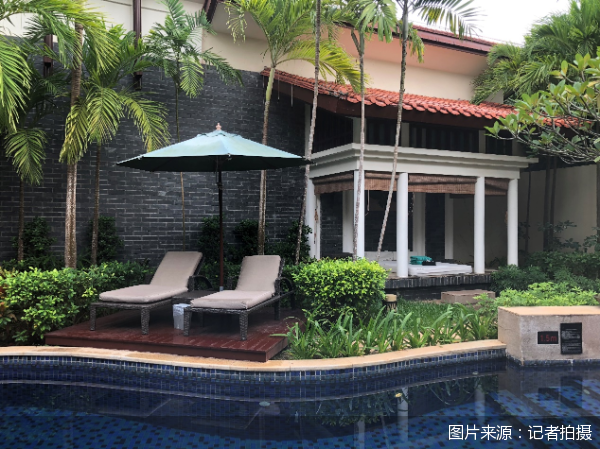
避寒游产品

Search documents
“探亲+旅游”成春节假期新标配
Jin Rong Shi Bao· 2026-02-24 01:33
Core Insights - The 2026 Spring Festival holiday, known as the "longest ever," saw significant travel activity, with many people returning home or traveling for leisure, highlighting a trend of "reverse reunion" where children send parents to major cities [1][4]. Group 1: Travel Trends - Traditional cultural experiences remain a major draw for domestic tourism during the Spring Festival, with destinations like Harbin and indoor ski resorts gaining popularity [1][6]. - The trend of "home tourism" has surged, with local and nearby attractions seeing over 100% growth in bookings from residents in central and western cities [2][3]. - The demand for long-distance outbound travel has increased significantly, with popular destinations like Milan seeing hotel bookings rise over 200% compared to the previous year [7]. Group 2: Reverse Reunion Phenomenon - The "reverse reunion" trend has emerged, with older travelers flying to major cities to celebrate the holiday with their children, leading to a fivefold increase in ticket sales for certain routes [4][5]. - Young adults are increasingly taking the initiative to host their parents in urban settings, shifting the traditional family reunion dynamics [4][5]. Group 3: Winter and Escape Tourism - Winter tourism remains a popular choice, with destinations in Northeast China and indoor ski resorts attracting significant interest [6]. - Southern destinations like Hainan and Guangdong are favored for winter escapes, with high demand for leisure and wellness tourism [6]. Group 4: Outbound Travel Growth - The Spring Festival holiday has stimulated outbound travel, particularly to nearby Asian countries, with family groups being the primary travelers [7]. - The Winter Olympics in Milan has also contributed to increased travel interest, with families combining event attendance with sightseeing [7].
机构:北京位列春节传统文化游热门目的地TOP1
Bei Jing Shang Bao· 2026-01-30 09:31
Group 1 - The core theme of the report highlights three main travel trends for the Spring Festival: traditional cultural experiences, ice and snow tourism, and winter escape destinations [1][2] - Major historical cities such as Beijing, Guangzhou, Chengdu, Xi'an, and others are attracting attention for traditional cultural tourism, with activities like temple fairs and making intangible cultural heritage crafts being popular among tourists [1] - Ice and snow tourism is seeing a peak in destinations like Harbin, Changchun, and Xinjiang, with nearly 80% of ice tourism users coming from southern regions, particularly from major cities like Beijing, Shanghai, and Jiangsu-Zhejiang [1] Group 2 - Southern destinations such as Hainan, Guangdong, and Yunnan are preferred by northern tourists seeking to escape the cold, with high demand for island leisure, hot spring vacations, and wellness tourism [2] - The report indicates a growing trend towards deeper and fragmented travel experiences during the 9-day Spring Festival holiday, with Tuniu users averaging 5.9 days of travel, an increase of 1.1 days compared to the previous year [2] - For domestic travel, users spent an average of 2.9 days on nearby trips and 5.6 days on long-distance trips during the holiday [2]

每日焦点!春节旅游市场新观察·品质化、复合型体验成2026年春节旅游消费鲜明趋势
Yang Shi Wang· 2026-01-30 08:20
Group 1 - The core viewpoint of the article highlights a significant surge in the Chinese Spring Festival tourism market, driven by a combination of family-oriented travel, cultural experiences, and themed hotel bookings, with a notable increase of over 90% in bookings for family theme park hotels compared to the previous year [2] - The tourism market is expected to set new records during the 2026 Spring Festival, fueled by trends such as family travel and cultural experiences, indicating a shift towards quality and diversified travel experiences [2] - Popular travel destinations include both snow and warm weather locations, with significant growth in bookings for places like Sanya and Haikou in Hainan, which have seen nearly a 100% increase in reservations [2] Group 2 - The average travel duration remains predominantly between 5 to 7 days, while mid-holiday travel is emerging as a new trend, with a more than 30% increase in bookings for mid-holiday travel products compared to last year [2] - The peak for mid-holiday travel is expected on the third day of the Lunar New Year, with bookings on that day showing an increase of over 40% compared to the same period in 2025 [2] - The director of the China Tourism Research Institute, Dai Bin, anticipates that various forms of tourism, including cultural and educational travel, will lead to record-high travel numbers among urban and rural residents [3]


元旦“小长假”,点燃消费热潮
Zhong Guo Zheng Quan Bao· 2025-12-24 13:36
Core Insights - The upcoming New Year's holiday in 2026 is expected to significantly boost consumer spending and travel, characterized by increased bookings and diverse travel options [1] Group 1: Consumer Trends - The search interest for keywords related to the New Year holiday has surged over 280% month-on-month, with overall booking heat for major travel products up nearly 30% compared to the same period last year [2] - The demand for high-quality experiences is evident, with the average spending of the "post-90s" demographic increasing by 17%, while bookings from the "post-05" age group have skyrocketed by 130% [2] Group 2: Travel Preferences - Northern and Southern themed travel is thriving, with ice and snow tourism being particularly popular, as seen in Harbin's sold-out tickets for its ice festival [3] - The demand for warm-weather destinations in the South is also high, creating a dynamic travel pattern between the North and South [3] Group 3: Economic Impact - The "performing arts economy" is driving significant consumer spending, with cities like Nanning experiencing a 17-fold increase in hotel bookings due to a star-studded New Year's concert [3] - The pursuit of "ceremonial consumption" has led to a rise in unique experiences, with searches for events like New Year's fireworks and concerts increasing over 500% [3] Group 4: Market Dynamics - The surge in consumer activity is attributed to optimized holiday policies, released consumer demand, and innovative supply-side strategies, with a 90% booking rate for New Year-related products [4] - The changing consumer preferences reflect a shift towards emotional experiences and social value, prompting suppliers to innovate from standardized products to personalized offerings [4] - The 2026 New Year holiday is anticipated to mark a strong start for the consumer market, showcasing a diverse and quality-driven consumption landscape [4]
冬日经济|冰雪游成“双循环”新引擎:入境订单翻倍增长、小雪场订单增2.6倍
Di Yi Cai Jing· 2025-12-04 09:27
Core Insights - The "ice and snow economy" is transforming China's tourism narrative, becoming a significant driver of consumption upgrades and industry integration [1] - The ice and snow tourism sector is transitioning from initial scale expansion to a new cycle characterized by structural optimization and innovative models [1] Group 1: Policy and Market Trends - Jilin Province has established an "ice and snow holiday" from December 3 to 7, 2025, to promote ice sports and boost the local market [3] - During the "ice holiday," local travel bookings in Jilin surged, with a week-on-week increase of over 6.5 times for local day tours [3] - Hotel bookings in Changchun increased by nearly 20% year-on-year, while major scenic spots in Yanbian saw a more than 240% increase in bookings [3] Group 2: Market Growth and Consumer Behavior - The number of ski resorts in China has reached 748, with winter ski visits exceeding 26.05 million, a year-on-year increase of 12.9% [4] - Domestic ski and ice attraction ticket bookings have surged by approximately 70% year-on-year, with overseas bookings increasing by 50% [4] - The trend of longer stays is emerging, with hotel bookings for two nights increasing by 5% and three to four nights by 3% in key ice regions [6] Group 3: Evolving Consumer Preferences - The demand for diverse experiences beyond skiing is growing, with tourists seeking comprehensive vacation experiences that include leisure and entertainment [6] - The market is seeing a shift towards more affordable and accessible skiing options, with bookings for mid-sized ski resorts increasing by 2.6 times [7] - Southern users represent nearly 70% of ice tourism bookings, indicating a strong interest in traveling north for snow experiences [5] Group 4: International and Domestic Circulation - The inbound ice tourism market is experiencing explosive growth, with orders nearly doubling year-on-year, particularly from regions like Hebei and Xinjiang [7] - Outbound ice tourism is also gaining traction, with bookings for Russian hotels increasing by over 20% year-on-year, driven by visa-free policies [8]
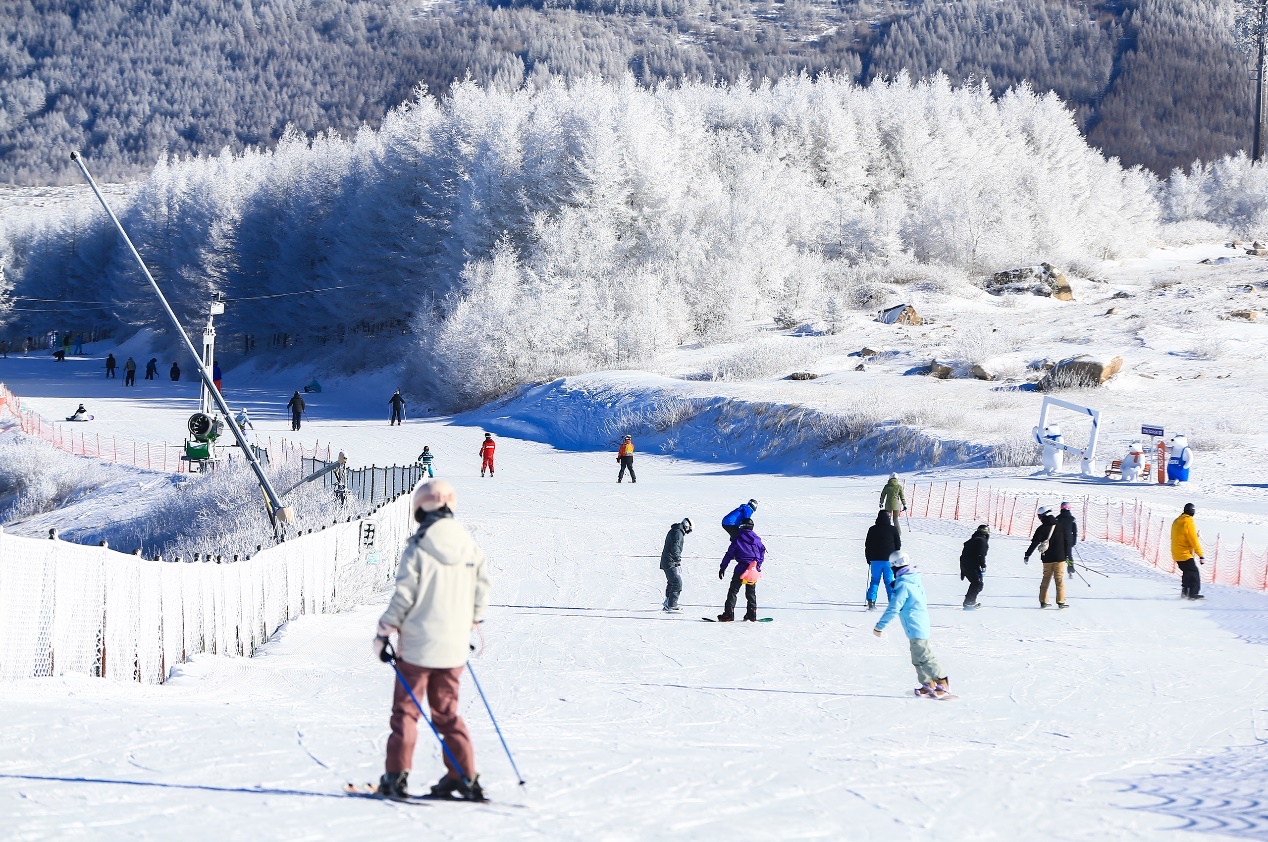
冬季旅游市场升温 “北上追雪”“南下避寒”成消费热潮
Zheng Quan Shi Bao Wang· 2025-12-04 06:41
Group 1: Winter Tourism Trends - The winter tourism trend is gaining momentum as cold weather approaches, with popular destinations including Harbin, Beijing, Changchun, and Shenyang for ice and snow tourism [1] - Southern users show a strong interest in ice and snow tourism, accounting for nearly 70% of bookings, with cities like Shanghai, Nanjing, and Guangzhou leading the demand for "northward snow chasing" [1] - The main demographic for ice and snow tourism consists of families with children from the 80s and 90s, as well as younger travelers from the 00s, who prefer activities like skiing and snow sightseeing [1] Group 2: Southern Escape Trends - There is a significant demand from northern tourists for "southward escape" from the cold, with increased bookings noted since December, particularly from cities like Beijing and Tianjin [1] - The primary demographic for southern escape tourism includes older adults aged 60 and above, who are becoming a key segment in this market [1] - Popular destinations for northern users seeking warmth include Sanya, Haikou, Guangzhou, Shenzhen, and various locations in Yunnan [1] Group 3: Holiday Travel Trends - As December progresses, there is a rise in bookings for New Year’s and winter vacation trips, with over 80% of travelers being families from the 80s and 90s, emphasizing the importance of the New Year experience [2] - Family-oriented trips to island destinations like the Maldives and Indonesia are particularly popular during the winter vacation period [2] - New visa-free policies have made destinations like Russia, Egypt, and the Caucasus region attractive for winter travel, alongside popular European routes [2] Group 4: Domestic Travel Preferences - Leading domestic travel destinations include Beijing, Guangzhou, Sanya, and Shanghai, with a strong preference for ice tourism, theme parks, and cultural experiences [2] - The winter vacation travel market is expected to gradually increase from late January 2026, with peak travel anticipated from February 12 to February 22 [2]
“避寒游”预订升温 云南建水等小城走热
Bei Jing Shang Bao· 2025-11-11 02:16
Core Insights - The trend of "southern migration" for winter escape is gaining momentum, with a significant increase in flight bookings to warmer destinations like Hainan, Yunnan, and Guangxi, showing a year-on-year growth of approximately 100% from October 18 to November 10 [1][2] - There is a notable shift towards lesser-known destinations such as Jian Shui in Yunnan and Ba Ma in Guangxi, indicating a desire for new experiences among travelers [2] - The middle-aged and elderly demographic remains the primary market for winter travel, accounting for nearly 35% of travel participants [3] Travel Trends - The booking volume for long-term stays in southern provinces has increased by about 20% year-on-year, with a more than 10% rise in bookings for stays of 7 days or more [4] - The demand for larger accommodations is evident, with over 81% of long-term stay bookings being for multi-bedroom properties, particularly those with three beds, which saw a growth of over 22% [4] Popular Activities - The "hot spring +" vacation model is becoming increasingly popular, with significant booking activity in hot spring resorts and hotels in locations like Tengchong and Guangzhou [5] Market Preparation - Travel companies are proactively preparing for the upcoming New Year and Spring Festival markets, with enhanced product offerings that include cultural experiences and family-friendly activities [6][7] - The extended 9-day holiday for the 2026 Spring Festival is influencing family travel plans, prompting families to coordinate longer trips to popular destinations like Hainan [6][7]
“避寒游”预订升温:云南广西小城热度攀升,长租民宿受追捧
Bei Jing Shang Bao· 2025-11-10 09:52
Core Insights - The trend of "southern migration" for winter escape is gaining momentum among middle-aged and elderly tourists, with flight bookings to warm destinations like Hainan, Yunnan, and Guangxi seeing a year-on-year increase of approximately 100% from October 18 to November 10 [1][3] - There is a growing interest in lesser-known destinations such as Jian Shui in Yunnan and Ba Ma in Guangxi, alongside traditional spots like Sanya and Guangzhou, indicating a shift in tourist preferences [3][4] - The demand for long-term stays, particularly for 7 days or more, has increased by over 10%, with middle-aged travelers making up a significant portion of this market [6][4] Travel Trends - Popular winter escape destinations are primarily located in Guangdong, Hainan, Guangxi, and Yunnan, with Sanya, Guangzhou, and Guilin leading in booking popularity [3] - The "hot spring+" vacation model is becoming increasingly popular, with significant booking activity in areas known for their hot springs, such as Tengchong and Guangzhou [7] Market Dynamics - The upcoming 2026 Spring Festival, which will feature a 9-day holiday, is prompting families to plan long trips, further boosting the winter travel market [9] - Travel companies are proactively preparing for the New Year and Spring Festival markets by diversifying their offerings, including cultural experiences and family-friendly activities [10]