部分农产品

Search documents
欧盟据悉评估美国新关税或高于协议15%上限 涉及42亿欧元商品
Xin Lang Cai Jing· 2026-02-25 17:59
Core Viewpoint - The new tariff plan by U.S. President Donald Trump will impose tariffs exceeding the 15% cap set by the U.S.-EU trade agreement on approximately €4.2 billion ($5 billion) worth of EU export goods [1] Group 1: Tariff Implications - The new policy will raise tariffs on European export goods such as cheese, butter, certain agricultural products, and various plastic products, textiles, and chemicals above the agreed maximum level [1] - Some products, including certain spirits, will see tax rates lower than the 15% threshold [1]
瑞士通过与美国贸易协议谈判授权
Shang Wu Bu Wang Zhan· 2026-01-15 16:54
Core Viewpoint - The Swiss Federal Council has officially authorized negotiations with the United States for a legally binding trade agreement aimed at reducing tariffs on Swiss imports and paving the way for a comprehensive trade deal [1] Group 1: Trade Agreement Details - The decision was made after consulting the parliamentary Foreign Affairs Committee and various states [1] - The U.S. will set a cap on additional tariffs for Swiss goods at 15%, down from a previous 39%, effective retroactively from November 14 [1] - In exchange, Switzerland agrees to lower tariffs on certain U.S. products, including fish, seafood, and some agricultural products deemed non-sensitive [1]
瑞士政府:将降低美国鱼类、海鲜及部分农产品的出口关税。
Xin Lang Cai Jing· 2025-12-10 16:10
Core Point - The Swiss government plans to reduce export tariffs on American fish, seafood, and certain agricultural products, which may enhance trade relations and market access for these goods [1] Group 1 - The reduction in tariffs is expected to benefit American exporters by making their products more competitive in the Swiss market [1] - This policy change reflects a broader trend of trade liberalization and could lead to increased imports of American agricultural products into Switzerland [1] - The specific details regarding the percentage reduction in tariffs and the categories of agricultural products affected have not been disclosed [1]

欧盟要购买美国能源取代俄罗斯油气,俄方回应:将导致欧洲去工业化
Sou Hu Cai Jing· 2025-07-29 07:52
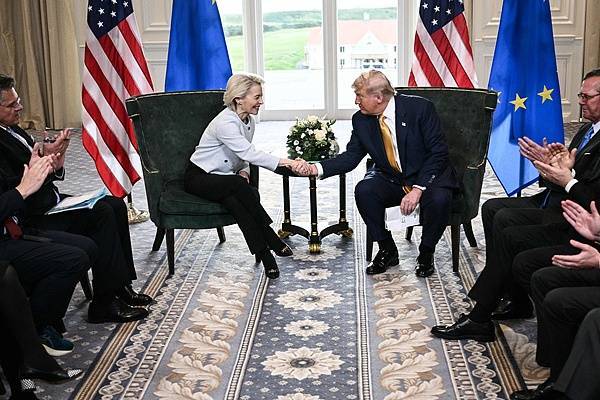
Core Points - The EU and the US have reached a new trade agreement aimed at avoiding a larger trade war, with the EU committing to stop importing Russian oil and gas in exchange for reduced US tariffs [1][3] - The EU plans to purchase $750 billion worth of energy products from the US over the next three years, diversifying its energy sources and enhancing energy security [1][4] - The agreement includes a 15% tariff on US imports from the EU, but certain categories will have zero tariffs, which has raised concerns among some European officials about the balance of the deal [4][5] Group 1 - The EU will completely abandon imports of Russian oil and gas, opting instead to purchase American energy, which is expected to contribute to European energy security [1] - The EU's energy purchases from the US will include liquefied natural gas, oil, and nuclear fuel, with a clear goal to eliminate reliance on Russian fossil fuels by 2027 [1][3] - The agreement is seen as beneficial primarily to the US, with critics arguing it could lead to deindustrialization in Europe and increased energy costs [3][4] Group 2 - The deal is expected to result in an additional $600 billion investment from the EU into the US, which some European officials view as detrimental to local employment and industry [4][5] - The agreement has faced criticism for being unbalanced, with concerns that it mirrors previous US trade tactics that pressured other nations [4][5] - European leaders have expressed dissatisfaction with the agreement, viewing it as a capitulation to US interests at the expense of European economic strength [5]