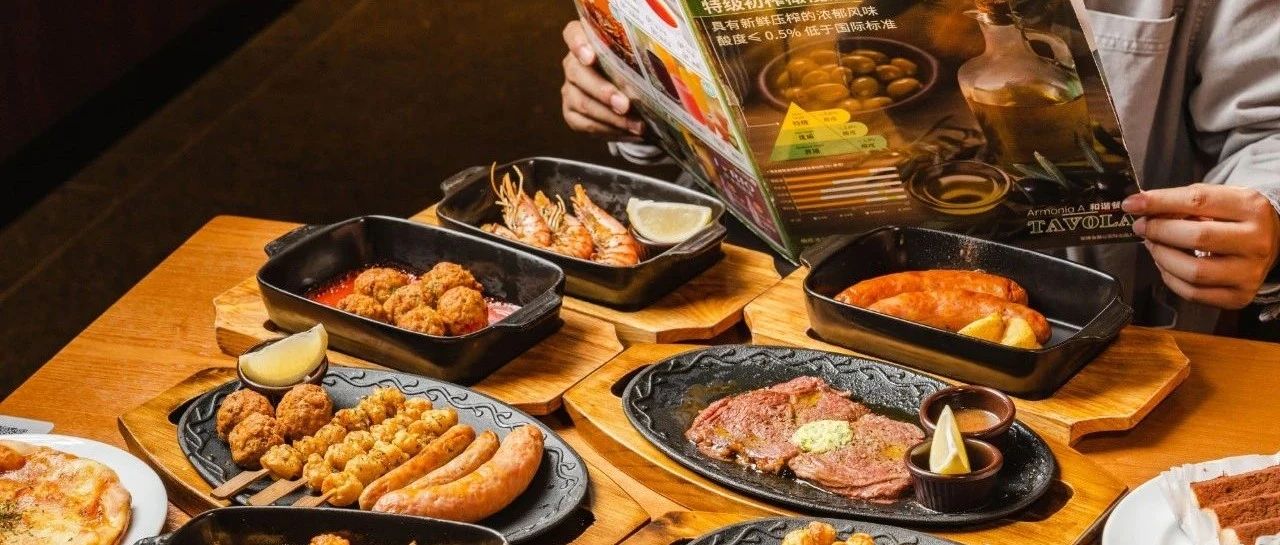
金枪鱼沙拉

Search documents
「抠出」极致性价比的萨莉亚,为何今天在中国市场也难赚钱了? | 声动早咖啡
声动活泼· 2026-02-02 09:06
Core Viewpoint - The article discusses the challenges faced by Salia, a popular low-cost Western restaurant chain in China, as it experiences a slowdown in growth despite its historical success and cost-cutting strategies [3][6][11]. Group 1: Company Background and Growth - Salia was founded in the late 1960s in Japan, initially struggling with high prices and low customer traffic until it adopted a low-cost model, which became its brand identity [4]. - The company expanded into China in 2003, quickly growing its presence in major cities like Shanghai and Beijing, capitalizing on the demand for affordable Western dining [5][6]. - In the 2023 fiscal year, Salia reported a nearly 30% increase in overall revenue, with the Chinese market contributing about 80% of its overseas earnings [6]. Group 2: Recent Challenges - Despite previous growth, Salia's revenue in China only increased by 6.3% in the 2025 fiscal year, with significant profit declines in major cities like Beijing, Shanghai, and Guangzhou [6][9]. - The company has faced rising operational costs, leading to price increases on menu items, which have eroded its competitive pricing advantage [7][8]. - The saturation of the market in first-tier cities has resulted in intense competition among Salia's own stores, negatively impacting profitability [9][11]. Group 3: Market Dynamics - The Chinese restaurant industry is experiencing a slowdown, with the market size expected to grow only 3.5% by 2025, significantly lower than previous years [10]. - Salia's reliance on external suppliers in China contrasts with its successful vertical supply chain in Japan, limiting its ability to control costs and quality [10]. - The rise of new competitors offering similar value propositions has intensified the competitive landscape, challenging Salia's market position [11].

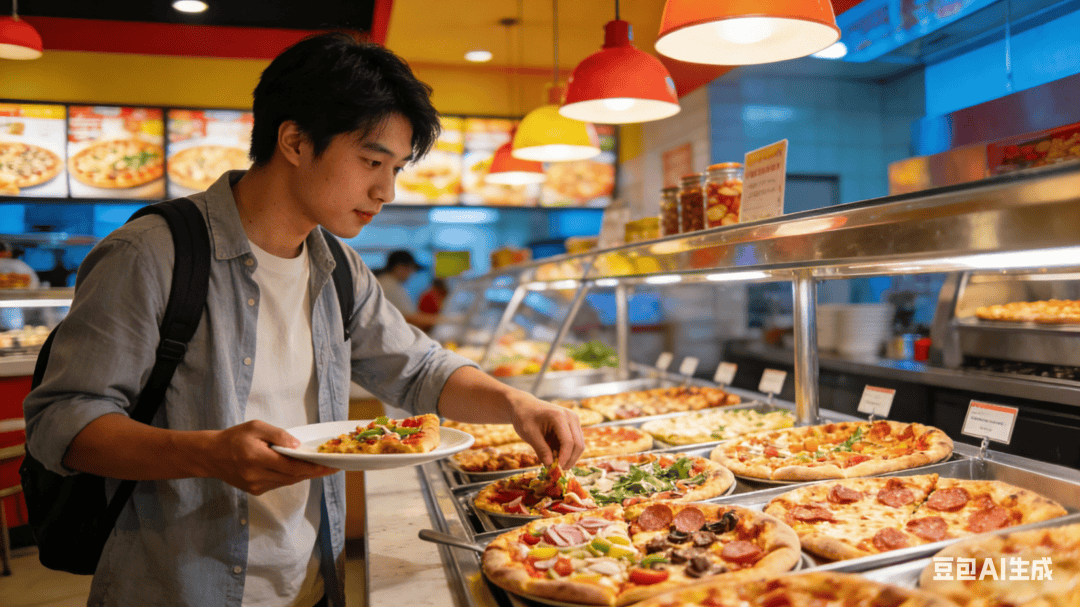
一年卖出14亿,「穷鬼披萨」冲刺IPO
Sou Hu Cai Jing· 2026-01-24 00:09
Core Insights - The article discusses the challenges faced by Big Pizza, a self-service pizza brand, as it aims for rapid expansion amid high debt and intense competition in the market [2][3]. Company Background - Big Pizza, founded by a couple from Northeast China, has been in the self-service pizza industry for 24 years and is now seeking to become the first self-service pizza brand listed on the Hong Kong Stock Exchange [3][4]. - The brand has expanded from a single store in Beijing to 387 locations across 127 cities, with plans to add 610 to 790 more stores by 2028 [8][9]. Financial Performance - Revenue has increased significantly, with 2025 revenue reaching 13.89 billion yuan, surpassing the total for 2024 [9][10]. - Despite revenue growth, net profit margins have declined, with 2023 net profit margin at 5.04%, dropping to 3.64% in 2024, and slightly recovering to 3.72% in the first three quarters of 2025 [10]. Market Strategy - Big Pizza's strategy includes a focus on affordability, with self-service prices as low as 39.9 yuan, and a diverse product offering that includes over 100 SKUs [5][9]. - The brand has adopted a "thin profit, high volume" model, which requires high operational efficiency to avoid losses [10]. Competitive Landscape - The company faces significant competition in the southern market from established brands like Salia and Domino's, which have a strong foothold and consumer loyalty [11][12]. - Big Pizza's market presence is stronger in northern regions, with plans to penetrate the southern market, which presents challenges due to differing consumer preferences [11][12]. Financial Risks - Big Pizza has a high debt ratio of 93% as of September 2025, with a net current liability of 275.8 million yuan, indicating financial strain [12]. - The company's expansion strategy relies heavily on self-operated stores, which require substantial capital investment, raising concerns about cash flow and operational sustainability [12].
除了麦当劳,这些洋快餐近期也涨了!
Sou Hu Cai Jing· 2025-12-16 20:11
Core Viewpoint - McDonald's has raised prices on various menu items, with increases ranging from 0.3 to 1 yuan, sparking significant online discussion and concern among consumers [1][3]. Price Increases - Multiple breakfast combo prices have increased by 0.3 to 1 yuan, with classic items like the Bacon Cheeseburger and Big Mac seeing a 1 yuan increase [1]. - Snack items such as McNuggets and fries have also seen price hikes of 0.5 to 1 yuan [1]. - The "1+1 Flexible Combo," previously priced at 13.9 yuan, remains unchanged, but adding a double cheeseburger incurs an additional 1 yuan charge [1]. Consumer Reaction - The price increase quickly became a trending topic on social media, with over 9.35 million views on platforms like Xiaohongshu [3][4]. Company Response - McDonald's China stated that it aims to provide high-quality meals and value options, confirming the price increase effective December 15, 2025, while also promoting ongoing discount campaigns [4]. - This marks the second price increase for McDonald's in 2023, following a previous adjustment in February where prices rose by 0.5 to 2 yuan for various breakfast items [4]. Industry Trends - McDonald's has implemented multiple small price increases over recent years, with significant adjustments noted in December 2021 and January 2023 [5]. - Other fast-food brands, such as KFC and Salia, have also raised prices, citing rising costs of raw materials and operations, with KFC announcing a 2% average price increase in late 2024 [5][6]. - The fast-food industry faces ongoing challenges in balancing cost control with customer retention, particularly among price-sensitive consumers [6].


不遭骂的“预制菜之王”萨莉亚,开始没人去了
3 6 Ke· 2025-11-18 09:55
Core Insights - The core identity of Salvia in the Chinese market, characterized by low prices, is beginning to weaken as the company faces increased competition and rising costs [1][17][19]. Financial Performance - In the fiscal year 2025, Salvia's global sales reached 256.71 billion yen (approximately 12.1 billion RMB), a year-on-year increase of 14.3%, with net profit rising by 37% to 11.16 billion yen (approximately 530 million RMB) [2]. - However, revenue from the Chinese market was only 70.96 billion yen (approximately 3.3 billion RMB), reflecting a modest growth of 6.3%, primarily driven by new store openings [2][22]. - The operating profit in key markets like Beijing, Shanghai, and Guangzhou has declined significantly, with drops exceeding 20% [2][22]. Pricing Strategy - Salvia has historically been known for its affordability, but recent years have seen a shift with price increases. The average customer price in overseas markets rose from 627 yen (approximately 30 RMB) in 2021 to 886 yen (approximately 42 RMB) in 2025 [17]. - Despite a previous commitment to not raise prices in China, Salvia has begun to increase prices on select menu items, with cumulative price hikes reaching 16.7% over two years [18][19]. Market Challenges - The competitive landscape in the Chinese restaurant industry has intensified, with many brands lowering prices while Salvia has raised them, leading to a potential erosion of its value proposition [4][34]. - Consumer dissatisfaction has emerged due to perceived reductions in portion sizes and quality, contributing to a decline in customer visits [20][21]. Expansion and Strategy - Salvia plans to expand its presence in China, aiming to increase the number of stores from 615 to nearly 1000 by 2035, with a focus on lower-tier cities [33]. - The company is also adapting its strategy by exploring delivery options, albeit cautiously, to address changing consumer behaviors [27][31]. Supply Chain and Operational Efficiency - Salvia has invested in local supply chain capabilities, including a new factory in Guangzhou, to reduce reliance on external suppliers and maintain its pricing advantage [36]. - The company employs a central kitchen model to enhance operational efficiency, which has been a key factor in its ability to offer low prices [12][36].
北上广开餐饮店太难,连萨莉亚都很难赚钱?
3 6 Ke· 2025-10-20 03:23
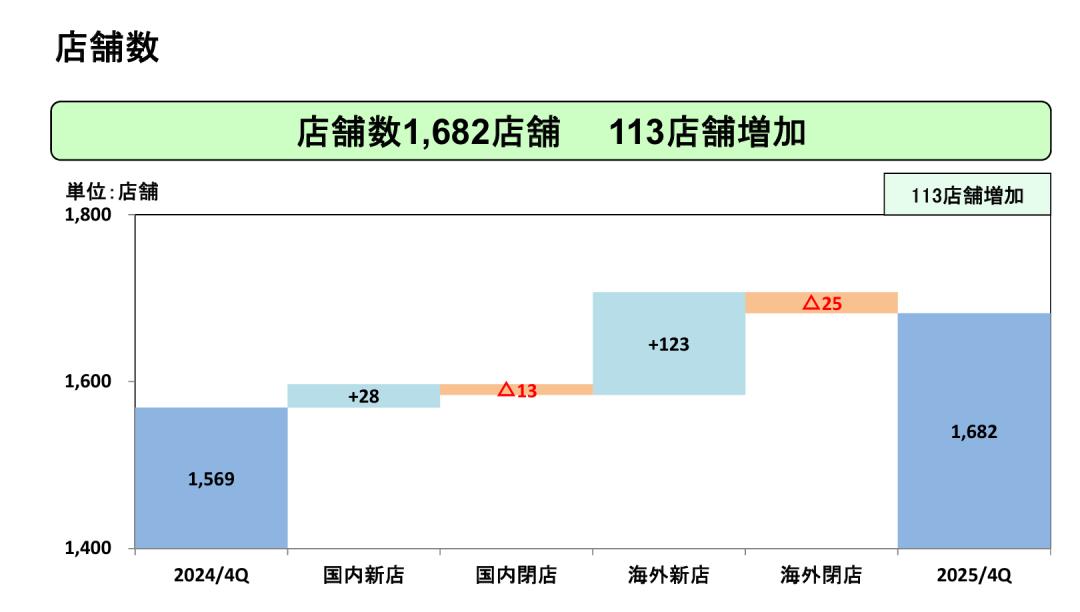
Core Insights - Sally's profitability is under pressure in the Chinese market despite overall growth in sales and net profit for the fiscal year 2025 [2][3][4] Group 1: Financial Performance - For the fiscal year 2025, Sally's total sales reached 256.71 billion yen, a year-on-year increase of 14.3%, with net profit at 11.16 billion yen, up 37% [2] - The Asian segment, primarily driven by the Chinese market, generated sales of 83.80 billion yen, a 7.4% increase, but operating profit declined by 12.8% [4] - In major cities like Shanghai, Guangzhou, and Beijing, sales were 21.90 billion yen, 24.50 billion yen, and 8.81 billion yen respectively, with growth rates of 2.4%, 6.6%, and 2.3% [7] Group 2: Market Challenges - Same-store sales in the Chinese market have been consistently declining, particularly in the North, East, and South regions [8][9] - Operating profits in Shanghai, Guangzhou, and Beijing fell by 23.6%, 27.3%, and 20.3% respectively, indicating a significant drop in profitability despite increased store openings [7] Group 3: Strategic Initiatives - Sally plans to continue its expansion strategy, with 40 new stores in Japan and 121 in overseas markets, including China and Southeast Asia, for the fiscal year 2026 [12] - The company is also investing approximately 30 million USD to build a new factory in Guangzhou to reduce ingredient costs and improve operational efficiency [16] - Sally has established a wholly-owned subsidiary in Wuhan to manage its restaurant operations, signaling a push into the central China market [14]

广东人最捧场的萨利亚,又偷偷涨价了
创业邦· 2025-07-19 10:20
Core Viewpoint - SAIZERIYA, a Japanese Italian restaurant chain, is significantly increasing its investment in the Chinese market, establishing new subsidiaries and expanding its presence in various cities, particularly in Central China [4][5][6]. Group 1: Company Expansion - SAIZERIYA announced the establishment of a wholly-owned subsidiary in Wuhan with a registered capital of 3 billion yen (approximately 147 million yuan) to manage its restaurants in the city [4]. - The company is also setting up a new parent company in China, with a registered capital of about 300 million yen (approximately 15 million yuan), aimed at managing all SAIZERIYA outlets in China [4]. - As of now, SAIZERIYA has nearly 500 stores in China, with a significant concentration in Guangdong, where the Guangzhou branch manages 222 restaurants [6][8]. Group 2: Financial Performance - For the fiscal year 2025, SAIZERIYA reported a sales revenue of 188.34 billion yen (approximately 9.09 billion yuan), a year-on-year increase of 15.4%, with a net profit of 7.78 billion yen (approximately 376 million yuan), up 50.4% [9]. - The Asian segment, primarily driven by the Chinese market, generated sales of 63.06 billion yen (approximately 3.05 billion yuan), reflecting a 10.5% increase and accounting for over 30% of SAIZERIYA's total revenue [9]. Group 3: Market Strategy - SAIZERIYA is aggressively expanding into lower-tier cities, having opened its first stores in places like Zhaoqing and Jiangyin this year, and aims to penetrate the Central China market with the new Wuhan subsidiary [13]. - The company plans to invest approximately 30 million USD (about 215 million yuan) in a new factory in Guangzhou to support its expansion, with the goal of increasing its store count to 1,000 in China [15]. - Despite the expansion, SAIZERIYA has faced challenges in profitability, with a 5.4% decline in operating profit for the Asian segment, indicating that the push for growth may be impacting margins [15]. Group 4: Pricing Strategy - SAIZERIYA has begun to increase menu prices after previously stating it would not do so, with price hikes of 1-2 yuan on various dishes due to rising raw material costs [16]. - Specific price increases include the garlic chicken bacon cheese baked rice, which rose from 18 yuan to 19 yuan, and the truffle chicken cheese baked rice, which increased from 20 yuan to 21 yuan [16].