
金豆豆

Search documents
压岁钱都买了黄金!“小孩姐”三年攒出40多克“小金库”,账面价值已翻倍
Sou Hu Cai Jing· 2026-02-19 01:13
Core Insights - The article highlights a unique approach to managing and investing "lucky money" during the Chinese New Year, focusing on two sisters in Hangzhou who have successfully turned their monetary gifts into a significant investment in gold, doubling their value over three years [1][3]. Group 1: Investment Strategy - The sisters decided to invest their "lucky money" and birthday gifts into physical gold, specifically gold beans, after being inspired by a casual conversation about gold investment returns [1][3]. - They each invested over 10,000 yuan in gold beans, which have appreciated significantly due to rising gold prices, resulting in each sister holding over 40 grams of gold [3]. Group 2: Financial Education - The initiative was not solely about profit; it aimed to instill a sense of financial responsibility in the children, teaching them to manage their own money effectively [4]. - The experience has led to the development of good financial habits, such as comparing prices and distinguishing between needs and wants, which are essential skills for future financial management [3][4].

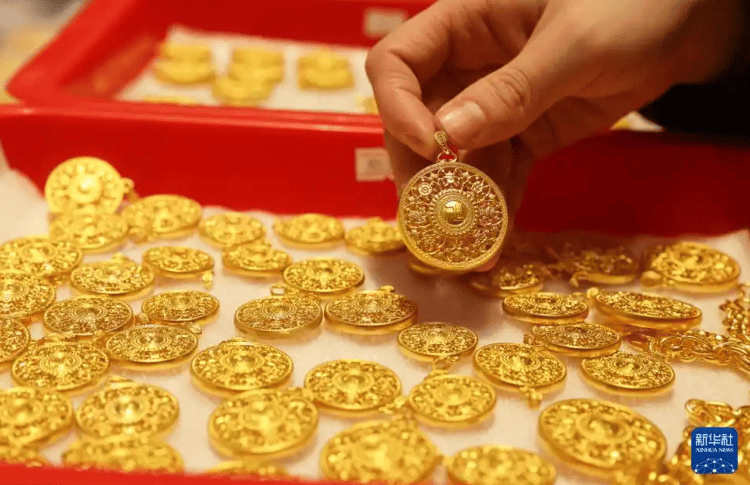
“小孩姐”用压岁钱买黄金,三年攒的“小金库”账面价值翻倍
Sou Hu Cai Jing· 2026-02-18 13:08
Core Insights - The article highlights a unique approach taken by two sisters in Hangzhou who have successfully invested their red envelope money into gold over three years, resulting in a significant increase in value as gold prices have surged to historical highs [1][3]. Group 1: Investment Strategy - The sisters decided to convert their red envelope money into physical gold, specifically gold beans, after being inspired by a casual conversation about gold investment returns [3][4]. - They each invested over 10,000 yuan in gold beans, which have now appreciated to a value of over 40 grams each, effectively doubling their initial investment [3][4]. Group 2: Financial Education - The investment experience has instilled valuable financial habits in the children, such as comparing prices and distinguishing between needs and wants [4][5]. - The mother emphasizes that the goal was not merely to make money but to teach the children responsibility over their finances, leading to broader life lessons beyond just the investment [5].
杭州一对姐妹用压岁钱购买3年黄金,母亲:两姐妹各自手握40多克金豆豆
Sou Hu Cai Jing· 2026-02-18 11:29
Core Insights - The article highlights a unique approach taken by two sisters in Hangzhou who have successfully invested their red envelope money into gold over three years, resulting in a significant increase in value as gold prices have surged to historical highs [1][2]. Investment Strategy - The sisters, aged 12 and 11, decided to invest their red envelope money into physical gold after a casual conversation with their mother about her own gold investments, demonstrating an early understanding of financial literacy [2]. - They opted for physical gold, specifically gold beans, over paper gold due to the tangible nature of the investment, which provided them with a sense of security [2]. Financial Growth - Over the three years, each sister accumulated over 40 grams of gold, and the value of their investments has doubled alongside rising gold prices [2][3]. - The article notes that the sisters' initial investment of over 10,000 yuan each has significantly appreciated, showcasing the potential benefits of investing in gold [2]. Financial Education - The experience has instilled valuable financial habits in the sisters, such as price comparison and distinguishing between needs and wants, indicating that the investment journey has been more about financial responsibility than merely profit [3]. - The mother emphasizes that the goal was not solely to make money but to teach her children to be responsible with their finances, which has led to broader life lessons beyond just the investment [3].
两姐妹3年用压岁钱攒下40多克黄金
Xin Lang Cai Jing· 2026-02-18 10:02
Core Viewpoint - Two sisters in Hangzhou have saved over 40 grams of gold using their New Year's money over three years, reflecting a unique approach to financial responsibility and investment at a young age [1] Group 1: Investment Behavior - The sisters decided to invest their New Year's money in gold, specifically in gold beans, which have minimal processing fees [1] - Each sister contributed over 10,000 yuan, leading to a significant accumulation of gold as the price of gold increased [1] Group 2: Financial Education - The mother emphasized that the goal was not to make money but to teach the children to be responsible for their finances [1] - The experience has provided the children with valuable lessons beyond just accumulating gold [1]
今日金价,黄金、白银、铂金、钯金全线收涨,国际金价单日暴涨,国内金店价格却纹丝不动
Sou Hu Cai Jing· 2026-02-07 17:41
Core Viewpoint - The global precious metals market experienced a significant reversal on February 7, 2026, with gold prices reaching $4962.65 per ounce, marking a more than 5% increase, the largest single-day rise since the 2008 financial crisis. Silver prices surged over 10%, surpassing $79 per ounce, while domestic gold consumption remained stable, highlighting a disconnect between international and local market perceptions [1][3]. Group 1: Market Dynamics - The international precious metals market saw widespread gains, with platinum prices rising over 8% to around $2450 per ounce, and palladium also recording significant increases. The trading volume of gold futures surged by 45%, indicating that institutional investors were repositioning rather than retail investors [3]. - Domestic gold prices showed a mixed response, with the Shanghai Gold Exchange's gold T+D product increasing by 2.19% to 1104.00 yuan per gram, while bank investment gold bars saw a decline, reflecting a complex pricing mechanism influenced by brand premiums and operational costs [3][11]. - The pricing strategy of brand gold stores reinforces the independence of domestic gold prices, with significant premiums over the international gold price due to brand image and cultural recognition [11][13]. Group 2: Economic Influences - Weak economic data, particularly a lower-than-expected private sector job growth in the U.S., dampened expectations of an overheating economy and prolonged high interest rates, leading to a decline in the U.S. dollar index and making gold an attractive safe-haven asset [5]. - Geopolitical tensions, particularly between U.S. forces and Iranian-backed groups, have heightened market risk aversion, contributing to the demand for gold as a hedge against uncertainty [5][10]. - The recent technical rebound in gold prices was driven by short covering and opportunistic buying after a significant drop in late January, indicating a volatile market sentiment [6]. Group 3: Structural Changes - The gold market is undergoing a structural shift, with central banks increasing their gold reserves significantly, as evidenced by a net purchase of 53 tons in October 2025, reflecting a long-term strategic shift away from the dollar [8][19]. - The demand for gold jewelry in China is evolving, with younger consumers driving new trends and redefining gold as a financial product rather than just a traditional gift [10][16]. - The volatility in the precious metals market has reached historical highs, prompting banks to increase margin requirements and risk management measures to mitigate the impact of price fluctuations [8][16]. Group 4: Future Outlook - Major investment banks have adjusted their gold price forecasts, with Goldman Sachs raising its 2026 target price to $5400 per ounce, indicating strong bullish sentiment despite potential economic downturns [19]. - The traditional negative correlation between the U.S. dollar index and gold prices is changing, as gold is increasingly viewed as a strategic asset for hedging against sovereign credit risks [17][19]. - The current market dynamics suggest a complex interplay of various investor types, including quantitative funds and retail investors, which complicates the overall market behavior and pricing strategies [19].
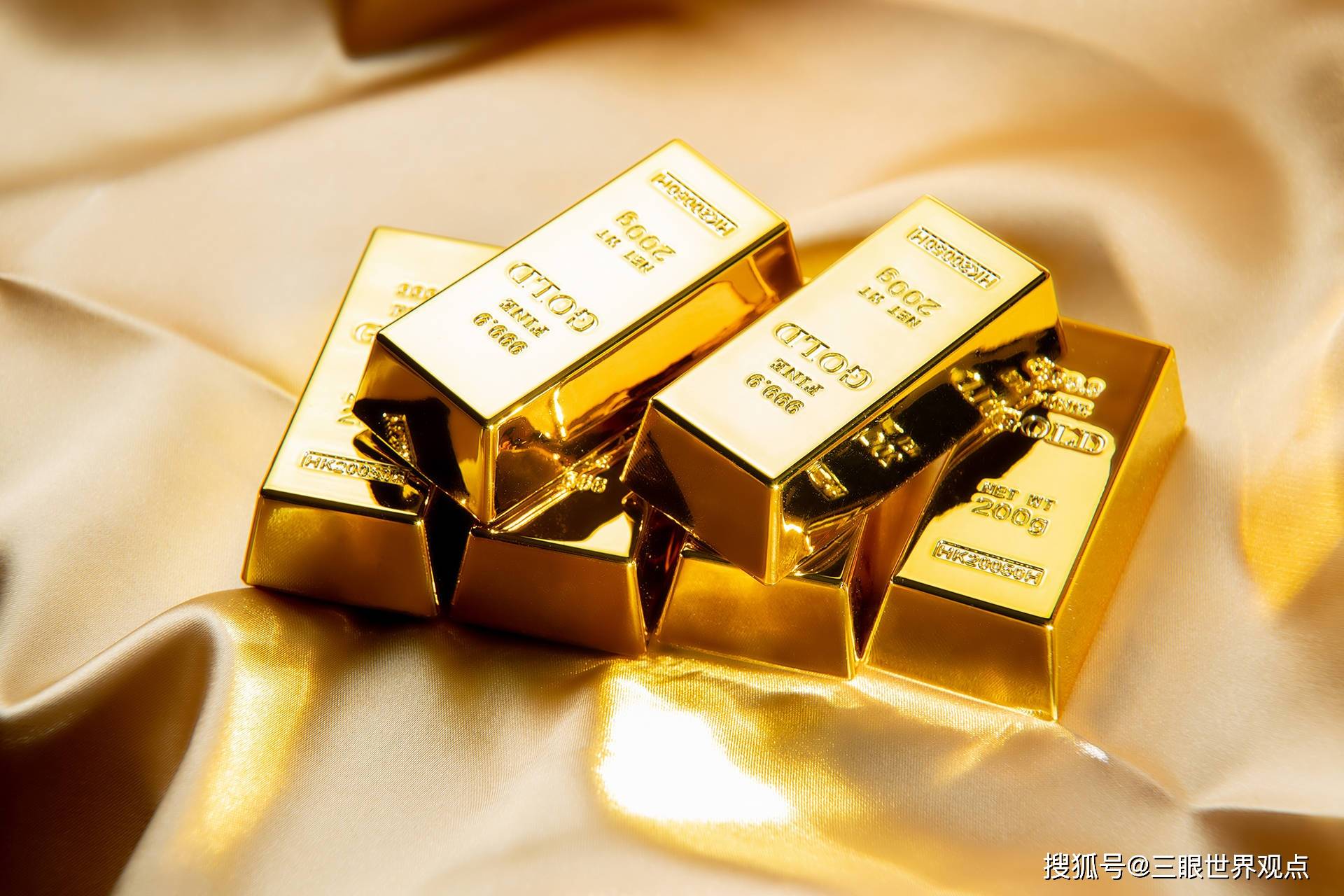
黄金突破5500美元那一秒,三类人做了完全相反的决定:只有一种选择不会亏!
Sou Hu Cai Jing· 2026-01-29 14:10
Group 1 - The core point of the article is that the recent surge in gold prices, breaking the $5500 per ounce mark, reflects heightened geopolitical tensions, particularly signals from U.S. President Trump regarding potential military action against Iran, which has ignited safe-haven demand for gold [2][4]. - The article highlights that this rapid increase in gold prices is the fastest recorded in history, with a rise of $500 in just four days, representing an increase of over 10% [2][4]. Group 2 - Hedge fund managers view the rising gold prices as an opportunity, understanding that the logic behind such increases is straightforward: the more global instability, the more valuable gold becomes. Historical data shows that gold has averaged an 18% increase during periods of geopolitical conflict over the past decade [4]. - In contrast, a jewelry store owner perceives the price surge as a source of stress, as higher costs for purchasing gold lead to customer hesitance and fluctuating inventory values. The owner expresses relief when prices stabilize, allowing for better inventory management [9][10]. - A retired teacher, representing ordinary consumers, expresses anxiety about whether to invest in gold, driven by concerns over inflation and the value of money. She ultimately decides to wait for a price correction before making a purchase, viewing gold as a source of security rather than an investment strategy [12][14]. Group 3 - The article concludes that the $5500 gold price milestone is a reflection of global risk aversion, emphasizing that individual decisions to buy gold should be based on personal objectives rather than market prices, as different stakeholders perceive the same price movement in vastly different ways [16].
黄金“狂飙”,入场还是“等待”?
Xin Lang Cai Jing· 2026-01-18 21:31
Core Viewpoint - The gold price has surged, reaching a historical high of over $4,640 per ounce, with a cumulative increase of over 7% since 2026, reflecting a strong market trend in gold investment and consumption [1] Group 1: Gold Price Trends - The spot gold price in London has set over 50 historical highs in 2025, with an annual increase exceeding 70%, marking the highest single-year growth in nearly 46 years [1] - As of January 14, 2026, the price of domestic gold jewelry has also risen, with prices generally above 1,430 yuan per gram [1] Group 2: Consumer Behavior and Sales - Despite the rising gold prices, consumer demand has cooled, with a reported 7.95% year-on-year decline in gold consumption in the first three quarters of 2025, and a significant 32.50% drop in gold jewelry consumption [2] - Retailers are facing challenges as consumers prefer to buy during price increases, leading to a decrease in sales for traditional jewelry stores [2] - However, high-value, lightweight jewelry products are still attracting consumers, with some brands successfully launching "one-price" gold items [2][3] Group 3: Investment Demand - Investment demand for gold has increased, with sales of gold bars and coins rising by 24.55% year-on-year, indicating a shift where investment demand has surpassed consumption demand for the first time in 30 years [3] - The global market remains robust, with significant inflows into gold ETFs, reaching $89 billion in 2025, and the Huaan Gold ETF surpassing 100.76 billion yuan [4] Group 4: Market Drivers - The continuous rise in gold prices is primarily driven by global monetary easing policies, concerns over currency devaluation, and geopolitical uncertainties, which enhance gold's appeal as a safe-haven asset [6] - Central banks' large-scale purchases of gold have not only increased demand but also signaled long-term confidence in gold's value [6] Group 5: Investment Strategies - Ordinary investors are advised to start with physical gold investments, such as small gold pieces or bars, before moving to financial derivatives as they gain more knowledge [6] - It is recommended that investors maintain a diversified asset allocation, keeping gold and silver investments below 10% of their total assets [6]
黄金跌了价,2026年1月14日人民币黄金最新价格,中国黄金最新价格
Sou Hu Cai Jing· 2026-01-15 18:55
Core Viewpoint - The article discusses the persistent price disparity between international gold prices and retail gold jewelry prices in China, highlighting the reasons behind this phenomenon and its impact on consumer behavior. Group 1: Price Disparity - On January 14, 2026, international gold prices fell to $4,587 per ounce, while retail gold prices in stores remained above 1,400 yuan per gram, creating a gap of nearly 400 yuan [1][3] - This price disparity has been ongoing, with similar occurrences noted in late October 2025 when retail gold prices dropped by over 70 yuan per gram but remained significantly higher than the Shanghai Gold Exchange spot prices [3][6] Group 2: Factors Influencing Retail Prices - The price consumers pay for gold jewelry includes not only the base gold price but also manufacturing costs and brand premiums, which can significantly inflate the final price [4][6] - Retailers often hold inventory purchased at higher prices, leading to a "lag effect" where they do not immediately lower prices in response to falling gold prices, thus maintaining higher retail prices [6][11] Group 3: Changing Consumer Behavior - Younger consumers are increasingly viewing gold as an investment rather than just a traditional gift, with many opting for more cost-effective purchasing options [6][8] - The market is splitting into two paths: one focused on high-priced branded jewelry for aesthetic and emotional value, and another seeking investment-grade products closer to the actual gold price [8][11] Group 4: Alternative Purchasing Channels - In Shenzhen's Shui Bei area, gold prices are closely aligned with the actual gold price, offering a significant price advantage over branded stores [8] - Banks are also becoming important players in the gold market, offering competitive prices for investment gold bars and smaller gold products, appealing to consumers seeking reliability and transparency [9][11] Group 5: Investment vs. Consumption - Gold jewelry is primarily a consumer product, while investment gold bars and products like "gold beans" are seen as pure financial investments [11][13] - The article emphasizes the importance of understanding the purpose of gold purchases, whether for consumption or investment, to make informed decisions in the market [13]

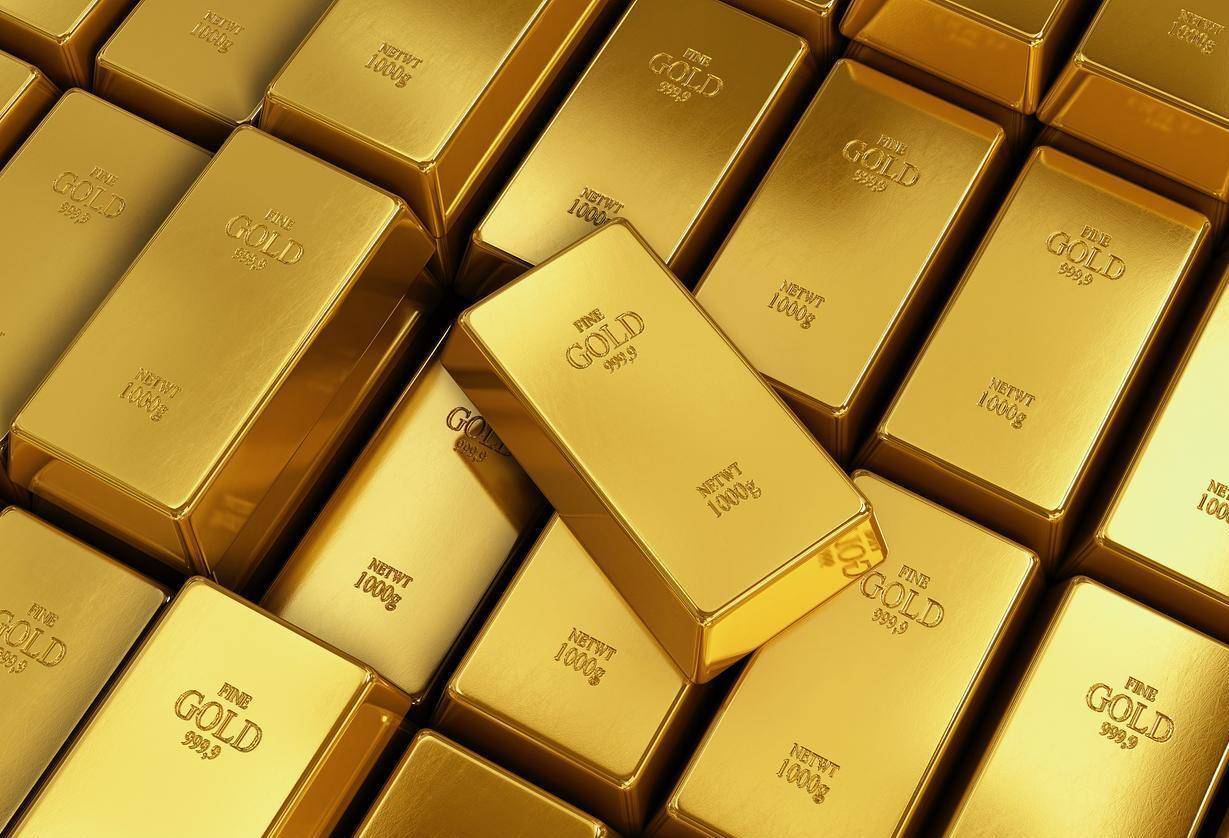
金价飙升创纪录,国内突破1400元/克
Sou Hu Cai Jing· 2026-01-15 16:28
Price Trends and Market Performance - The international gold price reached a historic high of $4635.7 per ounce as of January 15, 2026, with silver also surging to $91.385 per ounce, marking daily increases of 0.8% and 5.85% respectively [2] - Domestic gold jewelry prices soared to between 1430-1438 RMB per gram, an increase of over 200 RMB per gram since the beginning of the year [2] - Silver's annual increase exceeded 25%, with a cumulative rise of 148% since early 2025, driven by tight supply and surging industrial demand [2] Core Driving Logic - The demand for gold has surged due to geopolitical tensions in the Middle East, the ongoing Russia-Ukraine conflict, and global economic uncertainties, leading to increased investments in gold [4] - Expectations of a shift in monetary policy, with traders anticipating a rate cut by the Federal Reserve in June, have weakened the dollar and reduced the opportunity cost of holding gold [5] - A structural supply-demand imbalance exists, with both investment and consumer demand for gold rising sharply, while silver demand from industries like photovoltaics and electric vehicles consumes over 55% of global production [6] Social Impact and Group Dynamics - The cost of traditional wedding gold ("three golds") has escalated from 40,000 RMB at the beginning of the year to over 80,000 RMB, prompting some couples to consider renting jewelry or opting for platinum alternatives [7] - Early investors have seen substantial profits, with some families reporting gains of over 600,000 RMB from gold purchased at 380 RMB per gram, while others have made significant returns on smaller investments [8] - There is a growing trend of young consumers purchasing smaller gold items, such as "gold beans" and "small gold bars," to fulfill their desire for gold without the high premiums associated with traditional jewelry [10] Institutional Predictions and Investment Recommendations - Optimistic forecasts from institutions like Goldman Sachs and Citigroup suggest that gold prices could exceed $5000 per ounce and silver could reach $100, driven by continued central bank purchases and a prolonged rate-cutting cycle [11] - Cautious analysts warn of potential corrections of 5%-20% due to overbought conditions and the need to monitor shifts in Federal Reserve policy and geopolitical stability [12] - For ordinary investors, it is recommended to purchase gold in batches and select simpler designs with lower processing fees to avoid high premiums [13]
2025年全民追的“金” 藏着经济的秘密
Xin Lang Cai Jing· 2026-01-02 06:38
Group 1 - Gold has become a major topic in 2025, with prices reaching historical highs and experiencing significant volatility, attracting widespread investment interest [1][2][3] - As of December 31, the spot gold price reached $4,346.45 per ounce, with a yearly increase of 70%, marking the most remarkable market performance since 1980 [2] - The surge in gold prices has led to increased consumer demand for gold products, including wedding jewelry and investment bars, with banks and e-commerce platforms lowering entry barriers for gold purchases [3][4] Group 2 - The rise in gold prices is attributed to various global economic factors, including negative real interest rates, a shift in global monetary policy, and ongoing geopolitical tensions, which have heightened demand for gold as a safe-haven asset [7][8] - Central banks have been net buyers of gold for three consecutive years, using it as a reserve asset, which has provided strong support for gold prices [7][8] - The increase in gold prices reflects a broader distrust in fiat currencies, particularly the US dollar, as inflationary pressures persist and market confidence in the dollar diminishes [5][11] Group 3 - The continuous rise in gold prices may have mixed effects on the economy, potentially increasing the value of gold reserves while also raising costs for related goods and impacting trade balances [9][10] - As the largest consumer of gold globally, China's demand is approximately 1,200 tons annually, with a significant portion reliant on imports, which could exacerbate trade deficits due to rising gold prices [9][10] - The high gold prices could lead to inflation expectations spreading, affecting consumer prices for jewelry and other goods, thereby influencing the Consumer Price Index (CPI) [10][11]