零售信贷

Search documents
平安银行:2025年报零售信贷增速持续改善,质量持续提升-20260323
ZHONGTAI SECURITIES· 2026-03-23 08:40
Investment Rating - The report maintains an "Accumulate" rating for Ping An Bank [4][7]. Core Views - The report indicates that the pressure on retail credit contraction is nearing its end, and asset quality continues to improve [7]. - The bank's net interest margin pressure is gradually easing, supported by the optimization of funding costs and improvements in retail asset quality [7]. - The long-term outlook suggests that the group's comprehensive financial advantages and deepening retail transformation are expected to reshape growth momentum, with a focus on the pace of asset quality dividend release [7]. Financial Performance Summary - For the year 2025, Ping An Bank achieved operating income of 131.44 billion yuan, a year-on-year decrease of 10.4% [6]. - The net profit attributable to shareholders was 42.63 billion yuan, down 4.21% year-on-year [6]. - The bank's net interest income for the year was 88.02 billion yuan, reflecting a decline of 5.79% year-on-year [6]. - The annualized net interest margin for Q4 2025 was 1.71%, a decrease of 4 basis points from Q3 2025 [6]. - As of the end of 2025, total loans amounted to 3.39 trillion yuan, with a year-on-year growth of 0.5% [6]. Profitability and Valuation Metrics - The report projects earnings per share (EPS) of 2.20 yuan for 2025, with a slight increase to 2.21 yuan in 2026 [4][24]. - The price-to-earnings (P/E) ratio is expected to be 4.90 for 2025, decreasing to 4.87 in 2026 [4][24]. - The price-to-book (P/B) ratio is forecasted at 0.46 for 2025, declining to 0.43 in 2026 [4][24]. Asset Quality - The non-performing loan (NPL) ratio stood at 1.05% as of Q4 2025, remaining stable [6][24]. - The bank's provision coverage ratio was 220.88% in Q4 2025, indicating a strong buffer against potential loan losses [6][24].

平安银行(000001):2025年报:零售信贷增速持续改善,质量持续提升
ZHONGTAI SECURITIES· 2026-03-23 04:02
Investment Rating - The report maintains an "Accumulate" rating for Ping An Bank [4][7]. Core Views - The report indicates that the pressure on retail credit contraction is nearing its end, and asset quality continues to improve [7]. - The bank's net interest margin pressure is gradually easing, supported by the optimization of funding costs and improvements in retail asset quality [7]. - The long-term outlook suggests that the group's comprehensive financial advantages and deepening retail transformation are expected to reshape growth momentum, with a focus on the pace of asset quality dividend release [7]. Financial Performance Summary - For the year 2025, Ping An Bank achieved operating income of 131.44 billion yuan, a year-on-year decrease of 10.4% [6]. - The net profit attributable to shareholders was 42.63 billion yuan, down 4.21% year-on-year [6]. - The bank's net interest income for the year was 88.02 billion yuan, reflecting a decline of 5.79% year-on-year [6]. - The annualized net interest margin for Q4 2025 was 1.71%, a decrease of 4 basis points from Q3 2025 [6]. Loan and Deposit Trends - As of the end of 2025, the total loan amount was 3.39 trillion yuan, with a year-on-year growth of 0.5% [6]. - Retail loans decreased by 2.26% year-on-year, although the decline was narrowing compared to previous periods [6]. - The bank's total deposit scale reached 3.58 trillion yuan, with a year-on-year increase of 1.39% [6]. Asset Quality Metrics - The non-performing loan ratio stood at 1.05% as of Q4 2025, remaining stable [6]. - The bank's provision coverage ratio was 220.88%, reflecting a slight decrease [6]. - The report highlights improvements in retail non-performing loan rates, particularly in mortgage and credit card segments [6]. Earnings Forecast - The earnings forecast for 2026 and 2027 has been adjusted to 42.92 billion yuan and 43.69 billion yuan, respectively [7]. - The report introduces a forecast for 2028 at 45.14 billion yuan [7]. - The price-to-earnings ratio (P/E) for 2026 is projected at 4.87, while the price-to-book ratio (P/B) is expected to be 0.43 [7].
廿载蝶变 金融向新|北京农商银行从农信社到现代化商行的转型之路
Jin Rong Jie Zi Xun· 2026-02-09 10:20
Core Insights - Beijing Rural Commercial Bank has transformed from a rural credit cooperative to a modern commercial bank, officially established in 2005 with an asset scale of nearly 1.3 trillion yuan, serving all administrative districts and towns in Beijing [1] Group 1: Historical Development - The bank's history began in 1950 with the establishment of the first credit department in Haidian District, marking the start of financial services in suburban Beijing [1] - In 2005, it became the first provincial-level joint-stock rural commercial bank in the national rural credit cooperative system [1] - Over 20 years, the bank has optimized corporate governance, restructured business processes, and undergone digital transformation, playing a significant role in the economic and social development of the capital [1] Group 2: Governance and Performance - The bank faced challenges such as high non-performing loan rates and operational difficulties at some branches during its early reform phase [2] - After restructuring, it established a governance framework with a clear delineation of responsibilities and decision-making processes, enhancing operational efficiency [2] - The bank's asset scale has increased by over 1.15 trillion yuan, with cumulative operating income exceeding 245 billion yuan and net profit surpassing 93.5 billion yuan [2] - It ranked 149th among the world's top 1,000 banks in 2025, improving by over 200 positions since its establishment [2] - The non-performing loan ratio has remained around 1% for 12 consecutive years, indicating strengthened risk resilience [2] Group 3: Digital Transformation - The bank is actively advancing its digital transformation to inject new momentum for high-quality development, with a comprehensive action plan for 2025-2029 focusing on five key themes [3] - It has established a data platform architecture and pioneered the application of voiceprint technology in self-service devices, exploring AI applications in finance [3] - The bank has improved customer experience in personal credit by implementing "T+0" approval and disbursement commitments, significantly enhancing operational efficiency [3] Group 4: Future Outlook - The bank's transformation journey highlights the need for systematic reform and continuous innovation in moving from a traditional rural credit institution to a modern commercial bank [4] - It aims to continue serving urban and rural areas, supporting agriculture, small and medium enterprises, and the general public, contributing further to the economic and social development of the capital [4]
万亿广州农商银行:“all in”中小额资产,重构增长新路径
2 1 Shi Ji Jing Ji Bao Dao· 2025-12-04 05:53
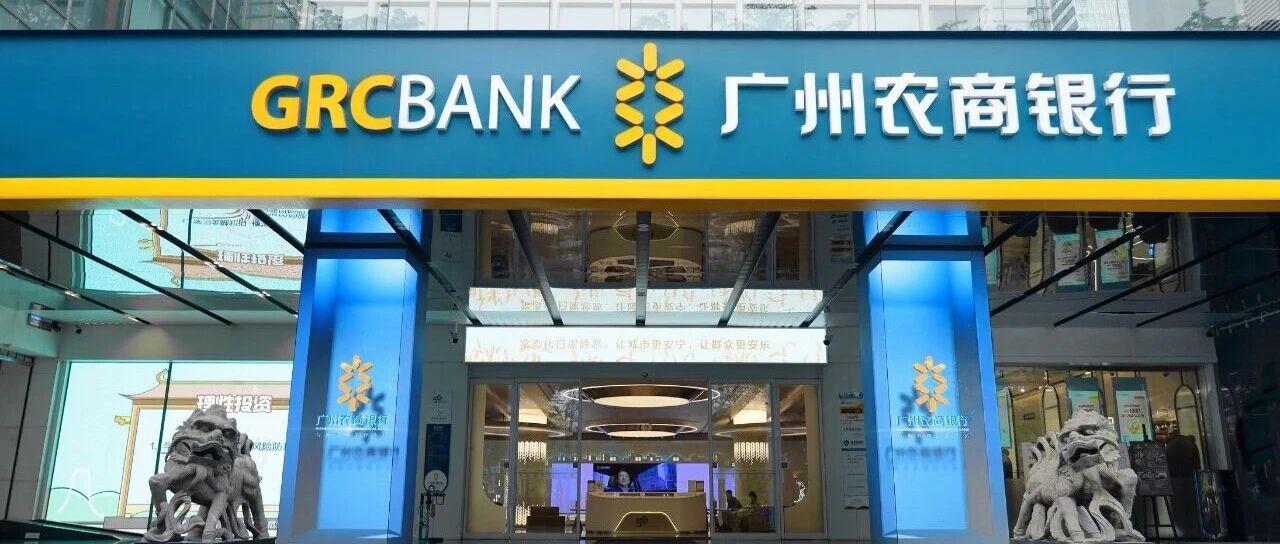
Core Insights - The article discusses the strategic shift of Guangzhou Rural Commercial Bank towards focusing on small and medium-sized assets in response to external pressures from larger banks and internal transformation needs [1][2][3] Group 1: Strategic Shift - Guangzhou Rural Commercial Bank is reallocating resources towards smaller, more diversified credit areas, indicating a systematic restructuring of its operational model rather than a temporary response to market changes [1][2] - The bank's strategy is driven by the need to adapt to a competitive landscape where larger banks are encroaching on the small and micro-enterprise sector, leading to a "siphoning effect" on traditional client bases of smaller banks [2][3] - The bank aims to achieve a minimum of 40% of its assets in small and medium-sized loans within 2-3 years, with a target of reaching 1 trillion yuan in three categories of small asset loans [3][5] Group 2: Market Environment - The economic structure of Guangdong, particularly Guangzhou, supports the bank's strategy due to the presence of numerous small and micro enterprises, creating a robust demand for small asset financing [3][6] - The bank's focus on small and medium-sized assets is not only a competitive response but also a strategic move to build a sustainable competitive advantage through localized services [7][8] Group 3: Implementation Challenges - The successful execution of the strategy requires a comprehensive overhaul of asset allocation, approval processes, organizational mechanisms, and channel capabilities [5][6] - The bank is enhancing its core competitiveness in small asset business through product innovation, customer service, technological support, and efficiency improvements [5][6] Group 4: Performance Indicators - By mid-2025, the bank reported significant growth in small asset loans, with small corporate loans, retail loans, and microfinance loans increasing by 14.7%, 10.5%, and 5.6% respectively, outpacing overall loan growth [9][10] - Key structural indicators show an increase in average daily loan size per branch to 850 million yuan, reflecting improved asset operation efficiency and stability in loan distribution [10][11] - The proportion of small corporate loans in total corporate loans rose to 15.2%, contributing to a 4.68% increase in net interest income, demonstrating that small asset financing can yield competitive returns despite industry-wide margin compression [11]
万亿广州农商银行:“all in”中小额资产,重构增长新路径
21世纪经济报道· 2025-12-04 05:47
Core Viewpoint - The article discusses the strategic shift of Guangzhou Rural Commercial Bank towards focusing on small and medium-sized assets in response to external pressures from larger banks and internal operational challenges, emphasizing the need for sustainable growth in a competitive environment [1][3]. Group 1: Why Focus on Small and Medium-Sized Assets? - The external pressure from large state-owned banks and some joint-stock banks has intensified competition in the small and micro-enterprise sector, leading to a "siphoning effect" that challenges the traditional growth model of small banks [3]. - The current low net interest margin in the banking industry necessitates a shift from relying on large loans to enhance profitability, as this could exacerbate risk concentration [3]. - Regulatory guidance is pushing banks to return to their core functions, making refined and differentiated operations essential for small banks [3][4]. - Guangzhou Rural Commercial Bank's strategy to focus on small and medium-sized assets is based on benchmarking against successful peers, aiming for a minimum of 50% of its asset portfolio to be in small and medium-sized loans to enhance risk resilience [4]. Group 2: Economic Structure and Local Market - The economic structure of Guangdong, particularly Guangzhou, supports the bank's transformation strategy, with a diverse range of small and micro enterprises providing a substantial "long-tail demand" for small asset business [4]. - Small and medium-sized assets, despite their smaller individual amounts, offer natural risk diversification and greater pricing flexibility, helping to alleviate the pressure from narrowing interest margins [4]. Group 3: Strategic Implementation - The bank has launched the "Three Hundred Billion Project," aiming to achieve a scale of 1 trillion yuan in small and medium-sized corporate loans, inclusive of microfinance and retail loans, within 2-3 years, increasing the proportion of small and medium-sized assets to over 40% [5]. - The execution of this strategy requires a comprehensive restructuring of asset allocation, approval processes, organizational mechanisms, and channel capabilities [5][6]. - The bank's focus on enhancing core competitiveness in small and medium-sized assets involves improving product innovation, customer service, technological support, and efficiency [5][6]. Group 4: Operational Adjustments - The bank is actively compressing large credit scales and reallocating resources towards small and medium-sized clients, which may temporarily affect loan growth rates but will enhance risk diversification [6]. - The strategy includes reducing reliance on real estate and third-sector loans while increasing investments in manufacturing and high-tech sectors to align with local economic development needs [6]. - The bank is shifting from short-term loans to long-term investments, enhancing the alignment of loans with actual investment activities [6]. Group 5: Enhancing Service Capabilities - The bank is adopting a technology-driven approach to streamline the approval process, significantly reducing service time and enhancing customer experience [7]. - The operational focus is being decentralized, empowering local branches to manage customer relationships and services, thereby improving responsiveness and service quality [7][8]. Group 6: Key Performance Indicators - The bank's mid-2025 disclosures indicate that small and medium-sized asset businesses have become a core growth engine, with significant year-on-year growth in various loan categories [10]. - Key structural indicators show an increase in average daily loan size per branch and a higher proportion of small and medium-sized loans in the overall loan portfolio, reflecting improved asset quality and operational resilience [11][12]. - The transformation strategy is shifting from volume-driven growth to quality enhancement, leading to a more balanced asset structure and reduced risk exposure [12].

全国首家万亿级“A+H”股上市城商行,重庆银行如何成长与破局?
Xin Lang Cai Jing· 2025-11-21 14:00
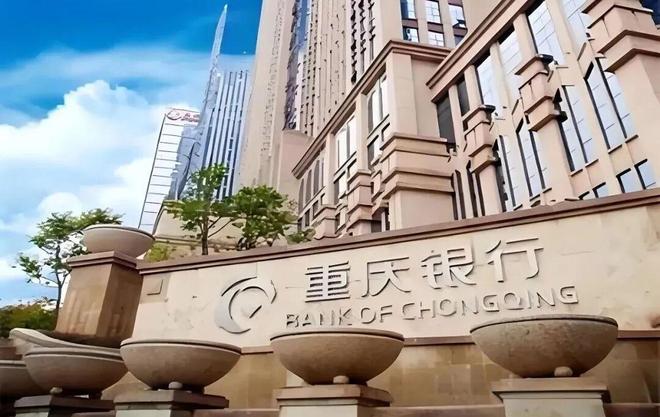
Core Viewpoint - Chongqing Bank's recent equity changes reflect the optimization reform requirements from the Chongqing State-owned Assets Supervision and Administration Commission, with significant implications for its long-term strategic layout and brand development in the western financial sector [4][8]. Group 1: Equity Changes - On November 14, Chongqing Bank announced an equity change, with its largest shareholder, Chongqing Yufu Capital, reducing its stake from 23.45% to 21.93% following a series of announcements in August [4][6]. - The bank's stock price has shown a positive trend, with a year-to-date increase of 24.9%, closing at 11.12 yuan per share as of November 21 [10]. - The bank's recent equity adjustments are part of a broader trend of resource optimization among local state-owned enterprises in the financial sector [8]. Group 2: Financial Performance - As of September 30, 2025, Chongqing Bank's total assets reached 1,022.75 billion yuan, marking a 19.39% increase from the end of 2024 [11]. - The bank reported a revenue of 11.74 billion yuan and a net profit of 4.879 billion yuan for the third quarter of 2025, reflecting year-on-year growth of 10.4% and 10.19%, respectively [5][11]. - However, the bank faces challenges in its intermediary business, with net commission income decreasing by 27.6% year-on-year [11][13]. Group 3: Capital Adequacy - The bank's capital adequacy ratios have shown a decline, with the core tier one capital adequacy ratio dropping to 8.57%, approaching regulatory limits [14]. - The bank's capital structure has been under pressure, with a need for capital replenishment highlighted by the recent performance metrics [15]. Group 4: Regulatory Issues - Chongqing Bank was fined 2.2 million yuan for internal control and compliance issues, including inadequate loan due diligence and imprudent investment practices [15][20]. - The bank's non-performing loan ratio was reported at 1.14% as of the third quarter, with specific segments, such as retail credit, showing higher delinquency rates [17][19].
人机共处下的生态重塑 “AI+金融”进行时
Zhong Guo Qing Nian Bao· 2025-10-28 00:26
Core Insights - The financial industry is undergoing a significant transformation through the integration of AI technologies, marking a new phase of innovation and efficiency [1][4][5] Investment in Technology - In 2024, China's state-owned banks are expected to invest over 120 billion yuan in technology, with over 100,000 technology personnel employed [1] - Bank of Communications has maintained an annual technology investment of 12 billion yuan since 2021, representing about 5.4% of its total revenue [1] AI Applications in Banking - AI models and knowledge graphs have improved service efficiency in retail credit operations by 3.5 times and increased fraud detection accuracy to over 80% [1] - AI has automated credit document recognition, saving over 70% of manual processing time [1][5] Industry Transformation - The banking sector is transitioning from data processing to AI-driven decision-making, impacting payment, pricing, risk management, and marketing [2][3] - AI applications are moving beyond mere tools to deeply integrated innovations within financial processes [4] Regulatory Perspective - The application of AI in finance is primarily focused on optimizing business processes and enhancing customer interactions [4][5] - Current AI applications are still in the early stages and serve as supportive tools rather than replacements for human decision-making [5] Risks and Challenges - New risks associated with AI in finance include model stability and data governance risks at the micro level, and concentration and decision-making homogeneity risks at the macro level [6] - The rapid development of AI necessitates attention to foundational technologies such as cloud computing and data security [7] Future Outlook - The integration of AI across various sectors, including finance, is seen as a critical phase for driving economic growth and innovation [8][9] - The development of AI models is expected to stimulate significant investment and trade activities, contributing to economic resilience amid global uncertainties [9]
民营银行竞渡:欲乘AI方舟先算成本账
Zhong Guo Zheng Quan Bao· 2025-09-23 20:16
Core Insights - The attitude of the banking industry towards the technology wave has shifted from "whether to embrace" to "how to embrace" AI, with a focus on achieving business effectiveness [1] - The successful integration of AI technology into core business scenarios is crucial for private banks to break away from traditional business models and enhance customer acquisition efficiency [1] - Despite the potential benefits, the implementation of AI technology faces obstacles such as security, cost, and effectiveness concerns [1][5] Performance Metrics - Several private banks, including Zhejiang Wangshang Bank, Jiangsu Shushang Bank, and Sichuan Xinwang Bank, have emerged as leaders, achieving significant revenue and profit figures in the first half of 2025 [2] - Zhejiang Wangshang Bank reported operating income of 100.05 billion and net profit of 20.47 billion, while Jiangsu Shushang Bank and Sichuan Xinwang Bank reported 34.12 billion and 4.86 billion, and 29.36 billion and 4.19 billion respectively [2] - In contrast, many other private banks reported lower performance, with operating income mostly below 15 billion and net profit below 4 billion [2] Industry Disparities - The performance disparity among private banks is attributed to differences in resource endowment, ecological support, and technological capabilities [3] - Leading banks like Wangshang Bank benefit from backing by large ecosystems such as Alibaba, allowing them to efficiently acquire a vast customer base and leverage big data [3] - Many mid-tier banks rely on traditional lending and deposit services, resulting in weaker risk resistance and profitability [3] Competitive Landscape - Private banks primarily focus on retail credit, serving small and micro enterprises and individual consumers, but face increasing competition as other banks also target these segments [4] - Some banks resort to high-interest deposits to attract customers, which can increase operational costs and pressure profits [4] - The industry consensus suggests that private banks should leverage financial technology to cover a broader customer base and reduce costs [4] AI Implementation Challenges - The integration of AI technology into core business remains a significant challenge, with concerns over security, cost, and effectiveness being primary obstacles [5] - Smaller banks face tighter IT budgets compared to larger banks, making it difficult to invest in comprehensive AI systems [5] - The lack of successful case studies for embedding large model technology into core business scenarios further complicates the situation [5] Recommendations for AI Adoption - Banks should focus on high-value scenarios that address specific pain points and yield quick results from AI applications [6] - Lightweight deployment strategies, such as using smaller models for customer interactions, should be prioritized [6] - Strengthening data governance and fostering ecosystem cooperation are essential for successful AI implementation [6]
洪偌馨:零售银行「过冬」
Xin Lang Cai Jing· 2025-09-02 01:57
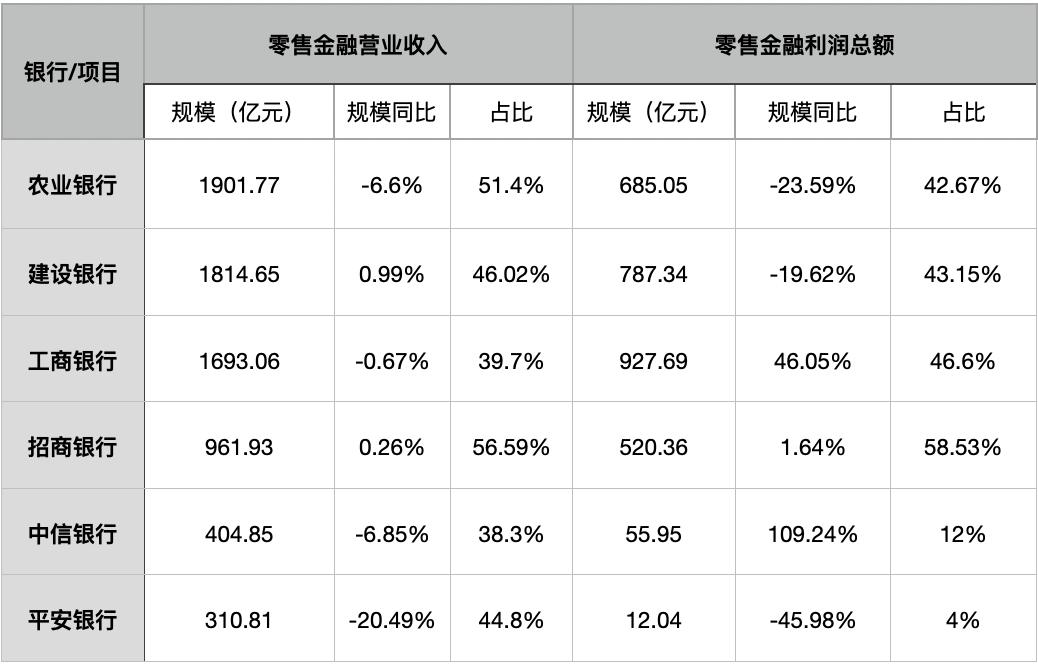
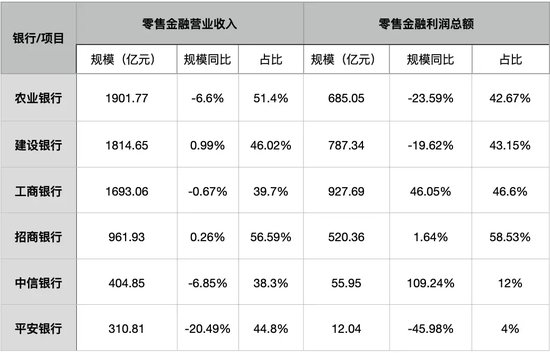
Core Viewpoint - The retail banking sector in China is facing significant challenges, with banks like Ping An Bank experiencing a decline in retail business performance due to past strategies that prioritized high-risk, high-reward approaches. The industry is now reflecting on these strategies as they navigate a difficult economic environment [1][2][4]. Retail Banking Performance - In the first half of 2025, major banks reported a decline in retail financial income and profits, with Agricultural Bank of China, China Construction Bank, and Industrial and Commercial Bank of China all showing varying degrees of downturn in personal financial business [5][6][7]. - Ping An Bank's retail banking revenue fell by over 20% year-on-year, with its pre-tax profit dropping to 1.2 billion yuan, contributing only 4% to total profits, down from 7% [8][10]. Asset Quality and Credit Risk - The retail banking sector is under pressure regarding asset quality, with rising non-performing loan ratios impacting profitability. For instance, Ping An Bank's retail loan non-performing rate was 1.27% [13][14]. - The overall economic environment, including a downturn in real estate investment and sluggish consumer demand, has led to a significant reduction in retail business income across the board [12][16]. Wealth Management Transition - Banks are attempting to shift their focus from traditional retail lending to wealth management, which requires long-term strategic investment and organizational capability [16][20]. - Despite the challenges, some banks, like China Merchants Bank, have shown resilience in their wealth management capabilities, with a notable increase in their wealth management income [24]. Future Strategies - Banks are re-evaluating their strategies, emphasizing quality and efficiency over mere scale. For example, China Merchants Bank is focusing on core banking functions while enhancing digital services and AI integration [18][19]. - The shift towards wealth management is seen as essential for banks to maintain competitiveness, especially as deposit trends shift towards investment products [19][22].





零售银行“过冬”
3 6 Ke· 2025-09-02 01:29
Core Viewpoint - The retail banking sector in China is facing significant challenges, with declining revenues and profits in retail financial services, particularly in retail credit and wealth management, as economic conditions worsen [1][12][18]. Group 1: Retail Banking Performance - In the first half of 2025, retail banks continued to experience pressure, with major banks reporting declines in retail financial income and profits [4][7]. - Agricultural Bank of China reported retail financial income of 190.18 billion yuan, down 6.6% year-on-year, and a profit of 68.51 billion yuan, down 23.59% [4]. - China Construction Bank's retail financial income was 181.47 billion yuan, up 0.99%, but profits fell by 19.62% to 78.73 billion yuan [4]. - Industrial and Commercial Bank of China saw retail financial income decrease by 0.67% to 169.31 billion yuan, while profits increased by 46.05% to 92.77 billion yuan, largely due to a low base from the previous year [4][6]. - Ping An Bank's retail financial income plummeted by 20.49% to 31.08 billion yuan, with profits down 45.98% to 1.20 billion yuan [4][7]. Group 2: Credit Quality and Challenges - The retail loan non-performing ratio for major banks has shown signs of deterioration, with Ping An Bank at 1.27%, and the credit card non-performing ratio at 2.3% [13]. - The overall economic environment, including a downturn in the real estate sector and low consumer demand, has led to a significant reduction in retail banking income and growth [12][18]. - The shift from high-risk, high-return lending strategies to a focus on wealth management is becoming increasingly important for banks, but this transition is challenging and requires long-term investment [17][19]. Group 3: Wealth Management and Future Strategies - Wealth management is seen as a critical area for future growth, but banks are struggling to effectively transition from traditional retail banking to wealth management services [17][20]. - The average interest rate on personal deposits for major banks varies, with China Merchants Bank maintaining a low rate of 1.18%, which helps in reducing funding costs [24]. - China Merchants Bank reported a significant increase in wealth management income, reaching 20.86 billion yuan in the first half of 2025, marking a 5.45% year-on-year growth [25]. - The retail AUM (Assets Under Management) for China Merchants Bank is significantly lower in terms of retail deposits compared to its peers, indicating a stronger wealth management capability [22][23].