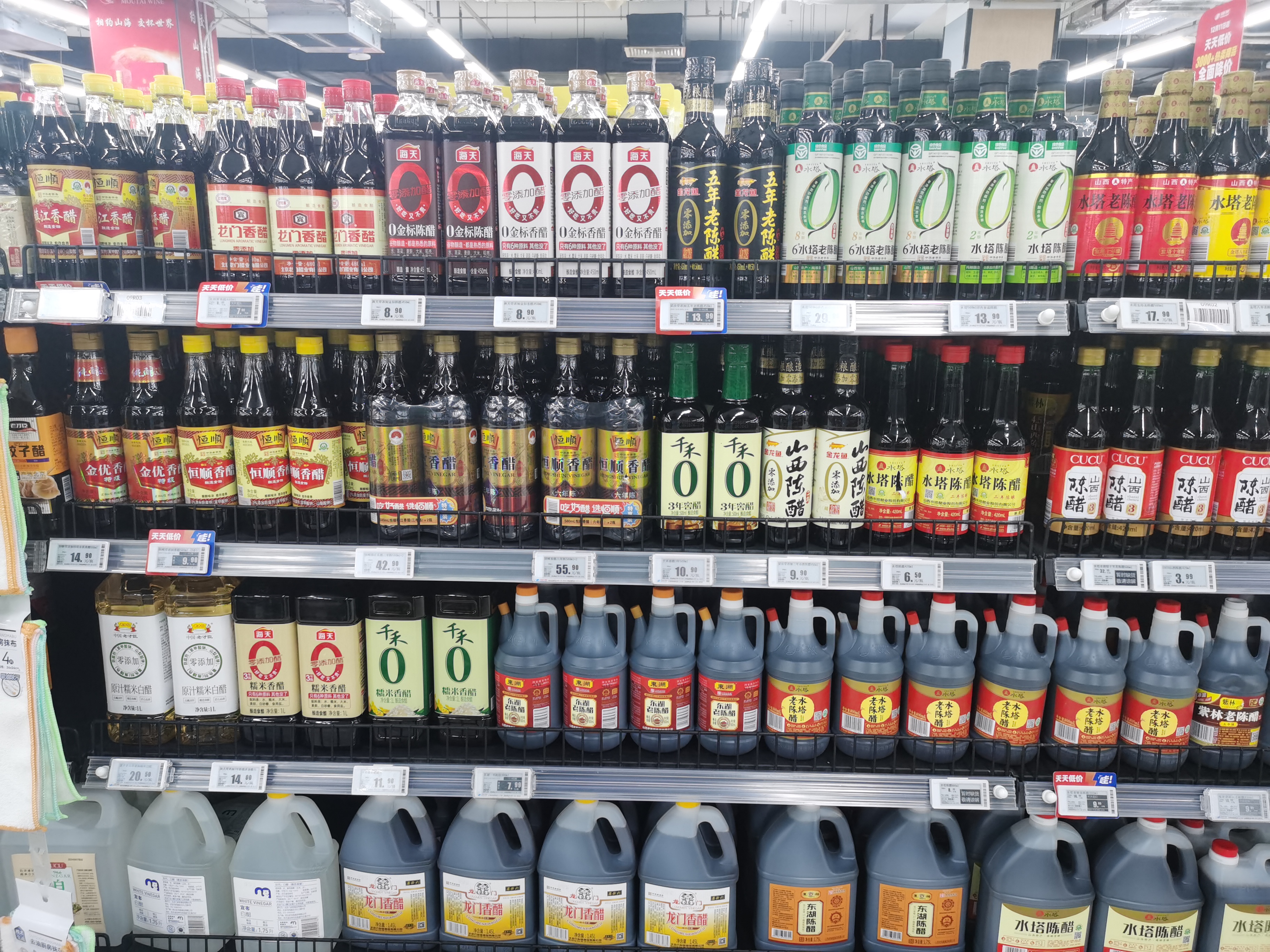
零添加酸奶

Search documents
“清洁标签”成为食品行业新卖点
Mei Ri Shang Bao· 2025-12-16 22:13
Core Insights - The introduction of clean label products in China is gaining traction, with a focus on transparency in ingredient lists and the absence of artificial additives [1][2][3] - The clean label concept, which emphasizes simple and recognizable ingredients, is becoming a significant selling point for food brands as consumer awareness increases [1][2] Group 1: Clean Label Product Launches - Hema has launched its first clean label egg tart, priced at 16.9 yuan for four, which has attracted over 50,000 orders and 7,000 repeat customers within a month [1] - Other brands, such as Walmart's private label "Woji Xian" and yogurt brand "Yuexiu Huishan," have also introduced clean label products certified by CTI Huace Testing [2] Group 2: Consumer Trends and Preferences - Consumers are increasingly prioritizing clean ingredient lists, with keywords like "clean label" gaining popularity on platforms like Xiaohongshu [2] - Brands are responding to this trend by highlighting clean ingredients and reducing additives in their marketing, even if they do not have certified clean label products [2] Group 3: Industry Standards and Certification - The clean label certification requires brands to undergo testing by recognized institutions such as CTI Huace Testing and the China Quality Certification Center [1] - The clean label market in China is still in the promotional phase, but it is expected to become a critical factor in consumer purchasing decisions in the future [3]

财经观察丨“零添加”不等于更健康
Xin Hua Wang· 2025-12-08 02:29
Core Viewpoint - The increasing consumer preference for "clean label" and "zero additives" products raises questions about the actual meaning and implications of these terms in the food industry [1][3][5]. Group 1: Definition and Misconceptions - "Zero additives" lacks a clear definition in current food safety standards, allowing companies flexibility in interpretation [3][6]. - The term "zero additives" typically means no additional food additives are intentionally added during production, but does not guarantee the absence of naturally occurring substances [3][4]. - Misleading marketing practices exist, where terms like "zero additives" may imply health benefits without scientific backing [4][5]. Group 2: Regulatory Developments - New regulations are set to clarify labeling practices, prohibiting terms like "0 additives" to prevent misleading claims, with a transition period until March 2027 [6][7]. - Consumers express hope for clearer labeling and effective enforcement of new regulations to combat exaggerated marketing [7]. Group 3: Consumer Guidance - Consumers should focus on the order of ingredients on labels, as they are listed by quantity, and examine nutritional information to assess the health value of products [10][11]. - Awareness of hidden sugars and sodium in processed foods is crucial, as high levels can contribute to chronic health issues [11]. - Understanding the role of food additives and the importance of compliance in production is essential for making informed choices [10][11].

天润乳业2025年上半年扣非净利增141% 线上自营+鲜奶订阅多举措夯实业绩增速
Zheng Quan Shi Bao Wang· 2025-08-22 02:25
Core Viewpoint - Tianrun Dairy reported a revenue of 1.395 billion yuan for the first half of 2025, with a net profit attributable to shareholders of -21.86 million yuan, impacted by cattle impairment, while the net profit excluding non-recurring gains increased by 141.32% year-on-year to 57.79 million yuan [1] Group 1: Financial Performance - The company achieved a dairy product sales volume of 162,300 tons, representing an 8.89% year-on-year growth, indicating strong market resilience despite intense competition and cattle culling pressures [3] - The total number of cattle decreased from approximately 64,800 heads at the end of 2024 to 54,400 heads, effectively reducing raw milk surplus and powder loss [3] Group 2: Market Strategy - In response to market pressures, the company established an e-commerce subsidiary to focus on self-operated online retail, integrating traditional e-commerce, live streaming, and community marketing to directly reach consumers [1] - The company has begun home delivery subscription services for pasteurized fresh milk in Urumqi to meet diverse consumer needs [2] Group 3: Product Innovation and Marketing - The company has developed over 60 new products, including zero-additive yogurt and fresh milk tea, with eight new products successfully launched, receiving positive market feedback [2] - Tianrun Dairy is actively engaging in social responsibility initiatives, sponsoring large events and providing customized dairy products to support deep-sea exploration [2]

禁止“零添加”新规出炉,食品行业将回归“品质竞争”
Bei Ke Cai Jing· 2025-03-27 10:02
Core Viewpoint - The newly revised national food safety standard prohibits the use of terms like "no additives" and "zero additives" on pre-packaged food labels, marking the end of the "zero additives" marketing trend in the food industry [1][14]. Group 1: Background and Evolution of "Zero Additives" - The "zero additives" concept gained popularity around 2018, particularly in the yogurt sector, with brands like "Jianai" leading the charge [4]. - Major dairy companies, including Yili and Mengniu, began to adopt "zero additives" products starting in 2019, with the market size for "zero additives" yogurt reaching approximately 200 billion yuan, accounting for about 25% of the yogurt market [5]. - The trend also extended to beverages and condiments, with brands like Yuanqi Forest launching "sugar-free" drinks, contributing to the proliferation of products labeled as "0 sweeteners" and "0 preservatives" [6]. Group 2: Consumer Behavior and Market Dynamics - Consumer anxiety over food additives, exacerbated by social media narratives, led to an irrational expansion of the "zero additives" market, with many companies feeling pressured to conform [2][11]. - The rise of "zero additives" reflects a broader trend of companies responding to consumer demand for healthier products, often leading to homogenous competition where businesses felt compelled to adopt the "zero additives" label to maintain market share [11][12]. Group 3: Implications of the New Regulation - The new regulation is expected to prompt a swift transition in the yogurt industry, with companies likely to update their labels within 3 to 6 months [3]. - The standard is anticipated to drive a new wave of industry restructuring and upgrades, shifting focus from concept marketing to quality competition, thereby fostering a healthier competitive landscape [3][22]. - Companies are preparing to adapt by enhancing product innovation and adjusting packaging and marketing strategies to comply with the new regulations [17][19]. Group 4: Industry Response and Future Outlook - The two-year transition period allows companies to reassess their product strategies and seek new growth points beyond the "zero additives" label, such as focusing on health-oriented features like reduced salt or sugar [18][21]. - The implementation of the new standard is expected to lead to a more standardized and regulated food industry, encouraging companies to prioritize product quality and innovation over mere label claims [23][24]. - The shift away from "zero additives" is seen as a potential relief for many companies, allowing them to focus on genuine product improvements rather than marketing gimmicks [21].