风荷曲苑

Search documents
净利跌近四成,狂奔的霸王茶姬急需谋变
虎嗅APP· 2025-12-11 06:00
Core Viewpoint - The article discusses the current challenges and strategies of the tea brand Bawang Chaji, highlighting its rapid expansion, declining profitability, and the need for product innovation to maintain market relevance [4][10][40]. Group 1: Financial Performance - Bawang Chaji reported a global store count of 7,338 and a quarterly GMV of 7.93 billion yuan, but faced a net profit decline of 38.5% year-on-year [4]. - The net profit margin decreased from 18.3% to 12.4%, while the operating profit margin fell from 22.4% to 14.2% [4]. - GMV in the Greater China region dropped by 6.2% to 7.63 billion yuan, with average monthly GMV per store declining by 28.3% to 378,500 yuan [5]. Group 2: Product and Innovation Strategy - Bawang Chaji launched a new product, the Boya Juexian Flower Fragrance, after a long wait, but consumer feedback was mixed [2]. - The company aims to enhance product offerings and has plans for a new menu and special tea products, while also maintaining existing popular items [6]. - The brand's reliance on the successful Boya Juexian product, which has generated over 12.5 billion cups sold, poses a challenge for future innovation [25][27]. Group 3: Franchise and Market Dynamics - Franchisees are experiencing profit pressures due to increased competition and a price war in the tea market, with some reporting longer payback periods for their investments [15][19]. - Bawang Chaji has introduced a new revenue-sharing model for franchisees, transitioning from fixed fees to a commission-based structure to improve profitability [17][19]. - The company is facing challenges in securing prime locations for new stores, leading to a competitive environment among franchisees [16]. Group 4: Organizational Changes and Leadership - The arrival of CFO Huang Hongfei marks a significant shift towards a more structured and disciplined financial approach, aiming for a public listing and improved financial models [37]. - The company is undergoing organizational adjustments to balance traditional management with modern operational practices, focusing on product innovation and team collaboration [38][39]. - Founder Zhang Junjie is adapting to the challenges of scaling the business while maintaining a strong focus on product quality and brand identity [40][41].


霸王茶姬的三道选择题
3 6 Ke· 2025-12-05 02:37
Core Viewpoint - The financial report for Q3 2025 from Bawang Chaji highlights significant growth in overseas markets, with overseas GMV reaching 303 million yuan, a year-on-year increase of 75.3%. However, domestic GMV decreased to 7.6292 billion yuan compared to 8.1301 billion yuan in the same period of 2024, indicating challenges in the domestic market due to competition and slowed expansion [1]. Group 1: Market Competition and Strategy - Bawang Chaji has chosen not to participate in the ongoing food delivery wars, which has led to a unique position compared to other brands that have heavily invested in this area without clear winners emerging. The company aims to maintain stability and prepare for long-term competition by refining product development and store models [2][4]. - The company’s decision not to engage in the food delivery battle is debated among franchisees, with some believing it may lead to missed opportunities, while others argue that it protects profit margins from the high costs associated with delivery subsidies [5][6]. - The company has maintained a low store closure rate of 0.3% over three consecutive quarters, significantly lower than the industry average of 2%-10%, indicating healthy operational performance [8]. Group 2: New Business Model and Product Development - Starting January 1, 2026, Bawang Chaji will implement a new business model that includes significant discounts on raw materials and a shift from a supply chain model to a GMV revenue-sharing model, which aims to align the interests of the brand and franchisees [9][10]. - The company has been cautious in launching new products, focusing on maintaining brand integrity and operational efficiency. Recent product iterations, such as the new floral version of the popular "Boya Juexian," reflect this strategy [12][14]. - Despite a slower pace in national product launches, regional innovations have been successful, with new products gaining popularity in specific markets, indicating a strategic focus on localized offerings [15][17]. Group 3: Long-term Vision and Market Positioning - The new tea beverage market is characterized by rapid growth, with over 415,000 stores nationwide and a high chain rate of 55.2%. Bawang Chaji's strategy to remain calm and focus on long-term value rather than short-term gains positions it well for future competition [20][22]. - Franchisees have shown loyalty to Bawang Chaji, with many reporting stable or increasing sales, particularly in regions where the brand has established a strong presence. This loyalty is attributed to the brand's focus on product quality and value [22]. - The company is committed to enhancing its strategic approach across brand, product, experience, and channel dimensions, which, combined with the new business model, is expected to drive significant improvements in store performance [23].

霸王茶姬的三道选择题
36氪未来消费· 2025-12-05 01:04
Core Viewpoint - The article discusses the strategic decisions made by the company BaWang Tea Ji in response to market challenges, particularly its choice to avoid participating in the intense food delivery competition, focusing instead on long-term stability and product development [3][4][32]. Financial Performance - In Q3 2025, BaWang Tea Ji reported an overseas GMV of 303 million yuan, a year-on-year increase of 75.3%, while domestic GMV decreased to 7.6292 billion yuan from 8.1301 billion yuan in the same period of 2024 [3]. Market Strategy - The company opted not to engage in the food delivery battle, which has led to significant financial strain on many competitors, with major platforms spending over 44 billion yuan in Q3 without clear winners emerging [4][9]. - BaWang Tea Ji's decision to refrain from the food delivery competition is seen as a protective measure for its franchisees, ensuring their profitability amidst rising costs associated with delivery services [8][10]. Franchisee Perspective - Franchisees have mixed opinions on the company's decision not to participate in the food delivery competition, with some believing it may lead to missed opportunities, while others appreciate the focus on maintaining profitability [7][8]. - The company has communicated that engaging in the food delivery battle would directly impact franchisee earnings, as the profit model heavily relies on in-store sales rather than delivery [8][9]. New Business Model - Starting January 1, 2026, BaWang Tea Ji plans to implement a new business model that includes significant discounts on raw materials and a shift from a supply chain model to a GMV sharing model, which aims to align the interests of the brand and franchisees [11][12]. - This new model is expected to enhance collaboration with franchisees, allowing for shared risks and potentially higher overall GMV [12][13]. Product Development - The company has been cautious with new product launches, focusing on maintaining brand integrity and operational efficiency, with a notable product iteration occurring in November 2025 [15][18]. - Despite a slower pace in national product launches, regional innovations have been successful, indicating a strategic focus on localized market needs [19][21]. Long-term Vision - BaWang Tea Ji is positioning itself as a stable player in the market, emphasizing the importance of product development, supply chain strength, and long-term profitability over short-term gains [32][31]. - The company aims to enhance its strategic framework across brand, product, experience, and channel dimensions, preparing for future market challenges [33][34].

霸王茶姬发布三季度财报,海外GMV涨超75%
Sou Hu Cai Jing· 2025-11-29 05:47
Core Insights - Bawang Chaji (NASDAQ: CHA) reported its Q3 2025 financial results, showing a total GMV of 7.93 billion yuan and net revenue of 3.21 billion yuan, with adjusted net profit at 503 million yuan as of September 30, 2025 [1][2] - The company has achieved profitability for 11 consecutive quarters, with a healthy cash flow of 9.14 billion yuan and no interest-bearing debt [2] Group 1: Financial Performance - As of September 30, 2025, Bawang Chaji's global store count reached 7,338 [1] - The overseas GMV exceeded 300 million yuan, marking a year-on-year increase of 75.3% and a quarter-on-quarter growth of 27.7% [2] - The number of registered members on the Bawang Chaji mini-program reached 222 million, reflecting a year-on-year growth of 36.7% [1][7] Group 2: International Expansion - Bawang Chaji entered the Philippine and Vietnamese markets in Q3, with overseas store count reaching 262 [4] - The company opened three stores in the Philippines on August 29, 2025, selling over 23,000 cups in the first three days [4] - In Malaysia and Thailand, Bawang Chaji launched popular new products and celebrated milestones, including surpassing 200 stores in Malaysia [6] Group 3: Product Innovation and Marketing - Bawang Chaji introduced new products such as "Dian Olive" vitality light fruit tea and regional limited editions that gained popularity [9] - The company launched the "Qingyu Xiangti" series in collaboration with Pop Mart's HACIPUPU, achieving a 50% sales share on the first day in Malaysia [4] - The company opened the largest "Super Tea Warehouse" in Hong Kong, enhancing customer experience with various tea-making methods [7]

霸王茶姬发布三季度财报 将进行首次现金分红
2 1 Shi Ji Jing Ji Bao Dao· 2025-11-29 02:59
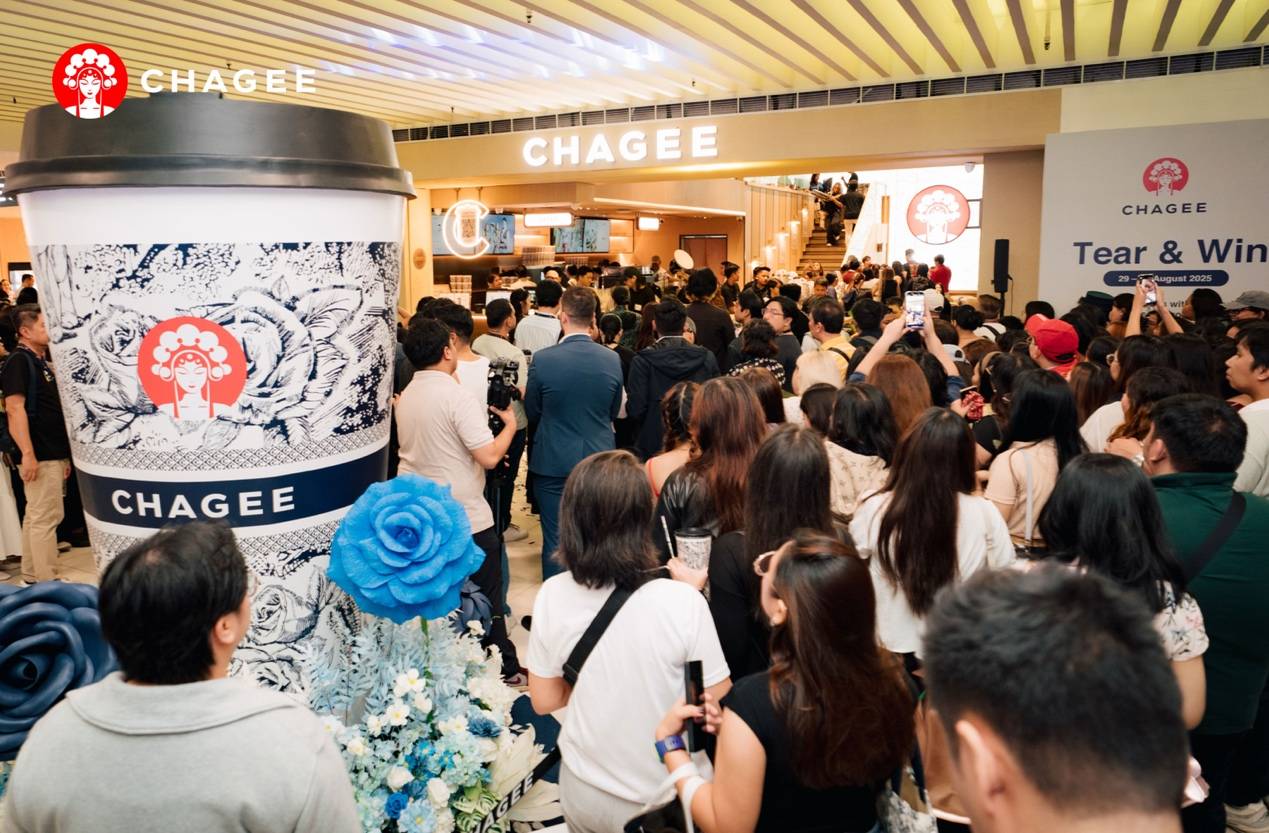
Core Insights - Bawang Chaji (NASDAQ: CHA) reported its Q3 2025 financial results, showing a total GMV of 7.93 billion yuan and net revenue of 3.21 billion yuan, with adjusted net profit of 503 million yuan [2] - The company has achieved profitability for 11 consecutive quarters and has a healthy cash flow with total cash and equivalents amounting to 9.14 billion yuan and no interest-bearing debt [2] - The board declared a special cash dividend of approximately 177 million USD, equating to 0.92 USD per share for shareholders [2] Group 1: Financial Performance - As of September 30, 2025, Bawang Chaji's global store count reached 7,338 [2] - The registered member count for the company's mini-program reached 222 million, reflecting a year-on-year growth of 36.7% [2] - The overseas GMV exceeded 300 million yuan, marking a year-on-year increase of 75.3% and a quarter-on-quarter growth of 27.7% [3] Group 2: International Expansion - Bawang Chaji entered the Philippines and Vietnam markets during Q3, with overseas store count reaching 262 [3] - The company opened three stores in the Philippines on August 29, 2025, selling over 23,000 cups in the first three days [3] - In Malaysia and Singapore, the company launched popular new products and activities, achieving significant sales milestones [3] Group 3: Product Innovation and Market Strategy - In Q3, Bawang Chaji introduced new products like "Dian Olive" vitality light fruit tea and regional limited editions that gained popularity [5] - The company opted for "high-quality development" amidst market volatility, maintaining member growth without engaging in price wars [4] - The largest "super tea warehouse" opened in Hong Kong, showcasing innovative tea-making methods and enhancing consumer experience [4]
霸王茶姬发布三季度财报 海外GMV同比大涨超75%
Zheng Quan Ri Bao Wang· 2025-11-28 13:43
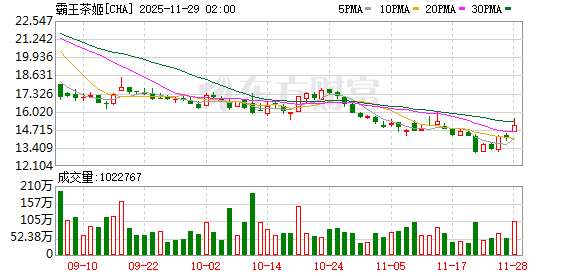
Core Insights - Bawang Chaji Holdings reported a strong performance in Q3 2025, with a total GMV of 7.93 billion yuan and net revenue of 3.21 billion yuan, marking a healthy financial position with no interest-bearing debt [1][2] Financial Performance - As of September 30, 2025, the company achieved a total of 7,338 global stores and a net profit of 503 million yuan, continuing a streak of 11 consecutive profitable quarters [1] - The company has a robust cash position with 9.14 billion yuan in cash and equivalents, and it announced a special cash dividend totaling approximately 177 million USD, equating to 0.92 USD per share for eligible shareholders [1] International Expansion - Bawang Chaji's overseas GMV exceeded 300 million yuan, showing a year-on-year increase of 75.3% and a quarter-on-quarter growth of 27.7%, becoming a significant growth driver for the company [2] - The company entered the Philippines and Vietnam markets in Q3 2025, with a total of 262 overseas stores by the end of the quarter [2] Membership Growth and Product Innovation - The registered member count reached 222 million, reflecting a year-on-year growth of 36.7%, despite a competitive e-commerce environment [3] - The company opened its largest "Super Tea Warehouse" in Hong Kong, featuring innovative tea preparation methods, and launched several themed stores in mainland China to enhance customer experience [3] - New product offerings included region-specific items that gained popularity, such as "Red Mandarin Flavor" in Guangdong and "Panda and Flower" collaboration products in Sichuan and Tibet [3]
霸王茶姬发布三季度财报 海外GMV大涨超75%
Ge Long Hui· 2025-11-28 11:52
Core Insights - Bawang Chaji (NASDAQ: CHA) reported its Q3 2025 financial results, showing a total GMV of 7.93 billion yuan and net revenue of 3.21 billion yuan, with adjusted net profit reaching 503 million yuan [1] - The company has achieved profitability for 11 consecutive quarters and has a healthy cash flow with total cash and equivalents amounting to 9.14 billion yuan and no interest-bearing debt [1] - The board announced a special cash dividend totaling approximately 177 million USD, with each ordinary share or ADS receiving 0.92 USD [1] International Business Growth - Bawang Chaji's overseas GMV exceeded 300 million yuan, marking a year-on-year increase of 75.3% and a quarter-on-quarter growth of 27.7%, becoming a significant growth engine for the company [2][3] - The company entered the Philippines and Vietnam markets during Q3, with overseas store count reaching 262 [3] - In Malaysia and Singapore, the company launched popular new products and activities, achieving record sales figures [3][5] Domestic Market Strategy - In response to market fluctuations, Bawang Chaji is focusing on "high-quality development" and has maintained membership growth to 222 million, a year-on-year increase of 36.7% [6] - The company opened the largest "super tea warehouse" in Hong Kong, enhancing customer experience with innovative tea preparation methods [6] - Product innovation includes the launch of regionally popular items, such as "Dian Olive" vitality tea and limited-edition products tailored to local tastes [6]
霸王茶姬(CHA.US)发布三季度财报 海外GMV大涨超75%
智通财经网· 2025-11-28 11:21
Core Insights - Bawang Chaji (CHA.US) reported its Q3 2025 financial results, showing a total GMV of 7.93 billion yuan and net revenue of 3.21 billion yuan, with adjusted net profit of 503 million yuan [1] - The company has achieved profitability for 11 consecutive quarters and has a healthy cash flow with total cash and equivalents amounting to 9.14 billion yuan and no interest-bearing debt [1] - The board declared a special cash dividend of approximately 177 million USD, equating to 0.92 USD per share for shareholders [1] Group 1: Overseas Business Growth - Bawang Chaji's overseas GMV exceeded 300 million yuan, marking a year-on-year increase of 75.3% and a quarter-on-quarter growth of 27.7%, becoming a significant growth engine for the company [2] - The company entered the Philippines and Vietnam markets during Q3, with overseas store count reaching 262 [2] - In Malaysia, Singapore, and Thailand, Bawang Chaji launched popular new products and activities, achieving record sales in these regions [2] Group 2: Membership and Domestic Expansion - The number of registered members reached 222 million, reflecting a year-on-year growth of 36.7%, despite a competitive e-commerce environment [5] - Bawang Chaji opened the largest "Super Tea Warehouse" in Hong Kong, enhancing customer experience with innovative tea-making methods [5] - The company introduced various regional limited products that gained popularity, showcasing its commitment to product innovation [5]
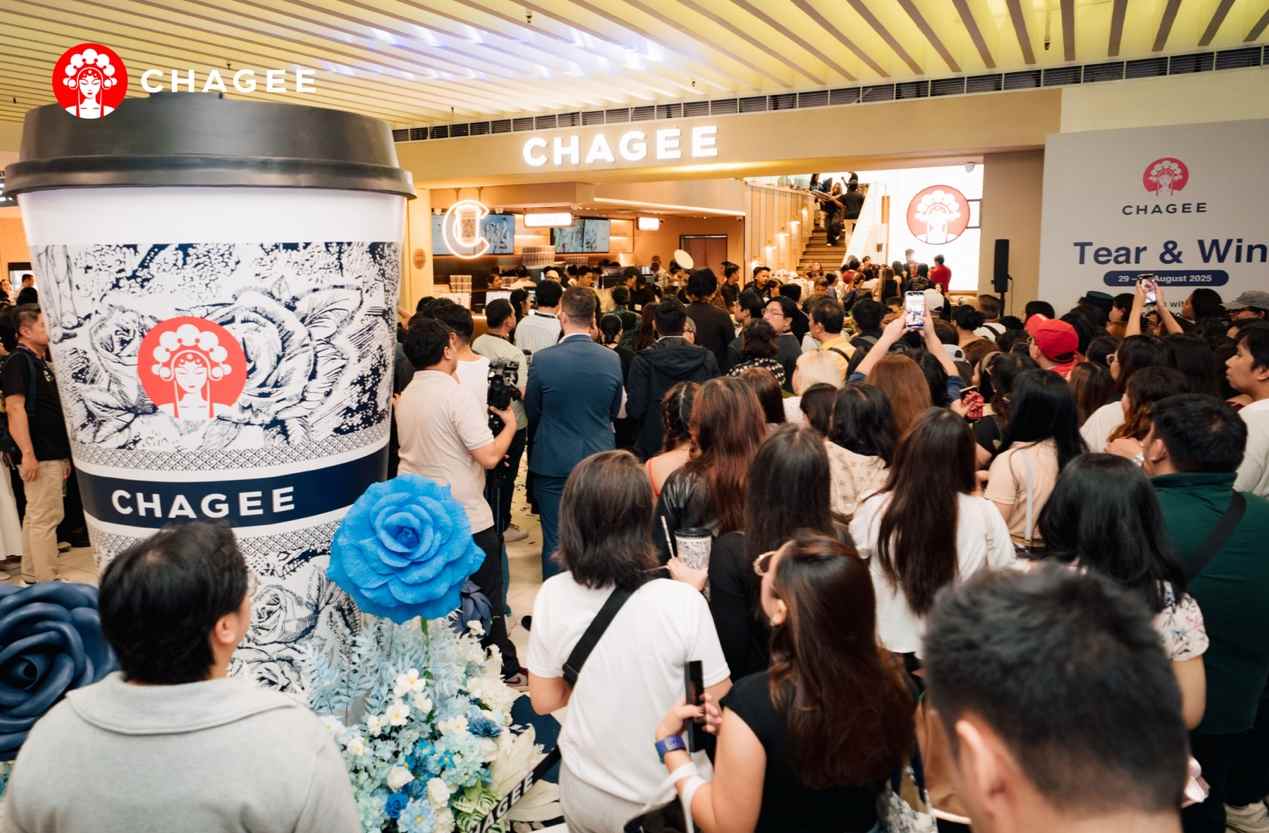
外卖大战,不见霸王茶姬的身影
3 6 Ke· 2025-09-02 09:35
Core Viewpoint - Bawang Chaji, the first stock of new tea drinks in the US market, reported better-than-expected financial results for Q2, showcasing resilience amid a challenging economic environment and a slowing domestic tea drink industry [3] Financial Performance - Total revenue for Q2 reached 3.3319 billion RMB, a year-on-year increase of 10.2% [3] - Adjusted net profit was 629.8 million RMB, with a net profit margin of 18.9% [3] - Gross margin improved to 53.9% [3] - Overseas GMV reached 253.2 million RMB, a significant increase of 77.4% year-on-year [3] - The number of global stores reached 7,038, and registered members surpassed 200 million, with a quarterly net increase of 14.55 million, up 42.7% year-on-year [3][10] Strategic Positioning - The company refrains from engaging in price wars, focusing instead on high-value brand strategy and operational efficiency through technological innovation [5][6] - Bawang Chaji emphasizes product innovation and supply chain refinement to achieve sustainable growth [6] - The company has maintained a consistent pricing strategy while increasing the proportion of GMV from takeout to 52% [10] Product Innovation and Cultural Integration - Bawang Chaji has introduced regionally and seasonally limited products, enhancing its market presence and emotional connection with consumers [9] - The company launched products that respect local cultures, such as "谷香焙茶" in Malaysia and "兰花碧螺春" in Singapore, which have become popular [14] - The brand aims to spread tea culture globally, integrating local traditions and community engagement into its business model [18] International Expansion - Bawang Chaji has expanded its international footprint, opening 208 overseas stores in markets like Malaysia, Thailand, and Singapore [12] - The company has successfully entered the Indonesian market, with significant initial sales and user registrations [12][14] - Bawang Chaji's global strategy includes hiring experienced local management to enhance its market presence in North America [15][16] Employee Welfare and Corporate Culture - The company prioritizes employee welfare, offering supplemental medical insurance and implementing initiatives like "夜洁计划" to improve work-life balance [19][20] - Bawang Chaji promotes a culture of employee-first values, believing that satisfied employees lead to better customer service and, ultimately, improved company performance [19][21] Future Outlook - The company plans to initiate a core ingredient upgrade plan in the second half of the year, focusing on key raw materials [21] - Bawang Chaji aims to transition from rapid expansion to a more refined operational approach, ensuring sustainable growth and value creation for its membership ecosystem [21][22]
外卖大战,不见霸王茶姬的身影
36氪未来消费· 2025-09-02 09:18
Core Viewpoint - The company, Bawang Chaji, has demonstrated resilience in a challenging market by focusing on product innovation and operational efficiency rather than engaging in price wars [4][5][7]. Financial Performance - For the second quarter ending June 30, 2025, Bawang Chaji reported total revenue of 3.3319 billion RMB, a year-on-year increase of 10.2% [4]. - The adjusted net profit was 629.8 million RMB, with a net profit margin of 18.9% and a gross margin of 53.9% [4]. - Overseas market performance was strong, with a GMV of 253.2 million RMB, up 77.4% year-on-year [4]. Market Strategy - Bawang Chaji's founder emphasized the importance of not participating in price wars, advocating for a high-value brand strategy and operational efficiency through technological innovation [7][9]. - The company has maintained a consistent pricing strategy while increasing its GMV from takeout orders to 52% [15]. Product Innovation - Bawang Chaji focuses on product innovation to differentiate itself in a market known for homogenization, launching regionally and seasonally limited products [10][14]. - Signature products like "Boyar Absolute String" have been developed to appeal to a broad consumer base, contrasting with the fruit tea trend [13]. Global Expansion - The company has made significant strides in international markets, with 208 overseas stores opened in regions like Malaysia, Thailand, and Singapore [18]. - Bawang Chaji's entry into new markets, such as Indonesia and the Philippines, has been met with strong consumer interest, evidenced by high initial sales and user registrations [19][20]. Cultural Integration - Bawang Chaji integrates local culture into its product offerings, enhancing its appeal in international markets [27]. - The company has also engaged in community initiatives, such as employing individuals with disabilities and providing healthcare benefits to employees [28]. Future Outlook - The company plans to upgrade core raw materials and continue focusing on sustainable growth strategies, aiming to solidify its position in the market [30]. - Bawang Chaji aspires to become the "Starbucks of the East," indicating ambitious growth and brand recognition goals [31].