赤霞跃金

Search documents
净利跌近四成,狂奔的霸王茶姬急需谋变
虎嗅APP· 2025-12-11 06:00
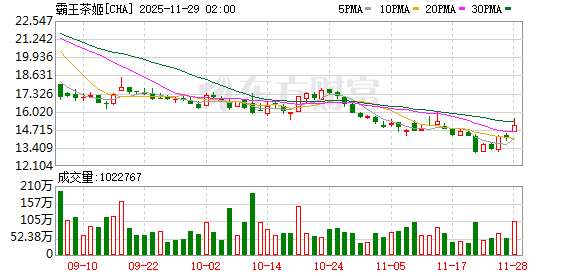
Core Viewpoint - The article discusses the current challenges and strategies of the tea brand Bawang Chaji, highlighting its rapid expansion, declining profitability, and the need for product innovation to maintain market relevance [4][10][40]. Group 1: Financial Performance - Bawang Chaji reported a global store count of 7,338 and a quarterly GMV of 7.93 billion yuan, but faced a net profit decline of 38.5% year-on-year [4]. - The net profit margin decreased from 18.3% to 12.4%, while the operating profit margin fell from 22.4% to 14.2% [4]. - GMV in the Greater China region dropped by 6.2% to 7.63 billion yuan, with average monthly GMV per store declining by 28.3% to 378,500 yuan [5]. Group 2: Product and Innovation Strategy - Bawang Chaji launched a new product, the Boya Juexian Flower Fragrance, after a long wait, but consumer feedback was mixed [2]. - The company aims to enhance product offerings and has plans for a new menu and special tea products, while also maintaining existing popular items [6]. - The brand's reliance on the successful Boya Juexian product, which has generated over 12.5 billion cups sold, poses a challenge for future innovation [25][27]. Group 3: Franchise and Market Dynamics - Franchisees are experiencing profit pressures due to increased competition and a price war in the tea market, with some reporting longer payback periods for their investments [15][19]. - Bawang Chaji has introduced a new revenue-sharing model for franchisees, transitioning from fixed fees to a commission-based structure to improve profitability [17][19]. - The company is facing challenges in securing prime locations for new stores, leading to a competitive environment among franchisees [16]. Group 4: Organizational Changes and Leadership - The arrival of CFO Huang Hongfei marks a significant shift towards a more structured and disciplined financial approach, aiming for a public listing and improved financial models [37]. - The company is undergoing organizational adjustments to balance traditional management with modern operational practices, focusing on product innovation and team collaboration [38][39]. - Founder Zhang Junjie is adapting to the challenges of scaling the business while maintaining a strong focus on product quality and brand identity [40][41].


霸王茶姬发布三季度财报,海外GMV涨超75%
Sou Hu Cai Jing· 2025-11-29 05:47
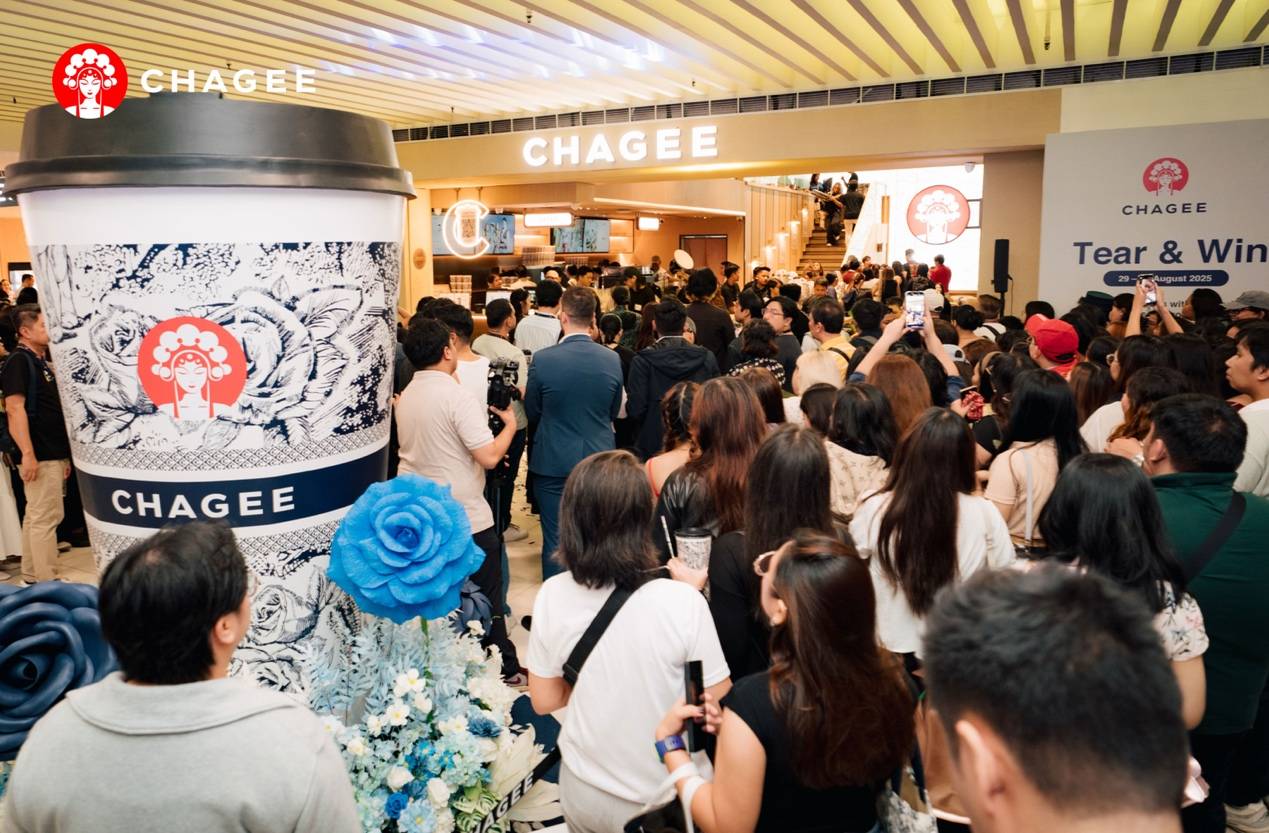
Core Insights - Bawang Chaji (NASDAQ: CHA) reported its Q3 2025 financial results, showing a total GMV of 7.93 billion yuan and net revenue of 3.21 billion yuan, with adjusted net profit at 503 million yuan as of September 30, 2025 [1][2] - The company has achieved profitability for 11 consecutive quarters, with a healthy cash flow of 9.14 billion yuan and no interest-bearing debt [2] Group 1: Financial Performance - As of September 30, 2025, Bawang Chaji's global store count reached 7,338 [1] - The overseas GMV exceeded 300 million yuan, marking a year-on-year increase of 75.3% and a quarter-on-quarter growth of 27.7% [2] - The number of registered members on the Bawang Chaji mini-program reached 222 million, reflecting a year-on-year growth of 36.7% [1][7] Group 2: International Expansion - Bawang Chaji entered the Philippine and Vietnamese markets in Q3, with overseas store count reaching 262 [4] - The company opened three stores in the Philippines on August 29, 2025, selling over 23,000 cups in the first three days [4] - In Malaysia and Thailand, Bawang Chaji launched popular new products and celebrated milestones, including surpassing 200 stores in Malaysia [6] Group 3: Product Innovation and Marketing - Bawang Chaji introduced new products such as "Dian Olive" vitality light fruit tea and regional limited editions that gained popularity [9] - The company launched the "Qingyu Xiangti" series in collaboration with Pop Mart's HACIPUPU, achieving a 50% sales share on the first day in Malaysia [4] - The company opened the largest "Super Tea Warehouse" in Hong Kong, enhancing customer experience with various tea-making methods [7]

霸王茶姬发布三季度财报 将进行首次现金分红
2 1 Shi Ji Jing Ji Bao Dao· 2025-11-29 02:59
Core Insights - Bawang Chaji (NASDAQ: CHA) reported its Q3 2025 financial results, showing a total GMV of 7.93 billion yuan and net revenue of 3.21 billion yuan, with adjusted net profit of 503 million yuan [2] - The company has achieved profitability for 11 consecutive quarters and has a healthy cash flow with total cash and equivalents amounting to 9.14 billion yuan and no interest-bearing debt [2] - The board declared a special cash dividend of approximately 177 million USD, equating to 0.92 USD per share for shareholders [2] Group 1: Financial Performance - As of September 30, 2025, Bawang Chaji's global store count reached 7,338 [2] - The registered member count for the company's mini-program reached 222 million, reflecting a year-on-year growth of 36.7% [2] - The overseas GMV exceeded 300 million yuan, marking a year-on-year increase of 75.3% and a quarter-on-quarter growth of 27.7% [3] Group 2: International Expansion - Bawang Chaji entered the Philippines and Vietnam markets during Q3, with overseas store count reaching 262 [3] - The company opened three stores in the Philippines on August 29, 2025, selling over 23,000 cups in the first three days [3] - In Malaysia and Singapore, the company launched popular new products and activities, achieving significant sales milestones [3] Group 3: Product Innovation and Market Strategy - In Q3, Bawang Chaji introduced new products like "Dian Olive" vitality light fruit tea and regional limited editions that gained popularity [5] - The company opted for "high-quality development" amidst market volatility, maintaining member growth without engaging in price wars [4] - The largest "super tea warehouse" opened in Hong Kong, showcasing innovative tea-making methods and enhancing consumer experience [4]
霸王茶姬发布三季度财报 海外GMV同比大涨超75%
Zheng Quan Ri Bao Wang· 2025-11-28 13:43
Core Insights - Bawang Chaji Holdings reported a strong performance in Q3 2025, with a total GMV of 7.93 billion yuan and net revenue of 3.21 billion yuan, marking a healthy financial position with no interest-bearing debt [1][2] Financial Performance - As of September 30, 2025, the company achieved a total of 7,338 global stores and a net profit of 503 million yuan, continuing a streak of 11 consecutive profitable quarters [1] - The company has a robust cash position with 9.14 billion yuan in cash and equivalents, and it announced a special cash dividend totaling approximately 177 million USD, equating to 0.92 USD per share for eligible shareholders [1] International Expansion - Bawang Chaji's overseas GMV exceeded 300 million yuan, showing a year-on-year increase of 75.3% and a quarter-on-quarter growth of 27.7%, becoming a significant growth driver for the company [2] - The company entered the Philippines and Vietnam markets in Q3 2025, with a total of 262 overseas stores by the end of the quarter [2] Membership Growth and Product Innovation - The registered member count reached 222 million, reflecting a year-on-year growth of 36.7%, despite a competitive e-commerce environment [3] - The company opened its largest "Super Tea Warehouse" in Hong Kong, featuring innovative tea preparation methods, and launched several themed stores in mainland China to enhance customer experience [3] - New product offerings included region-specific items that gained popularity, such as "Red Mandarin Flavor" in Guangdong and "Panda and Flower" collaboration products in Sichuan and Tibet [3]
霸王茶姬发布三季度财报 海外GMV大涨超75%
Ge Long Hui· 2025-11-28 11:52
Core Insights - Bawang Chaji (NASDAQ: CHA) reported its Q3 2025 financial results, showing a total GMV of 7.93 billion yuan and net revenue of 3.21 billion yuan, with adjusted net profit reaching 503 million yuan [1] - The company has achieved profitability for 11 consecutive quarters and has a healthy cash flow with total cash and equivalents amounting to 9.14 billion yuan and no interest-bearing debt [1] - The board announced a special cash dividend totaling approximately 177 million USD, with each ordinary share or ADS receiving 0.92 USD [1] International Business Growth - Bawang Chaji's overseas GMV exceeded 300 million yuan, marking a year-on-year increase of 75.3% and a quarter-on-quarter growth of 27.7%, becoming a significant growth engine for the company [2][3] - The company entered the Philippines and Vietnam markets during Q3, with overseas store count reaching 262 [3] - In Malaysia and Singapore, the company launched popular new products and activities, achieving record sales figures [3][5] Domestic Market Strategy - In response to market fluctuations, Bawang Chaji is focusing on "high-quality development" and has maintained membership growth to 222 million, a year-on-year increase of 36.7% [6] - The company opened the largest "super tea warehouse" in Hong Kong, enhancing customer experience with innovative tea preparation methods [6] - Product innovation includes the launch of regionally popular items, such as "Dian Olive" vitality tea and limited-edition products tailored to local tastes [6]
霸王茶姬(CHA.US)发布三季度财报 海外GMV大涨超75%
智通财经网· 2025-11-28 11:21
Core Insights - Bawang Chaji (CHA.US) reported its Q3 2025 financial results, showing a total GMV of 7.93 billion yuan and net revenue of 3.21 billion yuan, with adjusted net profit of 503 million yuan [1] - The company has achieved profitability for 11 consecutive quarters and has a healthy cash flow with total cash and equivalents amounting to 9.14 billion yuan and no interest-bearing debt [1] - The board declared a special cash dividend of approximately 177 million USD, equating to 0.92 USD per share for shareholders [1] Group 1: Overseas Business Growth - Bawang Chaji's overseas GMV exceeded 300 million yuan, marking a year-on-year increase of 75.3% and a quarter-on-quarter growth of 27.7%, becoming a significant growth engine for the company [2] - The company entered the Philippines and Vietnam markets during Q3, with overseas store count reaching 262 [2] - In Malaysia, Singapore, and Thailand, Bawang Chaji launched popular new products and activities, achieving record sales in these regions [2] Group 2: Membership and Domestic Expansion - The number of registered members reached 222 million, reflecting a year-on-year growth of 36.7%, despite a competitive e-commerce environment [5] - Bawang Chaji opened the largest "Super Tea Warehouse" in Hong Kong, enhancing customer experience with innovative tea-making methods [5] - The company introduced various regional limited products that gained popularity, showcasing its commitment to product innovation [5]
品牌主动营造场景、区域限定创造稀缺、IP内容强化情感:新茶饮成……
Xin Lang Cai Jing· 2025-10-04 05:34
Core Insights - The new tea beverage sector, including milk tea and fruit tea, has significantly contributed to the consumption boom during the dual holidays of National Day and Mid-Autumn Festival, enhancing the "brand + cultural tourism" synergy [2][6][7] Group 1: Consumer Behavior - New tea drinks have become a staple in consumers' leisure lives, with brands launching new products and limited editions to attract customers during the holiday season [2][5] - Emotional connections and brand loyalty play a crucial role in consumer choices, with many customers returning for specific flavors and brand collaborations [3][5] - The habit of consuming tea drinks has become ingrained in daily life, with consumers often ordering beverages during social outings or work breaks [5][6] Group 2: Brand Strategies - Local tea brands are leveraging "brand founder stores + limited economy + IP collaboration" to reshape consumer attraction and engagement [2][3] - The introduction of region-specific products, such as the "Guangdong limited" series by Ba Wang Cha Ji, exemplifies how brands are creating unique experiences to draw in tourists [6][7] - The combination of creating engaging environments, offering exclusive products, and enhancing emotional connections through IP content has effectively transformed tea drinking into a cultural experience [6][7] Group 3: Market Trends - The dual holiday effect has amplified consumer habits, leading to increased frequency of purchases, with some consumers shifting from occasional to daily consumption during holidays [5][7] - New tea drinks are evolving into cultural mediators, connecting local lifestyles with tourist experiences, thus becoming essential stops in travel itineraries [6][7] - The trend of "self-indulgence economy" and habitual consumption is reshaping holiday lifestyles, with tea drinks serving as both a beverage and a cultural symbol of the city [7]


品牌主动营造场景、区域限定创造稀缺、IP内容强化情感:新茶饮成为城市消费新入口
Sou Hu Cai Jing· 2025-10-04 01:14
Core Insights - The dual holiday period of National Day and Mid-Autumn Festival has significantly boosted various consumption sectors, particularly in the new tea beverage category, which has seen brands actively engage consumers through product launches and collaborations [2][5] Group 1: Consumer Behavior - New tea beverages have become essential in holiday consumption, evolving into a staple in many consumers' leisure activities [2][5] - Emotional connections and brand loyalty play a crucial role in attracting consumers, with many customers willing to purchase products not just for taste but for the emotional experience associated with the brand [3][6] - The habit of consuming tea beverages has become ingrained in daily life, with consumers often seeking these drinks during social interactions or breaks, indicating a shift towards habitual consumption [4][6] Group 2: Brand Strategies - Local tea brands are leveraging "brand founder stores + limited economy + IP collaboration" to deepen their integration with urban tourism, effectively reshaping consumer attraction strategies [2][5] - The introduction of region-specific products, such as the "Guangdong limited" series by brands like Ba Wang Cha Ji, exemplifies how tea brands are creating unique experiences that draw tourists and locals alike [5][6] - The combination of creating engaging experiences, regional exclusivity, and emotional branding has allowed new tea beverages to serve as effective conduits for cultural and tourism engagement [6]