新商业模式

Search documents
AI游戏独角兽的焦虑:AI迭代太快,冲击传统VC决策
阿尔法工场研究院· 2026-02-11 10:13
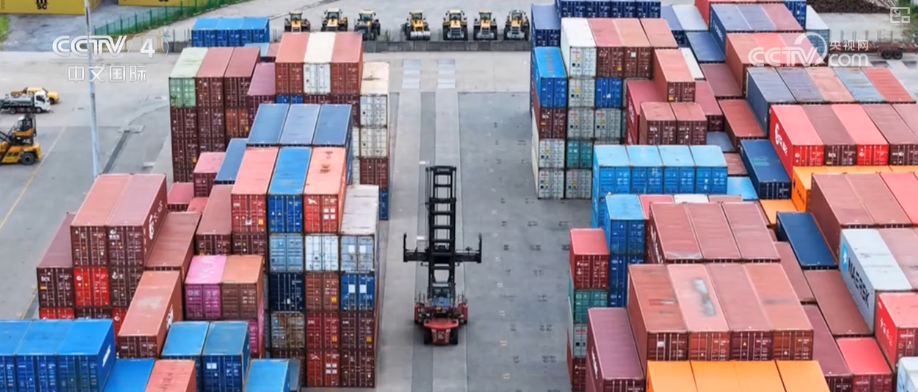
Core Insights - The rapid evolution of AI is surpassing the cognitive boundaries of industry practitioners, leading to a need for continuous adaptation and learning [3][10] - The pace of AI advancements has shifted from a few breakthroughs every few months to significant updates almost weekly, fundamentally altering production processes and work methodologies [5][10] - The ability to keep up with AI developments is becoming a scarce resource, prompting companies to consider hiring dedicated personnel to track cutting-edge research [9][10] Industry Landscape - ByteDance is likely to lead the first tier of AI companies in China, driven by strong execution efficiency, a proactive decision-making approach towards new technologies, and a vast and diverse data pool [11][13][15] - ByteDance's product strategy focuses on user-centric applications rather than merely achieving top rankings in model capabilities, which has resulted in a significant user engagement advantage [16] Business Model Transformation - AI has not created entirely new business models but has restructured existing ones, particularly in the internet sector, by enhancing efficiency and reducing costs [17][19] - Established tech giants benefit more from AI integration due to their existing mature business models and user bases, rather than new startups starting from scratch [18][19] Entrepreneurial Opportunities - The structural changes in productivity mean that tasks that once required large teams can now be accomplished by significantly smaller groups, lowering innovation barriers and accelerating product iteration [22] - The influx of high-quality projects due to AI capabilities may disrupt traditional venture capital decision-making processes, as the volume of viable projects increases dramatically [23][24] Future of AI Development - Current AI models are nearing the intuitive expectations of general intelligence, with future breakthroughs likely to stem from enhanced permissions, long-term memory, and access to high-quality, real-time data sources [26][28][30] - Collaboration between large model companies and specialized data providers may create significant competitive advantages, enhancing user experience through accurate and timely data feedback [31] Societal Impact - The next five to ten years are expected to witness unprecedented changes in societal operations, production structures, and individual capabilities, marking a systemic transformation rather than isolated industry shifts [33][34] - The perception of stability in career paths and industry positions may lead to significant challenges for those who do not adapt to the evolving landscape [38]


多措并举稳住高校毕业生就业基本盘
Xin Lang Cai Jing· 2025-12-24 20:50
Core Viewpoint - The recent Central Economic Work Conference emphasizes the importance of prioritizing people's livelihoods, particularly focusing on stabilizing employment for college graduates as a direct reflection of this commitment [1] Group 1: Employment Stability for College Graduates - Stabilizing employment for college graduates is crucial for enhancing the quality of life and ensuring the future talent pool for the nation [1] - The increasing enrollment rate in higher education has led to over ten million graduates each year, raising demands for job market capacity and structural alignment [1][2] - The resilience and potential of the Chinese economy remain strong, with new industries and business models emerging, creating opportunities for graduates [1][2] Group 2: Expanding Job Demand and Opportunities - Expanding job demand and exploring new job growth areas are essential for stabilizing employment [2] - Policies such as tax reductions, financial support for industries with strong employment absorption capacity, and incentives for innovation and entrepreneurship are necessary to lower employment costs for businesses [2] - Emerging sectors like the digital economy, green economy, and silver economy are creating numerous job opportunities suitable for college graduates [2] Group 3: Enhancing Talent Supply and Market Demand Matching - Improving the matching between talent supply and market demand is key to stabilizing employment [3] - Higher education institutions should proactively align with economic and social needs, enhancing practical and forward-looking course offerings [3] - Collaboration among educational institutions, human resources departments, and businesses is vital to provide quality internships and training programs for graduates [3] Group 4: Comprehensive Employment Services and Support - A detailed and continuous employment service network is necessary to support graduates throughout their job search [4] - Digital tools have significantly improved service efficiency, enabling online recruitment and guidance activities [4] - Special attention should be given to graduates from disadvantaged backgrounds, ensuring targeted assistance and support [4] Group 5: Collaborative Efforts for Employment Promotion - Promoting employment for college graduates requires a collaborative effort from government, educational institutions, businesses, and society [5] - Governments must take responsibility for employment promotion, while educational institutions should focus on improving talent cultivation quality [5] - Businesses are encouraged to fulfill their social responsibilities by providing quality job opportunities and training platforms [5]
霸王茶姬的三道选择题
3 6 Ke· 2025-12-05 02:37
Core Viewpoint - The financial report for Q3 2025 from Bawang Chaji highlights significant growth in overseas markets, with overseas GMV reaching 303 million yuan, a year-on-year increase of 75.3%. However, domestic GMV decreased to 7.6292 billion yuan compared to 8.1301 billion yuan in the same period of 2024, indicating challenges in the domestic market due to competition and slowed expansion [1]. Group 1: Market Competition and Strategy - Bawang Chaji has chosen not to participate in the ongoing food delivery wars, which has led to a unique position compared to other brands that have heavily invested in this area without clear winners emerging. The company aims to maintain stability and prepare for long-term competition by refining product development and store models [2][4]. - The company’s decision not to engage in the food delivery battle is debated among franchisees, with some believing it may lead to missed opportunities, while others argue that it protects profit margins from the high costs associated with delivery subsidies [5][6]. - The company has maintained a low store closure rate of 0.3% over three consecutive quarters, significantly lower than the industry average of 2%-10%, indicating healthy operational performance [8]. Group 2: New Business Model and Product Development - Starting January 1, 2026, Bawang Chaji will implement a new business model that includes significant discounts on raw materials and a shift from a supply chain model to a GMV revenue-sharing model, which aims to align the interests of the brand and franchisees [9][10]. - The company has been cautious in launching new products, focusing on maintaining brand integrity and operational efficiency. Recent product iterations, such as the new floral version of the popular "Boya Juexian," reflect this strategy [12][14]. - Despite a slower pace in national product launches, regional innovations have been successful, with new products gaining popularity in specific markets, indicating a strategic focus on localized offerings [15][17]. Group 3: Long-term Vision and Market Positioning - The new tea beverage market is characterized by rapid growth, with over 415,000 stores nationwide and a high chain rate of 55.2%. Bawang Chaji's strategy to remain calm and focus on long-term value rather than short-term gains positions it well for future competition [20][22]. - Franchisees have shown loyalty to Bawang Chaji, with many reporting stable or increasing sales, particularly in regions where the brand has established a strong presence. This loyalty is attributed to the brand's focus on product quality and value [22]. - The company is committed to enhancing its strategic approach across brand, product, experience, and channel dimensions, which, combined with the new business model, is expected to drive significant improvements in store performance [23].

霸王茶姬的三道选择题
36氪未来消费· 2025-12-05 01:04
Core Viewpoint - The article discusses the strategic decisions made by the company BaWang Tea Ji in response to market challenges, particularly its choice to avoid participating in the intense food delivery competition, focusing instead on long-term stability and product development [3][4][32]. Financial Performance - In Q3 2025, BaWang Tea Ji reported an overseas GMV of 303 million yuan, a year-on-year increase of 75.3%, while domestic GMV decreased to 7.6292 billion yuan from 8.1301 billion yuan in the same period of 2024 [3]. Market Strategy - The company opted not to engage in the food delivery battle, which has led to significant financial strain on many competitors, with major platforms spending over 44 billion yuan in Q3 without clear winners emerging [4][9]. - BaWang Tea Ji's decision to refrain from the food delivery competition is seen as a protective measure for its franchisees, ensuring their profitability amidst rising costs associated with delivery services [8][10]. Franchisee Perspective - Franchisees have mixed opinions on the company's decision not to participate in the food delivery competition, with some believing it may lead to missed opportunities, while others appreciate the focus on maintaining profitability [7][8]. - The company has communicated that engaging in the food delivery battle would directly impact franchisee earnings, as the profit model heavily relies on in-store sales rather than delivery [8][9]. New Business Model - Starting January 1, 2026, BaWang Tea Ji plans to implement a new business model that includes significant discounts on raw materials and a shift from a supply chain model to a GMV sharing model, which aims to align the interests of the brand and franchisees [11][12]. - This new model is expected to enhance collaboration with franchisees, allowing for shared risks and potentially higher overall GMV [12][13]. Product Development - The company has been cautious with new product launches, focusing on maintaining brand integrity and operational efficiency, with a notable product iteration occurring in November 2025 [15][18]. - Despite a slower pace in national product launches, regional innovations have been successful, indicating a strategic focus on localized market needs [19][21]. Long-term Vision - BaWang Tea Ji is positioning itself as a stable player in the market, emphasizing the importance of product development, supply chain strength, and long-term profitability over short-term gains [32][31]. - The company aims to enhance its strategic framework across brand, product, experience, and channel dimensions, preparing for future market challenges [33][34].

瑞士学者:科技公司界限开始模糊 AI应用的终极目标是传统企业
Xin Lang Ke Ji· 2025-11-26 23:13
Core Insights - The article discusses the blurring boundaries between hardware, software, and services in the tech industry, driven by geopolitical uncertainties and the integration of artificial intelligence (AI) [3][4]. Group 1: Industry Trends - The traditional segmented business models in the tech sector are becoming obsolete, as companies now focus on providing a complete user experience rather than specializing in hardware or software [3]. - The IMD's Future Readiness Indicator evaluates companies based on seven dimensions, including financial foundation, investor growth expectations, business diversity, employee structure, R&D investment, early innovation outcomes, and cash and debt management [3][4]. - A clear divide is emerging between strong and weak companies, with some leveraging AI for growth while others remain trapped by past successes [4]. Group 2: Company Performance - In the pharmaceutical sector, leaders like Johnson & Johnson, Roche, and AstraZeneca have built comprehensive systems from basic research to next-generation treatment platforms, while companies reliant on traditional products are struggling [4]. - In the fashion industry, companies that have embraced platformization and supply chain resilience are thriving, while those slow to adapt are losing touch with modern consumers [5]. - The strongest companies in the tech sector, such as NVIDIA, Microsoft, and Google, are not just selling products but controlling the entire IT technology stack, allowing them to manage workflows effectively [6][7]. Group 3: Investment Landscape - The current investment landscape in the U.S. is characterized by significant funding directed towards AI-driven projects, with estimates of $600 to $700 billion being invested every six months [8]. - Tech giants are hedging against the risk of AI applications not generating substantial revenue, indicating a strategic shift towards ensuring that their investments create real economic value [9]. - The article suggests that China has advantages in the emerging field of robotics and AI applications, positioning itself well for future developments [10].






瑞士学者:为什么小米能实现强势回归?
Xin Lang Ke Ji· 2025-11-26 23:12
Core Insights - The article discusses the impact of geopolitical uncertainties on technology development and highlights the blurring boundaries between hardware, software, and services in the tech industry [1][3]. Group 1: Industry Trends - The traditional segmented business models in the tech industry are becoming obsolete, with companies now focusing on providing a complete user experience rather than specializing in hardware or software [3]. - The IMD's Future Readiness Indicator evaluates companies based on their long-term competitiveness across seven dimensions, including financial foundation, investor growth expectations, business diversity, employee structure, R&D investment, early innovation outcomes, and cash and debt management [3][4]. Group 2: Company Performance - The 2025 Future Readiness Indicator reveals a clear divide between strong and weak companies, with some leveraging AI and geopolitical changes for growth while others remain trapped by outdated success paths [4]. - In the pharmaceutical sector, leading companies like Johnson & Johnson, Roche, and AstraZeneca have built comprehensive systems from basic research to next-generation treatment platforms, while others struggle due to reliance on traditional products [4]. Group 3: Fashion Industry Insights - In the fashion industry, platformization and supply chain resilience are critical, with luxury brands leveraging "super luxury combinations" to enhance lifestyle offerings [5]. - Companies that fail to adapt and modernize their brand culture are losing touch with contemporary consumers, while those with diversified ecosystems can absorb market shocks and turn volatility into an advantage [5]. Group 4: Technology Giants - Leading tech companies such as NVIDIA, Microsoft, Google, and Meta are not just selling products but are controlling the entire IT technology stack, allowing them to manage workflows effectively [6][7]. - Xiaomi is highlighted as a unique case, successfully expanding from smartphones to home appliances and vehicles while maintaining a connected ecosystem that enhances user experience [7]. Group 5: AI Investment Landscape - The current investment landscape in the U.S. is characterized by significant funding directed towards AI-driven projects, with major companies investing approximately $600 to $700 billion every six months [8]. - Concerns arise regarding the sustainability of these investments if AI applications do not yield substantial returns, prompting tech giants to hedge their bets by ensuring that traditional companies can create real value through AI [9]. Group 6: Competitive Advantages - The article emphasizes that the strongest companies are those that do not rely on a single product but possess the capability to manage entire ecosystems [5][6]. - The next wave of innovation is expected to focus on real-world interactions, with significant investments in robotics and AI applications that extend beyond traditional industries [9][10].
20+车企及电池企业领袖演讲 2025高工锂电年会即将开启
高工锂电· 2025-11-04 11:54
Core Points - The 2025 (15th) High-tech Lithium Battery Annual Conference will be held from November 18-20, 2025, at the JW Marriott Hotel in Shenzhen, focusing on the key issues of the Chinese power battery industry entering a new cycle [3][4][6] - The theme of the conference is "Fifteen Years of Innovation, Looking Ahead to New Journeys," emphasizing the transition of Chinese companies from leading globally to integrating into the global market [6] - Over 1,500 entrepreneurs, investors, and technical experts will participate, discussing supply chain security, international competition, innovation breakthroughs, and capital trends [5][6] Event Details - The conference will last for three days and feature 12 specialized sessions covering core areas such as power batteries, energy storage, materials, equipment, vehicles, and international expansion [4] - More than 20 leaders from major companies in the battery sector are confirmed to deliver keynote speeches, addressing the challenges and opportunities in the new cycle of industry development [6][8][9] Notable Speakers - Keynote speakers from the battery sector include leaders from companies such as CATL, EVE Energy, and Aulton, among others [8] - Notable speakers from the terminal sector include executives from XPeng Motors, EHang, and other industry leaders [9]





广电运通:公司投资方式主要以控股为主
Zheng Quan Ri Bao Zhi Sheng· 2025-08-22 11:47
Core Viewpoint - The company, Guangdian Yuntong, focuses on controlling stakes in growth-stage enterprises with strong revenue and net profit, emphasizing the importance of growth potential and sustainable profitability [1] Group 1: Investment Strategy - The company's primary investment approach is to hold controlling stakes, favoring enterprises that are in their growth phase [1] - The company targets high-quality candidates that have reached a certain revenue scale and exhibit good net profit [1] Group 2: Focus Areas - Guangdian Yuntong is concentrating on two main themes: "artificial intelligence" and "data elements X" [1] - The company aims to explore and promote mergers and acquisitions of high-quality targets in fields such as hard technology, new production capacity, domestic substitution, and new business models [1]

“三新”经济动能澎湃 成为激活经济“新”引擎
Yang Shi Wang· 2025-08-01 06:56
Core Insights - The "Three New" economy in China achieved a value-added of 242,908 billion yuan in 2024, growing by 6.7% compared to the previous year, which is 2.5 percentage points higher than the GDP growth rate [1] - The share of the "Three New" economy in GDP reached 18.01%, an increase of 0.43 percentage points from the previous year [1] Group 1: Definition and Components - The "Three New" economy consists of new industries, new business formats, and new business models [2] - New industries are characterized by the application of new technologies and innovations, leading to the emergence of new economic activities [2] - New business formats arise from diverse consumer demands and technological innovations, creating new operational forms and service models [2] - New business models integrate various elements to achieve user value and sustainable profitability, often combining internet technology with traditional industries [2] Group 2: Growth Trends - The value-added of the "Three New" economy has been increasing annually since its first official release in 2018, surpassing 20 trillion yuan in 2022 [3] - The proportion of the "Three New" economy in GDP has also risen consistently, from 15.7% in 2017 to over 18% in 2024 [4] Group 3: Expert Analysis - The increasing share of the "Three New" economy indicates an accelerated optimization of the economic structure and improved supply-demand matching [5] - New industries provide additional growth points, while mature new business formats expand market opportunities for sustainable development [5] - The "Three New" economy serves as a testing ground for technological advancements, enhancing the alignment between technology development and practical needs [5] Group 4: Future Development Strategies - To ensure the sustainable development of the "Three New" economy, efforts should focus on establishing clear industry standards, optimizing business models, and promoting technological innovation [6] - Government should maintain fair competition and effective regulation, while the market should facilitate resource allocation [6] - Key areas for development include standard-setting, application scenario optimization, and accelerating the industrialization of technology [6]
中国成全球经济增长动力之源与稳定之锚 “酷元素”推动经济增长更均衡
Yang Shi Wang· 2025-07-31 08:28
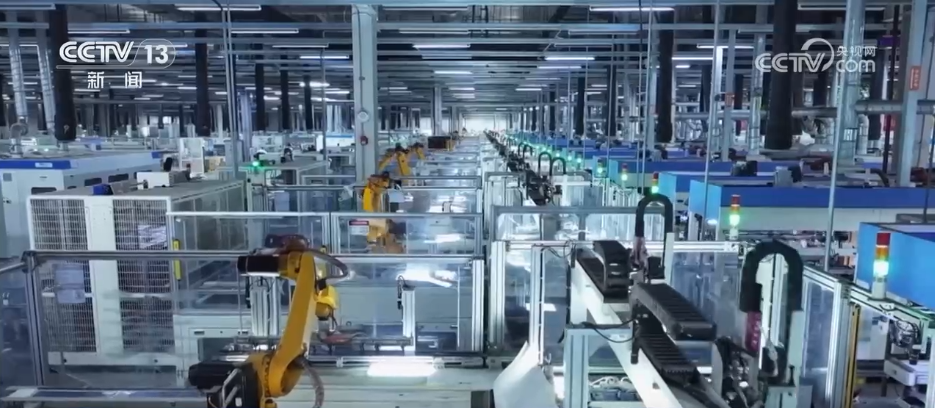
Group 1 - The International Monetary Fund (IMF) has raised China's economic growth forecast for 2025 by 0.8 percentage points to 4.8%, reflecting better-than-expected economic activity in the first half of the year [1] - China's economy has shown resilience and momentum amid global uncertainties, with positive evaluations from multiple foreign media and think tanks, positioning China as a source of global economic growth and stability [4] - Despite facing tariff challenges, China's exports performed well in the first half of the year, with expectations for continued support for growth in the second half, aiding in achieving annual economic growth targets [4] Group 2 - The emergence of "cool elements" in China's technology and business developments has been noted, with significant advancements in artificial intelligence and innovation showcased at events like the World Artificial Intelligence Conference [6][8] - China is undergoing an industrial upgrade, fostering internationally competitive enterprises and products that are not reliant on single external markets, emphasizing the importance of scientific strength and open collaboration [8] - New business models are continuously emerging from China, with innovations such as live-streaming e-commerce being adopted globally, showcasing China's transition from a low-cost manufacturer to a global innovator [11]