关键矿产博弈

Search documents
被多国竞逐,中亚关键矿产家底有多厚?
Huan Qiu Shi Bao· 2026-02-26 06:47
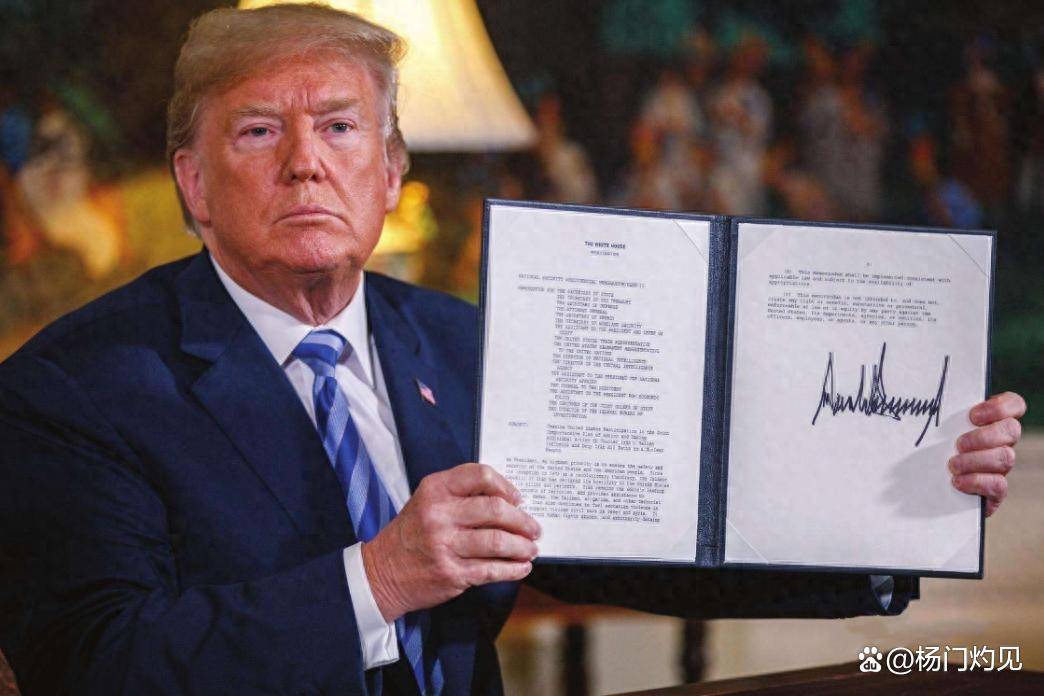
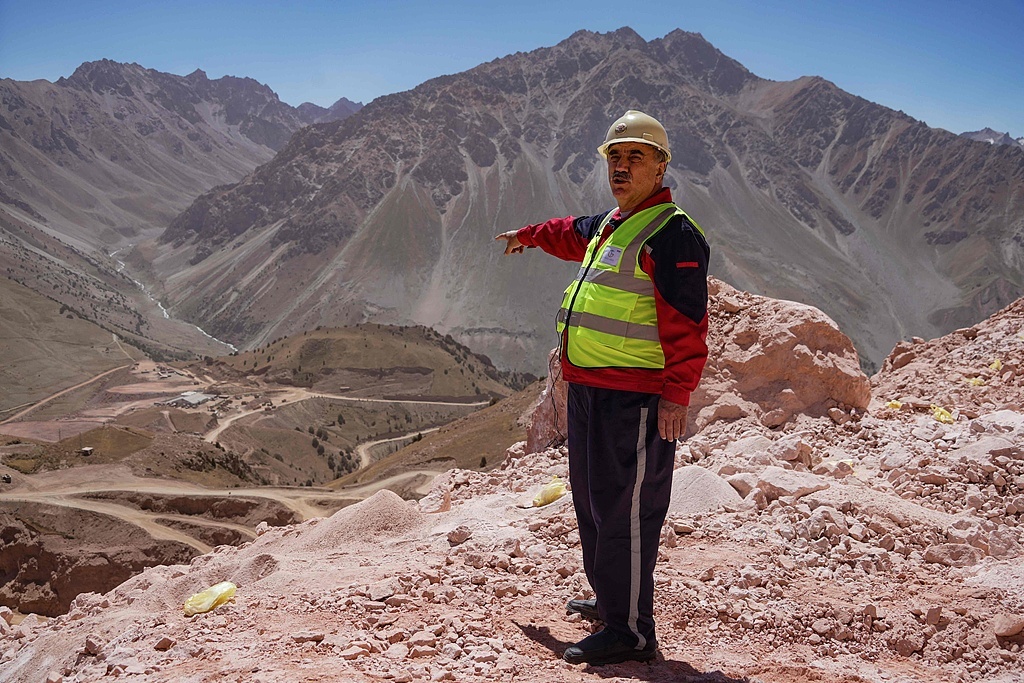
Core Insights - The United States has signed an agreement with Uzbekistan to secure a more stable supply of critical mineral resources, highlighting the strategic importance of these resources in the global energy transition and technological revolution [1] Group 1: Strategic Importance of Critical Minerals - Critical minerals have evolved from mere industrial raw materials to key elements reshaping global industrial and geopolitical landscapes [1] - Central Asia is rich in various critical mineral resources, attracting global attention, with the region being described as "extremely wealthy" by former U.S. President Trump [2][3] Group 2: Mineral Resources in Central Asia - Central Asia has become a significant player in the global strategic resource production, with countries like Kazakhstan, Kyrgyzstan, and Uzbekistan holding substantial reserves of critical minerals [3] - Uzbekistan has identified over 30 types of mineral resources, ranking as the fifth-largest uranium supplier globally and the 11th in copper reserves [4] - Tajikistan's antimony production accounts for 10% of global supply, with the country producing approximately 21,000 tons in 2023 [2] Group 3: Challenges in Mineral Development - The mining sector is a crucial economic pillar for Kazakhstan and Uzbekistan, contributing approximately 17% and 8% to their GDP, respectively [5] - Central Asia faces challenges in mineral development, including outdated geological survey data and limited investment, which hinder resource exploitation [5][7] - The region's reliance on outdated power infrastructure and seasonal electricity shortages poses significant barriers to expanding mining operations [7] Group 4: Future Development Plans - Kazakhstan aims to modernize its mining sector, viewing critical mineral development as a priority, with plans for extensive geological exploration and investment in processing technologies [8][9] - Kyrgyzstan has approved a development plan for critical minerals, targeting an annual export increase to $1 billion by 2030 [9] - Uzbekistan plans to implement a $2.6 billion project for rare metal extraction and processing over the next three years [9]
【环时深度】被多国竞逐,中亚关键矿产家底有多厚?
Huan Qiu Shi Bao· 2026-02-25 22:55
Core Insights - The article discusses the strategic importance of critical mineral resources in Central Asia, highlighting the region's rich deposits and the geopolitical implications of their extraction and trade [1][10]. Group 1: Mineral Resources Overview - Tajikistan's antimony production accounts for 10% of global supply, with an estimated output of 21,000 tons in 2023, representing a quarter of the world's total [4]. - Central Asia is home to significant mineral reserves, with manganese, chromium, lead, zinc, titanium, aluminum, copper, and cobalt having substantial global shares [4]. - Kazakhstan is noted for having the largest chromium reserves globally, estimated at 230 million tons, and is the second-largest producer of chromium [5]. Group 2: Regional Developments - Uzbekistan is rapidly establishing itself as a regional mineral hub, identifying over 30 types of mineral resources, including lithium and molybdenum, and is the fifth-largest uranium supplier globally [6]. - Kazakhstan's geological surveys have revealed a new rare earth metal deposit estimated to exceed 20 million tons, potentially making it the third-largest in the world [5]. - Kyrgyzstan is gaining recognition for its lithium and antimony reserves, which are crucial for battery and electronic device manufacturing [7]. Group 3: Economic Impact and Challenges - The mining sector significantly contributes to the GDP of Kazakhstan (17%) and Uzbekistan (8%), reflecting the region's mining tradition and existing extraction conditions [8]. - Challenges include outdated geological data, limited investment, and a lack of local processing capabilities, which hinder the development of critical mineral resources [9][8]. - The region requires an estimated $20 billion investment by 2030 to upgrade infrastructure and integrate renewable energy for mining operations [9]. Group 4: Future Plans and Concerns - Kazakhstan aims to modernize its mining sector, with plans for extensive geological exploration and the introduction of advanced processing technologies [10]. - Kyrgyzstan's government has set a goal to increase critical mineral exports to $1 billion by 2030 and attract $700 million in foreign direct investment [11]. - Concerns exist regarding the potential for increased dependency on commodity exports and the associated socio-economic inequalities if investments remain focused solely on resource extraction [11].

碳酸锂冲上18万:江西“供给不确定”成最大推手?
高工锂电· 2026-01-23 10:29
Core Viewpoint - The ongoing competition for critical minerals is intensifying, impacting market dynamics and pricing strategies in the lithium sector [2]. Supply Chain Dynamics - The recent surge in lithium carbonate futures prices, reaching 180,000 yuan/ton, signals a strong market rebound, driven by simultaneous tightening across three supply chains: reduced supply from Jiangxi and salt lakes, high overseas lithium spodumene transaction prices, and pre-holiday export and inventory buildup expectations [3][5]. - The focus of market discussions has shifted from resource availability in Jiangxi to the stability of the mining, processing, and tailings disposal compliance chain [6]. - Environmental and tailings disposal constraints in Jiangxi's lithium mica mining operations are tightening, raising concerns about potential production halts or reductions, particularly related to tailings issues [7]. - Seasonal maintenance at some lithium salt plants is expected to amplify supply contraction concerns, even if these actions are typically seasonal [8]. - There are signs of inventory depletion in the spot market, with total lithium carbonate inventory decreasing week-on-week [9]. Cost Factors - The recent auction of Wodgina's 5.49% lithium spodumene concentrate at a price of 16,852 yuan/ton indicates that marginal costs for lithium carbonate are approaching the 160,000 to 170,000 yuan/ton range, providing a clearer price anchor for futures amid supply uncertainties [10]. Demand Perspectives - At the 180,000 yuan/ton price level, there are diverging views on demand drivers. One perspective suggests that adjustments in export tax incentives are leading to pre-holiday inventory buildup, which is tightening spot market liquidity [11][12]. - Conversely, a more cautious viewpoint indicates that high prices and the seasonal lull may suppress proactive purchasing, suggesting that demand has not significantly expanded, with price increases driven more by supply-side factors [13]. - If post-holiday demand does not meet expectations and supply normalizes, inventory structures may rebalance [14]. - The price elasticity around 180,000 yuan is primarily influenced by supply certainty and spot market conditions, with demand determining the pace of market activity [15]. Structural Background - The current market dynamics are also influenced by a longer-term narrative of risk premiums associated with critical mineral competition [16]. - Recent actions by Nigeria's security and mining authorities to intercept illegal lithium transport highlight the increasing regulatory compliance and enforcement in resource-rich countries [17]. - The Democratic Republic of Congo has submitted a shortlist of state-owned mining assets, including lithium, to the U.S. for potential investment, indicating a strategic push for resource partnerships [18]. - The EU's free trade agreement with the South American Common Market is seen as a strategic move, although it faces legal and political uncertainties within the EU [19]. - These developments underscore that the availability of critical minerals is increasingly dependent on regulatory frameworks and geopolitical arrangements, rather than just cash costs of mining [20]. - While these factors may not immediately alter global lithium supply volumes, they will likely lead to a reassessment of compliance resources, political risks, and supply chain control, making prices more susceptible to fluctuations in response to localized disruptions [21].

美国想摆脱对中国的依赖,打算给稀土定个最低价,但英国说:我们先不掺和
Sou Hu Cai Jing· 2025-12-17 19:01
Core Viewpoint - Rare earths are essential resources for high-tech and advanced technologies, with China dominating global production and refining capabilities [2][4]. Group 1: Western Actions on Rare Earths - The West is increasingly focused on rare earths, with the EU discussing price floors and potential tariffs on Chinese exports to stimulate local investment [2][4]. - The U.S. has provided price guarantees to domestic rare earth companies as part of a broader defense investment strategy [2][4]. - Australia and Canada are also considering measures to enhance their rare earth sectors, including foreign investment scrutiny [2][4]. Group 2: UK's Strategic Position - The UK currently sources only 6% of its critical minerals domestically and aims to meet 10% of its needs through local mining and 20% through recycling by 2035 [4]. - A lithium processing project in Northern England is expected to start soon, targeting a production capacity of at least 50,000 tons by 2035 [4]. - The UK has allocated up to £50 million to support its critical minerals strategy, reflecting a cautious approach rather than a blind follow of other Western nations [4][5]. Group 3: Challenges in Supply Chain Development - China's dominance in the rare earth sector, with approximately 70% of global mining and 90% of refining capacity, poses significant challenges for the West in diversifying supply sources [4][6]. - Rebuilding a competitive rare earth supply chain is a long-term and complex endeavor, requiring substantial time, technology, funding, and market patience [4][6]. - The West's current initiatives highlight a pressing desire to reduce reliance on China, but they also reveal shortcomings in resource, cost, and technology integration [6].
稀土产量全球第二?挖在美国,炼在中国,为摆脱依赖下了血本!
Sou Hu Cai Jing· 2025-12-06 09:42
Core Insights - The control of critical minerals essential for modern technology, such as rare earth elements, graphite, and germanium, is predominantly in China's hands, posing a strategic challenge for the U.S. [1][2] Group 1: Mineral Dependency and Refining Challenges - The U.S. relies heavily on China for the refining of critical minerals, with China dominating the refining process for 31 out of 50 key minerals listed by the U.S. Geological Survey [2] - Despite having the second-largest rare earth mine, the U.S. must ship its raw materials to China for processing, highlighting a significant gap in domestic refining capabilities [2][4] - The U.S. has attempted to support domestic refining projects, such as a rare earth refinery in Nevada, but has faced delays due to a lack of core separation technology [4][7] Group 2: Impact of Export Restrictions and Tariffs - China's export restrictions on unrefined germanium have directly impacted U.S. semiconductor production, leading to a temporary shutdown of some production lines [6] - The U.S. has responded to these challenges by imposing tariffs on various minerals, but this has resulted in increased costs for American companies, such as Ford, which saw a $30 increase in battery costs due to tariffs on graphite [6][9] - The U.S. is also highly dependent on certain minerals, like antimony, which is critical for armor-piercing ammunition, complicating the imposition of tariffs [6] Group 3: Long-Term Strategies and Alternatives - The U.S. Department of Defense has invested significantly in domestic projects, with $439 million allocated over four years, but projects face environmental and regulatory hurdles [7] - The timeline for establishing new mining operations in the U.S. is lengthy, with some projects taking over a decade to receive necessary permits, while Chinese facilities can be operational in just 18 months [8][9] - Efforts to develop alternative materials, such as non-rare earth motors and sodium-ion batteries, are still in experimental stages and have not yet proven viable for high-end applications [8][9] Group 4: International Collaboration and Supply Chain Issues - The U.S. is seeking to build a "mineral security partnership" with allies, but countries like Australia and Canada are hesitant to invest in refining capabilities due to their own economic considerations [9] - The competition for critical minerals is a long-term strategic issue, with no immediate resolution in sight for the U.S. [9]
刚拿到中国稀土,特朗普又变卦了,列出一份名单,下一步要加税?
Sou Hu Cai Jing· 2025-11-13 01:53
Core Viewpoint - The U.S. government's update of the "critical minerals list" raises concerns about future economic relations with China, especially following recent trade agreements and China's response to rare earth exports [1][4]. Group 1: Critical Minerals List - The updated list includes ten new elements such as copper, silver, metallurgical coal, uranium, and boron, aimed at reducing dependence on foreign adversaries and expanding domestic production [3]. - The inclusion of these minerals will subject them to national security investigations under Section 232 of the Trade Expansion Act, potentially leading to increased tariffs if supply risks are identified [4]. Group 2: Implications for U.S. Industry - Each newly added mineral corresponds directly to U.S. import dependence on China, indicating a strategic move by the Trump administration to create a "de-China" mineral supply chain [6]. - For instance, metallurgical coal, essential for steel production, has abundant domestic reserves but higher extraction costs compared to China, which could lead to increased production costs for U.S. steel companies if tariffs are imposed [7]. Group 3: Timing and Strategic Intent - The timing of the list's release coincides with the recent U.S.-China tariff truce and the gradual issuance of rare earth export licenses by China, suggesting a dual strategy to leverage both Chinese supplies and domestic production incentives [9]. - Despite the administration's optimistic outlook, challenges such as labor shortages, lengthy environmental approval processes, and outdated extraction technologies may hinder the effectiveness of these policies [9].