
高端医疗器械创新

Search documents
支持创新药和医疗器械发展 激发研发活力呵护百姓健康
Xin Hua Wang· 2025-11-23 08:03
Group 1: Industry Transformation - China has transitioned from being viewed as a low-cost supplier of raw materials in the global pharmaceutical industry to becoming a significant source of drug innovation [1] - The "14th Five-Year Plan" emphasizes support for the development of innovative drugs and medical devices, indicating a robust growth trajectory for China's pharmaceutical industry with enhanced innovation and global competitiveness [1] - The National Medical Products Administration (NMPA) has implemented reforms to accelerate drug review and approval processes, establishing mechanisms to expedite the market entry of innovative drugs [1] Group 2: Regulatory Support and Innovation - The NMPA has introduced four expedited pathways for drug approval, including breakthrough therapy designation and priority review, significantly reducing the average review time for innovative drugs [1] - In 2024, the average review time for innovative drug applications is projected to be 225 working days, with priority-reviewed drugs taking only 162 working days [1] - Recent approvals of innovative medical devices, such as single-use pressure monitoring catheters and aortic stent systems, reflect the NMPA's commitment to supporting high-end medical device innovation [2] Group 3: Global Market Engagement - China's pharmaceutical industry has become the second-largest market globally, attracting increased investment and interest from foreign pharmaceutical companies [3] - The country is now participating in the global launch of new drugs, with examples like the global first launch of certain monoclonal antibodies in China, allowing local patients to access the latest treatments sooner [2] - Despite progress, there is a recognition of the need for more original innovative drugs and foundational research in the life sciences to enhance China's source innovation capabilities [3]
中国高端医疗器械创新再下一城 国内首款主动脉瓣反流介入瓣膜获批
Zheng Quan Shi Bao Wang· 2025-09-05 09:49
Core Viewpoint - The J-Valve TF transcatheter aortic valve system, developed by Jiesheng Medical, has received approval from the National Medical Products Administration (NMPA) in China, offering a minimally invasive treatment option for millions of patients suffering from aortic regurgitation [1][2]. Company Overview - Jiesheng Medical, established in 2009, is one of the earliest companies in China to develop transcatheter aortic valve replacement (TAVR) products. Its first-generation product, J-Valve TA, was approved by NMPA in 2017 and has treated over ten thousand patients across nearly 200 major hospitals in China [2][3]. - The new J-Valve TF valve utilizes a femoral artery approach, allowing treatment for patients with various anatomical structures and reducing surgical trauma and recovery time [2][3]. Clinical Research and Market Potential - Clinical studies indicate that the J-Valve TF valve is particularly effective for treating non-calcified aortic regurgitation, with a significant clinical performance advantage [3]. - As of 2020, there were 20 million patients globally with aortic stenosis, with 4.4 million in China. By 2030, these numbers are expected to rise to over 23 million globally and 5.2 million in China. The prevalence of aortic regurgitation is comparable to that of aortic stenosis, indicating a substantial market opportunity for TAVR procedures in China, which currently has a low penetration rate of approximately 17,000 procedures annually [3]. International Recognition and Collaboration - Jiesheng Medical's innovative approach has gained international recognition, with Edwards Lifesciences acquiring overseas rights to the J-Valve valve, marking a significant milestone for Chinese medical devices in the global market [4]. - The J-Valve TF valve has shown promising results in early feasibility trials in the U.S., achieving a 93.3% procedural success rate and a 0% in-hospital mortality rate, leading to further clinical trials by Edwards in the U.S. [5]. Industry Insights - The medical device industry is characterized by high technical content, complex supply chains, and stringent regulatory oversight. The successful international expansion of the J-Valve valve demonstrates that innovative solutions addressing clinical needs can achieve global acceptance [6].
归创通桥(2190.HK):政策拐点已至 利润增速超预期 迎来戴维斯双击
Ge Long Hui· 2025-08-21 19:35
Core Viewpoint - The company reported strong mid-year performance for 2025, with significant revenue and profit growth driven by its neurovascular and peripheral vascular intervention products [1][2]. Group 1: Financial Performance - The company achieved operating revenue of 482 million yuan, an increase of 31.7% year-on-year [1] - Gross profit reached 343 million yuan, up 31.5%, with a gross margin of 71.2%, slightly down by 0.1 percentage points [1] - Unadjusted profit was 121 million yuan, a 76.0% increase, while adjusted profit was 131 million yuan, up 68.1% [1] - Cash on hand amounted to 2.53 billion yuan [1] Group 2: Product Performance - Neurovascular intervention products generated revenue of 305 million yuan, accounting for 63.3% of total revenue, with a growth of 25.0% [1] - Peripheral vascular intervention products saw revenue of 177 million yuan, a 46.2% increase, raising their revenue share to 36.6% [1] Group 3: Cost Management - The company improved operational efficiency, with sales and distribution expense ratio at 17.7%, down 4.2 percentage points [1] - Research and development expense ratio was 25.2%, down 2.5 percentage points [1] - Administrative expense ratio stood at 11.6%, down 0.3 percentage points [1] Group 4: Market Opportunities - The company has seen significant success in centralized procurement, with notable wins in various product categories [2] - The global neurointerventional market is valued at approximately 7 billion USD, with China accounting for 15%-20% [2] - The global peripheral intervention market is around 10 billion USD, with China representing 12%-15% [2] - The company has a diverse product matrix, with 73 products approved or in development, and 22 products commercialized in 27 countries [2] Group 5: International Expansion - The company is expanding its international business, particularly in Europe and emerging markets like Brazil, India, and South Africa [2] - Overseas sales revenue reached 15.72 million yuan, a year-on-year increase of 36.8% [2]
政策引领医疗器械企业聚焦高端创新
Zheng Quan Ri Bao Zhi Sheng· 2025-08-20 16:38
Group 1 - The medical device sector has gained significant attention, with 125 out of 131 companies in the A-share market experiencing stock price increases in the past month, and Sino Medical Science Technology Co., Ltd. achieving a remarkable stock price increase of 207.59% [1] - Institutional investors are actively researching the medical device industry, indicating a reassessment of growth potential in this sector [1] - The Chinese government has introduced supportive policies to accelerate the high-quality development of the medical device industry, aiming to transition from a major pharmaceutical country to a strong one [1] Group 2 - In July, the National Medical Products Administration released measures to support innovation in high-end medical devices, including medical robots and AI medical devices, highlighting the government's focus on high-end innovation [2] - The high-end medical device market in China is projected to grow rapidly, with an estimated market size of 2.8 trillion yuan by 2030, driven by technological advancements and domestic replacements [2] - The push for high-end innovation is expected to break the "low-end lock-in" in the medical device industry, enhancing the overall value and international competitiveness of the sector [2] Group 3 - Companies like Maide Medical Industrial Equipment Co., Ltd. are expanding their overseas channels through exhibitions and customer visits, with overseas orders expected to exceed 60 million yuan by the end of 2024 [3] - Anjies Medical Technology Co., Ltd. is deepening its global layout through localized operations and overseas production bases, successfully selling products to over 60 countries [3] - The global demand for medical devices is increasing, particularly in emerging markets, providing significant opportunities for Chinese medical device companies to expand internationally [3]


当下A股特别关键,别只顾利益,忘记风险
Sou Hu Cai Jing· 2025-07-25 09:02
Group 1 - The A-share market experienced a significant rise followed by a pullback, indicating a potential exhaustion of the upward momentum [1] - The medical device sector saw a substantial increase due to government support for high-end medical device innovation across ten key areas [4] - The liquor sector, particularly leading brands like Moutai, faced a decline, suggesting a possible end to the recent rebound [6] Group 2 - The securities sector formed a doji candlestick pattern, indicating a balance between bullish and bearish forces at a high level [8] - The overall market environment remains one of risk and reward, emphasizing the importance of caution despite recent gains [8]


同心医疗完成超亿美元战略融资,铸心基金、高榕创投、高科新浚联合领投
Sou Hu Cai Jing· 2025-07-21 06:59
Core Insights - Tongxin Medical has successfully completed a strategic financing round exceeding 100 million USD, indicating strong market recognition of its strategic direction and global potential [1] - The funds raised will be primarily used to accelerate international expansion, continue product innovation, and enhance the domestic commercialization system [1] Company Overview - Founded in 2008, Tongxin Medical focuses on original innovation and technological breakthroughs, having developed China's first implantable ventricular assist device (CH-VAD) with complete independent intellectual property rights [1] - The CH-VAD was first implanted in a human by Academician Hu Shengshou from the Chinese Academy of Medical Sciences in June 2017, marking a significant milestone in the clinical application of durable VADs in China [1] - In November 2021, CH-VAD became the first domestically developed ventricular assist device approved for market entry in China, initiating the "artificial heart era" for the treatment of advanced heart failure [1] Investment and Market Position - Beijing Mentougou Zhuxin Fund highlighted Tongxin Medical's representation of international leading standards in the artificial heart field and its pioneering role in high-end medical device research and development in China [2] - Gao Rong Venture Capital noted that Tongxin Medical has successfully commercialized its all-magnetic levitation ventricular assist device in China and has initiated large-scale clinical trials in the U.S. with Medicare coverage, marking a significant recognition of its R&D capabilities [2] - Gao Ke Xinjun emphasized that Tongxin Medical is a leading company in the ventricular assist device sector in China, showcasing global competitiveness through technological breakthroughs and respect for clinical data [2] Future Outlook - The founder of Tongxin Medical, Dr. Chen Chen, stated that the company is advancing its global strategy and achieving key milestones in U.S. clinical trials, demonstrating its competitiveness in the international mainstream market [2] - The company aims to continue expanding the application boundaries of ventricular assist devices and lead technological development in the field on a global scale [2]
永赢中证全指医疗器械ETF发起联接A,永赢中证全指医疗器械ETF发起联接C: 永赢中证全指医疗器械交易型开放式指数证券投资基金发起式联接基金2025年第2季度报告
Zheng Quan Zhi Xing· 2025-07-17 03:15
Core Viewpoint - The report highlights the performance and management of the Yongying CSI All-Share Medical Device ETF Fund for the second quarter of 2025, emphasizing its investment strategy, financial metrics, and market outlook for the medical device industry. Fund Overview - The fund aims to closely track the performance of the CSI All-Share Medical Device Index, with a total fund share of 470,599,906.92 as of the report date [1]. - The fund operates as an open-ended ETF and was established on November 22, 2021 [1]. Financial Performance - The net asset value (NAV) for the Yongying CSI All-Share Medical Device ETF Initiating Link A was 0.6086 RMB, with a net value growth rate of -0.26% during the reporting period [5]. - For the same period, the performance benchmark yielded a return of -0.89% [5]. - The NAV for the Yongying CSI All-Share Medical Device ETF Initiating Link C was 0.6043 RMB, with a net value growth rate of -0.31% [5]. Investment Strategy - The fund primarily employs an index investment strategy, investing in the target ETF to achieve close tracking of the benchmark index [5]. - The fund's investment strategy includes stock investment, bond investment, and asset-backed securities investment, among others [1]. Market Outlook - The medical device sector is expected to see significant performance improvements in the third quarter, driven by high growth rates in bidding data since November 2024 and supportive government policies for high-end medical devices [4]. - The integration of AI technologies in medical devices is anticipated to enhance innovation and market competitiveness [4]. Management Report - The fund management adheres to strict compliance with investment regulations and maintains a disciplined investment research and decision-making process [3]. - The management emphasizes fair trading practices and has not encountered any significant violations of fair trading during the reporting period [4]. Fund Share Changes - The total shares for Yongying CSI All-Share Medical Device ETF Initiating Link A increased from 131,880,539.89 to 133,505,066.16 during the reporting period [7]. - For Initiating Link C, shares rose from 328,466,280.74 to 337,094,840.76 [7]. Other Important Information - There were no single investors holding more than 20% of the fund shares during the reporting period [7].

曙光初现,医疗器械板块会成为下一个创新药板块吗?
市值风云· 2025-07-16 10:05
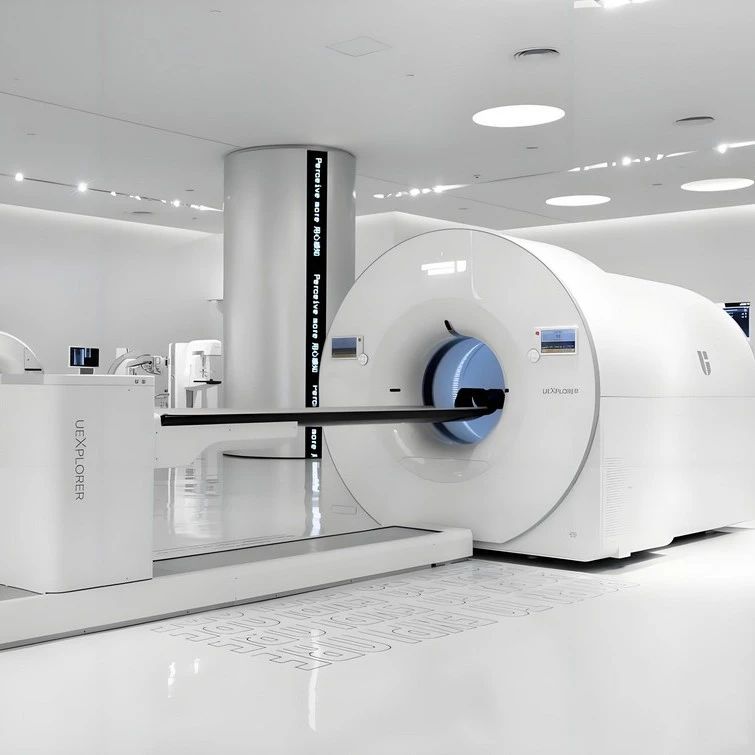
Core Viewpoint - The pharmaceutical sector is experiencing a significant recovery after over three years of deep adjustment, with the innovative drug segment leading the way. The overall performance of the sector has outpaced the A-share market due to favorable news and policies supporting innovation in drugs and medical devices [3]. Policy Support for Medical Devices - The Chinese government has significantly increased policy support for the medical device sector in 2023, with a focus on high-end medical devices such as medical robots, advanced imaging equipment, AI medical devices, and new biological materials [4][5]. - The State Drug Administration's announcement in July 2025 outlines ten support measures for high-end medical device innovation, emphasizing a full lifecycle support approach [4]. - Local policies, such as those from Shenzhen, are also promoting the development of medical robots and AI-assisted diagnostic systems, creating a comprehensive support system for innovation, approval, market entry, and international expansion [5][6]. Market Growth and Trends - The Chinese medical device market has grown from 17.9 billion yuan in 2001 to 1.3 trillion yuan in 2022, representing a compound annual growth rate (CAGR) of over 20% [9]. - Projections indicate that the market will reach approximately 1.36 trillion yuan in 2024 and exceed 1.4 trillion yuan in 2025, potentially reaching 1.63 trillion yuan by 2030 [9]. - The domestic market has become the second largest globally, with its share increasing from 8% in 2010 to 25% in 2022 [9]. Domestic Device Replacement Demand - There is a growing demand for domestic medical devices to replace imports, supported by policies that aim for a 70% localization rate in county-level hospitals by 2025 and 95% by 2030 [9]. - Companies like United Imaging Healthcare have achieved over 30% market share in core categories such as CT and MRI, benefiting from policies that restrict EU imports [10][11]. Investment Opportunities in ETFs - There are 11 medical device-related ETFs with assets over 100 million yuan, with the Medical ETF (512170.SH) leading at 26.13 billion yuan [12]. - The performance of Hong Kong medical ETFs has outpaced A-share indices, indicating potential investment opportunities in this area [14]. - Investors are advised to choose ETFs based on their outlook for the industry, with options available for those focusing on innovative drugs or pure medical device investments [24].

北芯生命:智能化心血管精准介入解决方案领域的行业标杆
Zheng Quan Shi Bao Wang· 2025-07-15 04:42
Core Insights - The National Medical Products Administration of China emphasizes support for high-end medical device innovation, particularly in advanced medical imaging equipment, to address the growing global demand for cardiovascular disease treatment solutions [1] - Beixin Life, a domestic company focused on high-end medical device innovation, aims to develop high-performance interventional medical devices to tackle the significant public health issue of cardiovascular diseases [1][3] - The company has successfully developed and commercialized proprietary high-performance diagnostic equipment, contributing to the advancement of domestic high-end medical devices [1][3] Industry Overview - Coronary heart disease is recognized as a major health threat globally, with cardiovascular diseases being the leading cause of death in China [2] - China has the highest annual volume of percutaneous coronary intervention (PCI) procedures, with a trend towards precision treatment guided by advanced coronary functional and imaging technologies [2] - The reliance on imported devices and materials has historically dominated the market due to high R&D barriers and long return cycles [2] Company Achievements - Since its establishment in 2015, Beixin Life has developed a series of intelligent cardiovascular interventional solutions, including the first domestically approved IVUS and FFR systems [3][4] - The company has obtained over 20 Class III medical device registrations and successfully launched 11 products [3] - Beixin Life is the only domestic company with the technology to develop and manufacture 60MHz high-frequency micro-ultrasound transducers and MEMS pressure sensor modules [4] Market Potential - The cardiovascular device market is the second largest globally and is expected to grow rapidly over the next decade, with a significant patient population for coronary heart disease [7] - The number of PCI procedures in China is projected to increase from 1.906 million in 2024 to 4.298 million by 2030, with a compound annual growth rate of approximately 14.5% [7] - The precision PCI market in China is expected to grow from 2.04 billion yuan in 2022 to 9.42 billion yuan by 2030, with a compound annual growth rate exceeding 20% [7] Competitive Position - Beixin Life's FFR product captured 30.6% of the domestic market share shortly after its launch, while its IVUS product became the leading domestic option, reducing reliance on imports [8] - The company has successfully expanded its products to international markets, receiving positive feedback and achieving routine clinical use in multiple countries [8] - Beixin Life aims to enhance the synergy of its product system and adapt to international markets, thereby improving the global competitiveness of China's high-performance medical device industry [9]
20cm速递|创业板医药ETF(159377)涨超2.2%,政策助力高端医疗器械创新提速
Sou Hu Cai Jing· 2025-07-11 02:25
Group 1 - The core viewpoint of the news highlights the support for innovation in the medical device industry, with significant funding and regulatory approvals driving growth [1][2] - Chengdu High-tech Zone Medical Device Innovation and Transformation Association assisted a startup in obtaining a credit line in the millions from Chengdu Bank, aimed at expanding production lines and technology research [1] - The National Medical Products Administration (NMPA) reported that 45 innovative medical devices were approved in the first half of 2025, representing a year-on-year increase of 87%, indicating ongoing policy benefits for industry innovation [1] Group 2 - Everbright Securities pointed out that the NMPA's announcement supports the innovation of high-end medical devices, including medical robots, advanced imaging equipment, AI medical devices, and new biomaterials [2] - The document emphasizes the expectation of faster commercialization of innovative medical devices under policy support, with a comprehensive standard system gradually being established for product design, production quality control, and post-market supervision [2] - The document also supports the international development of high-end medical device companies, which is expected to promote standardization and internationalization in the industry, benefiting leading companies with strong R&D capabilities and scalable products [2]
