高通8155芯片

Search documents
算力够了,为什么大模型体验却没变化?
汽车商业评论· 2025-12-27 23:05
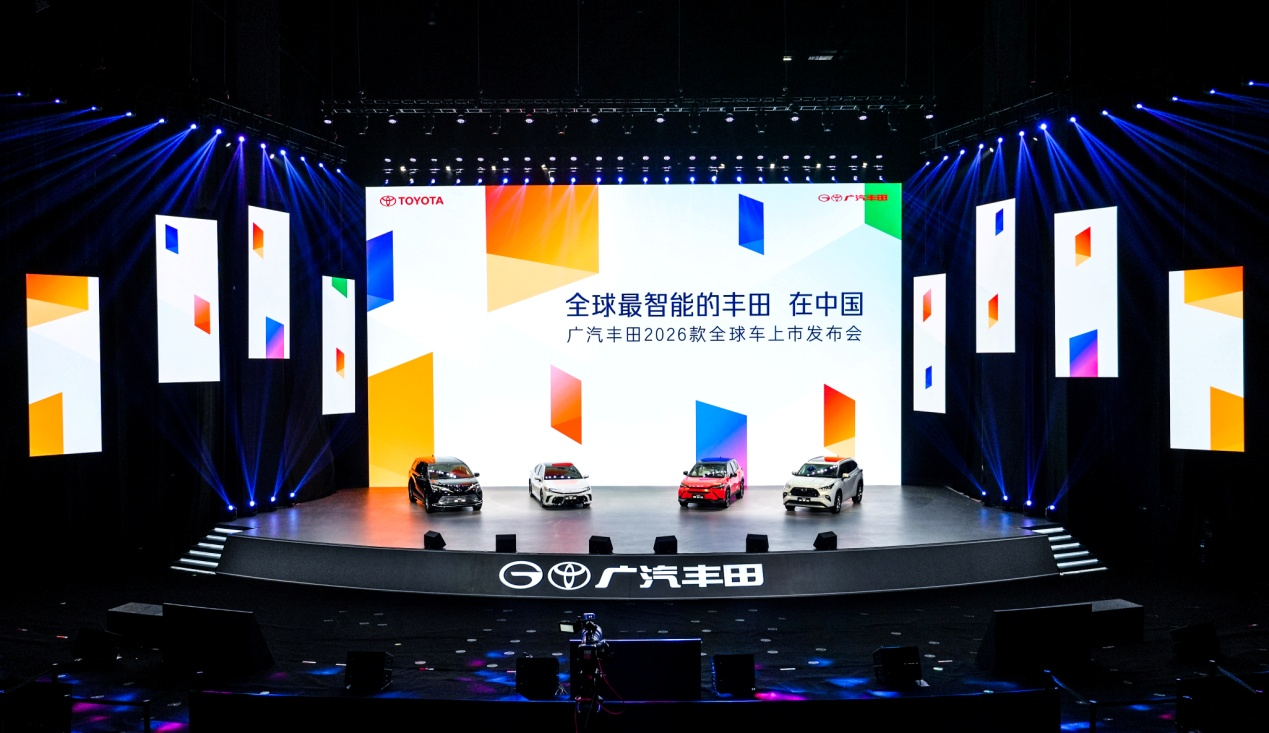
Core Insights - The article discusses the significant advancements in AI models within the automotive industry, particularly focusing on the launch of the lightweight version of the domestic AI model DeepSeek in early 2025, which has rapidly gained traction in both domestic and international markets [3] - The automotive sector is entering a new era of large-scale AI model integration, with major manufacturers like Mercedes-Benz, BYD, NIO, and SAIC accelerating their adoption of AI models since February 2025 [3] - The focus has shifted from initial testing to deeper integration of AI models into vehicle functionalities, particularly in smart cockpit experiences [3][4] AI Model Integration in Automotive - By 2025, the consensus in the industry has shifted towards the deep integration of AI models into cockpit functionalities, moving beyond basic search capabilities to more complex applications [3] - The 2026 Xuanyuan Award evaluation emphasized the importance of AI models in enhancing user experience, with a focus on generative UI, proactive perception, and multimodal interaction [4] - The evaluation revealed that while some manufacturers have made significant strides, many still lag behind in delivering substantial improvements in AI capabilities compared to the previous year [4][5] Challenges in AI Model Implementation - The distribution of computing power and performance constraints pose significant challenges, as many manufacturers allocate substantial resources to autonomous driving, limiting the available computing power for cockpit AI applications [5] - The complexity of testing AI models complicates the assessment of their effectiveness, as it is often difficult to determine whether the intelligence displayed is genuinely derived from AI models [5][42] - The industry is currently focused on enhancing the user experience through AI, but many manufacturers have yet to fully realize the potential of AI in cockpit interactions [5][42] Future Directions for AI in Cockpits - The article suggests that AI will become a native capability of operating systems in vehicles, with a shift towards integrating AI deeply into the OS architecture [6][46] - Future developments will include offline voice AI, edge-based visual language models, and memory capabilities, which are essential for creating a seamless user experience [6][46] - The evolution of AI models will also involve enhancing their analytical and planning capabilities, allowing them to serve as scene engines that can automatically orchestrate interactions and provide optimal solutions [6][47] Trends in Smart Cockpit Design - The evaluation of smart cockpit experiences highlighted several key trends, including platformization, 3D HMI exploration, and spatial interaction design [9][10][23] - Manufacturers are increasingly focusing on optimizing rear seat space and enhancing user interaction through innovative designs, such as movable screens and gesture controls [30][34] - The integration of sound zones and cross-screen interactions is becoming a priority, allowing for a more personalized and immersive user experience [30][31][33] Notable Case Studies - The article presents several innovative case studies, such as NIO's Firefly cockpit, which features unique gesture controls and personalized desktop card generation [48][49] - The use of AI-generated content, such as children's storybooks and interactive features, showcases the potential for AI to enhance user engagement in vehicles [48][57] - The development of dynamic control interfaces that adapt to different applications demonstrates the flexibility and potential of smart cockpit technologies [54]

不到9万元起售,上汽大众朗逸Pro以升级捍卫“国民家轿”之名
Guan Cha Zhe Wang· 2025-11-18 02:00
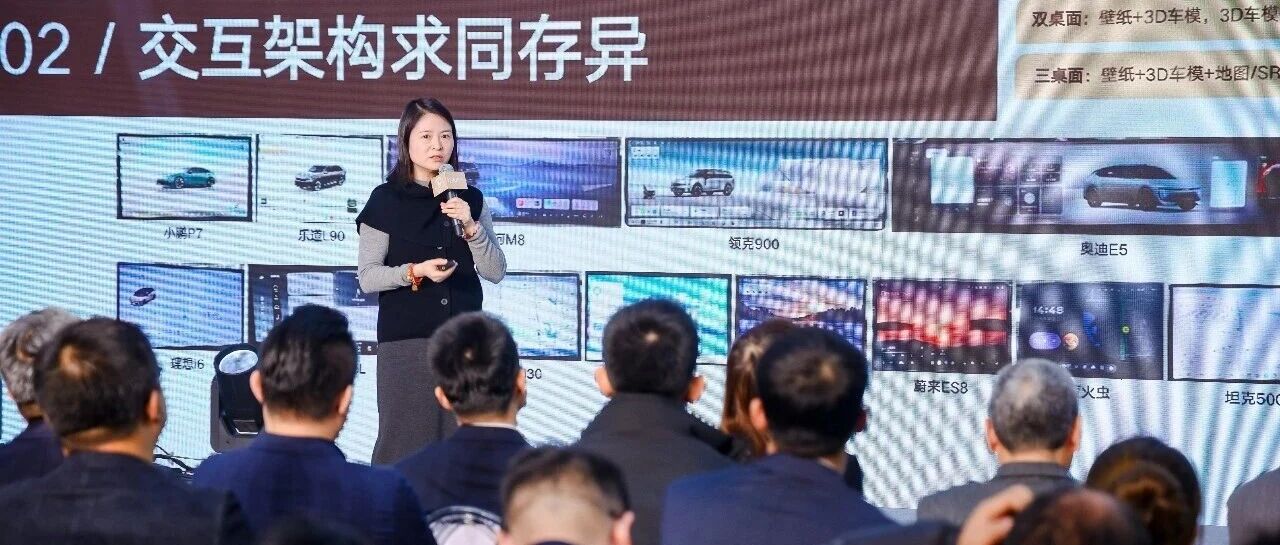
Core Insights - SAIC Volkswagen has officially launched the new Lavida Pro, with a limited-time price range of 88,800 to 112,900 yuan, aiming to strengthen its position in the compact sedan market in China [1][2] Product Features - The Lavida Pro has been upgraded to A+ class dimensions, with a length of 4,720 mm, and features a four-wheel independent suspension for improved ride comfort [2][5] - It is equipped with the Qualcomm 8155 chip and an upgraded MQB-EVO intelligent architecture, enhancing its smart cabin capabilities with integrated Tencent services [7] Market Positioning - The Lavida series has sold over 6.5 million units since its launch in 2008, maintaining a strong presence in the compact sedan market [2] - The introduction of the Lavida Pro reflects SAIC Volkswagen's strategy to compete against rising domestic electric vehicle brands and traditional rivals like Nissan Sylphy and Toyota Corolla [9]

广丰2026款全球车焕新上市
Mei Ri Shang Bao· 2025-09-24 22:23
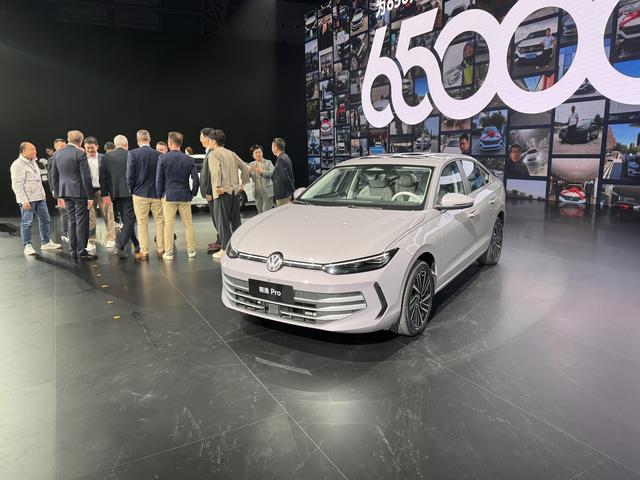
Group 1 - GAC Toyota launched the 2026 models of its global vehicles, including Sienna, Highlander, Camry, and Crown, focusing on enhancing entry-level value with upgraded features previously reserved for higher trims [2] - All models are equipped with the Qualcomm 8155 chip, providing four times the computing power and large screen interactions, with the Highlander featuring a 15.6-inch screen and the Crown a 12.9-inch screen, supporting various smartphone connectivity options [2] - The TSS intelligent driving assistance system is now standard across all models, covering multiple driving scenarios such as highways, urban areas, and parking [2] Group 2 - GAC Toyota emphasizes the importance of addressing real user needs by making high-end features widely available, ensuring that every entry-level model offers a high-value experience [3] - In the context of increasing penetration of new energy vehicles, Toyota's intelligent hybrid technology is offered at "zero price difference," allowing users to access advanced technology without additional costs [3]

“油电同强” 广汽丰田2026款全球车焕新上市
Yang Shi Wang· 2025-09-24 04:53
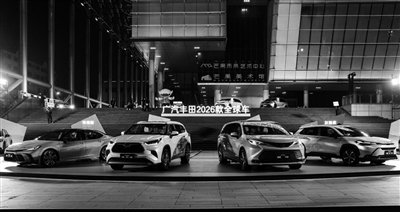
Core Viewpoint - GAC Toyota's launch of the 2026 global vehicle lineup emphasizes its commitment to both electric and gasoline vehicles, showcasing a significant upgrade in technology and user experience while maintaining competitive pricing [1][3][8]. Product Upgrades - The 2026 global vehicle lineup includes the Sienna, Highlander, Camry, and Crown, all featuring enhanced smart technology and high-value attributes, with many upgrades available as standard across all models [1][3]. - All models are equipped with upgraded chips, specifically the Qualcomm 8155, which increases computing power by four times, and features large screens, marking the transition into the "big screen era" [3][6]. - The vehicles come with comprehensive smart driving configurations, including Toyota's TSS intelligent driving assistance, covering various driving scenarios [6][8]. Market Positioning - GAC Toyota aims to maximize entry-level value while keeping a competitive pricing structure, ensuring that high-end features are not exclusive to top-tier models [8][9]. - The company recognizes that nearly half of the market still prefers gasoline vehicles, with a reported 51% penetration rate for new energy vehicles, indicating strong ongoing demand for gasoline cars [8][9]. Customer Assurance - GAC Toyota introduces a "dual responsibility" policy for manufacturers, covering battery fire incidents and smart parking accidents, applicable to both new and existing customers without warranty period limitations [8][9]. - All gasoline vehicle users will benefit from a "lifetime warranty" on the powertrain for the 2026 global vehicle lineup [8][9]. Strategic Collaboration - The partnership with Huawei for car connectivity and smart features is highlighted, showcasing advancements in intelligent voice interaction and comprehensive vehicle-home connectivity [9][11]. - The upcoming launch of a new mid-size SUV with a next-generation intelligent cockpit and TSS 4.0 intelligent driving assistance signifies GAC Toyota's commitment to delivering the "smartest Toyota vehicles" in China [11].