黄焖鸡米饭

Search documents
进入“20元时代”,中式米饭快餐没有退路
虎嗅APP· 2026-02-01 09:08
Core Viewpoint - The Chinese rice fast food industry is undergoing a significant paradigm shift in 2026, characterized by intense competition and a focus on profitability amidst rising costs and consumer rationality [4][6]. Group 1: Industry Challenges - The primary challenge for Chinese rice fast food brands remains profitability, with industry leaders like Chaoyixing reporting a mere 0.7 yuan profit on a 10 yuan meal [7]. - Rising costs for ingredients, labor, and rent, combined with a return to rational consumer spending, are squeezing profit margins, leading to a "thin profit" environment [8][9]. - The average consumer spending in the rice fast food sector has decreased from 29.7 yuan in 2022 to 27.5 yuan in 2025, with current average spending around 24 yuan [15]. Group 2: Competitive Strategies - Brands are shifting towards "all-day, all-customer, all-capable" models to attract a wider customer base and enhance profitability [5][10]. - Successful adaptations include diversifying product offerings and optimizing store formats, such as self-service models and expanded menu items to cater to different meal times and customer preferences [10][11]. - The introduction of new product lines, like "DIY" options, has proven effective in attracting both existing and new customers, as seen with brands like Yuyou and Laoxiangji [12]. Group 3: Pricing Dynamics - The industry is entering a "20 yuan era," with aggressive price reductions becoming a norm as brands compete for market share [13][14]. - Major brands have implemented significant price cuts, with Dami Xiansheng reducing its pricing from 4.6 yuan to 3.28 yuan per two [16]. - The trend indicates that if average spending exceeds 25 yuan, customer acquisition and retention will become increasingly difficult [17]. Group 4: Expansion and Market Dynamics - The market for Chinese rice fast food is projected to reach 277 billion yuan in 2024, with a potential to exceed 300 billion yuan in 2025, driven by ongoing consumer demand [21]. - While some brands are rapidly expanding, others are slowing down their growth due to the challenges of scaling operations effectively [23][25]. - Successful expansion requires a robust organizational structure and supply chain management, as evidenced by the struggles of brands like Nanchengxiang and Chaoyixing in new markets [25][26]. Group 5: Future Outlook - The next decade for the Chinese rice fast food industry will focus on a multi-faceted approach that emphasizes freshness, transparency, intelligence, low pricing, and health [27]. - Brands that can balance cost management with quality and customer experience will likely thrive in this competitive landscape [28][29].

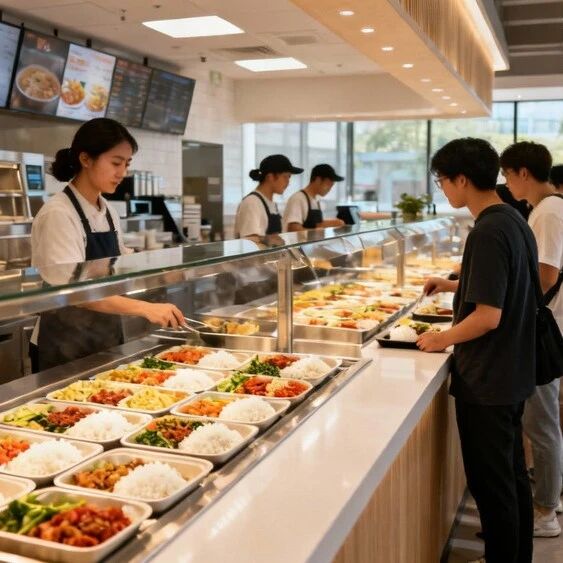
进入“20元时代”,中式米饭快餐没有退路
虎嗅APP· 2026-01-29 00:23
Core Viewpoint - The Chinese rice fast food sector is undergoing a significant paradigm shift in 2026, characterized by intense competition among leading brands and the entry of cross-industry players, leading to a consensus that profitability is increasingly difficult to achieve [4][6]. Group 1: Industry Challenges - The primary challenge for Chinese rice fast food brands remains profitability, with industry leaders like Chaoyixing reporting a mere profit of 0.7 yuan per 10 yuan meal [7]. - Rising costs for ingredients, labor, and rent, combined with a return to rational consumer spending, are squeezing profit margins, forcing brands to adapt their business models to survive [8][9]. - The average consumer spending in the rice fast food sector has decreased from 29.7 yuan in 2022 to 27.5 yuan in 2025, indicating a downward trend in pricing [15]. Group 2: Business Model Transformation - Brands are focusing on creating "all-day, all-customer, all-capable" stores to attract a wider customer base and improve profitability [5][10]. - Successful adaptations include diversifying product offerings and enhancing customer experience, as seen with brands like Nanchengxiang and Xiaonv Dangjia, which have introduced new menu items and self-service options [10][11]. - The shift towards a "price down, experience up" strategy is evident, with brands like Xiangcunji and Dami Xiansheng emphasizing fresh, high-quality ingredients while maintaining competitive pricing [18][19]. Group 3: Market Expansion and Competition - The market for Chinese rice fast food is projected to reach 277 billion yuan in 2024, with a potential to exceed 300 billion yuan in 2025, indicating a growing demand for this segment [21]. - Leading brands are rapidly expanding into new regions, with Nanchengxiang opening a new store every 0.85 days on average, while others like Mivun Banfan have paused their aggressive expansion due to operational challenges [23][25]. - The competitive landscape is shifting, with brands needing to adapt their models to local markets rather than relying on a one-size-fits-all approach, as evidenced by the struggles of brands like Chaoyixing and Nanchengxiang in new territories [25][26]. Group 4: Future Outlook - The next decade for Chinese rice fast food will involve a multi-faceted competition focusing on freshness, transparency, intelligence, low pricing, and health [27]. - Brands that can balance cost management with quality and customer experience will be better positioned to thrive in a market where consumer expectations are evolving [28][29].
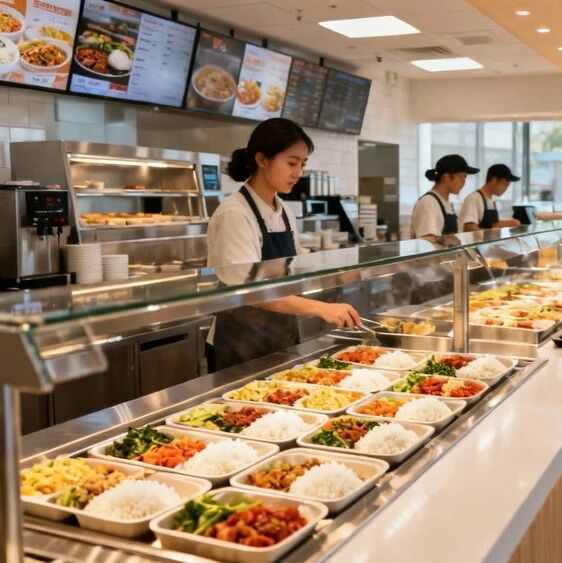
进入“20元时代”,中式米饭快餐没有退路
3 6 Ke· 2026-01-28 13:09
Core Insights - The competition logic in the Chinese rice fast food sector is undergoing significant changes, with a shift towards a "paradigm shift" in 2026, emphasizing profitability amidst rising costs and intense competition [2][4][10] - The industry is moving towards a model that focuses on maximizing store efficiency and profitability rather than rapid expansion [5][9] Group 1: Market Dynamics - The market is experiencing fierce competition with both established brands and new entrants, leading to a scenario where profitability is increasingly difficult to achieve [2][4] - The average consumer spending in the Chinese rice fast food sector has decreased, with figures showing a drop from 29.7 yuan in 2022 to 27.5 yuan by August 2025 [10][11] - The current mainstream price range for Chinese rice fast food is between 20 to 25 yuan, indicating a trend towards lower pricing [10][11] Group 2: Business Strategies - Brands are adopting a "full-time, full-customer, all-capable store" model to attract a wider customer base and enhance profitability [3][7] - Innovations such as self-service models and diverse product offerings are being implemented to cater to different consumer needs and maximize store utilization [8][9] - The introduction of technology, such as smart cooking machines, is being leveraged to reduce labor costs and improve food quality [18] Group 3: Expansion Challenges - The expansion of Chinese rice fast food brands is entering a "deep water zone," with a projected market size of 2.77 trillion yuan in 2024, growing at 10.1% [19] - While some brands are rapidly expanding, others are slowing down due to the challenges of scaling operations effectively [20][21] - Successful expansion requires a robust organizational capability and a deep understanding of local market dynamics, as evidenced by the varied experiences of different brands [22][23] Group 4: Future Outlook - The next decade for Chinese rice fast food will focus on a multi-faceted approach that includes freshness, transparency, intelligence, low pricing, and health [24] - Brands that can maintain a balance between cost and quality while adapting to consumer demands will likely survive and thrive in this competitive landscape [24]
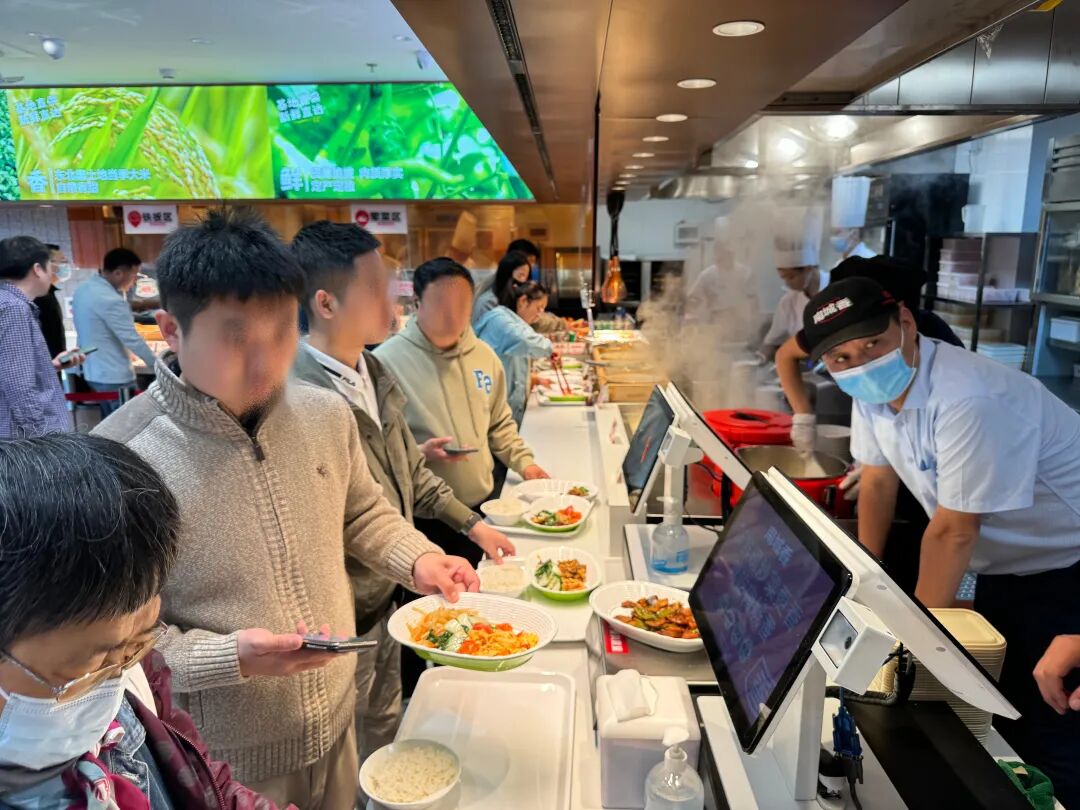
杨铭宇黄焖鸡后厨乱象报道引关注!市监总局解读餐饮连锁企业监管新规
Xin Jing Bao· 2025-09-29 13:16
Group 1 - The State Administration for Market Regulation held a press conference on food safety, emphasizing the need for enhanced supervision of food safety responsibilities in chain catering enterprises [1] - The widespread coverage and long management chains of chain catering enterprises have raised consumer concerns regarding food safety, particularly after reports of unsanitary kitchen environments and the recycling of leftover food for resale [1] - The public has expressed a strong demand for improved food safety regulations in chain restaurants to ensure the safety of food consumed [1] Group 2 - A report by the Beijing News highlighted issues in the kitchen operations of the chain restaurant Yang Mingyu Huangmenji Rice, which garnered significant public attention [2] - Following the report, the State Council Food Safety Office issued a notice to the food and drug safety offices in Shandong and Henan provinces to conduct investigations and oversight [2]
新疆乌苏市市场监管局公布“铁拳”行动典型案例
Zhong Guo Shi Pin Wang· 2025-08-21 05:49
Group 1: Advertising Violations - A restaurant was penalized for using medical terminology in food advertising, resulting in a fine of 1380 yuan [1] - A store was fined 1000 yuan for similar violations in its advertising, which included disease prevention claims [2] Group 2: Quality and Safety Compliance - A car dealership was warned for failing to implement quality safety responsibilities in the sale of electric vehicles [2] - An investigation revealed that the dealership did not maintain required quality control records, violating multiple regulations [2] Group 3: Measurement Equipment Compliance - A gas station was penalized for using unqualified measurement equipment and failing to apply for mandatory inspections, incurring a fine of 1800 yuan [3] - The gas station was found using a non-compliant gas flow meter that was out of the inspection cycle [3]
针对“杨铭宇黄焖鸡米饭后厨乱象”事件 济南、郑州、商丘副市长被约谈
证券时报· 2025-03-21 12:51
Core Viewpoint - The "Yang Mingyu Huangmen Chicken Rice kitchen chaos" incident has raised significant concerns regarding food safety management and corporate responsibility in China, prompting government intervention to address these issues [1][2]. Group 1: Government Response - The State Council's Food Safety Office and the Market Supervision Administration have held discussions with the vice mayors of Jinan, Zhengzhou, and Shangqiu to emphasize the importance of food safety [1]. - The discussions highlighted the need for local governments to enhance their sense of responsibility and urgency regarding food safety [2]. - The government has mandated a thorough investigation into the incident, with a focus on identifying and penalizing any illegal activities and holding responsible parties accountable [2]. Group 2: Future Actions - Local governments in Jinan, Zhengzhou, and Shangqiu are required to improve food safety standards and ensure the effective implementation of corporate responsibilities [2]. - The State Council's Food Safety Office will conduct on-site inspections and continuous supervision of the rectification measures taken by the local governments [3].

“杨铭宇黄焖鸡米饭后厨乱象”事件,最新消息!
21世纪经济报道· 2025-03-21 12:26
据此前报道,近日,有媒体曝光多家杨铭宇黄焖鸡米饭加盟店后厨食品安全问题: 使用存放 多天的发酸食材,顾客食用后的剩菜回收再加工售卖,隔夜发黑的牛肉加色素后冒充新鲜牛 肉。调查中还发现,多家门店招聘时不需要员工提供健康证,大量无证店员直接上岗 。 ( 详 见: 剩菜回收再卖!发酸香菇"洗两遍就行"?杨铭宇黄焖鸡突然被曝,网友:不敢吃了 ) 为切实维护广大消费者合法权益,3月1 3日,国务院食安办向山东省食药安办、河南省食安办 发出挂牌督办通知书,对两地核查处置工作实行挂牌督办。 来源 | 央视新闻、南方日报 本期编辑 金珊 "暴力催收"公司,人去楼空!关于催收,明确多条红线 十万一针!有公立医院"擅自使用"!背后风险多大? 一酱油品牌被曝,冲上热搜!市值蒸发9.5亿 SFC 21君荐读 济南市、郑州市、商丘市要提高政治站位,深刻认识食品安全的重要性,切实增强责任 感、紧迫感和使命感; 要积极稳妥处置 "杨铭宇黄焖鸡米饭后厨乱象"事件,深挖严处违法违规行为,严肃追究 相关责任单位和个人的责任; 要深刻吸取事件教训,以此为契机着力提升食品安全水平,切实保障人民群众"舌尖上的 安全"。 据央视新闻报道,记者今天了解到 ...