黑湖小工单

Search documents
对话独角兽 | 黑湖科技赋能智造升级:AI 重构生产效率,协同破解转型难题
Di Yi Cai Jing· 2026-02-12 11:04
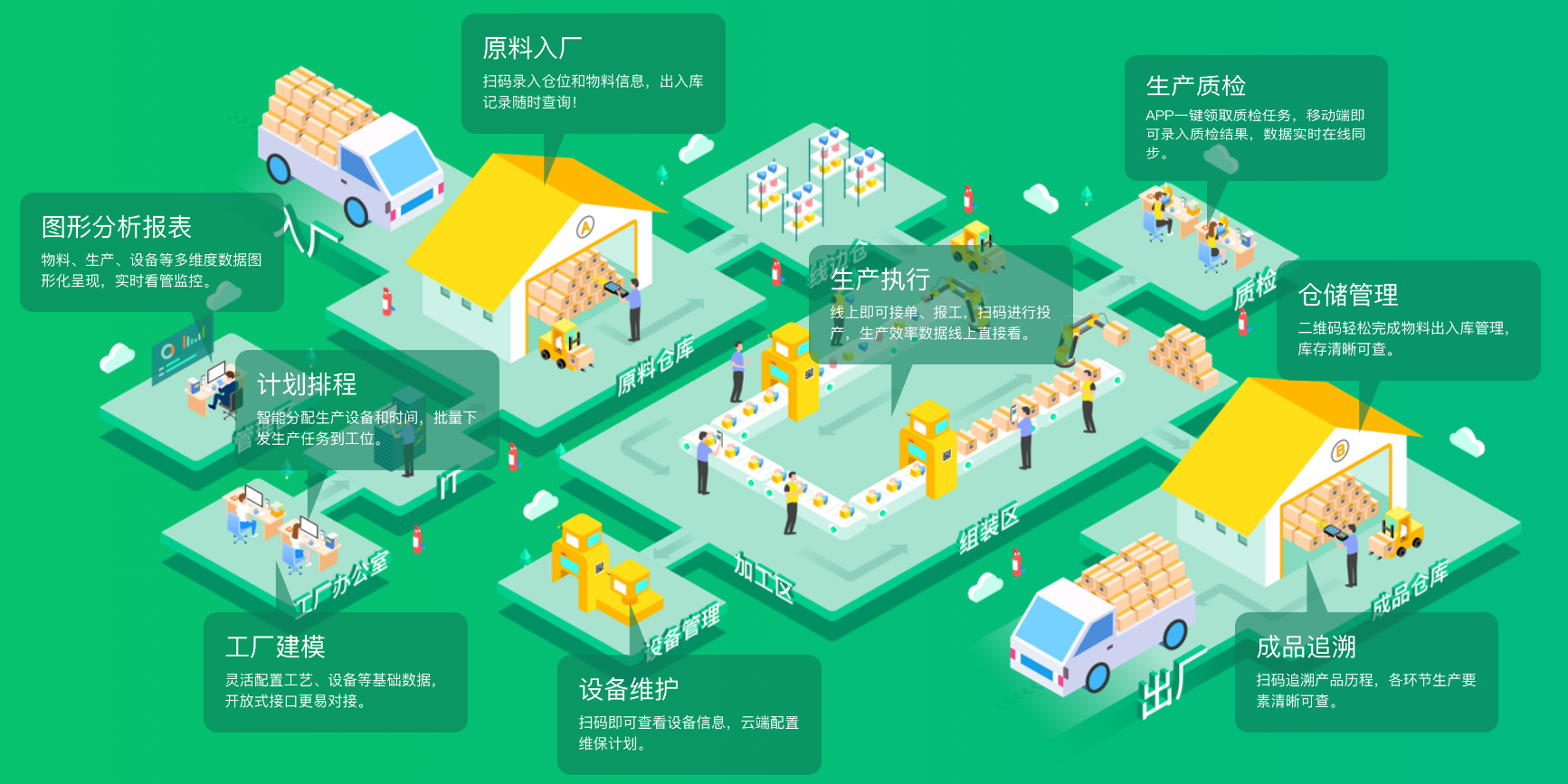
Core Insights - The digital transformation of China's manufacturing industry is entering a critical phase, with industrial internet applications penetrating 49 categories of the national economy and achieving full coverage of 41 industrial categories by early 2026, although challenges such as non-unified standards and data silos remain [1] Group 1: AI Integration in Manufacturing - The integration of AI into manufacturing processes is becoming a trend, but issues with technology adaptation persist, with 73% of manufacturing companies utilizing less than 40% of their data and 60% facing a disconnect between AI technology and actual needs [3] - Black Lake Technology is developing industrial AI Agents to enhance production efficiency, enabling rapid decision-making and process optimization, significantly reducing the time required for complex tasks [3] Group 2: Collaborative Platform Ecosystem - The lack of unified standards in China's manufacturing sector has led to poor software compatibility, with 85% of manufacturers reporting data silos that hinder collaboration, resulting in a 12% error rate in data transmission for automotive and electronics projects [4] - Black Lake Technology has launched products like "Black Lake Intelligent Manufacturing" and "Black Lake Supply Chain" to create a collaborative platform that aggregates and analyzes production data in real-time, addressing the issue of heterogeneous system compatibility [4] Group 3: Supporting Flexible Production - The rise of personalized consumer demands is pushing the manufacturing sector towards flexibility, with small-batch and multi-category orders becoming mainstream, necessitating improved responsiveness and resource integration [5] - Black Lake Technology's "Black Lake Small Order" product helps small factories enhance their flexibility in fulfilling customized orders, significantly reducing the time from trial production to mass production [6] Group 4: Sustainable Development Pathways - The digital transformation of manufacturing in China shows significant regional imbalances, particularly affecting small and medium-sized enterprises in central and western regions, where there is a lack of understanding of digital transformation and lean manufacturing principles [7] - Black Lake Technology focuses on training and awareness-building as a key strategy for promoting digital transformation, collaborating with professional teams to offer tailored training courses [7]

黑湖科技发布产销协同方案,与1688平台达成合作
Cai Jing Wang· 2026-02-03 06:51
Core Insights - Black Lake Technology announced a deep collaboration with Alibaba's 1688 platform, achieving a technical integration of "Black Lake Small Orders" with "1688 Wan Cai Wan Lian" to create the industry's first full-link digital solution for "order-production-delivery" [1] - This solution addresses challenges faced by numerous factories, such as "difficulties in order-taking, chaotic management, and slow delivery," enabling real-time synchronization of 1688 order progress and ensuring customized parameters reach the production line [1] - The initiative enhances order fulfillment certainty, improves buyer experience, and helps factories reduce operational risks while increasing collaborative efficiency, facilitating their transition from "manufacturing" to "intelligent manufacturing" [1] Company and Industry Summary - Black Lake Technology empowers over 35,000 factories in China and the Asia-Pacific region, with 30,000 of these being long-ignored small and micro enterprises [1] - The founder and CEO of Black Lake Technology, Zhou Yuxiang, emphasized that the seamless closed loop of "order-production-delivery" ensures factories can maintain stable and agile production rhythms in the face of high-frequency and fast-paced delivery demands, truly achieving data-driven flexible manufacturing [1]

【统战深一度】中国民营经济2025:顶压前行 破局突围
Sou Hu Cai Jing· 2025-12-29 06:48
Group 1 - The proportion of private enterprises among national high-tech enterprises exceeds 90%, with a year-on-year increase of 7.8% in import and export volume for private enterprises in the first three quarters [1] - Infrastructure investment from private sectors increased by 3.5% year-on-year over the first 11 months, indicating resilience in the private economy despite external challenges [1] - The central government has reiterated its strong support for the development of the private economy, emphasizing the need for effective policy implementation to aid high-quality growth [2] Group 2 - The implementation of the Private Economy Promotion Law marks a transition from policy support to legal protection for the private economy, enhancing fair competition and rights protection [4][5] - The law aims to clarify the legal status of the private economy and address various concerns, showcasing the government's commitment to fostering a healthy development environment [4][5] - A survey indicated that the satisfaction score regarding the legal environment for private enterprises has consistently ranked first among various environmental factors [4] Group 3 - Private enterprises are increasingly recognized for their contributions to technological innovation, with significant R&D investments totaling 1.13 trillion RMB and an average R&D intensity of 2.77% among the top 500 private enterprises [6] - Leading private companies are focusing on strategic emerging industries such as new information technology, high-end equipment, and new energy, while also accelerating digital and green transformations [7] - The shift in manufacturing competition towards flexible collaboration and intelligent upgrades presents opportunities for private enterprises to leverage technological advancements [7] Group 4 - The year 2026 is anticipated to be a pivotal year for the private economy as it embarks on a new phase of development under the "14th Five-Year Plan" [8]
(年终特稿)中国民营经济2025:顶压前行 破局突围
Zhong Guo Xin Wen Wang· 2025-12-29 06:09
Group 1 - The core viewpoint of the article emphasizes that China's private economy is navigating through pressures and challenges, aiming for breakthroughs by 2025, with significant contributions from private enterprises in various sectors [1] - In the first three quarters, the import and export volume of private enterprises increased by 7.8% year-on-year, indicating resilience in international trade [1] - The number of national high-tech enterprises among private companies exceeds 90%, showcasing the innovation capabilities within the sector [1] Group 2 - A high-level symposium was held in February to reiterate the central government's strong support for the development of private enterprises, addressing challenges and promoting policy implementation for high-quality growth [2] - The introduction of the Private Economy Promotion Law in May aims to protect the rights of private enterprises and enhance market confidence, marking a shift from policy support to legal protection [4][5] - The law emphasizes fair competition and the legal status of the private economy, which is expected to clarify doubts and enhance the business environment for private enterprises [4][5] Group 3 - Private enterprises are increasingly recognized for their contributions to technological innovation, with significant R&D investments totaling 1.13 trillion yuan and an average R&D intensity of 2.77% among the top 500 private enterprises [7] - Companies are focusing on strategic emerging industries such as new information technology, high-end equipment, and new energy, while also accelerating digital and green transformations [7] - The shift in manufacturing competition towards flexible collaboration and intelligent upgrades is highlighted, with companies leveraging advanced technologies to enhance their services [7] Group 4 - Experts suggest that private enterprises should increase their technological investments and pursue innovation to capitalize on opportunities in digitalization, green development, and intelligence [8] - The ongoing support from various sectors is expected to lead to new developments in the private economy as the 14th Five-Year Plan progresses [9]
中国民营经济2025:顶压前行 破局突围
Zhong Guo Xin Wen Wang· 2025-12-29 03:22
Core Viewpoint - The Chinese private economy is facing challenges but is expected to break through and thrive by 2025, supported by government policies and legal frameworks aimed at fostering growth and innovation [1][2][5]. Group 1: Government Support and Legal Framework - A high-level meeting in February emphasized the central government's commitment to supporting the development of private enterprises, addressing challenges and uncertainties in the economy [2]. - The implementation of the Private Economy Promotion Law on May 20 aims to protect the rights of private enterprises and ensure fair competition, marking a shift from policy support to legal protection [4][5]. - The law reinforces the legal status of the private economy and aims to clarify doubts surrounding it, showcasing the government's determination to promote private sector growth [4][5]. Group 2: Economic Performance and Innovation - In the first three quarters, the import and export volume of private enterprises increased by 7.8% year-on-year, indicating resilience in the sector [1]. - The top 500 private enterprises reported a total R&D expenditure of 1.13 trillion yuan, with an average R&D intensity of 2.77%, highlighting a strong focus on innovation [7]. - Companies are increasingly investing in strategic emerging industries such as new information technology, high-end equipment, and new energy, while also pursuing digital and green transformations [7]. Group 3: Challenges and Future Outlook - The private economy is navigating internal challenges such as high operational costs and the need for transformation, alongside external uncertainties [2]. - Experts suggest that companies should enhance technological investments and innovation to seize opportunities in digitalization, green development, and international market expansion [6][7]. - By 2026, the private economy is expected to enter a new phase, leveraging ongoing support to explore new opportunities [8].
长三角托起中国民营经济关键一极
Jing Ji Wang· 2025-12-05 03:02
Core Insights - In 2024, 27 cities in China are expected to have a GDP exceeding 1 trillion yuan, with the Yangtze River Delta region accounting for one-third of these cities [1] - Wenzhou is projected to achieve a historic economic milestone by surpassing 1 trillion yuan, potentially increasing the number of "trillion-yuan cities" in the Yangtze River Delta to 10 [1] - The vitality of the private economy in the Yangtze River Delta is attributed to its historical development and the rise of private enterprises [1] Economic Performance - In the first three quarters of this year, Shanghai's private industrial enterprises saw an industrial output value growth of 9.8%, outpacing the city's overall industrial output growth by 4.1 percentage points [1] - Jiangsu's private industrial enterprises reported an 8.0% increase in added value, exceeding the provincial average by 1.2 percentage points [1] - Zhejiang's private industrial enterprises contributed to a 7.4% increase in added value, accounting for 76.2% of the growth in the province's overall industrial output [1] - Anhui's private enterprises experienced an 18.0% growth in imports and exports, making up 51.2% of the total import and export volume [1] Technological Advancements - The Yangtze River Delta's private economy is extending into new industries, with a focus on technological innovation and digital transformation [3] - Companies like Heihu Technology are addressing the challenges of data utilization for small and micro enterprises, significantly improving production efficiency and order delivery rates [3] - Major corporations, such as Alibaba, are investing heavily in artificial intelligence and cloud infrastructure, with plans to invest 380 billion yuan over the next three years [3] Future Prospects - Experts predict that the Yangtze River Delta's private enterprises will excel in areas such as space energy, advanced materials, artificial intelligence, green development, digital healthcare, and integrated trade [4] - The region is transitioning from traditional development paths to innovative and sustainable growth models, emphasizing technology and talent development [4]
(经济观察)长三角托起中国民营经济关键一极
Zhong Guo Xin Wen Wang· 2025-12-02 07:08
Core Viewpoint - In 2024, 27 cities in China are expected to have a GDP exceeding 1 trillion yuan, with the Yangtze River Delta region accounting for one-third of these cities, highlighting the region's significance in supporting China's private economy [1] Group 1: Economic Performance - Wenzhou is projected to achieve a GDP of over 1 trillion yuan this year, potentially increasing the number of "trillion-yuan cities" in the Yangtze River Delta to 10 [1] - In the first three quarters of this year, the industrial output value of private enterprises in Shanghai grew by 9.8%, outpacing the city's overall industrial output growth by 4.1 percentage points [1] - Jiangsu's private industrial enterprises saw an 8.0% increase in added value, exceeding the provincial average by 1.2 percentage points [1] - Zhejiang's private industrial enterprises contributed to a 7.4% increase in added value, accounting for 76.2% of the growth in overall industrial added value [1] - Anhui's private enterprises experienced an 18.0% growth in imports and exports, making up 51.2% of the total import and export volume [1] Group 2: Technological Advancements - The Yangtze River Delta's private economy is extending into new industries, with a notable rise in technology startups, exemplified by the "Hangzhou Six Little Dragons" [3] - Black Lake Technology in Shanghai has developed a production management program that significantly improved order delivery rates and production efficiency for small and micro enterprises [3] - Alibaba is investing 380 billion yuan over the next three years in cloud and artificial intelligence hardware infrastructure, collaborating with major telecom companies [3] Group 3: Future Potential - The Yangtze River Delta's private enterprises are transitioning from traditional development paths to innovative and high-end industries, focusing on technology and talent development [4] - Future opportunities in areas such as space energy, advanced materials, artificial intelligence, green development, digital healthcare, and integrated trade are anticipated for private enterprises in the region [4]
黑湖科技:柔性颠覆万亿制造
2 1 Shi Ji Jing Ji Bao Dao· 2025-10-30 12:35
Core Insights - The article highlights the emergence of Heihu Technology, founded by the young entrepreneur Zhou Yuxiang, as a significant player in China's industrial automation and SaaS market, catering to a diverse range of industries from beverage to household appliances [1][2][10] - Heihu Technology's strategy focuses on serving small and micro enterprises, which are abundant in China, by providing lightweight and convenient digital solutions, thus addressing a gap left by traditional industrial software [4][5][6] Industry Overview - The industrial software market in China, particularly in the SaaS/MES sector, remains relatively limited compared to global giants like Siemens, Dassault Systems, and Rockwell, which dominate the market due to their established technology and ecosystem [3][6] - The Chinese manufacturing landscape is characterized by a vast number of small workshops and enterprises, making it distinct from other countries where large corporations dominate [4][6] Company Strategy - Heihu Technology's approach is likened to a "guerrilla warfare" strategy, penetrating the intricate network of China's manufacturing sector by offering solutions tailored for small factories, which traditional software has often overlooked [5][6] - The company has successfully integrated its "Heihu Small Work Order" system, which facilitates progress tracking and payroll for small enterprises, leading to increased collaboration with larger companies that discover their suppliers are already using Heihu's products [5][6] Technological Advancements - Heihu Technology is at the forefront of flexible manufacturing, responding to the growing demand for personalized and rapid production cycles, which traditional manufacturing methods struggle to accommodate [7][9] - The company has invested in advanced technologies such as AI, IoT, and digital twin technology to enhance production efficiency and decision-making processes, significantly reducing the time required for complex tasks [9][10] Market Position - As of 2023, Heihu Technology has captured a 40% market share in China's SaaS/MES sector, with over 30,000 clients, including notable brands like Mixue Ice Cream and AO Smith, which have contributed to its market expansion [10]
被请上总理座谈会的四川小伙,到底什么来头?
Sou Hu Cai Jing· 2025-10-24 06:59
Core Insights - The article highlights the journey of Zhou Yuxiang, founder of Heihu Technology, who transitioned from a Wall Street investment banker to a factory worker to understand the manufacturing industry's challenges and innovate solutions for digital transformation in China [6][11][37]. Company Overview - Heihu Technology specializes in providing industrial software solutions, particularly focusing on digital transformation for manufacturing enterprises [27][29]. - The company's flagship product, "Heihu Zhizao," offers a suite of collaborative management functions, including production planning, execution, material management, and data visualization [26][29]. - Heihu Technology has captured a significant market share, holding 42.7% of the cloud-based production management system market in China, and serves over 34,000 factories [27][31]. Industry Context - The manufacturing sector in China is undergoing a transformation, moving from traditional management practices to more data-driven, digital solutions [11][19]. - Zhou Yuxiang's insights into the manufacturing pain points, such as inefficiencies in production and the need for flexible supply chains, align with the industry's shift towards personalized and agile production methods [19][33]. - The increasing demand for digital solutions in manufacturing is evident as Heihu Technology expands its services to small and micro enterprises, which constitute 70% of its annual revenue [29][31]. Market Impact - Heihu Technology's solutions have significantly improved operational efficiency for clients, with notable examples including a 30% increase in production efficiency and a 15% reduction in production costs for major clients like Mixue Ice City [28][29]. - The company has also ventured into international markets, with interest from Southeast Asian factories seeking to adopt its systems to enhance competitiveness in a changing global landscape [33][35].
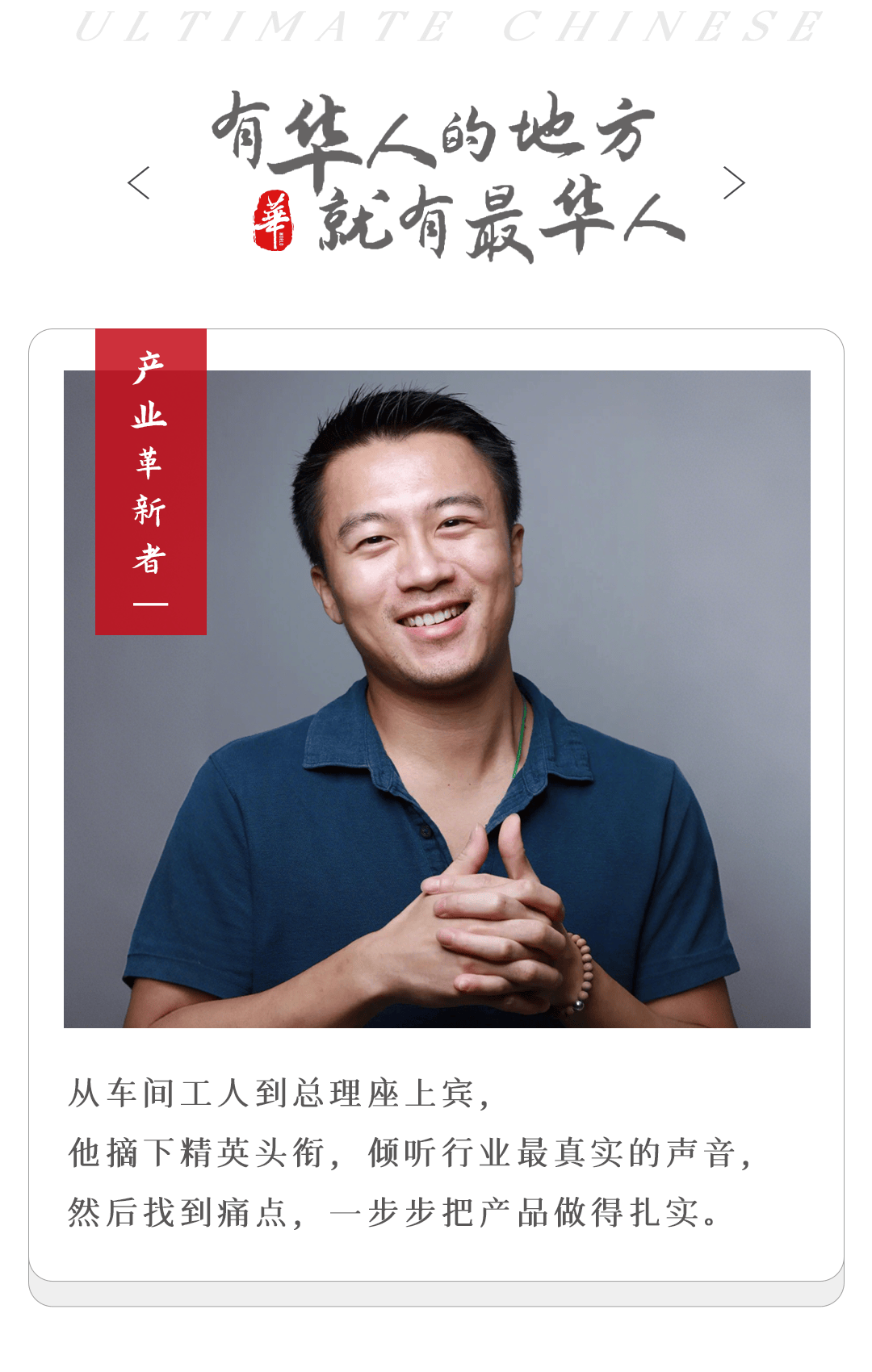
改变中国制造业,34岁四川小伙,成了总理的座上宾
首席商业评论· 2025-10-23 04:05
Core Viewpoint - The article highlights the journey of Zhou Yuxiang, founder of Heihu Technology, in transforming China's manufacturing industry through digitalization and innovative software solutions, emphasizing the importance of data-driven management in enhancing operational efficiency [5][21]. Group 1: Company Background - Zhou Yuxiang, a 34-year-old entrepreneur from Sichuan, founded Heihu Technology after recognizing the significant gap in digital management between Chinese and German manufacturing during a cross-border acquisition project [9]. - Heihu Technology has grown to serve over 34,000 manufacturing enterprises, achieving a market share of 42.7% in China's cloud-based production management software sector [15]. Group 2: Product Development and Innovation - After an initial failed venture, Zhou and his team immersed themselves in factory work to understand the real challenges of industrial digitalization, leading to the development of practical software solutions [11][13]. - The "Heihu Small Work Order" product, launched in 2020, addresses the data collection and management efficiency issues faced by small and medium-sized enterprises, significantly improving operational performance [17]. Group 3: Impact on Clients - Heihu Technology's solutions have led to substantial improvements in client operations, such as a 30% increase in production efficiency and a 50% improvement in inventory turnover for clients like Mixue Ice City [19]. - The company has successfully assisted over 90% of its clients, primarily small and medium-sized factories, in initiating their digital transformation journeys [21]. Group 4: Vision and Future Outlook - Zhou Yuxiang emphasizes the importance of making advanced technology accessible to more factories, aiming to enhance the resilience of Chinese manufacturing [21]. - Heihu Technology continues to innovate and expand its product offerings, integrating cutting-edge technologies to maintain its leadership position in the industry [21].