AI萌宠

Search documents
数字消费已占我国居民消费支出总额近半
Xin Lang Cai Jing· 2025-12-21 16:36
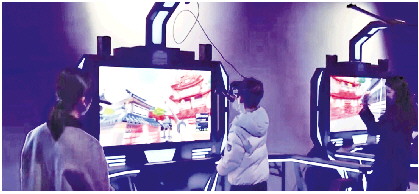
Core Insights - The report indicates that China's digital consumption reached 9.37 trillion yuan in the first half of 2025, accounting for nearly half of total household consumption expenditure [2][5] - Digital consumption is evolving as a new consumption model, expanding the consumption space and becoming a significant driving force for the economy [2] Group 1: Digital Consumption Trends - The user base for digital consumption has surpassed 958 million, with Generation Z accounting for 261 million users, representing 27.2% of the total [3] - The elderly population (60 years and above) constitutes 117 million digital consumers, making up 12.2% of the user base, showing a mix of price comparison and impulsive buying behaviors [3] - Rural digital consumers number 249 million, which is 26.0% of the total, indicating a balanced participation in online consumption subsidies compared to urban areas [3] Group 2: Innovations in Consumption Spaces - Digital technologies are reshaping physical commercial spaces, with new business models like digital business circles and smart districts injecting new vitality into the consumption market [4] - The Hangzhou Lakeside Pedestrian Street has undergone digital service upgrades to create a multi-dimensional consumption scene, enhancing visitor experiences through technology [4] - The report highlights a growing trend in digital cultural tourism, with micro-short drama users reaching 626 million and online gaming users at 584 million, indicating a rich supply of digital entertainment content [4] Group 3: Evolving Consumer Preferences - Digital consumption is entering a phase where practicality and experience are equally prioritized, with 67.1% of online shoppers focusing on product practicality and 60.6% willing to pay for personal enjoyment and emotional value [5] - A significant portion of consumers (16.8%) utilize online subsidies for purchasing new products, while 14.7% prefer second-hand platforms for buying used items [5] - Consumers are increasingly blending fast online shopping with immersive offline experiences facilitated by VR/AR technologies [5] Group 4: Immersive Experience Consumption - The XR experience space at the Qin Shi Huang Mausoleum has attracted over 20,000 visitors in three months, showcasing the growing acceptance and enthusiasm for immersive digital experiences [6] - VR experience venues in cities like Nanchang are witnessing high foot traffic, indicating a rising interest among young consumers in immersive activities [6] - The digital economy is driving deeper engagement in immersive experience consumption, reflecting a shift in consumer behavior towards experiential offerings [6]

线上“快”购物与线下“慢”体验交融共生 感知9.37万亿元、9.58亿人背后数字消费澎湃活力
Yang Shi Wang· 2025-12-21 09:03
Group 1 - The core viewpoint of the report indicates that digital consumption in China is rapidly expanding, with a total expenditure of 9.37 trillion yuan expected in the first half of 2025, accounting for nearly half of total household consumption spending [1][5] - The report highlights that the user base for digital consumption has surpassed 958 million, with the "Z generation" making up 261 million users, representing 27.2% of the total, and being the main consumers of smart products, digital content, and emotional spending [6] - The report also notes that the elderly population (aged 60 and above) constitutes 12.2% of digital consumers, with 11.7 million users engaging in both price comparison and impulsive purchases during live broadcasts [7] Group 2 - Rural digital consumers number 249 million, making up 26.0% of the total, with their participation in online consumption subsidies being comparable to urban areas [8] - The report emphasizes the importance of diverse digital consumer groups across different ages and regions, which lays the foundation for a multi-faceted digital consumption market [10] - Digital services are deeply integrated into daily life, with online food delivery consumption exceeding 1 trillion yuan and online services in healthcare, education, and domestic services surpassing 500 billion yuan [17] Group 3 - The report indicates a shift towards a balance between practicality and experience in digital consumption, with 67.1% of online shoppers prioritizing product practicality and 60.6% willing to pay for personal interests and emotional value [19][21] - Immersive digital experiences, such as VR and AR, are becoming increasingly popular, with projects like the XR experience at the Terracotta Army attracting over 20,000 visitors in just three months [23] - The growing acceptance and enthusiasm for VR experiences among consumers, particularly the youth, is evident, with many engaging in various immersive activities [25][26]

视频丨一组数据看懂我国数字消费潜力
Yang Shi Xin Wen Ke Hu Duan· 2025-12-21 07:06
Core Insights - The report indicates that China's digital consumption reached 9.37 trillion yuan in the first half of this year, accounting for nearly half of total household consumption expenditure [1][3] - Digital consumption is evolving as a new consumption model, expanding the consumption space and becoming a significant driving force for overall consumption [1] Digital Consumption Scale - By the first half of 2025, the scale of digital consumption based on goods, services, and content is projected to reach 9.37 trillion yuan, representing 46.5% of total household consumption expenditure [3][5] - The number of digital consumption users has surpassed 958 million, with the "Z generation" accounting for 261 million users (27.2%), and the elderly (60 years and above) comprising 117 million users (12.2%) [5][6] Consumer Behavior Trends - Different age groups and regions contribute to a diverse digital consumption market, with rural digital consumers at 249 million (26.0%) [5][6] - 67.1% of online shoppers prioritize product practicality, while 60.6% are willing to pay for personal interests and emotional value [22] Integration of Digital and Physical Spaces - Digital technologies are reshaping physical commercial spaces, with new business models like digital shopping districts and smart neighborhoods accelerating the integration of online and offline consumption [7][15] - The report highlights the success of interactive live streaming and digital product spaces in urban areas, enhancing consumer engagement and driving foot traffic [9][11] Immersive Experience in Digital Consumption - The report notes a shift towards a balance between practical and experiential digital consumption, with consumers seeking both convenience and immersive experiences [16][19] - Popularity of VR and AR technologies is rising, with significant engagement in immersive experiences, such as the XR experience at the Terracotta Army site attracting over 20,000 visitors in three months [19][21]

谁说中国机器人只会唱歌跳舞?优必选谭旻:没有真正通过商业验证的量产交付都没有意义
Xin Lang Cai Jing· 2025-12-12 09:13
Core Viewpoint - The recent controversy surrounding a video of UBTECH's humanoid robot formation highlights the industry's deep interest in humanoid robot development and the potential for creating commercial value as these robots transition from science fiction to real-world applications [3][15]. Industry Insights - The perception that "Chinese robots only perform while American robots work" is overly simplistic, as over 80% of the world's most advanced factories are newly built in China, providing fertile ground for the humanoid robot industry [3][15]. - The humanoid robot industry is shifting focus from entertainment to practical applications, which is seen as a healthier direction for sustainable development [3][15]. Technological Development - UBTECH has a 13-year history of building an open ecosystem for collaboration with various AI models, indicating a commitment to testing different models' advantages for humanoid robots [4][16]. - The next significant breakthrough in AI models for humanoid robots will likely involve integrating computer vision, as 80% of information exchange occurs visually rather than verbally [5][17]. Competitive Landscape - UBTECH has launched multiple iterations of its industrial humanoid robot, Walker, with the latest model, Walker S2, capable of autonomous battery swapping, showcasing rapid development and adaptation to real-world applications [6][19]. - While American companies focus heavily on AI investment, Chinese humanoid robot companies are rapidly developing practical applications, leveraging the largest smart manufacturing scenarios globally [7][18]. Market Goals - UBTECH aims to deliver between 500 to 1,000 robots this year, with targets of 3,000 to 5,000 next year and 10,000 by 2027, emphasizing the importance of commercial validation before scaling production [9][21]. - The trend of entertainment-focused robots is seen as a temporary phase, with a shift towards real-world applications being encouraged by government policies [10][24]. Future Outlook - The Chinese humanoid robot industry has the potential to become a standard-setting entity, benefiting from advancements in electric motor technology and the largest smart manufacturing applications globally [8][20]. - Embracing challenges and opportunities in the humanoid robot sector could lead to the formation of a new trillion-dollar industry cluster in China [11][24].

2025杭州未来生活嘉年华享受未来的乐趣
Hang Zhou Ri Bao· 2025-10-21 03:53
Group 1 - The 2025 Hangzhou Future Life Carnival took place from October 17 to 19, showcasing new products, technologies, and ideas from around the world, emphasizing a deep dialogue between Hangzhou and the future [1] - Kevin Kelly, a renowned futurist and author, delivered a keynote speech on "The Possibilities of the Next 10,000 Days," discussing the impact of AI and advanced technologies on future lifestyles, including AI-generated films and the potential for China to produce top AI chips within five years [1] - The event featured innovative aerial delivery technology from Xunyi Technology, enabling drone delivery of food, and showcased personal flying vehicles from Ku Fei (Zhejiang) Aircraft Technology Co., Ltd., highlighting advancements in transportation [2] Group 2 - Various robots were presented, including the Robbyant-R1 from Ant Lingbo Technology and the AI TR4, demonstrating capabilities in both domestic and industrial applications, indicating a shift towards more intelligent and versatile robotic solutions [2] - The "Ageless Future" segment introduced technologies aimed at enhancing the quality of life for the elderly, such as care robots and smart mobility aids, showcasing the human-centric approach of future technologies [2] - The AI Experience Park featured a range of AI applications, from AI pets to smart fitness solutions, allowing attendees to engage with the practical applications of AI in everyday life [3]
AI圈的虚火该灭了,本周浪岛主讲AI实操落地
虎嗅APP· 2025-07-04 00:05
Core Insights - The article emphasizes the importance of practical AI applications that can generate real value for users, moving beyond theoretical discussions to actionable steps for leveraging AI in various fields [3][12]. Group 1: AI Applications and Trends - The article discusses a series of posts that provide practical guides for utilizing AI in different sectors, including self-media, creative marketing, and AI modeling [4][5][8]. - It highlights the significance of understanding the underlying logic of AI applications, such as the relationship between AI training and battery systems, as explained by Elon Musk [7][12]. - The article notes the growing interest in AI-driven creative marketing strategies that require minimal technical skills, allowing users to create high-quality advertisements easily [8][10]. Group 2: Investment and Business Opportunities - The article presents insights into the AI market trends, indicating which sectors are thriving (like AI writing) and which are declining (such as chatbots), providing valuable data for investors and entrepreneurs [10]. - It encourages AI entrepreneurs and investors to engage with communities that focus on practical applications and monetization strategies, emphasizing the need for actionable insights rather than abstract concepts [15][18]. - The article promotes a platform called "浪岛" (Langdao) as a hub for AI enthusiasts to share knowledge, collaborate, and explore business opportunities in the AI space [14][16].