CMP抛光液

Search documents
鼎龙股份,2026年Q1净利增长84%
DT新材料· 2026-03-29 16:05
Core Viewpoint - The company, Dinglong Co., Ltd., has reported significant growth in its financial performance for 2025 and the first quarter of 2026, particularly in its semiconductor materials business, indicating a strong market position and operational efficiency [2][4]. Financial Performance Summary - In 2025, the company's revenue reached approximately 3.66 billion yuan, an increase of 9.66% year-on-year, while the net profit attributable to shareholders was about 720 million yuan, up 38.32% from the previous year [4][10]. - For the first quarter of 2026, the expected net profit attributable to shareholders is projected to be between 240 million and 260 million yuan, reflecting a year-on-year growth of 70.22% to 84.41% [2][3]. Business Segment Analysis - The semiconductor materials segment generated revenue of 2.09 billion yuan in 2025, representing a year-on-year increase of 37.27%, accounting for 57% of total revenue [5]. - CMP polishing pads achieved sales of 1.09 billion yuan, a growth of 52.34%, with a notable milestone of over 40,000 units sold in a single month [5]. - CMP polishing liquids and cleaning agents generated 294 million yuan in sales, marking a 36.84% increase [6]. - Semiconductor display materials contributed 544 million yuan, up 35.47% [7]. - The high-end wafer photoresist business is progressing well, with stable operations of a 30-ton production line and the construction of a 300-ton production line [7]. - The advanced packaging materials segment reported sales of 11.76 million yuan in 2025 [8]. - The printing consumables segment saw a decline in revenue, with sales of 1.56 billion yuan, down 12.97% year-on-year [9].

【鼎龙股份(300054.SZ)】25年及26Q1业绩大幅增长,年产300吨高端晶圆光刻胶产线投产——公告点评(赵乃迪/周家诺)
光大证券研究· 2026-03-28 00:03
Core Viewpoint - The company has shown significant growth in its semiconductor business, which has become a core profit driver, while its traditional printing and copying consumables business has declined due to strategic adjustments [4][5]. Financial Performance - In 2025, the company achieved revenue of 3.66 billion yuan, a year-on-year increase of 9.66%, and a net profit attributable to shareholders of 720 million yuan, up 38.32% year-on-year [4]. - For Q4 2025, the company reported a revenue of 962 million yuan, a year-on-year increase of 5.48%, but a quarter-on-quarter decrease of 0.49% [4]. - The company expects Q1 2026 net profit to be between 240 million and 260 million yuan, representing a year-on-year growth of 70.22% to 84.41% [4]. Semiconductor Business Growth - The semiconductor materials and chip business generated revenue of 2.09 billion yuan in 2025, a substantial increase of 37.27%, accounting for 57.0% of total revenue, marking it as the company's core profit pillar [5]. - Specific product performance includes CMP polishing pads with sales of 1.09 billion yuan (up 52.34%), CMP polishing liquids and cleaning liquids at 294 million yuan (up 36.84%), and semiconductor display materials at 544 million yuan (up 35.47%) [5]. Cost and Expense Management - Selling expenses slightly decreased by 1.93% to 126 million yuan, while management expenses increased by 6.10% to 291 million yuan due to stock incentive costs [5]. - Financial expenses surged by 321.38% to 49.68 million yuan, primarily due to increased bank loans and convertible bond interest [5]. - R&D expenses rose by 12.32% to 519 million yuan, with an R&D expense ratio of 14.19%, reflecting the company's commitment to semiconductor material R&D [5]. Capacity Expansion and Market Position - The company achieved a historic monthly sales record of over 40,000 CMP polishing pads, solidifying its position as a leading domestic supplier [6]. - By the end of Q1 2026, the company's production capacity for polishing hard pads reached approximately 50,000 units per month [6]. - The company is expanding its production capabilities with new facilities, including a semiconductor materials R&D center that will add significant production capacity for various materials [7][8]. Product Development and Market Expansion - The company has launched a production line for KrF/ArF photoresists, becoming the first in China to cover the entire process from organic synthesis to high-end photoresist production [8]. - Over 30 high-end photoresist products have been developed, with more than 20 completing customer sample testing, and several entering stable mass supply [8].


鼎龙股份(300054):公告点评:25年及26Q1业绩大幅增长,年产300吨高端晶圆光刻胶产线投产
EBSCN· 2026-03-27 07:25
Investment Rating - The report maintains a "Buy" rating for the company [1] Core Insights - The company has experienced significant growth in revenue and profit, with a projected net profit increase of 70.22%-84.41% in Q1 2026 compared to the previous year [5][9] - The semiconductor materials and chip business has become a core profit driver, contributing 57.0% to total revenue in 2025, with a year-on-year revenue growth of 37.27% [6][9] - The company has successfully launched a new production line for high-end wafer photoresists, marking a significant step in its semiconductor materials platform [8][9] Summary by Sections Financial Performance - In 2025, the company achieved revenue of 3.66 billion yuan, a year-on-year increase of 9.66%, and a net profit of 720 million yuan, up 38.32% [5][10] - The company expects to generate a net profit of 1.03 billion yuan in 2026, reflecting a growth rate of 43.61% [10][11] Production Capacity and Development - The company has enhanced its production capacity for CMP polishing pads, achieving a monthly sales record of over 40,000 units [7] - A new production line for 300 tons of KrF/ArF photoresists has been successfully launched, making it the first in China to cover the entire production process [8][9] Market Expansion - The company has expanded its product offerings to over 30 types of high-end wafer photoresists, with significant progress in customer validation and testing [9] - The company has established itself as a leading supplier for major panel customers in the domestic market [7][8]
化学机械抛光行业:先进工艺及原材料自给打开市场空间
SINOLINK SECURITIES· 2026-03-11 00:24
Investment Rating - The report suggests a positive outlook for the chemical mechanical planarization (CMP) industry, recommending attention to leading companies such as Anji Technology and Dinglong Co., as well as other companies expanding into the CMP market [5]. Core Insights - CMP is a critical process in semiconductor manufacturing, essential for achieving global uniformity of wafers, with a projected global market size of approximately $3.38 billion by 2025, growing at a CAGR of 4.5% from 2025 to 2034 [1][18]. - The growth drivers for the CMP market include advancements in manufacturing processes and the evolution of advanced packaging technologies, which are expected to contribute an additional 15-20% increase in CMP demand by 2028 [1][20]. - The CMP slurry market is dominated by a few key players, with the top six companies holding about 85% market share in 2024 [28]. Summary by Sections 1. CMP Industry Overview and Market Size - CMP is vital for achieving wafer flatness in semiconductor manufacturing, with its materials accounting for about 7% of total wafer manufacturing costs [12][14]. - The CMP slurry and pad markets are projected to reach approximately $2 billion and $1.38 billion, respectively, by 2025, with respective CAGRs of 4.8% and 4.1% from 2025 to 2034 [18]. 2. CMP Slurry Classification and Competitive Landscape - CMP slurries are composed of abrasives, additives, and ultra-pure water, with over 300 active formulations globally [2][24]. - The market is concentrated, with the top six companies expected to control around 85% of the market share by 2024 [28]. 3. CMP Pad Classification and Competitive Landscape - CMP pads are categorized into hard pads, soft pads, and composite pads, with hard pads expected to account for 55% of the market by 2025 [3]. - Dupont holds over 75% of the global CMP pad market share, with the top four companies comprising about 90% of the market [3][41]. 4. Domestic CMP Slurry and Pad Development - Anji Technology is the leading domestic CMP slurry company, with projected revenues of 1.55 billion yuan in 2024 and a global market share of around 10% [4][42]. - Dinglong Co. is the leading domestic CMP pad supplier, with a comprehensive product layout across various CMP materials and technologies [4][53]. 5. Investment Recommendations - The report emphasizes the potential for domestic CMP companies to expand market space due to the growth of the semiconductor industry and advancements in technology [5].

化学机械抛光行业深度研究:先进工艺及原材料自给打开市场空间
SINOLINK SECURITIES· 2026-03-10 15:27
Investment Rating - The report suggests a positive outlook for the chemical mechanical planarization (CMP) industry, recommending attention to leading companies such as Anji Technology and Dinglong Co., as well as other companies expanding into the CMP market [5]. Core Insights - CMP is a critical process in semiconductor manufacturing for achieving global wafer flatness, with a projected global market size of approximately $3.38 billion by 2025, growing at a compound annual growth rate (CAGR) of 4.5% from 2025 to 2034 [1][18]. - The growth drivers for the CMP market include advancements in manufacturing processes and the evolution of advanced packaging technologies, which are expected to contribute an additional 15-20% increase in CMP demand by 2028 [1][20]. - The CMP slurry market is expected to reach around $2 billion by 2025, with a CAGR of 4.8%, while the CMP pad market is projected to be approximately $1.38 billion, growing at a CAGR of 4.1% [18]. Summary by Sections 1. CMP Industry Overview and Market Size - CMP is essential for achieving uniform flatness in wafers during semiconductor manufacturing, applicable in wafer fabrication and advanced packaging [12]. - CMP materials account for about 7% of the total wafer manufacturing cost, with CMP slurries and pads making up 49% and 33% of this cost, respectively [14]. 2. CMP Slurry Classification and Competitive Landscape - CMP slurries are composed of abrasives, additives, and ultra-pure water, with over 300 active formulations globally [2]. - The market is concentrated, with the top six companies holding approximately 85% market share in 2024 [28]. 3. CMP Pad Classification and Competitive Landscape - CMP pads are categorized into hard pads, soft pads, and composite pads, with hard pads expected to account for 55% of the global CMP pad market by 2025 [3]. - Dupont dominates the global CMP pad market with over 75% market share, while the top four companies control about 90% of the market [3]. 4. Domestic CMP Slurry and Pad Development - Anji Technology is the leading domestic CMP slurry company, with projected revenues of 1.55 billion yuan in 2024 and a global market share of around 10% [4]. - Dinglong Co. is the leading domestic CMP pad supplier, with a comprehensive product layout across various CMP materials and technologies [4]. 5. Investment Recommendations - The report emphasizes the potential for domestic CMP companies to expand market space due to the growth of the semiconductor industry and advancements in technology [5].
马斯克点赞富士胶片在数字时代成功转型
Xin Lang Cai Jing· 2026-02-26 04:42
Core Insights - The comparison between Kodak's bankruptcy and Fujifilm's successful transformation in the digital age highlights the importance of adapting to technological changes [1][2] - Elon Musk's comments emphasize the potential risks for traditional industries, such as automotive, if they fail to innovate and transition to new technologies [1][2] Company Analysis - Kodak filed for bankruptcy in 2012, facing challenges from the digital camera revolution that ended the film era [1][2] - Fujifilm, Kodak's main competitor, repurposed its chemical technology to produce CMP polishing liquids, which are essential for semiconductor manufacturing [1][2] - Fujifilm controls nearly half of the global market for copper CMP polishing liquids and has invested $700 million to acquire a high-purity chemicals company from Entegris [1][2] - A new factory has been established in Kumamoto, Japan, near TSMC's first wafer plant, indicating strategic positioning in the semiconductor supply chain [1][2] - Fujifilm aims to achieve $3.3 billion in revenue from electronic materials by 2030, showcasing its growth ambitions in this sector [1][2] Industry Implications - The automotive industry is warned by Musk that it may face a "Kodak moment" if it does not accelerate its transition to electric vehicles [1][2] - The comparison serves as a cautionary tale for industries that may be slow to adapt to disruptive technologies [1][2]

从“研磨粒子”向下扎根:鼎龙股份如何捅破抛光液国产化天花板?
半导体行业观察· 2026-02-25 01:14
Core Viewpoint - The article emphasizes the critical role of CMP (Chemical Mechanical Polishing) materials in semiconductor manufacturing, particularly as the industry approaches advanced process nodes like 3nm and 2nm. It highlights the shift from single-point replacement to system assurance in the domestic supply chain, with a focus on the key category of polishing liquids, where the company Dinglong is making significant advancements [1][6]. Group 1: Importance of CMP Materials - CMP materials account for approximately 7% of the integrated circuit manufacturing material costs, with polishing pads, polishing liquids, and cleaning liquids together making up over 85% of the CMP system [2]. - Polishing liquids are described as the "engine" of the CMP process, essential for achieving a flat wafer surface through controlled chemical processes and precise material removal [4][6]. Group 2: Dinglong's Strategic Moves - Dinglong has transitioned from producing polishing pads to entering the polishing liquid market, aiming to become a platform player in CMP materials. This move is seen as a natural extension of its existing business and a key component of its semiconductor materials ecosystem [7][19]. - The company has established a three-stage strategy for entering the polishing liquid market, starting with the successful production of polishing pads, followed by cleaning liquids, and now advancing into polishing liquids [6][19]. Group 3: Competitive Landscape and Challenges - The global CMP polishing liquid market is projected to reach nearly $2 billion, with major international players holding significant market power, creating challenges for domestic suppliers like Dinglong [6][19]. - Dinglong aims to avoid low-level competition and instead focus on high-barrier segments of the polishing liquid market, which are currently dominated by foreign giants [7][19]. Group 4: Technical Innovations and Capabilities - Dinglong's approach to polishing liquids involves self-research and production of core raw materials, such as nano abrasive particles, which are critical for performance and cost structure [9][10]. - The company has developed seven technical platforms to support its R&D efforts, enabling it to transition from trial-and-error to engineering-focused development [10][21]. Group 5: Key Battles and Market Penetration - Dinglong has engaged in three significant battles to secure its position in the market, including the development of polishing liquids for 28nm HKMG, FinFET tungsten gate, and polysilicon/silicon nitride processes, each requiring extensive validation and collaboration with clients [12][19]. - The successful introduction of these products has led to increased orders and established stable supply relationships with major domestic clients [19][20]. Group 6: Future Outlook and Strategic Direction - The company is positioned to benefit from trends such as AI and HBM driving wafer demand, alongside the acceleration of domestic substitution in high-end polishing liquids [29]. - Dinglong's investment in its manufacturing base in Xiantao, which includes advanced production facilities for abrasive particles and polishing liquids, is expected to support its growth and scalability in the semiconductor materials market [20][21].
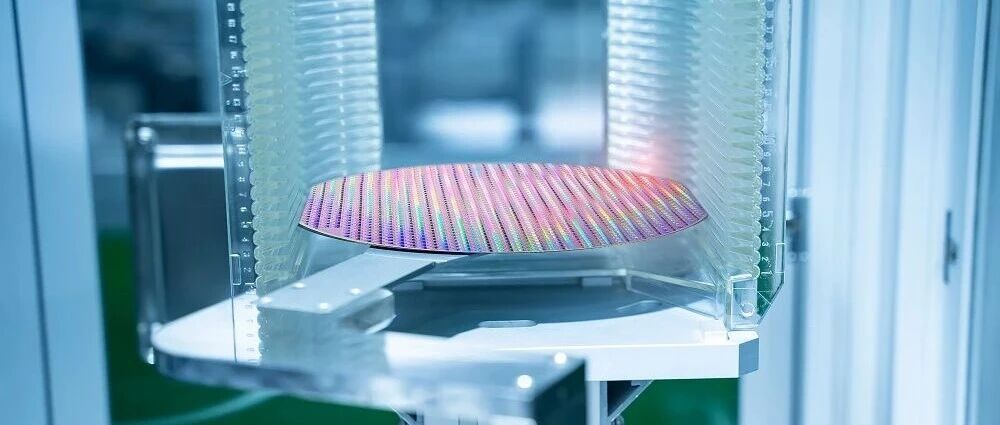
AI热潮带飞马桶厂?不起眼的日企,控制了芯片命脉
创业邦· 2026-02-06 00:08
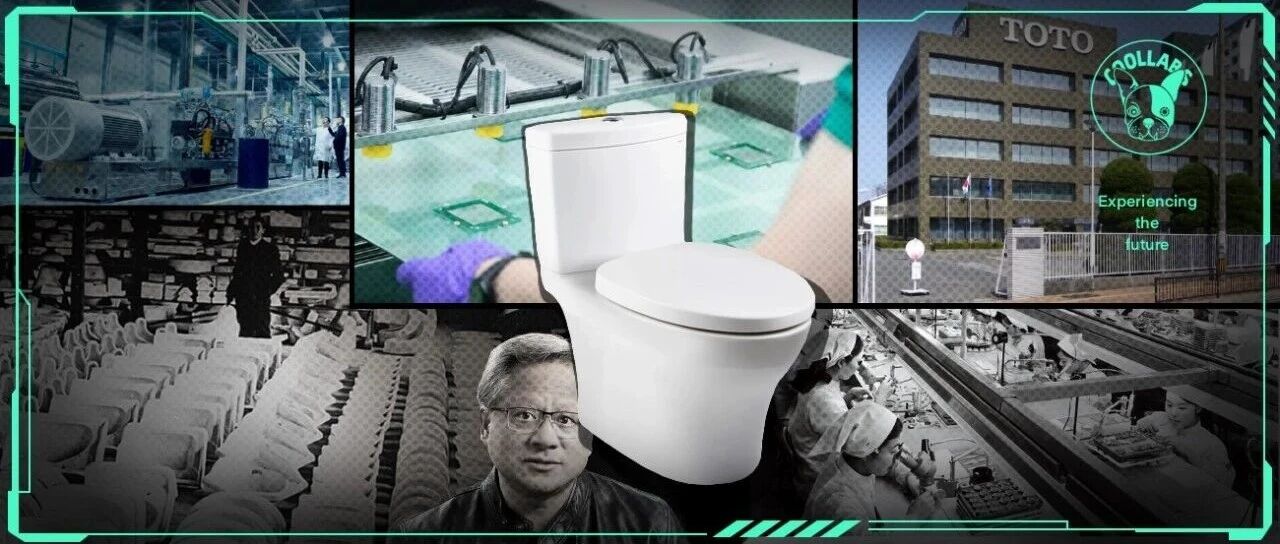
Core Viewpoint - The article discusses how traditional companies, such as TOTO, have successfully transitioned into the semiconductor industry by leveraging their existing technologies and expertise, particularly in ceramics, to meet the growing demands of the AI and semiconductor markets [6][19]. Group 1: TOTO's Transformation - TOTO, a Japanese bathroom products company, saw its stock price surge by 11% due to its involvement in the semiconductor industry, despite its primary business being unrelated to AI [8]. - The company's success is attributed to its expertise in producing high-density, low-porosity ceramics, which are essential for semiconductor manufacturing processes [11][12]. - TOTO's pivot to semiconductor precision ceramics has become a significant growth engine, contributing 42% of its revenue with a profit margin of 40%, far exceeding the average of 7% across all departments [19]. Group 2: Broader Industry Trends - The semiconductor industry is increasingly adopting electrostatic chucks, which TOTO has developed, due to their ability to provide uniform force and reduce contamination risks during wafer processing [12][17]. - Other traditional Japanese companies, such as Ajinomoto and Kao, have also successfully transitioned into the semiconductor sector by utilizing their existing technologies to create essential materials for chip manufacturing [22][30]. - The article highlights that Japan's historical industrial strength and technological reserves have allowed these companies to adapt and thrive in the semiconductor market, even as their traditional businesses face challenges [34][37]. Group 3: China's Potential - The article suggests that China's industrial sectors are beginning to mature, with companies like Xingfa Group and Huitian New Materials emerging as players in the semiconductor supply chain by developing high-purity materials and specialized adhesives [39][43]. - The narrative emphasizes that China's industrial development, although historically delayed, is now gaining momentum, and the accumulated technological expertise will eventually lead to significant advancements in the semiconductor industry [49].

安集科技:先进制程的发展对CMP抛光液的需求是由“步骤增加”与“技术迭代”共同驱动的复合型增长
Zheng Quan Ri Bao Wang· 2026-02-05 13:43
Core Viewpoint - The development of advanced processes is driving a compound growth in the demand for CMP polishing liquids, influenced by both "increased steps" and "technological iterations" [1] Group 1: Demand Drivers - The advancement of logic chip processes leads to an increase in the number and density of multilayer wiring, while the evolution of storage chips towards 3D NAND significantly increases the number of stacking layers, resulting in more CMP process steps and higher consumption of polishing liquids [1] - The requirements for new polishing materials due to advanced processes and the manufacturing sector's demand for efficiency improvements are internal drivers for technological iterations and product upgrades, which continuously enhance the added value of the company's products [1] Group 2: Synergistic Results - The demand for CMP during the development of advanced processes is a result of the synergy between increased usage and value enhancement [1]
业绩爆表+扩产加码!这个赛道的机会藏不住了
格隆汇APP· 2026-02-05 10:15
Core Viewpoint - The semiconductor equipment industry is entering a high-growth cycle driven by AI computing demand, domestic substitution, and global capacity expansion, with significant performance improvements from both international and domestic companies [4][7][21]. Group 1: Industry Performance - ASML reported a net sales of €32.7 billion in 2025, a 16% year-on-year increase, with a backlog of €38.8 billion in unfulfilled orders [4]. - Samsung's semiconductor business saw a 33% increase in operating profit, while SK Hynix's Q4 operating profit surged by 137% year-on-year [4]. - Domestic semiconductor equipment companies like Jinhaitong and Changchuan Technology also announced significant performance increases [4]. Group 2: Demand Drivers - The scale application of generative AI has drastically reshaped storage demand, with AI server DRAM needs being eight times that of regular servers and NAND needs three times higher [6]. - High Bandwidth Memory (HBM) is emerging as a core growth engine, with a projected CAGR of 33% from 2024 to 2030, potentially capturing 50% of the DRAM market by 2030 [6]. - Major global storage manufacturers are ramping up production, with Samsung's capital expenditure for 2025 expected to increase by 89% and SK Hynix raising its annual capital expenditure to $20.3 billion [6]. Group 3: Domestic Substitution Progress - The domestic semiconductor equipment localization rate is expected to reach 35% in 2024, doubling from 16.4% in 2022, with etching equipment localization at 23% and CMP equipment at 30%-40% [7]. - China has maintained its position as the largest semiconductor equipment market globally for five consecutive years, with sales expected to reach $49.54 billion in 2024, accounting for 42.34% of the global market [7]. Group 4: Future Trends - The global DRAM industry capital expenditure is projected to reach $61.3 billion in 2026, a 14% year-on-year increase, while NAND Flash capital expenditure is expected to be $22.2 billion, up 5% [9]. - ASML's order situation reflects high industry prosperity, with €13.2 billion in new orders in 2025, including €7.4 billion for EUV lithography machines, and a backlog extending to 2027 [9]. - The global semiconductor equipment market is projected to reach $117 billion in 2024, with a CAGR of 8.4% from 2025 to 2033, potentially growing to $224.93 billion by 2033 [9]. Group 5: Key Segments - The etching equipment market, representing 22% of the front-end equipment market, is expected to reach a domestic market size of ¥48.67 billion in 2025 [12]. - Thin film deposition is also experiencing rapid growth, with a global market size of $12.68 billion, driven by domestic leaders like TuoJing Technology [12]. - Testing and packaging equipment are benefiting from advanced process promotion and capacity expansion, with companies like Changchuan Technology and Huafeng Measurement Control covering multiple semiconductor fields [12]. Group 6: Material and Component Localization - The localization rate of core semiconductor equipment components is expected to rise from 10% to 20% in 2024, with Anji Technology's CMP polishing liquid achieving a 15% global market share [14]. - Continuous breakthroughs in supporting segments are enhancing the competitiveness of domestic equipment, fostering a collaborative development advantage across the entire industry chain [14]. Group 7: Strategic Outlook for 2026 - The advanced process competition is intensifying, leading to a surge in demand for high-end equipment, with global semiconductor giants pushing for 2nm and below processes [17]. - Policy and capital are driving domestic substitution deeper into high-end segments, with significant support for key technologies and substantial financing events in the semiconductor equipment sector [18]. - The demand structure is optimizing, with emerging fields like AI computing centers and electric vehicles creating new growth opportunities, while domestic companies expand into overseas markets [19].