
HBM(高宽带内存)

Search documents
存储双雄业绩“炸裂”背后
Guo Ji Jin Rong Bao· 2026-01-30 05:58
Core Viewpoint - The storage industry is experiencing a "super cycle," with South Korea's major players, Samsung Electronics and SK Hynix, reporting record-breaking financial results driven by the demand for storage chips, particularly high bandwidth memory (HBM) due to the AI boom [1][3][4]. Group 1: Samsung Electronics Performance - Samsung Electronics reported a record sales figure of 93.8 trillion KRW for Q4 2025, a 9% increase quarter-on-quarter and a 24% increase year-on-year [1]. - The company's operating profit reached 20.1 trillion KRW, a staggering 209.2% increase from 6.5 trillion KRW in the same period last year [1]. - For the full year 2025, Samsung achieved revenues of 333.6 trillion KRW, an 11% year-on-year growth, with operating profit of 43.6 trillion KRW, up 33% [1]. Group 2: SK Hynix Performance - SK Hynix reported a 66% year-on-year revenue increase to 32.83 trillion KRW for Q4 2025, with operating profit rising 137% to 19.17 trillion KRW [1]. - The company's net profit for Q4 was 15.24 trillion KRW, a 90% increase year-on-year [1]. - For the full year 2025, SK Hynix's revenue reached 97.15 trillion KRW, with operating profit of 47.21 trillion KRW and net profit of 42.95 trillion KRW, all surpassing previous records [1]. Group 3: Market Dynamics and AI Influence - The surge in demand for storage chips, particularly HBM, is attributed to the AI boom, with prices recovering since the first half of 2025 [3][4]. - Samsung's Device Solutions division saw a 46% year-on-year sales increase in Q4 2025, with memory sales up 62% to 37.1 trillion KRW, making it the strongest growth segment [3]. - SK Hynix's DRAM business accounted for 76% of its total revenue in Q4 2025, with HBM sales more than doubling year-on-year, driving record performance [4]. Group 4: Competitive Landscape - SK Hynix holds a dominant position in the global HBM market with a 57% share, while Samsung has 22% and Micron Technology holds 21% [5]. - The combined market share of these three companies approaches 100%, with the two South Korean firms accounting for nearly 80%, creating a monopolistic landscape [5]. Group 5: Future Outlook and Investments - The demand for DRAM and NAND Flash is expected to continue rising, with the overall storage industry projected to reach a value of 551.6 billion USD in 2026 and 842.7 billion USD in 2027, reflecting a 53% annual increase [9]. - Both Samsung and SK Hynix are focusing on high-margin products and expanding their production capabilities to meet the growing demand [10]. - Samsung plans to increase its HBM wafer production capacity by 47% by the end of 2026, while SK Hynix aims to maximize its production capacity at its Cheongju M15X plant [10].
存储寡头才是“罪魁祸首”
虎嗅APP· 2026-01-30 00:50
Core Viewpoint - The article discusses the unprecedented profits of storage giants Samsung and SK Hynix, driven by soaring memory prices, and highlights the implications for the broader electronics industry and investment opportunities [5][10]. Group 1: Storage Industry Performance - Samsung Electronics reported an operating profit of 20.1 trillion KRW (approximately 32.37 billion RMB) for Q4 2025, a 209% increase year-on-year, setting a new record for quarterly operating profit in South Korea [6]. - SK Hynix achieved an operating profit of 19.16 trillion KRW for Q4 2025, exceeding initial expectations, with year-end bonuses reaching 640,000 RMB per employee, the highest in the company's history [6]. - The surge in profits is attributed to a significant increase in memory prices, with Samsung raising NAND flash supply prices by over 100% for Q1 2026 [8][7]. Group 2: Market Dynamics and Pricing Power - The storage industry is characterized by oligopoly, with SK Hynix, Samsung, and Micron controlling 93% of the DRAM market share as of Q3 2025 [12]. - The construction of storage wafer fabs takes 2-3 years, making capacity expansion slow and difficult, which contributes to the pricing power of the leading firms [13]. - The competitive landscape has led to a cautious approach to capacity expansion among smaller players, while the three major firms maintain high profit margins through coordinated production strategies [15][16]. Group 3: Future Trends and Investment Opportunities - The demand for high-bandwidth memory (HBM) is expected to grow due to AI applications, with HBM prices typically 3-4 times higher than traditional DRAM [24]. - The article predicts that the storage supercycle will continue until 2027, with ongoing revenue growth for both domestic and international storage companies [29]. - Investment institutions are optimistic about storage manufacturers, with BNP Paribas raising Micron Technology's target price from $270 to $500 [30]. Group 4: Impact on Downstream Industries - The rising storage prices are expected to lead to a significant impact on consumer electronics, with predictions of a decline in smartphone shipments by 7% in 2026 [40]. - Companies like Xiaomi and OPPO have adjusted their shipment targets downward due to increased costs, particularly affecting mid-range devices [43]. - The inflationary pressure from rising storage prices is also anticipated to hinder the rollout of AI hardware in various sectors, including automotive and home appliances [45][51].


存储芯片涨价潮或将贯穿2026年
Zhong Guo Jing Ying Bao· 2026-01-16 19:34
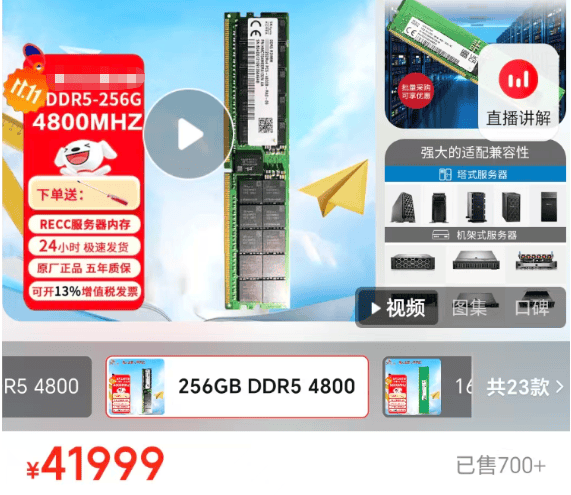
Core Viewpoint - The current surge in storage chip prices is expected to continue into 2026, driven by a combination of supply constraints and recovering demand, particularly in sectors like AI and data centers [3][4][10]. Group 1: Price Trends and Market Dynamics - Storage chip prices have seen significant increases, with examples like Acer's 32GB DDR5 memory rising from approximately 1300 RMB to around 2700 RMB within a few months [3]. - Analysts predict that the price of enterprise-grade SSDs may double in early 2026 due to strong demand for server-grade storage [4]. - The current price surge is characterized as a result of supply contraction and recovering demand after a prolonged downturn in the storage industry [5][11]. Group 2: Impact on the Supply Chain - The packaging and testing (封测) sector is experiencing structural improvements, with major firms raising prices by up to 30% due to high capacity utilization [5][6]. - The demand for advanced packaging technologies is increasing, which is driving up costs in the packaging and testing segment [6]. - Some mid-to-high-end packaging services are seeing improved pricing power, while traditional packaging services remain competitive and less affected by price increases [6][7]. Group 3: Differentiation Among Downstream Manufacturers - The impact of rising storage chip prices varies among manufacturers, with upstream firms benefiting more than midstream and downstream companies [7]. - PC manufacturers like Lenovo and Dell have raised prices by 10% to 30%, while some smartphone models have seen price increases of up to 500 RMB [8]. - Larger brands with better supply agreements and pricing power are less affected by cost increases compared to smaller manufacturers [9]. Group 4: Future Outlook and Opportunities - The storage chip market is expected to remain in a supply-demand imbalance, with DRAM and NAND flash consumption projected to increase significantly in 2026 [10]. - Domestic storage manufacturers are likely to gain market share and improve profitability due to favorable market conditions [11]. - Opportunities exist for companies involved in high-end storage and recycling, as well as those that can innovate in product offerings and cost structures [11].
一天一个价,涨幅远超黄金!业内人士:离谱,但还会涨
Sou Hu Cai Jing· 2026-01-08 03:52
Group 1 - The global DRAM market is experiencing a significant price increase, described as the "strongest" price surge in history, with most categories seeing price increases of over 100% since July 2025 [3] - DDR4 and DDR5 memory prices have increased 2-3 times within the year, and the price increase is accelerating as 2026 approaches [3][4] - Industry insiders believe that the current price cycle has not yet reached its peak, indicating further potential for price increases [3] Group 2 - The memory price surge is primarily driven by explosive demand from the AI industry, which requires 8-10 times more storage chips than standard servers, consuming 53% of global monthly production capacity [6] - Major memory manufacturers, including Samsung, SK Hynix, and Micron, are reallocating resources towards high-margin products like HBM and DDR5, leading to a strategic reduction in DDR4 production [7][8] - The HBM market is experiencing explosive growth, with prices increasing over 30%, and manufacturers are facing supply shortages [8] Group 3 - The rising memory prices are expected to impact smartphone production costs significantly, with memory accounting for 10% of the Bill of Materials (BoM) for the iPhone 17 Pro Max, up from 8% for the iPhone 12 Pro Max [10] - Counterpoint forecasts a 2.1% decline in global smartphone shipments in 2026 due to rising storage costs, leading to potential price increases or reduced specifications for smartphones [10] - Major manufacturers like Micron, Samsung, and SK Hynix have announced price increases for various memory products, with Micron's prices rising by approximately 20% and Samsung's mobile DRAM prices increasing by 15%-30% [10]
股价暴涨588%,存储芯片“牛股”紧急提示风险:请投资者理性决策!公司前任董事长提前1年多辞职
Mei Ri Jing Ji Xin Wen· 2025-11-10 13:37
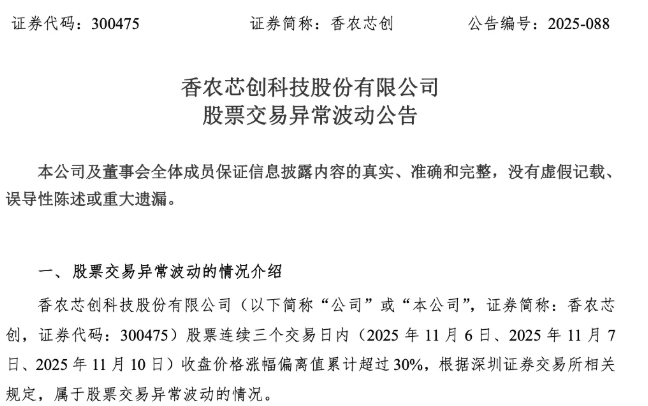
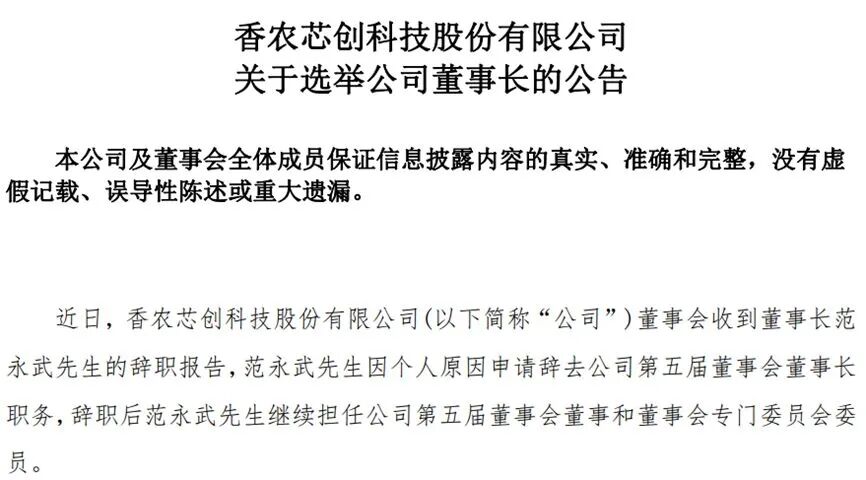
Core Viewpoint - Shannon Semiconductor (SZ300475) has experienced significant stock price fluctuations, with a cumulative increase of over 30% in three consecutive trading days, raising concerns about the sustainability of its valuation given its high P/E ratio compared to industry peers [1][3]. Company Performance - As of November 7, 2025, Shannon Semiconductor's rolling P/E ratio stood at 305.02, significantly higher than the industry average of 27.11 [1]. - For the first three quarters of 2025, the company reported a net profit attributable to shareholders of 359 million yuan, a year-on-year decline of 1.36% [8]. - The third quarter of 2025 saw revenues of 9.28 billion yuan, a year-on-year increase of 6.58%, but net profit decreased by 3.11% to 202 million yuan [8]. Market Activity - On November 10, 2025, the stock closed up 15.19%, bringing its market capitalization to 91 billion yuan, with a year-to-date price increase of over 588% [4][6]. - During the trading period from November 6 to November 10, the stock saw a net sell-off of 312 million yuan, with institutional investors net selling 224 million yuan [7]. Industry Context - The storage chip industry has been experiencing a price surge, driven by strong demand for AI computing power, leading to a supply-demand imbalance [8]. - Reports indicate that some DRAM and Flash products have stopped quoting prices, reflecting the volatility in the market [7]. - Morgan Stanley forecasts that the global storage market could reach 300 billion dollars by 2027, indicating a potential multi-year "super cycle" in the industry [8]. Corporate Governance - On October 30, 2025, the company announced the resignation of its chairman, Fan Yongwu, who stepped down for personal reasons, with Huang Zewei elected as the new chairman [10].

存储芯片“牛股”大涨超200%后,厦大会计学博士范永武突然辞职,提前了19个月!新董事长是他,年仅41岁
Mei Ri Jing Ji Xin Wen· 2025-10-31 08:04
Core Viewpoint - The resignation of Fan Yongwu as chairman of Shannon Chip Creation and the appointment of Huang Zewei as the new chairman mark a significant leadership change in the company, which has recently undergone a strategic transformation in its business model [1][5]. Company Leadership Change - Fan Yongwu resigned from his position as chairman for personal reasons, continuing as a board member and committee member [1]. - Huang Zewei, a major shareholder controlling 10.31% of the company, has been elected as the new chairman, effective immediately [1][4]. - Fan Yongwu's tenure saw the company transition from electrical machinery manufacturing to electronic component distribution, including a name change from "Anhui Julong Transmission Technology Co., Ltd." to "Shannon Chip Creation Technology Co., Ltd." [5]. Financial Performance - In Q3, Shannon Chip Creation reported revenue of 9.28 billion yuan, a year-on-year increase of 6.58%, but a net profit of 202 million yuan, down 3.11% [9]. - For the first three quarters, the company achieved revenue of 26.4 billion yuan, up 59.9%, while net profit decreased by 1.36% to 359 million yuan [9][10]. - The company has experienced a situation of "increased revenue but decreased profit" in both the third quarter and the first three quarters of the year [10]. Market Context - The storage chip industry has seen significant price increases, driven by strong demand for AI computing power, leading to a supply-demand imbalance [9]. - The market anticipates a "super cycle" in the storage industry, with projections indicating the global storage market could reach $300 billion by 2027 [9].
“超级周期”启动!存储芯片价格暴涨,7股年内股价翻倍
2 1 Shi Ji Jing Ji Bao Dao· 2025-10-30 13:07
Core Insights - The storage chip industry has experienced significant price increases since September, with some DRAM and Flash products reportedly ceasing to be quoted or experiencing daily price fluctuations [1] - Research from CFM indicates that the DRAM price index surged by 47.7% in the first half of 2025, while the price of 512Gb Flash Wafers has risen over 20% since October [1] - This price surge is perceived by some industry insiders as the initiation of a "super cycle" in the storage chip market [1] - The A-share storage chip sector has seen a substantial rise, with the storage index increasing by 59.42% over the past three months as of October 30 [1] Company Performance - Jiangbolong has seen a cumulative increase of 210.89%, with a total market capitalization of 118.6 billion yuan and a PE ratio of 181 [2] - Demingli has risen by 160.95%, reaching a market cap of 51.3 billion yuan, despite reporting losses in the first half of the year [2] - Puranshi has increased by over 110%, with a market cap of 20.2 billion yuan and a PE ratio of 102 [2] - Dongxin has also risen by over 110%, with a market cap of 42.8 billion yuan, while reporting losses over the past two years [2] - Shannon Chip has surged by over 275%, with a market cap of 59.6 billion yuan and a PE ratio of 230 [2] Market Drivers - The primary driver behind the current price increases is the strong and ongoing demand for AI computing power from global tech giants, leading to a supply shortage of HBM (High Bandwidth Memory) products, which are essential for AI chip modules [3]